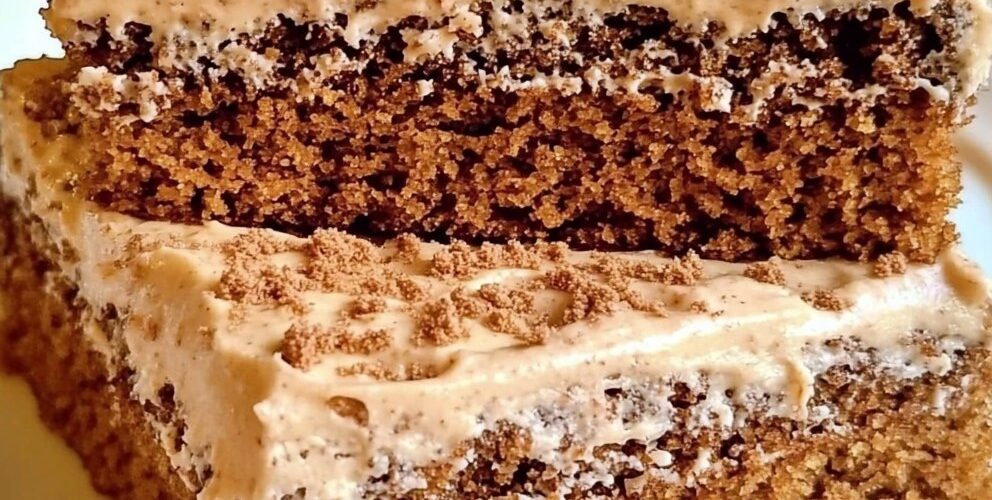
Dieser unglaubliche Karottenkuchen ohne Mehl bietet die saftige, würzige Köstlichkeit eines traditionellen Karottenkuchens, ganz ohne raffiniertes Mehl oder übermäßigen Zucker. Hergestellt aus nährstoffreichen gemahlenen Mandeln und natürlich mit Honig gesüßt, besticht dieser Kuchen durch einen luxuriösen Hüttenkäse-Zuckerguss, der den zarten, aromatischen Boden perfekt ergänzt.
Zutaten
Für 8-10 Portionen:
Tortenboden
- 200 g Karotten, geschält und gerieben
- 2 große Eier
- 2-3 Esslöffel Honig (45 ml)
- 1 Teelöffel Backpulver
- 2-3 Tropfen Weißweinessig
- 200 g / 7 oz / 2 Tassen gemahlene Mandeln (Mandelmehl)
- 1/2 Teelöffel gemahlener Zimt
- 1/4 Teelöffel Salz
Hüttenkäse-Zuckerguss
- 150 g Hüttenkäse, bei Zimmertemperatur
- 25 g / 0,9 oz / 2 Esslöffel Butter, auf Zimmertemperatur erweicht
- 1 Esslöffel Honig (15 ml)
Optionale Garnitur
- Extra gemahlene Mandeln zum Bestäuben
- Prise Zimt zum Bestreuen
- Geriebene Karotte zur Dekoration
Schritt-für-Schritt-Anleitung
Vorbereitung (25 Minuten)
Schritt 1: Heizen Sie Ihren Backofen auf 180 °C (160 °C Umluft) / 350 °F / Gas Stufe 4 vor. Legen Sie eine runde Kuchenform mit 20 cm (8 Zoll) Durchmesser mit Backpapier aus und fetten Sie die Seiten leicht mit Butter oder Öl ein.
Schritt 2: Bereiten Sie die Karotten vor, indem Sie sie waschen, schälen und mit der feinen Reibe einer Vierkantreibe oder Küchenmaschine reiben. Die Karotten sollten fein gerieben werden, um ein gleichmäßiges Garen zu gewährleisten und dem fertigen Kuchen eine glatte Konsistenz zu verleihen.
Schritt 3: Die geriebenen Karotten in ein sauberes Küchentuch geben und leicht ausdrücken, um überschüssige Feuchtigkeit zu entfernen. Dieser Schritt ist entscheidend, um einen matschigen Kuchen zu vermeiden und die richtige Konsistenz zu gewährleisten.
Schritt 4: Lassen Sie den Hüttenkäse und die Butter auf Zimmertemperatur abkühlen. Dadurch lassen sie sich leichter verrühren und ergeben einen geschmeidigeren Zuckerguss. Dies dauert je nach Zimmertemperatur in der Regel 30–60 Minuten.
Zubereitung des Kuchenteigs (10 Minuten)
Schritt 5: In einer großen Rührschüssel die Eier schaumig schlagen. Nach und nach den Honig hinzufügen und ständig weiterrühren, bis die Mischung gut vermischt und leicht hell ist.
Schritt 6: In einer kleinen Schüssel das Natron mit dem Weinessig vermischen. Die Mischung schäumt sofort, wodurch das Triebmittel aktiviert wird. Die Mischung schnell zur Ei-Honig-Mischung geben und gut umrühren.
Schritt 7: Gemahlene Mandeln, Zimt und Salz zu den flüssigen Zutaten geben. Mit einem Spatel vorsichtig unterheben, bis alles gut vermischt ist. Nicht zu viel rühren, da der Kuchen sonst zu fest wird.
Schritt 8: Die vorbereiteten geriebenen Karotten unterheben und gleichmäßig im Teig verteilen. Die Mischung sollte dick, aber feucht sein und überall sichtbare Karottenstücke aufweisen.
Backvorgang (35 Minuten)
Step 9: Pour the batter into the prepared cake pan, spreading it evenly with a spatula. Gently tap the pan on the counter to release any air bubbles and level the surface.
Step 10: Bake for 30-35 minutes, until the top is golden brown and a toothpick inserted into the center comes out with just a few moist crumbs. The cake should spring back lightly when touched in the center.
Step 11: Remove from the oven and let the cake cool in the pan for 10 minutes before turning it out onto a wire rack to cool completely. This prevents the cake from breaking and allows the structure to set properly.
Preparing the Frosting (10 minutes)
Step 12: While the cake cools, prepare the cottage cheese frosting. In a medium bowl, whisk the softened butter until light and creamy, about 2-3 minutes by hand or 1 minute with an electric mixer.
Step 13: Add the room temperature cottage cheese to the butter, mixing gently until combined. For a smoother frosting, press the cottage cheese through a fine-mesh sieve before adding to remove any lumps.
Step 14: Drizzle in the honey and mix until the frosting is smooth and spreadable. Taste and adjust sweetness if needed, adding more honey gradually to achieve your preferred level of sweetness.
Assembly and Finishing (15 minutes)
Step 15: Once the cake is completely cool, carefully slice it horizontally into two equal layers using a long, sharp knife. Work slowly to ensure even layers.
Step 16: Place the bottom layer on your serving plate and spread half of the cottage cheese frosting evenly over the surface, leaving a small border around the edges.
Step 17: Gently place the second layer on top and spread the remaining frosting over the top surface. Use a palette knife or offset spatula to create smooth, even coverage.
Step 18: If desired, sprinkle the top with additional ground almonds and a light dusting of cinnamon for decoration and extra flavor.
Nutritional Information
Per slice (1 of 10):
- Calories: 245
- Protein: 9g
- Carbohydrates: 12g
- Dietary Fiber: 4g
- Fat: 18g
- Sugar: 10g (naturally occurring)
- Calcium: 95mg
- Vitamin A: 180% Daily Value
- Vitamin E: 25% Daily Value
- Magnesium: 15% Daily Value
Total preparation time: 85 minutes (45 minutes prep + 35 minutes baking + 5 minutes cooling) Yield: 8-10 slices
This flourless carrot cake provides excellent sources of healthy fats from almonds, beta-carotene from carrots, and protein from eggs and cottage cheese. It’s naturally gluten-free and significantly lower in refined sugars compared to traditional carrot cake recipes.
Recipe Variations and Substitutions
Flavor Enhancements
Spiced Version: Add 1/4 teaspoon each of ground ginger, nutmeg, and allspice for a more complex spice profile reminiscent of traditional carrot cake spicing.
Citrus Twist: Include the zest of one orange or lemon in the batter and add a teaspoon of citrus juice to the frosting for brightness and depth.
Nutty Addition: Fold in 60g chopped walnuts or pecans for extra texture and flavor. Toast the nuts lightly before adding for enhanced taste.
Coconut Variation: Replace 50g of ground almonds with unsweetened shredded coconut for a tropical twist that pairs beautifully with carrot.
Dietary Modifications
Vegan Option: Replace eggs with 2 flax eggs (2 tablespoons ground flaxseed mixed with 6 tablespoons water), use vegan butter, and substitute the cottage cheese frosting with cashew cream or vegan cream cheese.
Dairy-Free: Use dairy-free butter alternative and replace cottage cheese with thick coconut cream or cashew-based cream cheese for the frosting.
Lower Sugar: Reduce honey to 1 tablespoon in the cake and eliminate it from the frosting, relying on the natural sweetness of carrots. Add stevia to taste if additional sweetness is desired.
Nut-Free: Replace ground almonds with sunflower seed flour or pumpkin seed flour for those with tree nut allergies, though the texture will be slightly different.
Frosting Alternatives
Cream Cheese Frosting: Use traditional cream cheese frosting made with 150g cream cheese, 50g butter, and 2 tablespoons honey for a richer option.
Whipped Coconut Cream: Chill a can of full-fat coconut milk overnight, whip the solid cream with honey, and use as a lighter dairy-free alternative.
Greek Yogurt Frosting: Mix thick Greek yogurt with honey and a touch of vanilla for a protein-rich, tangy frosting option.
Storage and Serving Suggestions
Store this flourless carrot cake covered in the refrigerator for up to 5 days due to the cottage cheese frosting. The cake actually improves in flavor after the first day as the ingredients meld together. For longer storage, the unfrosted cake can be wrapped and frozen for up to 3 months.
Serve slices at room temperature for the best flavor and texture. Allow the cake to sit out for 15-20 minutes before serving if it has been refrigerated. This cake pairs beautifully with coffee, tea, or a glass of cold milk.
For special occasions, garnish individual slices with a sprinkle of toasted chopped nuts, a drizzle of honey, or fresh berries. The cake is elegant enough for dinner parties yet wholesome enough for everyday enjoyment.
Frequently Asked Questions
Why is my cake dense or heavy? Dense texture usually results from overmixing the batter or using carrots that weren’t properly drained. Fold ingredients gently and ensure excess moisture is removed from grated carrots. Also, make sure your baking soda is fresh and active.
Kann ich diesen Kuchen auch ohne Hüttenkäse-Zuckerguss backen? Absolut! Er schmeckt pur oder mit etwas Puderzucker. Alternativ kannst du ihn mit frischen Beeren, einem Klecks griechischem Joghurt oder etwas Honig servieren.
Wie gelingt mir ein cremiger Hüttenkäse-Zuckerguss? Für einen besonders cremigen Zuckerguss verwenden Sie feinkörnigen Hüttenkäse und drücken ihn vor dem Verrühren durch ein feinmaschiges Sieb. Alternativ können Sie den Hüttenkäse auch kurz in einer Küchenmaschine pürieren, bevor Sie ihn mit den anderen Zutaten für den Zuckerguss vermengen.
Kann ich das in einer anderen Backform backen? Ja, aber passen Sie die Backzeit entsprechend an. Bei einer 23 cm (9 Zoll) großen Backform verkürzt sich die Backzeit um 5–10 Minuten. Bei Cupcakes beträgt die Backzeit 18–22 Minuten. Stäbchenprobe: Immer mit einem Zahnstocher prüfen, ob der Kuchen gar ist.
Ist dieser Kuchen für Diabetiker geeignet? Dieser Kuchen enthält weniger Zucker als herkömmliche Varianten und verwendet natürlichen Honig anstelle von raffiniertem Zucker. Dadurch eignet er sich besser zur Blutzuckerregulierung. Er enthält jedoch weiterhin natürlichen Zucker. Sprechen Sie mit Ihrem Arzt oder Ihrer Ärztin, um ihn in Ihren Ernährungsplan für Diabetiker zu integrieren.
Dieser mehlfreie Karottenkuchen beweist, dass gesundes Backen weder auf Geschmack noch auf Genuss verzichten muss. Mit seiner saftigen, zarten Krume, der natürlichen Süße und dem cremigen Zuckerguss ist er ein raffiniertes Dessert, das zudem nahrhaft ist. Die Kombination aus gemahlenen Mandeln, frischen Karotten und proteinreichem Hüttenkäse ergibt einen Kuchen, der sich sowohl zum Nachmittagstee als auch zum Feiern besonderer Anlässe eignet.