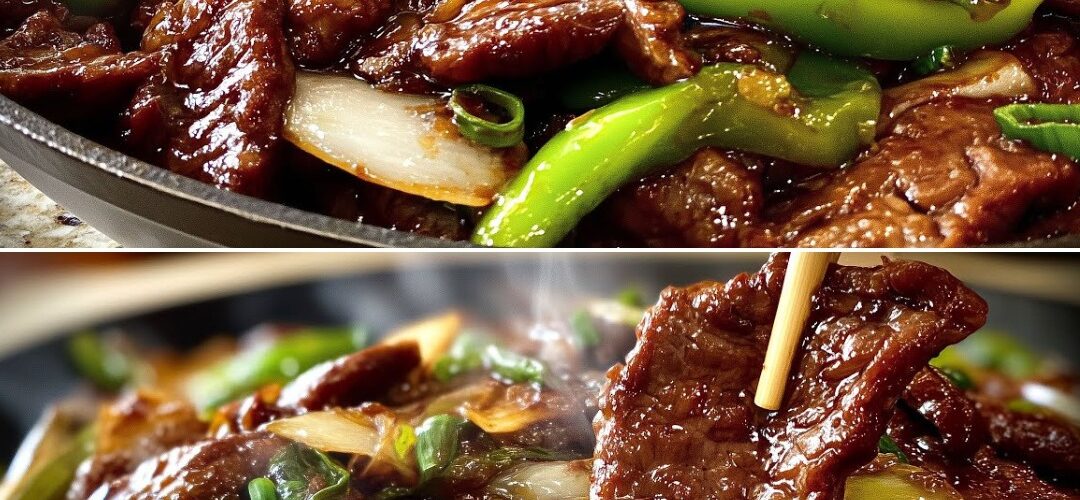
Rindfleischgerichte in chinesischen Restaurants sind berühmt für ihre unglaublich zarte, samtige Textur, die sich zu Hause scheinbar nicht nachmachen lässt. Das Geheimnis liegt in der traditionellen chinesischen Kochtechnik „Samtierung“, kombiniert mit heißem Pfannenrühren und der perfekten Abstimmung der Marinaden. Dieses authentische chinesische Rezept für gebratenes Rindfleisch enthüllt die professionellen Techniken, die jedes Mal zartes Rindfleisch in Restaurantqualität erzeugen und aus einem gewöhnlichen Flanksteak ein saftiges Meisterwerk machen, das Ihrem Lieblings-China-Imbiss Konkurrenz macht.
Zutaten
Für die Rindfleischmarinade
- 450 g (1 lb) Flanksteak, quer zur Faser in dünne Streifen geschnitten
- 1 Esslöffel (15 ml) helle Sojasauce
- 1 Teelöffel (5 ml) Austernsauce
- 1½ Esslöffel (22 g) Maisstärke
- 1 Teelöffel (5 g) Backpulver
- ½ Teelöffel (2 g) Kristallzucker
- 1 Esslöffel (15 ml) Sesamöl
Für das Pfannengericht
- 2-3 Esslöffel (30-45 ml) Pflanzenöl, geteilt
- 3 Knoblauchzehen, fein gehackt
- 1 Esslöffel (15 g) frischer Ingwer, fein gehackt
- 1 große grüne Paprika, in Streifen geschnitten
- 3-4 Stangen Frühlingszwiebeln, in 5 cm große Stücke geschnitten
- ½ Teelöffel (2 g) Salz
- ½ Teelöffel (2 g) Zucker
- 2 Esslöffel (30 ml) Shaoxing-Wein oder trockener Sherry
- 1 Esslöffel (15 ml) helle Sojasauce
- 1 Esslöffel (15 ml) Austernsauce
- Frisch gemahlener schwarzer Pfeffer nach Geschmack
- 80 ml (⅓ Tasse) Hühnerbrühe oder Wasser
Für den perfekten Reis
- 200 g (1 Tasse) Jasminreis
- ½ Esslöffel (7 g) ungesalzene Butter
- ½ Teelöffel (2 g) Salz
- 350 ml (1½ Tassen) heißes Wasser
Schritt-für-Schritt-Anleitung
Zubereitung der Zartfleischmarinade
Der Schlüssel zu zartem Rindfleisch wie im Restaurant liegt in der Marinadenzubereitung. Schneiden Sie das Flanksteak zunächst quer zur Faser in dünne, etwa 6 mm dicke Streifen. Diese Schnitttechnik zerlegt die Muskelfasern und sorgt für maximale Zartheit.
Geben Sie das geschnittene Rindfleisch in eine große Rührschüssel und fügen Sie helle Sojasauce, Austernsauce, Maisstärke, Natron und Zucker hinzu. Das Natron ist wichtig, da es den pH-Wert des Fleisches erhöht, Proteine aufspaltet und die charakteristische samtige Textur erzeugt, die man in chinesischen Restaurants findet. Vermengen Sie alles gründlich mit den Händen und achten Sie darauf, dass jedes Stück Rindfleisch gleichmäßig mit der Marinade bedeckt ist.
Das Sesamöl über das marinierte Rindfleisch träufeln und nochmals gründlich verrühren. Das Öl bildet eine Schutzschicht, die ein Übergaren verhindert und die Feuchtigkeit während des Garvorgangs bei hohen Temperaturen erhält. Lassen Sie das Rindfleisch mindestens 15–20 Minuten bei Raumtemperatur oder bis zu 2 Stunden im Kühlschrank marinieren, um den Geschmack intensiver zu entfalten.
Die Hochtemperatur-Wok-Technik meistern
Heat your wok or large skillet over high heat until it begins to smoke slightly. Add 2 tablespoons of vegetable oil and swirl to coat the cooking surface. The high heat is essential for creating the characteristic “wok hei” or breath of the wok that gives Chinese stir-fries their distinctive flavor.
Add the marinated beef to the hot oil in a single layer, avoiding overcrowding which would cause steaming instead of searing. Allow the beef to cook undisturbed for about 1 minute, then stir-fry for another minute until the beef develops a beautiful caramelized exterior while remaining tender inside. The total cooking time should be approximately 2 minutes.
Remove the beef from the wok and set aside on a plate, keeping all the accumulated juices which will be added back later for extra flavor.
Building the Aromatic Sauce Base
Reduce the heat to medium-high and add another tablespoon of oil if the wok appears dry. Add the minced garlic and fresh ginger to the hot oil, stirring constantly for about 30 seconds until fragrant. This aromatics base forms the foundation of flavor for the entire dish.
Add the green bell pepper strips and green onions to the wok, seasoning with salt and sugar. Stir-fry for approximately 1 minute until the vegetables are crisp-tender and bright green. The vegetables should retain some crunch to provide textural contrast.
Finishing the Dish with Professional Techniques
Deglaze the wok with Shaoxing wine, scraping up any flavorful bits from the bottom of the pan. The wine adds depth and helps create the glossy sauce that coats the ingredients beautifully.
Return the beef to the wok along with all accumulated juices. Add the remaining soy sauce, oyster sauce, and freshly ground black pepper. Turn the heat back to high and stir-fry for 1 minute, tossing everything together continuously.
Pour in the chicken stock or water and continue cooking for 2-3 minutes until the sauce reduces and thickens to a glossy consistency that clings to the beef and vegetables.
Preparing the Perfect Accompaniment Rice
While the beef marinates, prepare the fragrant rice. Heat a medium saucepan over medium heat and add the butter. Once melted, add the jasmine rice and sauté for 2-3 minutes, stirring constantly until the rice becomes lightly toasted and aromatic.
Add the salt and pour in the hot water, bringing the mixture to a rolling boil. Reduce heat to low, cover tightly, and simmer for exactly 10 minutes. Remove from heat and let stand, covered, for 5 minutes before fluffing gently with a fork.
Nutritional Information
Preparation Time: 20 minutes (plus 15 minutes marinating)
Cooking Time: 15 minutes
Total Time: 50 minutes
Servings: 4 portions
Per Serving (approximate):
- Calories: 385
- Protein: 28g
- Carbohydrates: 32g
- Fat: 16g
- Saturated Fat: 4g
- Cholesterol: 70mg
- Sodium: 890mg
- Fiber: 2g
- Iron: 3mg
- Vitamin C: 45mg
Recipe Variations and Substitutions
Meat Alternatives
While flank steak is traditional, you can substitute with sirloin, beef tenderloin, or even chicken breast using the same velveting technique. For a more economical option, use chuck roast sliced paper-thin. Each cut will have slightly different cooking times, so adjust accordingly.
Vegetable Variations
Create different flavor profiles by substituting vegetables. Try snow peas and carrots for a colorful combination, or broccoli and mushrooms for an earthier taste. Baby corn and water chestnuts add interesting textures and authentic Chinese restaurant appeal.
Sauce Modifications
For a spicier version, add 1-2 teaspoons of chili garlic sauce or fresh sliced chilies with the aromatics. For a sweeter profile, increase the sugar to 1 teaspoon and add a tablespoon of hoisin sauce. Black bean sauce creates a more robust, umami-rich flavor when substituted for half the oyster sauce.
Dietary Adaptations
Make this dish gluten-free by using tamari instead of soy sauce and ensuring your oyster sauce is gluten-free certified. For a lighter version, reduce the oil by half and use cooking spray for the initial searing. Vegetarians can substitute the beef with extra-firm tofu or seitan, using the same marinating technique.
Frequently Asked Questions
What makes the baking soda so important in the marinade?
Baking soda is the secret ingredient that professional Chinese chefs use to achieve incredibly tender meat. It raises the pH level of the meat’s surface, breaking down proteins and allowing the muscle fibers to retain more moisture during cooking. This creates the characteristic velvety texture that’s impossible to achieve without this technique.
Can I prepare the marinated beef in advance?
Marinated beef can be prepared up to 24 hours in advance and stored in the refrigerator. However, don’t marinate longer than this as the baking soda can make the meat mushy if left too long. For best results, marinate for 2-4 hours for optimal tenderness without compromising texture.
Why is high heat so crucial for stir-frying?
High heat creates the “wok hei” or breath of the wok, which is the smoky, complex flavor that distinguishes restaurant stir-fries from home cooking. The intense heat sears the outside of ingredients quickly while keeping interiors tender, and it helps evaporate excess moisture to prevent steaming.
What can I substitute for Shaoxing wine?
Dry sherry is the best substitute for Shaoxing wine, offering similar depth and complexity. Alternatively, use dry white wine or even rice wine vinegar mixed with a pinch of sugar. Avoid sweet cooking wines as they’ll alter the flavor profile significantly.
How do I know when the beef is perfectly cooked?
Properly cooked beef should have a caramelized exterior while remaining pink and tender inside. The total cooking time should be only 2-3 minutes to prevent toughening. The beef should feel firm but not hard when pressed with a spatula, and the marinade should create a glossy coating rather than appearing dry or burnt.
Dieses authentische chinesische Rindfleischpfannenrezept enthüllt die Geheimnisse, die Restaurantrindfleisch so außergewöhnlich zart und aromatisch machen. Die Kombination aus richtigen Mariniertechniken, Hochtemperaturgaren und traditionellen chinesischen Gewürzen ergibt ein Gericht, das den besten chinesischen Restaurants Konkurrenz macht und gleichzeitig problemlos in Ihrer eigenen Küche zubereitet werden kann.