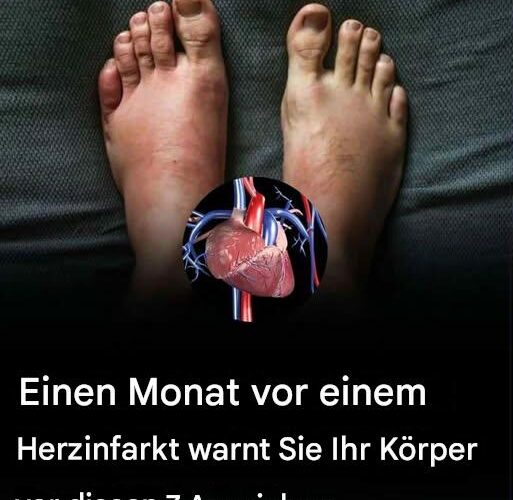
Laut Angaben der Weltgesundheitsorganisation ist die ischämische Herzkrankheit die weltweit häufigste Todesursache. Im Jahr 2019 gab es 8,9 Millionen Todesfälle aufgrund von Herz-Kreislauf-Erkrankungen.
Forschungsergebnissen zufolge treten in den Tagen oder Monaten vor einem Herzinfarkt bestimmte Symptome auf, die als Prodromalsymptome bezeichnet werden.
Einer in der National Library of Medicine veröffentlichten Studie zufolge werden die Prodromalsymptome von Patienten und Hausärzten häufig übersehen.
Zu diesen Symptomen zählen unter anderem „Brustschmerzen, Schweregefühl in der Brust, Brennen in der Brust, Herzklopfen, Müdigkeit, Schlafstörungen, Kurzatmigkeit (SOB), Schwindel, Angst, plötzliche Hitze oder Kälte, Rückenschmerzen und Erbrechen.“
1. Müdigkeit
Extreme Müdigkeit, Schläfrigkeit, Erschöpfung oder Energiemangel für selbst die kleinsten Aufgaben können Anzeichen von Erschöpfung sein. Ein Grund dafür kann eine verminderte Blutzufuhr zum Herzen sein. Dies geschieht meist durch verengte Arterien. Herzprobleme können ebenfalls zu Erschöpfung führen .

2. Kurzatmigkeit
Kurzatmigkeit entsteht, wenn die Lunge nicht ausreichend mit Sauerstoff versorgt wird, um die Körperfunktionen zu gewährleisten. Wenn Sie oder jemand, den Sie kennen, unter Kurzatmigkeit leidet, suchen Sie am besten einen Arzt auf, da dies ein Anzeichen für einen möglichen Herzinfarkt sein kann. Laut WebMD können Kurzatmigkeit und Müdigkeit Anzeichen einer Herzinsuffizienz sein.
Herzinsuffizienz bezeichnet die Unfähigkeit des Herzens, Blut ausreichend durch den Körper zu pumpen.
3. Schwäche
Wenn Sie aus unbekannten Gründen plötzlich Schwäche verspüren, möchte Ihr Körper Sie möglicherweise daran erinnern, die Dinge langsam anzugehen und Ihren Lebensstil zu überdenken.
4. Schwindel und kalter Schweiß
Sowohl Schwindel als auch kalter Schweiß können eine Folge einer schlechten Durchblutung sein, die nicht ignoriert werden darf.
5. Grippe- oder Erkältungssymptome
Viele Menschen, die einen Herzinfarkt erlitten haben, geben an, dass sie wenige Tage vor dem Anfall grippeähnliche Symptome entwickelt hätten.
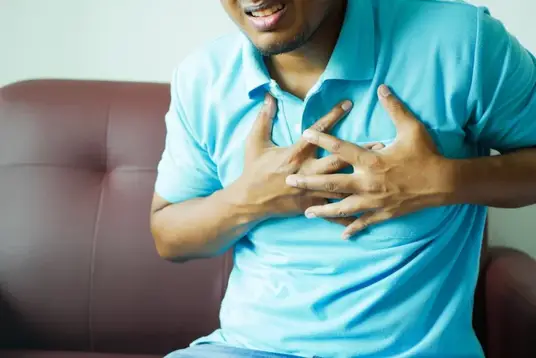
6. Druck auf der Brust
Ein häufiges Symptom eines Herzinfarkts ist ein Druckgefühl in der Brust . Dieser Druck steigt ständig an, bis der Anfall selbst eintritt.
7. Geschwollene Füße
Bei einer Herzinsuffizienz verlieren eine oder beide unteren Herzkammern ihre Fähigkeit, Blut effektiv zu pumpen. Infolgedessen kann sich das Blut in Ihren Beinen, Knöcheln und Füßen stauen und Ödeme verursachen.
Wenn Sie mehr über Herzinfarkte und einige der Symptome erfahren möchten, die dieser Erkrankung vorausgehen, schauen Sie sich das folgende Video an, in dem Dr. Travis Stork über die Symptome eines Herzinfarkts spricht.
Sehen Sie sich außerdem ein weiteres nützliches Video zur Demonstration von Husten bei Herzinfarkt (Selbsthilfe) an.
Bitte TEILEN Sie diesen Artikel mit Ihrer Familie und Ihren Freunden auf Facebook! Wer weiß, vielleicht helfen diese Videos, ein Leben zu retten.
Gelangweilter Papa
Liebe und Frieden
*Haftungsausschluss: Bitte überprüfen Sie die Fakten mit Ihrem Arzt, bevor Sie aufgrund der bereitgestellten Informationen handeln .
🚩 19 Possible Signs of Cancer: When to See a Doctor
You know your body better than anyone.
And while routine screenings (like mammograms, colonoscopies, and Pap smears) are the best way to catch cancer early, it’s also important to pay attention to changes — especially ones that are new, persistent, or unexplained.
The American Cancer Society and oncologists agree:
Some cancers do cause symptoms — but they’re often subtle and easy to miss.
Let’s explore 19 possible warning signs that warrant a conversation with your doctor — not panic, but awareness and action.
🧠 Why Awareness Matters
Cancer symptoms vary widely depending on type and location, but certain red flags appear across multiple forms of the disease.
🔍 The key is not to self-diagnose — but to recognize when something isn’t right and seek medical advice.
🔔 19 Possible Signs That Warrant Medical Attention
- Unexplained Weight Loss
- Losing 10+ pounds without trying
- Pancreas, stomach, lung, or esophagus cancers
- 🩺 Always investigate unexplained weight loss.
- Fever That Won’t Go Away
- Persistent low-grade fever
- May indicate blood cancers like leukemia or lymphoma
- ✅ Especially if no infection is present.
- Extreme Fatigue
- Tiredness that doesn’t improve with rest
- Linked to colon cancer, leukemia, others
- 💤 Deep, constant exhaustion.
- Pain That Persists
- Back pain (pancreatic cancer)
- Bone pain (bone or metastatic cancer)
- Headaches that worsen (brain tumors)
- ✅ Needs medical evaluation.
- Skin Changes
- Yellowing (liver or pancreatic cancer)
- Darkening (adrenal or liver issues)
- Redness/sores that don’t heal (skin cancer)
- 🌞 See a dermatologist.
- Change in Bowel or Bladder Habits
- Diarrhea, constipation, bleeding (colon cancer)
- Painful urination, blood in urine (bladder/prostate)
- ✅ Don’t assume it’s a minor infection.
- Sores That Don’t Heal
- Mouth sores, skin ulcers, vaginal sores lasting weeks
- Possible oral, skin, or cervical cancer.
- White Patches in the Mouth (Leukoplakia)
- Thick, white patches on tongue/cheeks
- Pre-cancerous, esp. in tobacco users
- 🚨 See a doctor.
- Unusual Bleeding or Discharge
- Blood in stool, urine, sputum
- Vaginal bleeding after menopause
- Nipple discharge (esp. bloody)
- ❗ Always abnormal.
- Lump or Thickening
- Breast, testicle, neck, or soft tissue
- Imaging or biopsy needed
- ✅ Self-checks help, but screenings save lives.
- Indigestion or Trouble Swallowing
- Persistent heartburn, food “stuck”
- Possible esophageal or throat cancer
- 🍽️ If >2–3 weeks, see doctor.
- Nagging Cough or Hoarseness
- Chronic cough, hoarseness >2 weeks
- May indicate lung, throat, thyroid cancer.
- Neurological Changes
- Headaches with vomiting/vision changes
- Seizures, confusion, balance issues
- 🧠 Possible brain tumor.
- Swollen Lymph Nodes
- Persistent lumps in neck, armpit, groin
- Could be lymphoma or metastatic cancer
- ✅ Often infection, but check if lasting.
- Night Sweats
- Drenching sweats not linked to heat/menopause
- Common in lymphoma, blood cancers.
- Changes in a Mole
- Asymmetry, irregular borders, color change, >6mm, evolving
- The ABCDE rule for melanoma
- 📸 Take photos to track changes.
- Abdominal Swelling or Bloating
- Persistent bloating in women
- Possible ovarian cancer
- ✅ Get checked if >2 weeks.
- Loss of Appetite
- Sudden disinterest in food
- Often linked to stomach, ovarian, pancreatic cancer.
- Easy Bruising or Bleeding
- Unexplained bruises, nosebleeds, gum bleeding
- Can indicate blood cancers or disorders
- 🩸 Especially if new.
✅ What You Can Do to Protect Yourself
- Get recommended screenings (mammograms, colonoscopies, Pap tests, skin checks)
- Know your family history
- See a doctor for persistent symptoms
- Don’t smoke or use tobacco
- Limit alcohol
- Eat well, move daily, manage stress
🚫 What NOT to Do
- Don’t Google symptoms and panic
- Don’t delay care because of fear
- Don’t skip screenings — many cancers have no early signs
Final Thoughts
Your body speaks in whispers.
A cough that won’t quit.
A lump you didn’t notice before.
Weight loss you didn’t try for.
These aren’t always cancer — but they are warnings.
👉 Don’t ignore them. Talk to your doctor.
Early detection isn’t just helpful — it can be life-saving.
And you’re worth the care.
12 signs that may signal a brain aneurysm — Don’t ignore them
Identifying the early warning signs of a brain aneurysm can be extremely difficult, yet doctors and health organizations continue to stress the importance of awareness. Because this condition can be life-threatening if left undetected, knowing the potential symptoms could save lives.
What Is a Brain Aneurysm?
According to the Mayo Clinic, a brain aneurysm occurs when a weak spot in a blood vessel inside the brain balloons outward, creating a bulge that often resembles “a berry hanging on a stem.”
While some aneurysms remain stable and never rupture, the danger arises when they begin to leak or burst, causing bleeding into the brain. This event—known as a hemorrhagic stroke—most often occurs in the narrow space between the brain and the thin membranes covering it. Doctors call this type of bleeding a subarachnoid hemorrhage, and it can be fatal if not treated immediately.
Symptoms to Watch For
The Brain Aneurysm Foundation explains that one of the earliest warning signs of a ruptured or leaking aneurysm is often an intense, sudden headache, frequently described by patients as “the worst headache of my life.”
However, a ruptured or leaking aneurysm can present with a wide range of other symptoms, including:
- Sudden and severe headache
- Blurred or double vision
- Confusion or difficulty concentrating
- A drooping eyelid
- A dilated pupil in one eye
- Pain around or behind the eye
- Stiffness in the neck
- Sensitivity to light
- Nausea and vomiting
- Seizures
- Weakness or numbness on one side of the body
- Loss of consciousness or fainting
It is important to note that not everyone will experience all of these symptoms. However, if several appear at once—particularly the sudden severe headache—seeking immediate emergency care is critical. Experts strongly advise not driving yourself to the hospital. Instead, call an ambulance or have someone else drive you.
Sentinel Bleeds: A Crucial Warning
Doctors warn that sometimes an aneurysm doesn’t rupture fully at first but instead begins to leak small amounts of blood into the brain. This event is called a sentinel bleed.
The hallmark symptom is a headache that begins suddenly and persists for days without relief. Many patients ignore this or confuse it with a migraine. Unfortunately, delaying treatment can increase the risk of a catastrophic rupture. Seeking medical help at the first sign of a sentinel bleed can be lifesaving.
Who Is at Risk?
The exact cause of why brain aneurysms form remains unclear, but researchers have identified several risk factors:
- Age and gender: Older adults and women are statistically more likely to develop aneurysms.
- Lifestyle factors: Heavy smoking, excessive alcohol use, and drug abuse can weaken blood vessel walls, increasing risk.
- Medical conditions: High blood pressure is a major contributing factor.
- Trauma and infections: Head injuries or certain bloodstream infections can also lead to aneurysm formation.
- Genetics: In some cases, people are born with aneurysms due to inherited weaknesses in blood vessels.
The Importance of Awareness
Although brain aneurysms are relatively rare, their consequences are devastating. The Brain Aneurysm Foundation reports that early detection and intervention significantly improve survival rates. Treatments can include surgical clipping, endovascular coiling, or other minimally invasive procedures designed to stabilize the aneurysm and prevent rupture.
Raising awareness is vital because the early signs are often overlooked or mistaken for more common conditions like migraines. Understanding the symptoms—and acting immediately when they appear—may save a life.
✨ Bottom line: Brain aneurysms are silent threats, often without warning until it is too late. But knowing the signs—especially sudden severe headaches, vision changes, and neurological symptoms—can make all the difference. Early recognition, swift medical attention, and better public awareness are key to preventing tragedy.
Bioengineered Heart Patch Could Transform Treatment for Heart Failure
Los Angeles, CA — A new frontier in regenerative medicine is emerging as scientists develop bioengineered heart patches designed to repair cardiac tissue damaged by heart attacks. Unlike stem cell injections, which often fail to remain in place, these patches are made of living muscle cells attached to biodegradable scaffolds, integrating seamlessly into the heart and restoring its natural rhythm.
Promising Early Results
In preclinical studies, these patches have shown remarkable benefits. When placed on injured heart tissue, they not only improved overall heart function but also reduced scarring and stimulated new blood vessel growth. The patches effectively became part of the heart itself, syncing with its beat and supporting long-term healing.
The Role of 3D Printing
To advance precision, researchers have also turned to 3D printing technologies. One version, known as the Reinforced Cardiac Patch (RCPatch), was successfully tested in pig hearts. Built from a polymer scaffold filled with heart muscle cells, the patch endured natural blood pressures while encouraging regeneration. This innovation opens the door to tailored patches that can fit a patient’s unique cardiac anatomy.
From Lab to Clinic
A team at University Medical Center Göttingen has already tested muscle patches derived from reprogrammed blood cells in monkeys and even a human patient. Early findings were encouraging, with improvements in heart function, thicker heart walls, and evidence of new muscle growth three months after implantation.
Looking Ahead
While these advances are exciting, scientists caution that several challenges remain: ensuring the long-term survival of transplanted cells, creating strong blood supply networks, and managing immune responses. Larger clinical trials will be essential before these patches can become a standard therapy.
A New Era in Cardiac Care
If successful, bioengineered heart patches could change the future of heart failure treatment—moving beyond symptom management to true repair. Millions of patients worldwide could gain new hope, as regenerative medicine pushes the boundaries of what’s possible in healing the human heart.