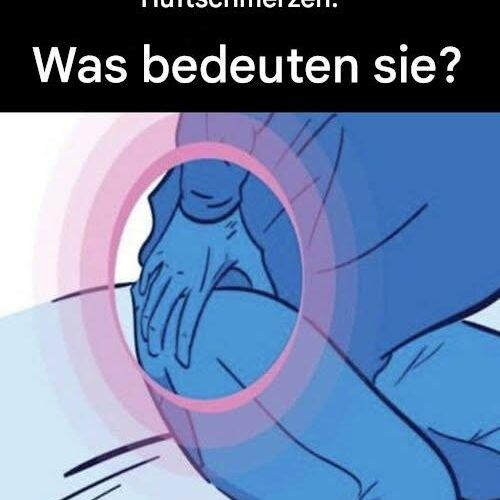
Hüftschmerzen: Was sie wirklich bedeuten, häufige Ursachen und wann Sie Hilfe suchen sollten
Fühlt sich das Treppensteigen wie ein täglicher Kampf an?
Wachen Sie mit Steifheit in der Hüfte auf, die Minuten – oder Stunden – braucht, um sich zu lösen?
Du bildest es dir nicht ein.
Hüftschmerzen sind mehr als nur ein Zeichen des Alterns. Sie sind ein Signal Ihres Körpers – eines, das auf Verschleiß, Überbeanspruchung oder sogar eine Grunderkrankung hinweisen kann. Und während Hüftprobleme früher nur ältere Erwachsene betrafen, treten sie heute auch bei aktiven Menschen im Alter von 35 bis 40 Jahren auf und stehen oft im Zusammenhang mit Sport, wiederholten Bewegungen oder frühzeitiger Gelenkdegeneration.
Lassen Sie uns untersuchen, was Hüftschmerzen wirklich bedeuten, was die häufigsten Ursachen sind und wie Sie Ihre Mobilität schützen können – unabhängig von Ihrem Alter.
🧠 Was sind Hüftschmerzen?
Hüftschmerzen sind Beschwerden im oder um das Hüftgelenk, wo der Oberschenkelknochen auf das Becken trifft. Schmerzen können auch aus benachbarten Bereichen wie dem unteren Rücken, der Leiste oder dem Knie ausstrahlen.
- Vorne (Leistengegend): Hüftgelenk, Labrumriss, Arthritis
- Seite (äußere Hüfte): Schleimbeutelentzündung, Sehnenentzündung (z. B. IT-Band)
- Rücken (Gesäß): Ischialgie, Piriformis-Syndrom, Iliosakralgelenksbeschwerden
- Übertragener Schmerz: Probleme im unteren Rücken (Bandscheibenvorfall)
✅ Die Identifizierung der Schmerzstelle hilft, die Ursache einzugrenzen.
🔍 Häufige Ursachen für Hüftschmerzen
- Osteoarthritis (Verschleiß des Hüftgelenks)
- Häufigste Ursache für chronische Hüftschmerzen
- Knorpelabbau, was zu Steifheit, Knirschen und Schmerzen führt
- Schlimmer am Morgen oder nach dem Sitzen
- Betrifft oft Menschen über 50, kann aber nach Verletzungen auch früher beginnen
- Schleimbeutelentzündung der Hüfte
- Entzündung der flüssigkeitsgefüllten Schleimbeutel, die die Hüfte abpolstern
- Ausgelöst durch Überbeanspruchung, zu langes Stehen oder wiederholte Bewegungen
- Schmerzen an der Außenseite der Hüfte, schlimmer nachts oder beim Liegen auf der Seite
- Labrumriss
- Riss im Knorpelring (Labrum) der Hüftpfanne
- Verursacht durch Sport oder wiederholtes Verdrehen
- Symptome: Klicken, Steifheit, Leistenschmerzen
- Sehnenentzündung (Gluteus oder Iliopsoas)
- Entzündung der Sehnen um die Hüfte
- Verursacht durch Überbeanspruchung oder plötzliche Aktivitätssteigerung
- Die Schmerzen bessern sich durch Ruhe, kehren aber bei Bewegung zurück
- Ischias und Nervenschmerzen
- Kompression des Ischiasnervs, oft durch einen Bandscheibenvorfall
- Der Schmerz beginnt im unteren Rücken und strahlt ins Bein aus
- Kann Kribbeln, Taubheit oder Schwäche verursachen
- Hüftbeugerzerrung
- Überdehnung oder Zerrung der Muskeln, die das Bein anheben
- Häufig bei Sportlern oder Personen mit verspannten Hüftbeugern durch Sitzen
- Scharfer Schmerz an der Vorderseite der Hüfte
- Femoroacetabuläres Impingement (FAI)
- Abnormes Knochenwachstum verursacht Reibung im Hüftgelenk
- Kann zu Labrumrissen und früher Arthritis führen
- Betrifft häufig junge, aktive Erwachsene
🚨 Wann Sie einen Arzt aufsuchen sollten
Suchen Sie einen Arzt auf, wenn Sie:
- Schmerzen, die länger als 1–2 Wochen anhalten
- Schmerzen in der Nacht oder in der Ruhe
- Steifheit, die die Bewegung einschränkt
- Schwellung, Rötung oder Wärme im Hüftbereich
- Knallen, Blockieren oder Instabilität
- Hinken oder Schwierigkeiten beim Tragen von Gewicht
🩺 Eine frühzeitige Diagnose kann Langzeitschäden verhindern – und manchmal eine Operation verzögern oder vermeiden.
✅ So unterstützen Sie die Gesundheit Ihrer Hüfte
- Bleiben Sie aktiv: Spazierengehen, Schwimmen, Radfahren
- Täglich dehnen: insbesondere Hüftbeuger, Gesäßmuskeln, Oberschenkelrückseiten
- Stärkung von Rumpf und Gesäß: Brücken, Clamshells, Kniebeugen
- Halten Sie ein gesundes Gewicht: Reduziert den Druck auf die Hüften
- Tragen Sie Schuhe mit guter Dämpfung: Die Dämpfung verringert die Belastung
- Vermeiden Sie langes Sitzen: Stehen Sie alle 30–60 Minuten auf und bewegen Sie sich
- Probieren Sie Yoga oder Pilates: baut Beweglichkeit und Kraft auf
🛠️ Behandlungsmöglichkeiten
- Physiotherapie: Verbessert Kraft und Flexibilität
- NSAR: Linderung von Entzündungen und Schmerzen
- Kortikosteroid-Injektionen: bei schwerer Schleimbeutelentzündung oder Arthritis-Schüben
- Regenerative Therapien: PRP oder Stammzelleninjektionen (noch im Entstehen)
- Operation: Hüftersatz oder -reparatur in fortgeschrittenen Fällen
Vielen Menschen geht es auch ohne Operation besser – vor allem bei frühzeitigem Eingreifen.
Abschließende Gedanken
Hüftschmerzen sind nichts, womit man einfach „leben“ muss.
Egal, ob Sie 40 oder 70 sind, aktiv sind oder einfach nur das tägliche Leben genießen möchten, Ihre Hüften verdienen Pflege.
Wenn das Bücken, Gehen oder Schlafen unangenehm wird, ignorieren Sie es nicht.
Beginnen Sie mit einfachen Schritten:
- Strecken
- Stärken
- Bewegen Sie sich bewusst
👉 Und wenn die Schmerzen anhalten, suchen Sie einen Arzt oder Physiotherapeuten auf.
Denn bei wahrer Mobilität geht es nicht darum, Schmerzen zu überwinden – es geht darum, zuzuhören, zu heilen und sich mit Leichtigkeit zu bewegen.
No More Fine Lines Thanks To Clove Orange Anti-Aging Oil
As we age, our skin begins to show the effects of time, often leading to wrinkles, fine lines, and dullness. Enter clove orange anti-aging oil—a natural, gentle alternative that has been gaining popularity for its ability to restore youthful radiance and fight signs of aging.
In this article, we will explore the skincare benefits of using clove orange anti-aging oil, share some effective remedies for topical use, and show you how this oil blend can become a game-changer in your beauty routine.
Whether you are looking to reduce wrinkles, improve skin texture, or simply add a natural glow, this amazing oil is here to help.
1. The Power of Clove and Orange in Skincare
Clove Oil
Clove oil is packed with eugenol, a compound that has potent antioxidant and anti-inflammatory properties. These benefits help protect the skin from damage caused by free radicals, which can lead to premature aging. Eugenol also helps reduce redness, calm irritation, and prevent acne breakouts. Additionally, clove oil has antiseptic qualities, making it an excellent choice for skin that needs extra care.
Orange Oil
Orange essential oil is rich in vitamin C, which plays a crucial role in collagen production and skin rejuvenation. Collagen is a protein that keeps the skin firm and elastic, and as we age, our collagen production decreases. The vitamin C in orange oil helps stimulate collagen synthesis, reducing the appearance of wrinkles and fine lines. Orange oil also has a brightening effect, helping to even out skin tone and restore a youthful glow.
2. Topical Benefits of Using Clove Orange Anti-Aging Oil
- Reduces Fine Lines and Wrinkles: The antioxidant properties of both clove and orange oils help fight oxidative stress, smoothing out fine lines and wrinkles.
- Boosts Collagen Production: Vitamin C in orange oil stimulates collagen production, while eugenol in clove oil helps protect collagen from breaking down.
- Evens Skin Tone: Helps brighten complexion and reduce dark spots or hyperpigmentation.
- Improves Skin Elasticity: Promotes collagen and elastin production, keeping the skin firm and youthful.
- Hydrates and Softens Skin: Both oils provide moisture, maintaining a healthy balance and smooth appearance.
3. Effective Remedies Using Clove Orange Anti-Aging Oil 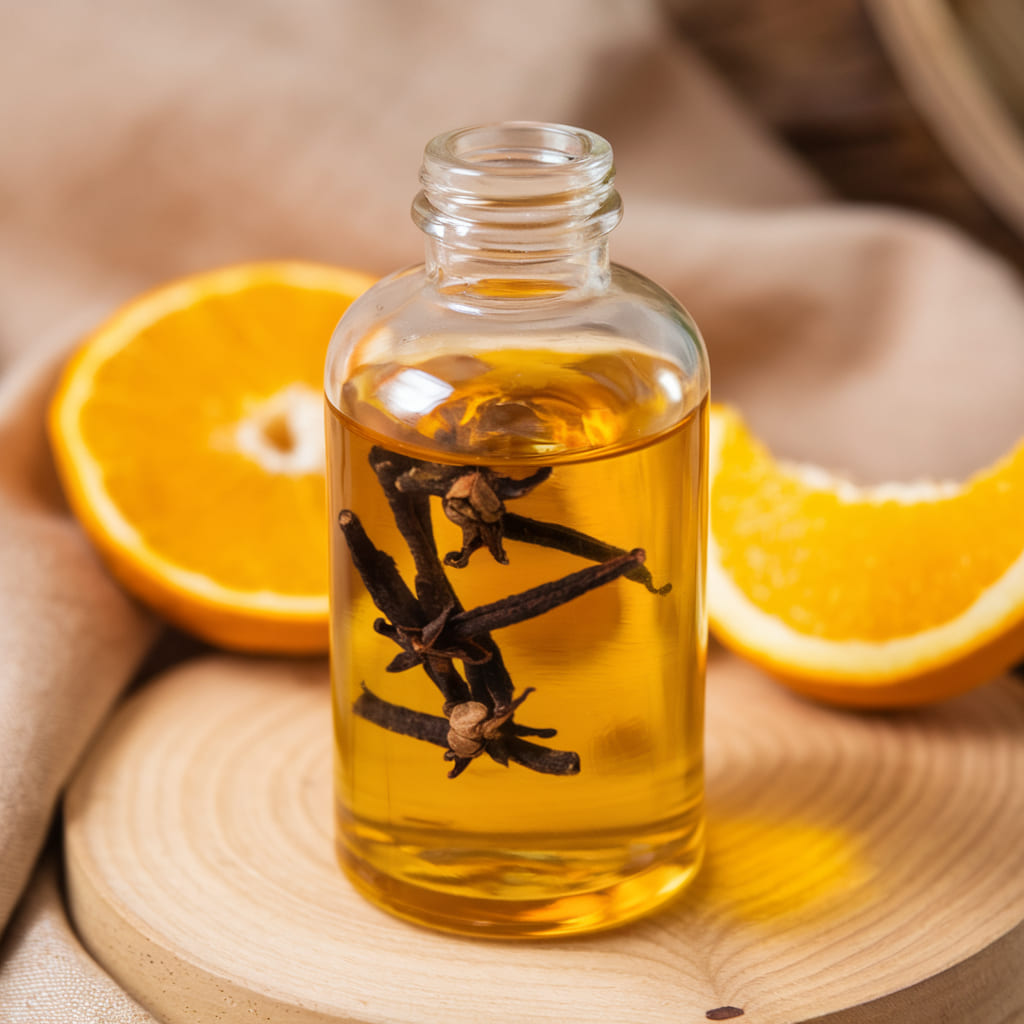
Clove Orange Anti-Aging Facial Serum
- Ingredients:
- 2 tablespoons jojoba oil (or another carrier oil)
- 10 drops clove essential oil
- 10 drops orange essential oil
- Instructions:
- Mix all oils in a glass dropper bottle.
- Shake gently to combine.
- After cleansing, apply 3–4 drops to face and neck.
- Massage upward, focusing on wrinkle-prone areas.
Clove Orange Anti-Aging Face Mask
- Ingredients:
- 1 tablespoon raw honey
- 1 tablespoon yogurt
- 5 drops clove essential oil
- 5 drops orange essential oil
- Instructions:
- Mix honey and yogurt until smooth.
- Add essential oils and stir.
- Apply to face, avoiding eyes.
- Leave for 15–20 minutes, then rinse with warm water.
This mask helps tighten and brighten skin while reducing wrinkles.
4. Additional Tips for Maximizing Benefits
- Massage Techniques: Use gentle upward strokes to improve circulation and absorption.
- Always Dilute: Essential oils must be diluted with carrier oils to avoid irritation.
- Patch Test: Test on a small skin area before applying to face.
- Stay Consistent: Natural remedies require regular use for visible results.
5. Disclaimer
This content is for informational purposes only and not a substitute for professional skincare advice. Consult a healthcare provider if you experience irritation or have underlying conditions.
✨ Whether used as a serum, face mask, or spot treatment, clove orange anti-aging oil offers a natural, effective way to combat the signs of aging. Your skin will thank you!
Age 40 Is the Decisive Point for Life Expectancy:
If You Have These 4 Sleep Signs, It Indicates Shorter Lifespan and More Diseases
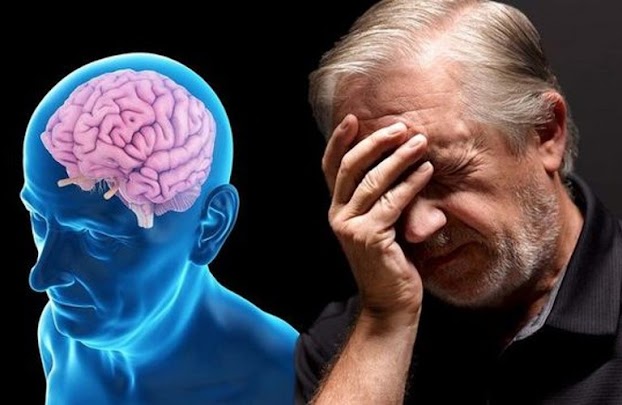
Age 40: A Turning Point in Life
The age of 40 marks a major turning point in every person’s life. Financially, each individual may experience ups and downs, but in terms of health, no one can escape the natural rule of birth – aging – illness – death.
At 40, the human body begins a comprehensive aging process. One of the first noticeable changes is sleep quality. Due to aging, sleep becomes less deep and more fragmented. This is largely because melatonin levels — the hormone that regulates sleep — begin to decline.
Another reason people over 40 often face sleep problems is the onset of serious health conditions such as cerebral infarction (stroke), esophageal disorders, and cardiovascular diseases. These illnesses can be extremely dangerous. Ignoring early warning signs may lead to disability or even death.
4 Sleep-Related Warning Signs of Shorter Life Expectancy and Disease
1. Severe Headaches During Sleep: Possible Sign of Cerebral Infarction
Before a stroke occurs, severe headaches may appear, especially during sleep. Sometimes, the pain is strong enough to wake you up. Additional symptoms may include seizures, nausea, and vomiting. If these symptoms are new or worsening, immediate medical attention is necessary.
2. Bitter Taste or Burping at Night: Possible Sign of Acid Reflux
After 40, if you frequently wake up with a bitter taste in the mouth, belching, or acid reflux, it may be due to gastroesophageal reflux disease (GERD). When lying down, stomach acid can easily move up into the esophagus, leaving a sour or bitter taste in the mouth.
3. Waking Up With Chest Pain: Possible Sign of Myocardial Infarction (Heart Attack)
A heart attack occurs when a blood clot blocks a coronary artery, cutting off blood supply to the heart muscle. This can cause part of the heart to die and may even lead to sudden cardiac arrest.
If you often feel chest tightness, unusual fatigue, shortness of breath, or pain in the arm, jaw, or stomach, you should seek urgent medical care.
4. Numbness or Leg Cramps at Night: Possible Vascular Disease
If you often experience numbness, cramps, or aching legs while sleeping, it could be a warning sign of vascular problems. Since the legs are the farthest from the heart, any blood flow obstruction will first affect them. These could be early signs of atherosclerosis or arterial narrowing.
Important Health Reminders After Age 40
- Sleep well: Aim for adequate, restful sleep and avoid staying up late.
- Avoid smoking and drinking alcohol before bedtime.
- Exercise moderately about 30 minutes after dinner to improve sleep quality.
- Treat chronic illnesses actively to prevent complications and improve overall health.
How the Body Changes After Age 40
- Metabolism slows down: Weight gain becomes easier, muscle mass decreases, while body fat increases — especially around the abdomen.
- Skin and bones age: Collagen decreases, leading to sagging skin, wrinkles, and age spots. Bones lose density, increasing the risk of osteoporosis.
- Hormonal changes: Women face decreased estrogen, signaling perimenopause with symptoms like hot flashes and irritability. Men experience declining testosterone, reducing vitality.
- Heart and memory issues: Higher risk of high blood pressure, high cholesterol, and cardiovascular diseases. Memory and concentration also decline gradually.
Conclusion
Turning 40 is a milestone filled with significant physical and mental changes. However, by maintaining a healthy lifestyle, exercising regularly, and eating well, we can still protect our health and enjoy an active, fulfilling life.
🚩 19 Possible Signs of Cancer: When to See a Doctor
You know your body better than anyone.
And while routine screenings (like mammograms, colonoscopies, and Pap smears) are the best way to catch cancer early, it’s also important to pay attention to changes — especially ones that are new, persistent, or unexplained.
The American Cancer Society and oncologists agree:
Some cancers do cause symptoms — but they’re often subtle and easy to miss.
Let’s explore 19 possible warning signs that warrant a conversation with your doctor — not panic, but awareness and action.
🧠 Why Awareness Matters
Cancer symptoms vary widely depending on type and location, but certain red flags appear across multiple forms of the disease.
🔍 The key is not to self-diagnose — but to recognize when something isn’t right and seek medical advice.
🔔 19 Possible Signs That Warrant Medical Attention
- Unexplained Weight Loss
- Losing 10+ pounds without trying
- Pancreas, stomach, lung, or esophagus cancers
- 🩺 Always investigate unexplained weight loss.
- Fever That Won’t Go Away
- Persistent low-grade fever
- May indicate blood cancers like leukemia or lymphoma
- ✅ Especially if no infection is present.
- Extreme Fatigue
- Tiredness that doesn’t improve with rest
- Linked to colon cancer, leukemia, others
- 💤 Deep, constant exhaustion.
- Pain That Persists
- Back pain (pancreatic cancer)
- Bone pain (bone or metastatic cancer)
- Headaches that worsen (brain tumors)
- ✅ Needs medical evaluation.
- Skin Changes
- Yellowing (liver or pancreatic cancer)
- Darkening (adrenal or liver issues)
- Redness/sores that don’t heal (skin cancer)
- 🌞 See a dermatologist.
- Change in Bowel or Bladder Habits
- Diarrhea, constipation, bleeding (colon cancer)
- Painful urination, blood in urine (bladder/prostate)
- ✅ Don’t assume it’s a minor infection.
- Sores That Don’t Heal
- Mouth sores, skin ulcers, vaginal sores lasting weeks
- Possible oral, skin, or cervical cancer.
- White Patches in the Mouth (Leukoplakia)
- Thick, white patches on tongue/cheeks
- Pre-cancerous, esp. in tobacco users
- 🚨 See a doctor.
- Unusual Bleeding or Discharge
- Blood in stool, urine, sputum
- Vaginal bleeding after menopause
- Nipple discharge (esp. bloody)
- ❗ Always abnormal.
- Lump or Thickening
- Breast, testicle, neck, or soft tissue
- Imaging or biopsy needed
- ✅ Self-checks help, but screenings save lives.
- Indigestion or Trouble Swallowing
- Persistent heartburn, food “stuck”
- Possible esophageal or throat cancer
- 🍽️ If >2–3 weeks, see doctor.
- Nagging Cough or Hoarseness
- Chronic cough, hoarseness >2 weeks
- May indicate lung, throat, thyroid cancer.
- Neurological Changes
- Headaches with vomiting/vision changes
- Seizures, confusion, balance issues
- 🧠 Possible brain tumor.
- Swollen Lymph Nodes
- Persistent lumps in neck, armpit, groin
- Could be lymphoma or metastatic cancer
- ✅ Often infection, but check if lasting.
- Night Sweats
- Drenching sweats not linked to heat/menopause
- Common in lymphoma, blood cancers.
- Changes in a Mole
- Asymmetry, irregular borders, color change, >6mm, evolving
- The ABCDE rule for melanoma
- 📸 Take photos to track changes.
- Abdominal Swelling or Bloating
- Persistent bloating in women
- Possible ovarian cancer
- ✅ Get checked if >2 weeks.
- Loss of Appetite
- Sudden disinterest in food
- Often linked to stomach, ovarian, pancreatic cancer.
- Easy Bruising or Bleeding
- Unexplained bruises, nosebleeds, gum bleeding
- Can indicate blood cancers or disorders
- 🩸 Especially if new.
✅ What You Can Do to Protect Yourself
- Get recommended screenings (mammograms, colonoscopies, Pap tests, skin checks)
- Know your family history
- See a doctor for persistent symptoms
- Don’t smoke or use tobacco
- Limit alcohol
- Eat well, move daily, manage stress
🚫 What NOT to Do
- Don’t Google symptoms and panic
- Don’t delay care because of fear
- Don’t skip screenings — many cancers have no early signs
Final Thoughts
Your body speaks in whispers.
A cough that won’t quit.
A lump you didn’t notice before.
Weight loss you didn’t try for.
These aren’t always cancer — but they are warnings.
👉 Don’t ignore them. Talk to your doctor.
Early detection isn’t just helpful — it can be life-saving.
And you’re worth the care.