
Nelken werden seit Jahrhunderten geschätzt – nicht nur als Gewürz, das Speisen Wärme und Tiefe verleiht, sondern auch als natürliches Heilmittel gegen Zahnschmerzen, Verdauungsstörungen und sogar zur Stärkung des Immunsystems. Heute kauen viele Menschen Nelken als schnelles Hausmittel gegen Mundgeruch oder Magenbeschwerden. Doch hier liegt der Haken: Falsche Anwendung von Nelken kann mehr schaden als nützen .
Aktuelle Studien zeigen, dass Nelken zwar reich an Antioxidantien und wohltuenden Ölen sind, unsachgemäßer Gebrauch jedoch zu Mundreizungen, Verdauungsproblemen und sogar Leberproblemen führen kann. Tatsächlich ist das falsche Kauen von Nelken einer der häufigsten Fehler, die Menschen machen, wenn sie von ihren gesundheitlichen Vorteilen profitieren möchten. In diesem Artikel decken wir den häufigsten Fehler beim Nelkenkauen auf, erklären die Risiken und wie Sie Nelken sicher und gesundheitsschonend verwenden können.
Was macht Nelken so kraftvoll?
Gewürznelken werden aus den getrockneten Blütenknospen des Syzygium aromaticum- Baums gewonnen und sind reich an Wirkstoffen. Der wichtigste davon ist Eugenol , ein ätherisches Öl, das den Gewürznelken ihr unverwechselbares Aroma und ihre starken medizinischen Eigenschaften verleiht.
Zu den gesundheitlichen Vorteilen von Gewürznelken gehören:
- Natürliches Antiseptikum für die Mundgesundheit
- Verbessert die Verdauung durch Stimulierung der Enzymsekretion
- Enthält Antioxidantien, die oxidativen Stress bekämpfen
- Kann in kleinen Mengen die Gesundheit der Leber unterstützen
- Wirkt als mildes Schmerzmittel bei Zahnschmerzen und Halsschmerzen
Klingt nach einem Supergewürz, oder? Ja – aber nur bei richtiger Anwendung.
Der größte Fehler: Zu viele Zehen auf einmal kauen
Viele Menschen glauben, dass „mehr besser ist“ und kauen täglich mehrere Zehen, weil sie glauben, dass sie dadurch schnellere Ergebnisse für die Verdauung, das Immunsystem oder einen frischen Atem erzielen. Leider ist dies ein gefährlicher Irrtum.
Warum es riskant ist:
- Hohe Eugenolkonzentration : Überschüssiges Eugenol kann die Mundschleimhaut reizen, ein Brennen im Hals verursachen oder den Magen verstimmen.
- Lebertoxizität : Große Mengen Eugenol werden in Tier- und Humanstudien mit Leberschäden in Verbindung gebracht.
- Erhöhtes Blutungsrisiko : Eugenol verlangsamt die Blutgerinnung, daher kann eine übermäßige Anwendung für Personen, die Blutverdünner einnehmen oder sich auf eine Operation vorbereiten, riskant sein.
- Allergische Reaktionen : Bei manchen Menschen können durch Nelkenölrückstände Hautausschläge oder Schwellungen auftreten.
Fazit : Zu viele Zehen zu kauen ist nicht nur unangenehm, sondern kann auch Ihre allgemeine Gesundheit gefährden.
Wie man Nelken sicher kaut
Wenn Sie die gesundheitlichen Vorteile von Nelken ohne Nebenwirkungen genießen möchten, sind Mäßigung und Technik entscheidend.
Richtlinien für die sichere Verwendung:
- Beschränken Sie sich auf 1–2 Zehen pro Tag – genug, um den Atem zu erfrischen und die Verdauung zu unterstützen.
- Vorsichtig kauen, nicht zu stark zerdrücken – das verhindert eine übermäßige Freisetzung von Eugenol.
- Spucken Sie die holzigen Rückstände aus – vermeiden Sie das Verschlucken der harten Ballaststoffe, da diese die Verdauung reizen können.
- Nach den Mahlzeiten anwenden – Nelken stimulieren die Verdauungsenzyme und helfen, Blähungen zu reduzieren.
- Vermeiden Sie die Einnahme auf nüchternen Magen – konzentrierte Öle können Übelkeit verursachen.
Sicherere Alternativen zum übermäßigen Kauen
- Nelkentee : Lassen Sie 2–3 Nelken in heißem Wasser ziehen, um ein sanftes Verdauungsgetränk zu erhalten.
- Nelkenpulver in Honig : Ein traditionelles Heilmittel gegen Halsschmerzen.
- Mit Nelken angereichertes Öl : Zur Linderung von Zahnschmerzen äußerlich (verdünnt) anwenden.
Wer sollte besonders vorsichtig sein?
Nicht jeder kann sicher mit Nelken umgehen. Wenn Sie zu einer dieser Gruppen gehören, sprechen Sie mit einem Arzt, bevor Sie regelmäßig Nelken kauen:
- Personen, die Blutverdünner (wie Warfarin oder Aspirin) einnehmen
- Personen mit Lebererkrankungen
- Schwangere oder stillende Frauen
- Kinder unter 12 Jahren (empfindlich gegenüber ätherischen Ölen)
- Menschen mit einer Vorgeschichte von Allergien gegen Gewürze
Alltagstipps für die risikofreie Anwendung von Gewürznelken
- Betrachten Sie Nelken als Nahrungsergänzungsmittel, nicht als Snack .
- Ergänzen Sie das Ganze mit anderen Kräutern wie Kardamom, Zimt oder Fenchel zur Unterstützung der Verdauung.
- Beginnen Sie immer mit einer kleinen Menge, um Ihre Toleranz zu testen.
- Im Zweifelsfall zum Kochen verwenden, statt es roh zu kauen – Currys, Tees und Brühen liefern die Vorteile in sanfteren Dosen.
Abschluss
Nelken sind eines der wirksamsten Gewürze der Natur – doch falsches Kauen kann nach hinten losgehen. Der größte Fehler ist der Verzehr zu vieler Nelken auf einmal , was Leber, Verdauung und Gesundheit gefährden kann. Verwenden Sie Nelken stattdessen mit Bedacht: Kauen Sie nach den Mahlzeiten nur ein oder zwei oder genießen Sie sie als Tee für eine sicherere, ausgewogenere Ernährung.
Häufig gestellte Fragen
F: Kann das Kauen von Nelken wirklich gegen Mundgeruch helfen?
A: Ja, Nelkenöl hat natürliche antibakterielle Eigenschaften, die den Atem erfrischen, aber beschränken Sie sich auf 1–2 Zehen.
F: Ist es sicher, täglich Gewürznelken zu kauen?
A: Ja, in kleinen Mengen (1–2 Zehen), aber vermeiden Sie eine langfristige Überdosierung ohne ärztlichen Rat.
F: Können Nelken graue Haare oder andere gesundheitliche Probleme heilen?
A: Nein. Nelken sind zwar nützlich, aber kein Allheilmittel. Sie sollten Teil eines gesunden Lebensstils sein und keine medizinische Behandlung ersetzen.
Haftungsausschluss : Dieser Artikel dient ausschließlich zu Informationszwecken. Er ersetzt keine professionelle medizinische Beratung. Konsultieren Sie immer einen Arzt, bevor Sie neue Mittel in Ihre Routine aufnehmen.
Unlock the Hidden Magic of Castor Oil: Revitalize Your Skin, Hair, and Health in Just One Week
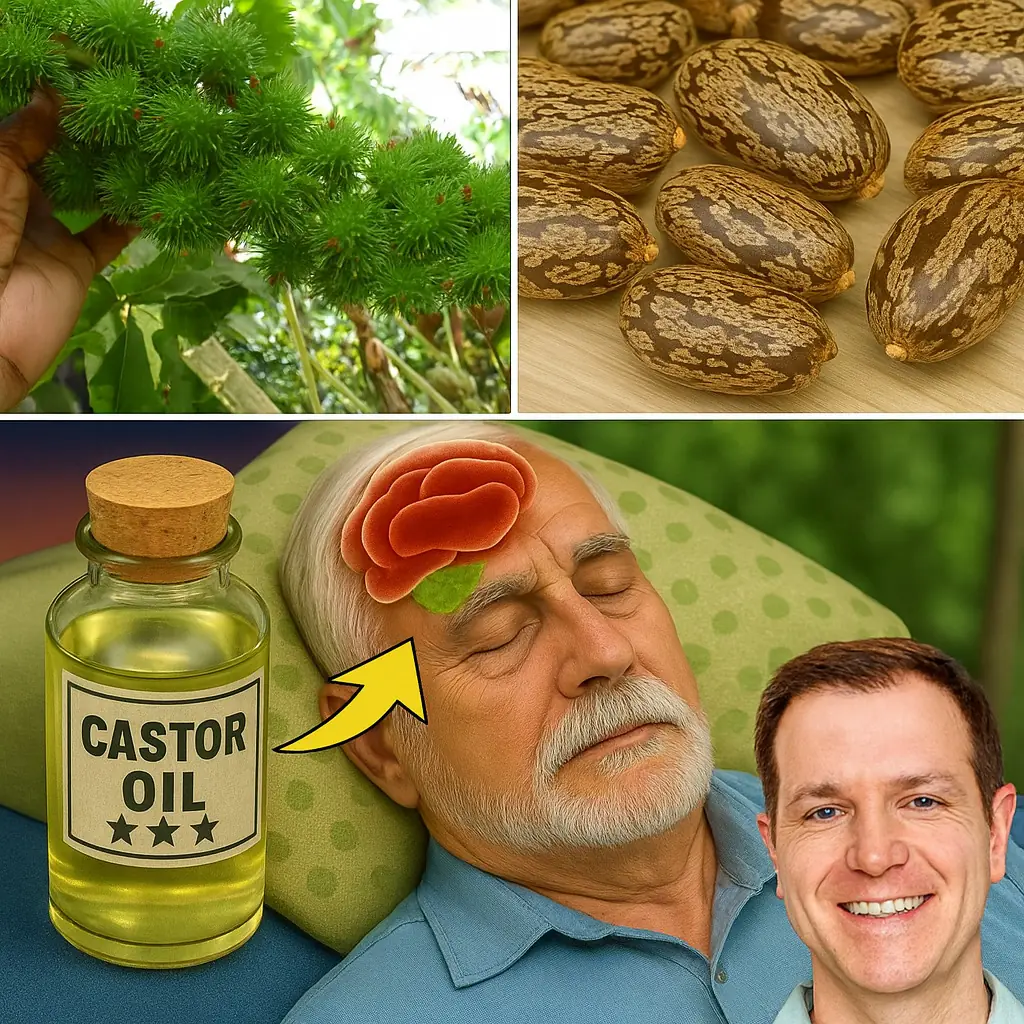
Imagine discovering a single, natural ingredient that could transform your skin, hair, and wellness routine in just seven days. A secret weapon so versatile, so powerful, yet so affordable that it feels almost too good to be true. Meet castor oil—a plant-based elixir with a centuries-old legacy, now captivating health enthusiasts across the globe. Derived from the seeds of the Ricinus communis plant, this golden oil is packed with nourishing compounds that promise to hydrate, soothe, and rejuvenate. Ready to unlock its magic? Dive into this guide to learn how castor oil can elevate your beauty and health game, how to use it safely, and why it’s the must-have addition to your daily routine. What Makes Castor Oil So Special?
Castor oil is no ordinary oil. Extracted from the seeds of the castor plant, native to Africa and India but now cultivated worldwide, this thick, pale-yellow oil is a powerhouse of ricinoleic acid—a unique fatty acid celebrated for its moisturizing, anti-inflammatory, and antimicrobial properties. Unlike the raw seeds, which are toxic, processed castor oil is safe for topical use and even limited internal applications, such as occasional constipation relief. Affordable, natural, and widely available, it’s a staple for anyone seeking a holistic approach to wellness. Whether you’re aiming to hydrate dry skin, add shine to your hair, or support your body’s natural balance, castor oil delivers results that feel like a touch of nature’s magic. ✨ The Transformative Benefits of Castor Oil
Why is castor oil stealing the spotlight? Its nutrient-rich profile and bioactive compounds make it a versatile ally for beauty and health. Here are five game-changing benefits that could redefine your wellness routine in just one week: 🌸 Hydrates and Soothes Skin
Castor oil’s rich fatty acids act like a moisture magnet, locking in hydration and calming dry, irritated skin. Whether you’re battling flaky patches or seeking a dewy glow, this oil delivers a natural, radiant boost. 💆 Nourishes Hair and Scalp
Dreaming of glossy, healthy hair? Castor oil’s nourishing properties penetrate deep into the scalp, reducing dryness and enhancing shine. While claims about hair growth are still under exploration, its ability to strengthen and condition is undeniable. 🚀 Eases Occasional Constipation
Struggling with sluggish digestion? Castor oil is a time-tested, gentle laxative that can stimulate bowel movements for quick, temporary relief when used sparingly. 🛡️ Soothes Inflammation
Got sore joints or muscle discomfort? The oil’s anti-inflammatory properties can work wonders when massaged into aching areas, offering a natural way to ease tension and promote comfort. 🩹 Supports Minor Wound Healing
Castor oil creates a moist environment that may speed up the healing of small cuts, scrapes, or burns, helping your skin recover faster and more effectively. These benefits make castor oil a standout choice, but it’s not a cure-all. For best results, use it as part of a balanced wellness plan, and always consult a professional for serious health concerns. 🧴 How to Use Castor Oil Like a Pro
Ready to make castor oil your new best friend? Incorporating it into your routine is easier than you think, but precision is key to unlocking its full potential. Here are five expert-approved ways to use it safely and effectively: Skin Moisturizer
Blend a teaspoon of castor oil with a carrier oil like jojoba or almond for a lightweight, hydrating mix. Massage it into dry areas like elbows, knees, or even your face for a dewy, nourished glow. Apply nightly to wake up with softer, smoother skin. Hair and Scalp Treatment
Warm one to two tablespoons of castor oil and gently massage it into your scalp and hair. Let it work its magic for 30–60 minutes before shampooing thoroughly. Use this ritual once or twice a week to keep your hair vibrant and your scalp happy. Constipation Relief
For occasional digestive sluggishness, take one to two teaspoons of food-grade castor oil on an empty stomach, but only under a doctor’s guidance. Limit use to avoid discomfort or cramping, and never rely on it as a long-term solution. Joint Soother
Ease sore joints by applying a small amount of castor oil and massaging gently. Cover with a warm cloth for 15–20 minutes to boost absorption and amplify the soothing effects. Perfect for post-workout recovery or daily aches. Lip Balm
Say goodbye to chapped lips! Dab a tiny amount of castor oil onto your lips for instant hydration. For a DIY treat, mix it with beeswax to create a nourishing, portable lip balm. Pro Tip: Always opt for cold-pressed, organic castor oil from trusted brands to ensure purity. Before diving in, perform a patch test by applying a small amount to your inner arm and waiting 24 hours to rule out sensitivities. 🌟 Creative Ways to Make Castor Oil Your Daily Ritual
Transforming your routine with castor oil doesn’t have to feel like a chore. These creative ideas will help you weave it seamlessly into your day, making self-care both effortless and enjoyable: Morning Skin Glow
After your morning cleanse, apply a castor oil blend to your face for a hydrated, radiant start to the day. It’s like a mini spa treatment before your coffee. Evening Hair Pampering
Wind down with a castor oil hair mask. Massage it into your scalp while catching up on your favorite show, then rinse for silky, nourished locks. Post-Shower Moisture Lock
After a shower, massage castor oil into dry heels, hands, or cuticles to seal in moisture. Your skin will feel soft and pampered all day long. Weekend Wellness Boost
Elevate your self-care game by blending castor oil with calming essential oils like lavender or chamomile for a soothing massage. It’s the perfect way to unwind. Travel Companion
Keep a small bottle of castor oil in your bag for on-the-go hydration. Whether it’s dry lips, cracked hands, or flyaway hair, it’s your all-in-one fix. Call to Action: Have you tried castor oil yet? Drop your favorite way to use it in the comments and inspire others to join the journey! 💡 Who Should Try Castor Oil?
Castor oil is a game-changer for a wide range of people, making it a must-have for: Natural Beauty Lovers
If you’re passionate about plant-based, chemical-free solutions, castor oil is your go-to for radiant skin and hair without the hefty price tag. Budget-Savvy Wellness Seekers
At less than $10 for a bottle, castor oil delivers premium results without breaking the bank, perfect for those who want value and quality. Eco-Conscious Individuals
Its natural origins and minimal processing align with sustainable, low-waste lifestyles, making it a planet-friendly choice. Anyone with Dry Skin or Hair
From flaky skin to brittle strands, castor oil’s deep moisturizing properties tackle dryness head-on, leaving you feeling refreshed. If you have sensitive skin, chronic health conditions, or are pregnant, check with a healthcare provider before use to ensure it’s safe for you. ⚠️ Safety First: Precautions for Using Castor Oil
While castor oil is generally safe when used correctly, a little caution goes a long way. Follow these tips to enjoy its benefits without risks: Do a Patch Test
Apply a small amount to your inner arm and wait 24 hours to ensure you don’t have an allergic reaction. Better safe than sorry! Limit Internal Use
For constipation relief, stick to one to two teaspoons daily, and avoid overuse to prevent cramping or electrolyte imbalances. Avoid Long-Term Internal Use
Using castor oil as a laxative for extended periods can lead to dependency, so keep it occasional and doctor-approved. Consult a Professional
If you’re pregnant, breastfeeding, or taking medications like blood thinners, talk to your doctor, as castor oil may have interactions or risks. Watch for Skin Reactions
If you notice redness, itching, or irritation, stop using the oil immediately and seek medical advice if symptoms persist. Pair castor oil with a healthy lifestyle—think proper hydration, balanced nutrition, and regular exercise—for results that truly shine. 🌈 Why Castor Oil Deserves a Spot in Your Routine
In just one week, castor oil can work wonders, delivering hydration, shine, and comfort that elevate your beauty and wellness game. Its natural, time-tested properties make it a standout choice for health-conscious individuals seeking affordable, sustainable solutions. From softening dry skin to adding luster to your hair and supporting occasional digestive needs, this versatile oil fits effortlessly into your life. By using it thoughtfully and consistently, you’ll unlock a world of benefits that feel both luxurious and grounded in nature’s wisdom. Call to Action: Ready to experience the magic of castor oil? Grab a bottle, try these tips, and share this article with a friend to spread the wellness love! Explore more health and beauty secrets on our site for a happier, healthier you. Disclaimer: This article is for informational purposes only and is not a substitute for professional medical advice. Always consult a healthcare provider before making changes to your health routine.
Can Cloves Heal Damaged Lungs? Discover Healing Tea Benefits

Did you know that over 34 million Americans live with chronic lung diseases like COPD or asthma? Breathing struggles can feel overwhelming, but nature might offer some relief. Cloves, those tiny aromatic buds, have been used for centuries in traditional medicine, and modern science is catching up. Could a simple cup of clove-infused tea help soothe your lungs and boost your health? This article dives into the surprising connection between cloves, lung health, and the power of healing teas. You’ll learn the science behind cloves’ benefits, practical ways to make lung-supporting tea, and real-life tips to incorporate this remedy into your routine. Whether you’re managing lung issues or seeking natural wellness, this guide offers actionable insights to breathe easier and live better. Let’s explore how cloves and healing teas can transform your health journey.

What Are Cloves and Why Do They Matter for Lung Health?
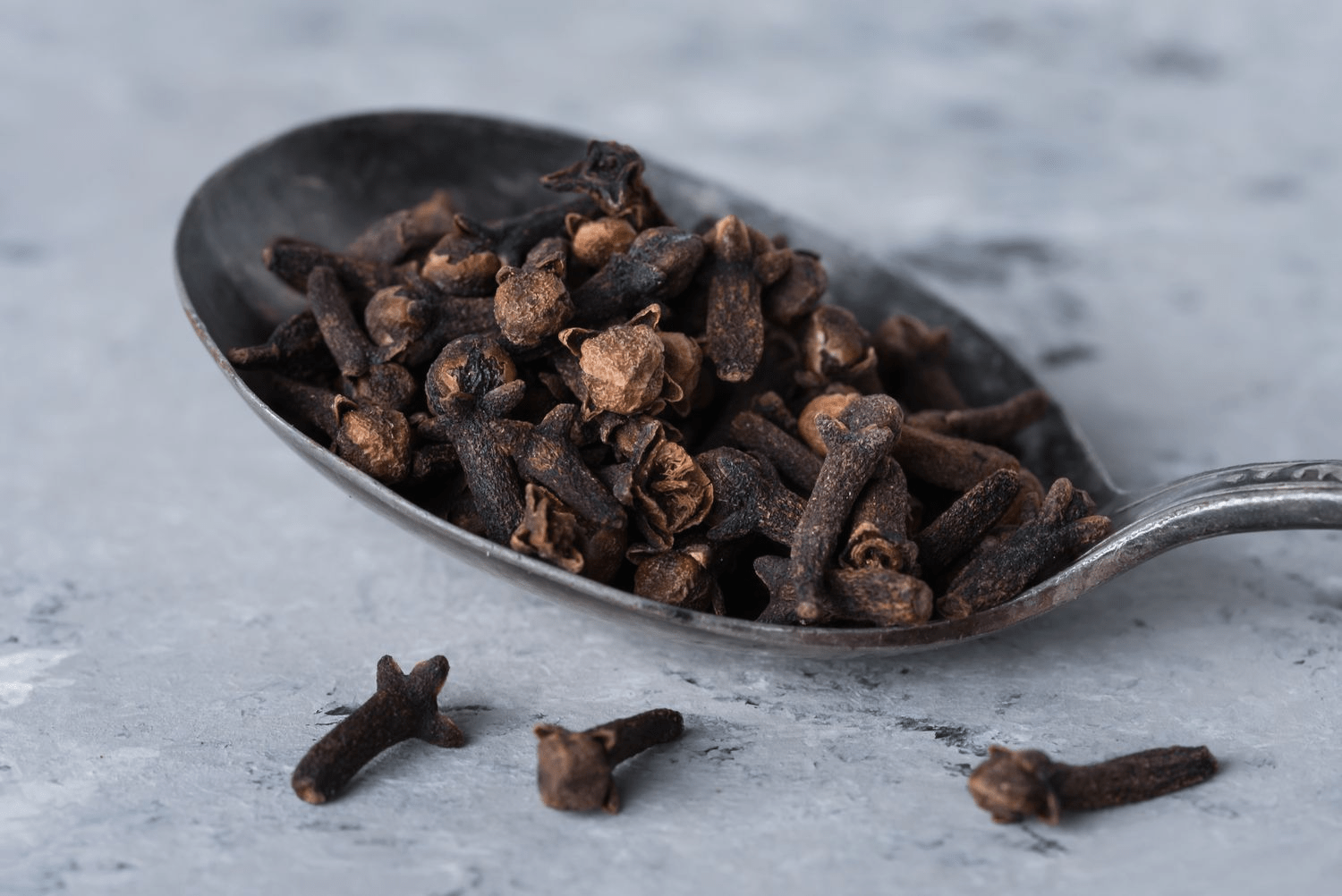
Cloves, the dried flower buds of the Syzygium aromaticum tree, are packed with potent compounds like eugenol, which boasts anti-inflammatory and antioxidant properties. These tiny buds have been a staple in Ayurvedic and traditional Chinese medicine for centuries, often used to ease respiratory issues. But what makes them relevant for damaged lungs?
Lung damage, whether from smoking, pollution, or chronic conditions like COPD, often stems from inflammation and oxidative stress. Cloves’ eugenol may help reduce airway inflammation, potentially easing symptoms like coughing or wheezing. Studies, such as one published in theJournal of Ethnopharmacology(2020), suggest eugenol can inhibit inflammatory pathways in lung tissue, offering a natural way to support respiratory health.
Beyond eugenol, cloves contain vitamins C and K, manganese, and fiber, all of which support overall wellness. Their antimicrobial properties may also help fight respiratory infections, a common concern for those with compromised lungs. While cloves aren’t a cure, they can complement a holistic approach to lung care.
How Cloves Support Lung Healing: The Science
Cloves’ potential to aid lung health lies in their bioactive compounds. Let’s break down the key mechanisms:
Anti-Inflammatory Power
Chronic lung conditions often involve persistent inflammation. Eugenol, the primary compound in cloves, acts as a natural anti-inflammatory. A 2018 study inPhytomedicinefound that eugenol reduced lung inflammation in animal models, suggesting it may help alleviate symptoms in conditions like asthma or bronchitis.
Antioxidant Protection
Oxidative stress, caused by free radicals, damages lung tissue over time. Cloves are rich in antioxidants, which neutralize these harmful molecules. According to a 2019 study inFood Chemistry, cloves have one of the highest antioxidant capacities among spices, potentially protecting lung cells from further harm.
Antimicrobial Benefits
Respiratory infections can worsen lung damage. Cloves’ antimicrobial properties, driven by compounds like eugenol and caryophyllene, may help combat bacteria and fungi that cause infections. A 2021 study inMicrobial Pathogenesishighlighted cloves’ ability to inhibit bacterial growth in the respiratory tract.
Expectorant Properties
Cloves may act as a natural expectorant, helping clear mucus from airways. This can ease breathing for those with conditions like chronic bronchitis. Traditional remedies often combine cloves with honey or ginger for this purpose.
Healing Tea Recipes with Cloves for Lung Health
Ready to harness cloves’ benefits? Healing teas are an easy, soothing way to incorporate them into your routine. Below are two simple recipes designed to support lung health, plus tips to maximize their effects.
Clove and Ginger Tea
This warming tea combines cloves’ anti-inflammatory power with ginger’s ability to improve circulation and clear airways.

Ingredients:
- 3-4 whole cloves
- 1-inch piece of fresh ginger, sliced
- 1 teaspoon honey (optional)
- 2 cups water
Instructions:
- Boil water in a small pot.
- Add cloves and ginger, then simmer for 10 minutes.
- Strain into a cup and add honey for taste.
- Sip slowly while warm, up to twice daily.
Tip: Ginger enhances cloves’ expectorant effects, helping clear mucus. Avoid over-steeping to prevent bitterness.
Clove and Licorice Root Tea
Licorice root soothes irritated airways, making it a perfect partner for cloves in this lung-supporting tea.
Ingredients:
- 4 whole cloves
- 1 teaspoon dried licorice root
- 1 cinnamon stick (optional)
- 2 cups water
Instructions:
- Bring water to a boil.
- Add cloves, licorice root, and cinnamon stick.
- Simmer for 8-10 minutes, then strain.
- Drink warm, once daily.
Tip: Licorice root may interact with certain medications, so consult a doctor if you’re on prescription drugs.
Best Practices for Tea Preparation
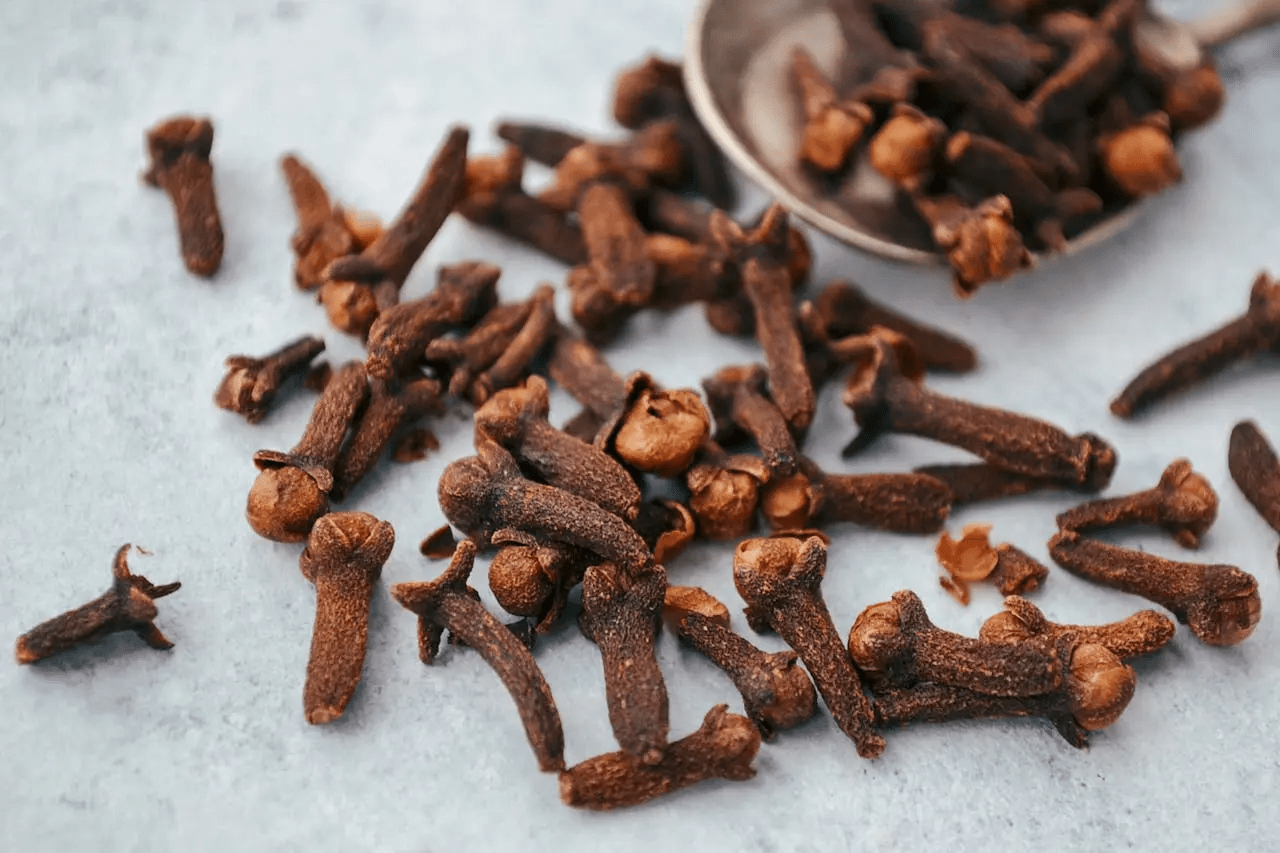
- Use whole cloves for maximum potency; ground cloves lose flavor quickly.
- Steep for no more than 15 minutes to avoid overpowering flavors.
- Drink teas in moderation (1-2 cups daily) to prevent digestive upset.
- Always use fresh, filtered water for the best taste and purity.
Real-Life Stories: Cloves and Lung Health
Meet Sarah, a 45-year-old former smoker who struggled with chronic bronchitis for years. After quitting smoking, she still faced frequent coughing and shortness of breath. On a friend’s recommendation, Sarah began drinking clove and ginger tea daily. Within weeks, she noticed less mucus buildup and easier breathing. While not a replacement for her prescribed inhaler, the tea became a comforting part of her routine, helping her manage symptoms naturally.
Then there’s James, a 60-year-old with COPD, who incorporated clove tea into his wellness plan after reading about its antioxidant benefits. Paired with a balanced diet and regular exercise, the tea helped him feel more energized and less prone to respiratory infections. These stories highlight how cloves, when used thoughtfully, can support lung health alongside medical care.
Practical Tips to Boost Lung Health with Cloves
Cloves are powerful, but they work best as part of a broader lung health strategy. Here are actionable tips to maximize their benefits:
- Combine with a Healthy Diet: Pair clove tea with anti-inflammatory foods like leafy greens, berries, and fatty fish to support lung repair.
- Practice Breathing Exercises: Try diaphragmatic breathing or pursed-lip breathing to enhance lung capacity alongside clove tea.
- Avoid Pollutants: Minimize exposure to smoke, pollution, or chemical fumes, which can counteract cloves’ benefits.
- Stay Hydrated: Drink plenty of water to keep airways moist and support mucus clearance.
- Consult a Doctor: Before adding cloves to your routine, especially if you have lung conditions or take medications, check with a healthcare provider.
Potential Risks and Precautions
While cloves are generally safe in small amounts, overconsumption can cause side effects. Excessive clove intake may lead to digestive issues, low blood sugar, or allergic reactions. Those on blood thinners should be cautious, as eugenol may enhance their effects. Pregnant women and children should consult a doctor before using clove-based remedies.
Always start with small amounts (1-2 cups of tea daily) and monitor your body’s response. If you experience discomfort, stop use and seek medical advice. Cloves are a complement to, not a substitute for, professional medical treatment.
Conclusion
Common Questions About Cloves and Lung Health
Can cloves cure lung diseases?
No, cloves cannot cure lung diseases like COPD or asthma. They may help reduce inflammation and support respiratory health, but always follow your doctor’s treatment plan.
How often should I drink clove tea?
One to two cups daily is generally safe for most people. Overuse may cause side effects, so moderation is key.
Are there other herbs for lung health?
Yes, herbs like ginger, licorice root, and mullein may also support respiratory wellness. Combine them with cloves for enhanced effects, but check for interactions.
Where can I buy quality cloves?
Look for organic whole cloves at health food stores or reputable online retailers to ensure purity and potency.
This content is for informational purposes only and does not replace professional medical advice. Consult a healthcare provider before making changes to your health routine.
Hospice chef reveals the one comfort food most people ask for before they die
At Sobell House Hospice in Oxfordshire, chef Spencer Richards is proving that food can be far more than sustenance—it can be a source of comfort, dignity, and joy in life’s final days. For Richards, cooking for terminally ill patients is not simply a profession, but a heartfelt calling.
Speaking to The Mirror, he described the privilege of his work:
“My own philosophy is that there can be no greater privilege as a chef than serving someone their final meal.”
More Than Just a Menu
Richards explained that adapting food to each patient’s needs and wishes is at the heart of his role. Standard menus rarely suit everyone, particularly young patients. “Recently a 21-year-old didn’t connect with anything on the menu,” he recalled. “We talked, and he said he liked street food—so we made that happen.”
The chef’s dedication also shines through in small, deeply personal gestures. He recounted the story of a 93-year-old woman who had never celebrated a birthday in her traditional household. Richards and his team surprised her with a cake.
“She was in tears. She was absolutely over the moon,” he said.
In fact, birthday cakes are one of the most common requests at Sobell House, offering moments of joy and connection to patients who often feel isolated or lonely.
The Delicate Art of Comfort Food
Preparing meals for palliative patients comes with unique challenges. Many lose the ability to swallow, experience changes in taste due to medications, or become highly sensitive to salt. Richards notes that cancer patients, in particular, often develop a strong sweet tooth—something he thoughtfully incorporates into their meals.
“Food is a powerfully emotive medium,” he explained. “It can summon childhood memories and create new lasting ones. That’s what we do here.”
A Legacy of Compassion
Through his cooking, Richards provides not only nourishment but also dignity and delight during life’s most fragile moments. Whether it is street food for a young man, or a first-ever birthday cake for a 93-year-old woman, his work is a reminder that kindness often lives in the smallest of gestures.
For the patients of Sobell House Hospice, every plate is prepared with love—and every meal becomes a memory.