
Viele Menschen leiden unter anhaltenden Schmerzen in Beinen und Knochen, ohne die Ursache genau zu kennen. Diese Beschwerden können verschiedene Ursachen haben – beispielsweise Überbeanspruchung, Arthritis oder Kreislaufprobleme –, doch eine oft übersehene Ursache ist Vitaminmangel . Mit zunehmendem Alter kann unser Körper bestimmte Nährstoffe nicht mehr so gut aufnehmen und produzieren, wodurch ein Mangel wahrscheinlicher zu Muskel- und Skelettschmerzen beiträgt.
Lassen Sie uns zwei der wichtigsten Vitamine im Zusammenhang mit der Gesundheit von Knochen und Beinen untersuchen: Vitamin D und Vitamin B12 .
1. Vitamin D – Der Knochenschutz
Vitamin D wird oft als „Sonnenscheinvitamin“ bezeichnet und ist für die Fähigkeit des Körpers, Kalzium und Phosphor aufzunehmen , von entscheidender Bedeutung. Beide sind für den Aufbau und Erhalt starker, gesunder Knochen notwendig.
- So funktioniert es: Vitamin D hilft, die Kalziummenge im Blutkreislauf zu regulieren und sorgt dafür, dass es in den Knochen und nicht im Weichgewebe abgelagert wird.
- Was passiert bei einem Mangel? Ohne ausreichend Vitamin D können die Knochen weich, dünn oder brüchig werden, was bei Erwachsenen zu einer Erkrankung namens Osteomalazie führt. Dies kann tiefe, stechende Knochenschmerzen verursachen – insbesondere in den Beinen, Hüften und im unteren Rücken – und das Risiko von Knochenbrüchen erhöhen.
- Wer ist gefährdet: Ältere Erwachsene, Menschen, die wenig Zeit in der Sonne verbringen, und Menschen mit dunklerer Haut (die die Vitamin-D-Synthese reduziert) sind besonders anfällig für einen Mangel.
- Vitamin-D-Quellen: Sonnenlicht, angereicherte Lebensmittel (wie Milch und Getreide), fetter Fisch (wie Lachs, Thunfisch und Makrele) und Vitamin-D-Ergänzungsmittel.
2. Vitamin B12 – Der Nervenunterstützer
Vitamin B12 spielt eine entscheidende Rolle bei der Erhaltung eines gesunden Nervensystems und bei der Produktion roter Blutkörperchen . Es unterstützt außerdem die Myelinscheide – eine Schutzhülle der Nerven, die eine effiziente Übertragung elektrischer Impulse ermöglicht.
- So funktioniert es: Ein gut funktionierendes Nervensystem ermöglicht die richtige Bewegung Ihrer Muskeln und hilft Ihnen, Empfindungen wie Druck und Schmerz zu spüren.
- Was passiert bei einem Mangel: Ein Mangel an Vitamin B12 kann zu Nervenschäden führen , die sich in Kribbeln, Taubheitsgefühl, Brennen oder stechenden Schmerzen in Beinen und Füßen äußern können. Er kann auch Muskelschwäche, Gleichgewichtsstörungen und allgemeine Müdigkeit verursachen .
- Wer ist gefährdet: Menschen über 50 (aufgrund der verringerten Aufnahme), Veganer oder Vegetarier (da B12 hauptsächlich in tierischen Produkten vorkommt) und Menschen mit Verdauungsstörungen wie Morbus Crohn oder Zöliakie.
- Vitamin-B12-Quellen: Fleisch, Fisch, Geflügel, Eier, Milchprodukte und angereicherte Lebensmittel. Bei schwerem Vitamin-B12-Mangel können Nahrungsergänzungsmittel oder B12-Injektionen erforderlich sein.
Andere Nährstoffe, die beteiligt sein können
Neben den Vitaminen D und B12 kann auch ein Mangel an den folgenden Nährstoffen zu Bein- oder Knochenbeschwerden beitragen:
- Magnesium: Wichtig für die Muskelfunktion und Knochenstärke. Ein Magnesiummangel kann zu Krämpfen und Spasmen in den Beinen führen.
- Kalzium: Unverzichtbar für starke Knochen; niedrige Werte können Knochenschmerzen verursachen und das Frakturrisiko erhöhen.
- Vitamin K2: Hilft Kalzium, sich an die Knochen zu binden, anstatt sich in Arterien oder Gelenken abzulagern.
Wann Sie einen Arzt aufsuchen sollten
Wenn Sie anhaltende Beinschmerzen, Knochenschmerzen, Muskelschwäche oder Kribbeln verspüren, sollten Sie diese Anzeichen nicht ignorieren. Einfache Bluttests können Aufschluss über einen Vitaminmangel geben. Eine frühzeitige Diagnose und die richtige Nahrungsergänzung oder Ernährungsumstellung können die Symptome deutlich lindern und das allgemeine Wohlbefinden verbessern.
Abschluss:
Ihr Körper möchte Ihnen möglicherweise etwas sagen, wenn Ihre Beine oder Knochen schmerzen – tun Sie das nicht einfach als „Alterserscheinung“ ab. Vitaminmangel, insbesondere an Vitamin D und B12 , kommt häufig vor und kann Muskel-Skelett- und Nervenschmerzen verursachen oder verschlimmern. Wenn Sie die Anzeichen erkennen und sicherstellen, dass Sie die Nährstoffe erhalten, die Ihr Körper braucht, können Sie proaktiv Maßnahmen ergreifen, um Ihre Knochen- und Nervengesundheit in jedem Alter zu schützen.
Cracked Heels? Unlock 5 Astonishing Natural Remedies That Truly Work!
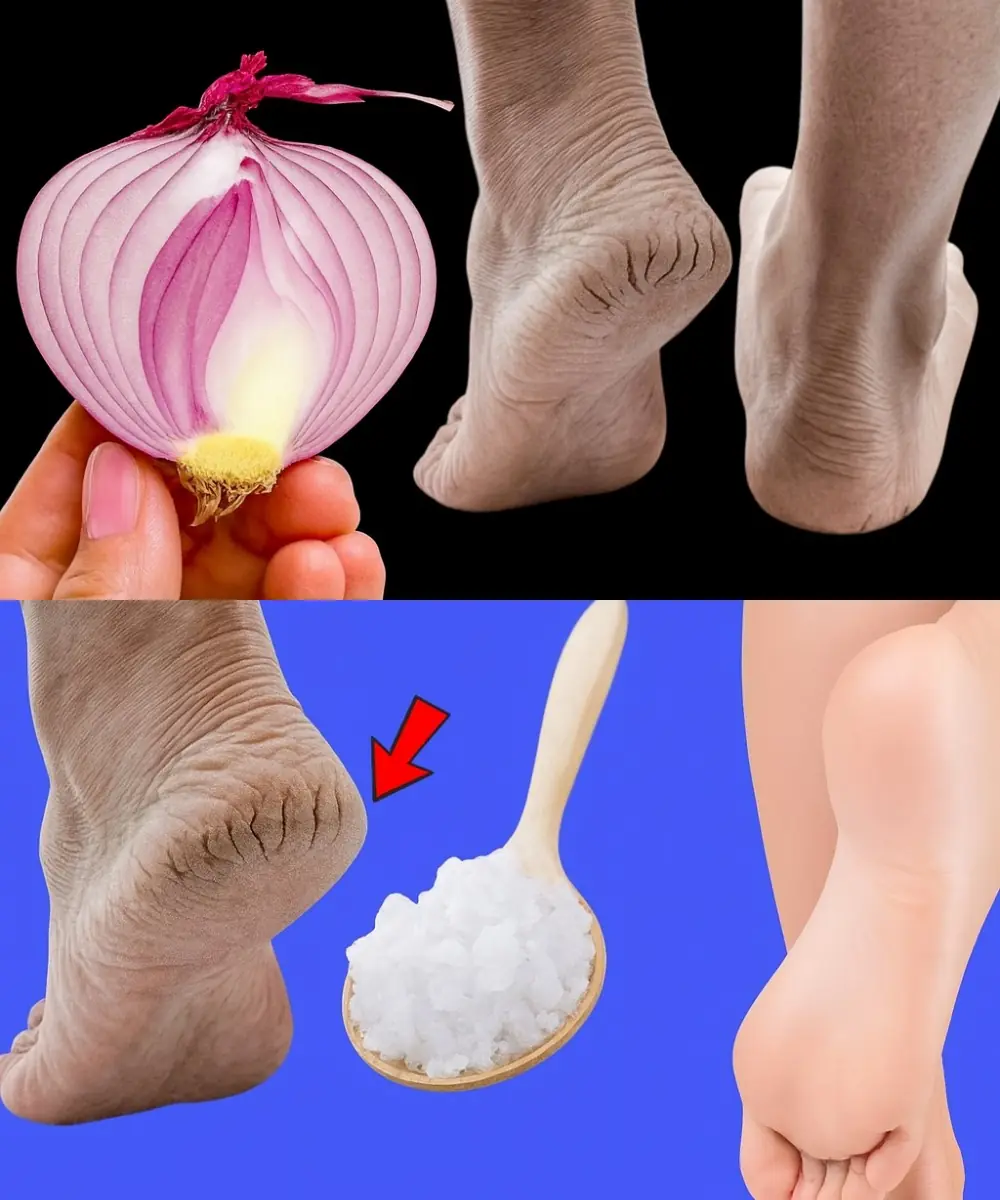
Imagine stepping out with confidence, your feet soft and smooth, free from the pain and embarrassment of cracked heels. Those rough, splitting patches on your heels aren’t just a cosmetic nuisance—they can sting, ache, and even invite infections if ignored. Caused by dry air, barefoot strolls, long hours on your feet, or simply neglecting foot care, cracked heels are a common struggle. But what if the solution lies not in expensive creams but in the treasures hiding in your kitchen? Get ready to discover five powerful, natural remedies—including a surprising onion-and-salt trick—that will transform your feet into a vision of softness. Let’s dive into these science-backed, budget-friendly solutions that will keep you captivated and your heels healed! 🌿 Why Natural Remedies Are Your Best Bet for Cracked Heels
Cracked heels don’t just affect your appearance; they can impact your comfort and confidence. While store-bought products promise quick fixes, they often come with chemicals and hefty price tags. Natural remedies, on the other hand, harness the power of everyday ingredients to heal, hydrate, and rejuvenate your skin. From the antibacterial magic of onions to the soothing embrace of aloe vera, these remedies are simple, effective, and backed by science. Ready to restore your feet to their former glory? Let’s explore five game-changing solutions that will leave your heels silky and your heart content. 🧅 1. Onion and Salt Scrub: The Surprising Healing Duo
Why It Works
Onions might make you cry, but they’re a hero for cracked heels. Packed with antibacterial and anti-inflammatory compounds, onions fight germs and reduce swelling, while coarse salt acts as a natural exfoliant and antiseptic. Together, they soften tough skin, banish bacteria, and speed up healing. How to Use
Slice a fresh onion into thick pieces. Sprinkle a generous amount of coarse salt over the slices and let them sit for 5–10 minutes to release their juices. Gently rub the salted onion slices on your cracked heels for 3–5 minutes, focusing on rough areas. Rinse with lukewarm water and seal in the moisture with a rich foot cream. For best results, do this at night to let your feet soak up the benefits while you sleep. Pro Tip
Pair this remedy with a hydrating moisturizer to lock in softness and prevent further cracking. 🥥 2. Coconut Oil and Brown Sugar Scrub: Nature’s Gentle Exfoliator
Why It Works
Coconut oil is a hydration superstar, penetrating deep into dry skin to nourish and repair. Brown sugar, with its gentle granules, sloughs off dead skin cells without irritation. This dynamic duo not only smooths rough heels but also protects against infections with coconut oil’s antimicrobial properties. How to Use
Mix 2 tablespoons of coconut oil with 1 tablespoon of brown sugar to form a gritty paste. Massage the mixture onto your heels in circular motions for 3–4 minutes, targeting cracked areas. Rinse with warm water, pat dry, and admire the instant softness. Repeat 2–3 times a week for lasting results. Extra Benefit
Coconut oil’s antimicrobial powers help keep foot infections at bay, making this scrub a preventive powerhouse. 🍌 3. Banana Heel Mask: A Vitamin-Rich Rejuvenator
Why It Works
Ripe bananas are more than a sweet snack—they’re a skin-savior loaded with vitamins A, B, and E. These nutrients nourish dry, cracked heels, restoring moisture and promoting cell repair. The creamy texture of bananas makes them perfect for a soothing foot mask. How to Use
Mash one ripe banana into a smooth paste. Apply the paste generously to clean, dry heels. Let it sit for 15–20 minutes to allow the vitamins to penetrate. Rinse with lukewarm water, dry your feet, and follow with a light moisturizer. For an extra hydration boost, mix in a teaspoon of honey before applying. Pro Tip
Use overripe bananas for maximum potency—the softer, the better! 🍯 4. Honey Foot Soak: The Ultimate Moisture Magnet
Why It Works
Honey is nature’s humectant, drawing moisture deep into the skin to heal cracks and restore suppleness. Its antibacterial properties also make it a fantastic choice for preventing infections in cracked heels, leaving your feet soft and healthy. How to Use
Fill a small basin with warm water and stir in 3–4 tablespoons of raw honey until fully dissolved. Soak your feet in this sweet solution for 15–20 minutes, letting the honey work its magic. Gently scrub your heels with a pumice stone to remove softened dead skin, then dry and moisturize. Do this before bed to let your feet hydrate overnight. Best Practice
Use raw, unprocessed honey for the best results, as it retains more of its natural healing properties. 🌱 5. Aloe Vera Overnight Treatment: The Soothing Miracle
Why It Works
Aloe vera is a skincare legend, known for its ability to soothe irritation, boost collagen production, and provide deep hydration. For cracked heels, it’s a game-changer, calming painful cracks and promoting faster healing. How to Use
Apply a generous layer of fresh aloe vera gel directly to your cracked heels before bedtime. Slip on clean cotton socks to lock in the moisture and enhance absorption. Leave it on overnight, then rinse your feet in the morning and apply a light moisturizer. Repeat nightly for a week to see dramatic improvements. Pro Tip
Harvest aloe vera gel straight from the plant for the most potent, chemical-free results. 🛠️ Extra Tips to Keep Cracked Heels at Bay
Prevention is just as important as treatment when it comes to cracked heels. Incorporate these habits into your routine to maintain soft, healthy feet: Stay Hydrated: Drink plenty of water daily to keep your skin hydrated from the inside out.
Avoid Barefoot Walking: Protect your heels from rough surfaces by wearing supportive shoes or slippers.
Moisturize Daily: Apply a thick foot cream or balm every day to lock in moisture and prevent dryness.
Exfoliate Regularly: Use a pumice stone or gentle scrub 1–2 times a week to remove dead skin buildup.
Choose Breathable Shoes: Opt for footwear that allows air circulation to reduce pressure and sweating on your heels. 🌟 Why These Remedies Are a Game-Changer
Cracked heels can be a painful, persistent problem, but these five natural remedies offer a powerful, affordable solution. From the unexpected brilliance of an onion-and-salt scrub to the soothing comfort of an aloe vera overnight treatment, these kitchen-based cures are backed by science and rooted in nature’s wisdom. They’re easy to prepare, gentle on your skin, and effective at restoring smoothness and comfort. By incorporating these remedies into your routine, you’ll not only heal your heels but also gain a newfound appreciation for the healing power of everyday ingredients. 💡 How to Make These Remedies Part of Your Life
Ready to say goodbye to cracked heels? Start by choosing one or two remedies that resonate with you and make them part of your weekly self-care routine. Set aside a relaxing evening to pamper your feet with a honey soak or banana mask, and follow up with consistent moisturizing and exfoliation. Keep a small stash of these ingredients in your kitchen, so you’re always prepared to give your feet the love they deserve. For best results, stick to a regular schedule and pair these remedies with the preventive tips above. ⚠️ A Word of Caution
While these remedies are natural and generally safe, everyone’s skin is different. Test each remedy on a small area first to ensure you don’t have any sensitivities. If you have deep cracks, bleeding, or signs of infection, consult a healthcare professional before trying these treatments. Pregnant or nursing individuals should also seek medical advice before using remedies like onion or aloe vera. 🚀 Step Into Softness with Confidence
Cracked heels don’t stand a chance against the power of these five natural remedies. From the antibacterial brilliance of onions to the hydrating magic of honey, these kitchen staples are your ticket to soft, healthy feet. By embracing these simple, science-backed solutions, you’ll not only heal your heels but also rediscover the joy of stepping out with confidence. Try these remedies today, share your results, and let your feet shine as brightly as your spirit!
Alternanthera Sessilis: The Humble Weed That’s a Nutritional and Medicinal Marvel
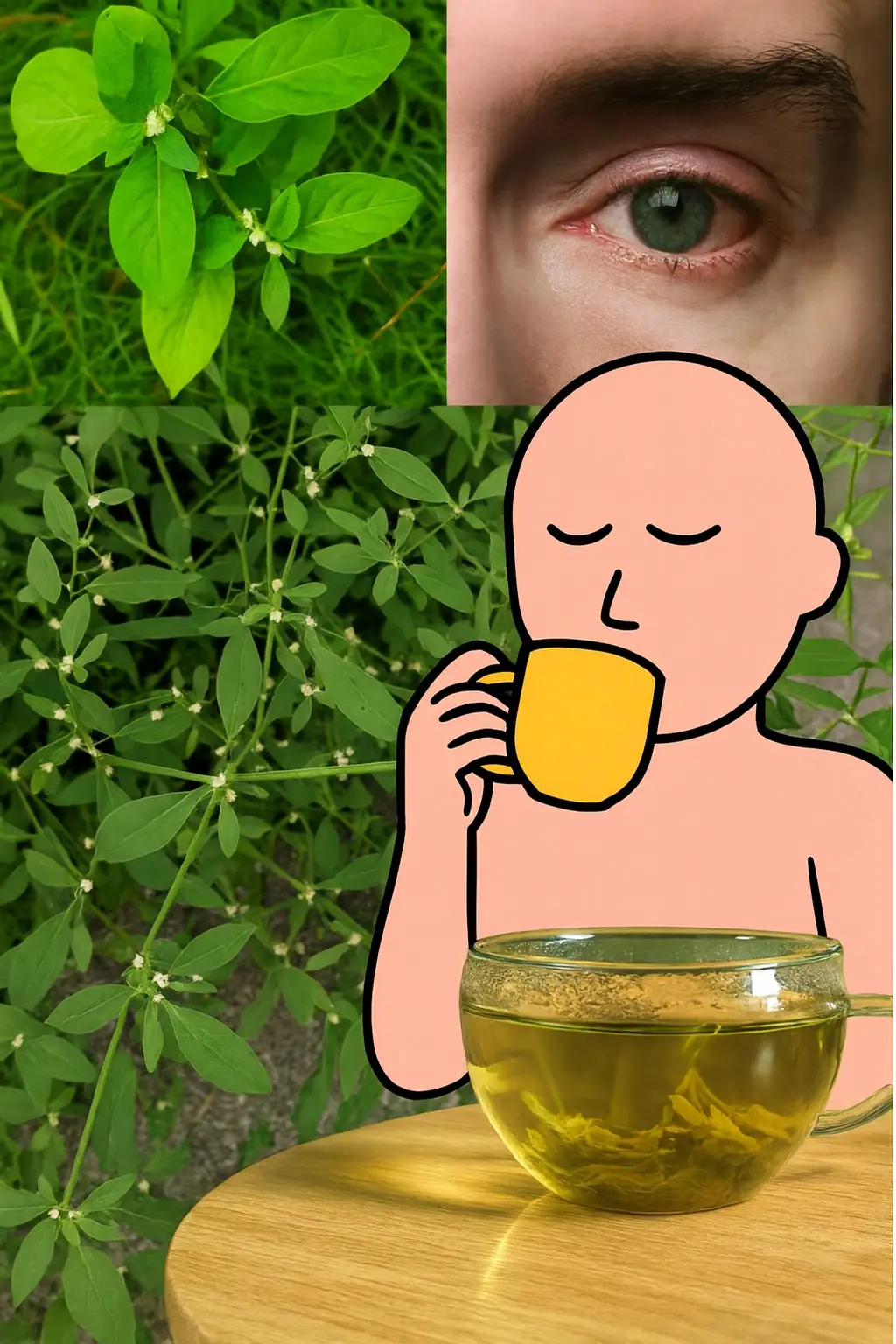
What if the secret to better health, glowing skin, and a stronger body was growing wild in your backyard, dismissed as just another weed? Meet Alternanthera sessilis, a plant so unassuming yet so powerful that it’s been a cornerstone of traditional diets and healing practices for centuries. Known as sessile joyweed, dwarf copperleaf, or ponnanganni in Tamil, this vibrant herb thrives in the tropics, offering a wealth of nutrients, medicinal benefits, and even spiritual significance. Ready to uncover the hidden potential of this overlooked gem? Dive into the world of Alternanthera sessilis and discover why it’s time to embrace this remarkable plant. 🌱 What Is Alternanthera Sessilis?
Alternanthera sessilis, a member of the Amaranthaceae family, is a perennial herb that grows with abandon in tropical and subtropical regions. Often found in damp areas like riverbanks, ponds, and rice fields, it’s a plant that thrives where others falter. Its green and red cultivars—known as ASG (green) and ASR (red)—add a splash of color to the landscape, with prostrate stems that root at the nodes and leaves that range from elliptic to obovate. While some see it as a pesky weed, others recognize it as a nutritional powerhouse and medicinal treasure, used for everything from wound healing to diabetes management. From Sri Lanka to Brazil, Alternanthera sessilis goes by many names: mukunuvenna in Sinhala, matikaduri in Assamese, and sissoo spinach in Brazil. Its global presence reflects its adaptability and deep-rooted significance in traditional cuisines and herbal remedies. Whether you’re a health enthusiast, a home gardener, or someone seeking natural solutions, this plant has something extraordinary to offer. 🥗 A Nutritional Powerhouse for Vibrant Health
Alternanthera sessilis isn’t just another leafy green—it’s a superfood that rivals the likes of spinach and kale. Packed with vitamins, minerals, and bioactive compounds, it’s a must-have for anyone looking to boost their diet naturally. Let’s explore why this herb deserves a place on your plate. 💪 Rich in Essential Nutrients
Every bite of Alternanthera sessilis delivers a burst of health. Its leaves are loaded with vitamins A, C, and B-complex, which support immunity, skin health, and energy production. Iron, calcium, and magnesium make it a champion for strong bones, healthy blood, and muscle function. With high levels of fiber, it promotes digestion and keeps your gut thriving. Unlike many greens, it’s also a source of antioxidants like polyphenols, which fight free radicals and protect against chronic diseases. For those in regions where food is scarce, this plant is a lifesaver, offering vital nutrition at no cost. 🧠 Boosts Brain and Heart Health
Want to stay sharp and energized? Alternanthera sessilis has you covered. Its antioxidants, including flavonoids and carotenoids, protect brain cells from oxidative stress, potentially enhancing memory and focus. The plant’s potassium and magnesium content supports heart health by regulating blood pressure and improving circulation. In traditional medicine, it’s used to refresh the heart and mind, making it a natural choice for staying active and alert. Picture enjoying a bowl of stir-fried sessile joyweed, knowing it’s nourishing both your body and brain. 🔥 Fights Inflammation and Infections
Chronic inflammation and infections can take a toll on your health, but Alternanthera sessilis steps in with powerful anti-inflammatory and antimicrobial properties. Its polyphenols, such as catechin and ferulic acid, reduce inflammation, making it a go-to for conditions like arthritis or asthma. The plant’s antimicrobial effects, particularly in its red cultivar, combat bacteria like Klebsiella pneumoniae, offering a natural defense against infections. Whether consumed as a vegetable or applied as a poultice, this herb is a versatile healer. 💊 Medicinal Marvel with Ancient Roots
Alternanthera sessilis has been a staple in traditional medicine across Asia, Africa, and South America, used to treat a wide range of ailments. Its bioactive compounds, including terpenes, alkaloids, and flavonoids, make it a potent remedy for modern health challenges. Let’s dive into its medicinal magic. 🩺 Supports Diabetes Management
For those managing diabetes, Alternanthera sessilis offers promising support. Studies have shown that its ethyl acetate fraction can lower blood glucose levels in diabetic mice, performing nearly as well as metformin. Its alpha-glucosidase inhibitory properties slow carbohydrate absorption, helping to stabilize blood sugar. In the Philippines, where it’s known as bunga-bunga, it’s a traditional remedy for diabetes, offering hope for those seeking natural alternatives. 🩹 Accelerates Wound Healing
The plant’s wound-healing potential is nothing short of remarkable. Extracts from its stems and leaves, rich in compounds like EGCG, enhance cell viability in human fibroblasts and keratinocytes, speeding up tissue repair. In traditional practices, crushed leaves are applied to cuts, ulcers, and burns to promote healing and reduce infection. This makes Alternanthera sessilis a go-to for natural first aid, especially in rural communities. 🫁 Protects Liver and Lungs
Alternanthera sessilis shines as a hepatoprotective agent, safeguarding the liver from toxins like carbon tetrachloride. Its methanolic extract has been shown to lower liver enzyme levels and cholesterol, offering protection comparable to pharmaceutical drugs like silymarin. In traditional medicine, it’s used to treat jaundice, hepatitis, and respiratory issues like bronchitis, thanks to its ability to reduce inflammation and support lung function. This plant is a true guardian of your vital organs. 🕉️ A Spiritual and Cultural Treasure
Beyond its physical benefits, Alternanthera sessilis holds a special place in cultural and spiritual practices. In Assam, it’s a key ingredient in mod pitha, a starter culture for traditional rice beer, symbolizing its role in community celebrations. In Ayurveda and other traditional systems, it’s valued for its grounding energy, used to promote balance and vitality. 🛁 Herbal Remedies for Body and Soul
In traditional medicine, Alternanthera sessilis is often prepared as a decoction or poultice to treat ailments like fever, diarrhea, and skin diseases. Boil the leaves to create a soothing tea that calms nausea or supports digestion. For spiritual cleansing, a bath infused with its leaves is believed to wash away negative energy, leaving you refreshed and centered. These rituals connect you to the earth’s wisdom, blending health and spirituality. 🍵 How to Incorporate Alternanthera Sessilis into Your Life
Ready to make Alternanthera sessilis a part of your daily routine? Its versatility makes it easy to enjoy as food, medicine, or even a garden plant. Here are some practical ways to harness its power. 🥗 Culinary Delights
In South Asia and Southeast Asia, Alternanthera sessilis is a beloved vegetable, stir-fried with coconut and spices or eaten raw in salads with oil and vinegar. Its crunchy texture and slightly bitter flavor make it a perfect spinach substitute. Steam or boil the leaves to reduce oxalates, then toss them into soups, curries, or stir-fries for a nutrient-packed meal. In Brazil, sissoo spinach is a staple in salads, adding a vibrant touch to everyday dishes. ☕ Healing Teas and Decoctions
Brew a tea by steeping fresh or dried leaves in hot water for 10–15 minutes. This soothing drink supports digestion, reduces inflammation, and promotes relaxation. For a stronger remedy, make a decoction by boiling the whole plant, which can be used for conditions like dysentery or fever. Add a touch of honey to balance the bitterness, and enjoy it as a daily health tonic. 🌿 Topical Applications
Crush fresh leaves into a poultice and apply it to wounds, burns, or skin irritations for quick relief. The plant’s antimicrobial and wound-healing properties make it an effective natural bandage. You can also mix leaf extract with a carrier oil to create a soothing balm for sore muscles or inflamed joints. 🌍 Sustainable and Accessible Wellness
One of the greatest gifts of Alternanthera sessilis is its accessibility. It grows wild in wetlands, fields, and even urban areas, making it a sustainable choice for eco-conscious individuals. Its ability to thrive in poor soils and damp conditions means it’s available to communities with limited resources, offering free nutrition and medicine. 🌱 Foraging and Growing Your Own
Foraging for Alternanthera sessilis is a rewarding experience—look for its vibrant leaves in wet, disturbed areas, but ensure the plant is free from pesticides. If you prefer a steady supply, grow it in your garden. Plant seeds in moist, nutrient-rich soil with partial shade, and watch it flourish as a low-maintenance groundcover. Its rapid growth and vibrant colors also make it a stunning addition to aquariums or ornamental gardens. 💡 Why Alternanthera Sessilis Deserves Your Attention
Alternanthera sessilis is more than a weed—it’s a nutritional, medicinal, and cultural gem that’s been undervalued for too long. Its ability to nourish, heal, and inspire makes it a true gift from nature. In a world chasing exotic superfoods, this plant reminds us that the most powerful remedies are often the ones growing right around us. By embracing Alternanthera sessilis, you’re tapping into centuries of wisdom, supporting your health, and honoring the earth’s abundance. Whether you’re seeking better nutrition, natural healing, or a deeper connection to nature, this humble herb has the power to transform your life. 🌟 Start Your Journey with Alternanthera Sessilis Today
Ready to unlock the potential of Alternanthera sessilis? Begin by foraging in clean, natural areas or planting it in your garden. Experiment with its leaves in your cooking, brew a healing tea, or try a soothing poultice. Always consult a healthcare professional before using it medicinally, especially if you’re pregnant or on medications. Let Alternanthera sessilis surprise you with its versatility and power. Don’t let this incredible plant remain a stranger in your backyard. Embrace the magic of sessile joyweed and discover a world of health, healing, and harmony waiting just beneath the surface.
Unlock the Secrets of Euphorbia Hirta: 30 Astonishing Benefits of the Asthma Weed Miracle
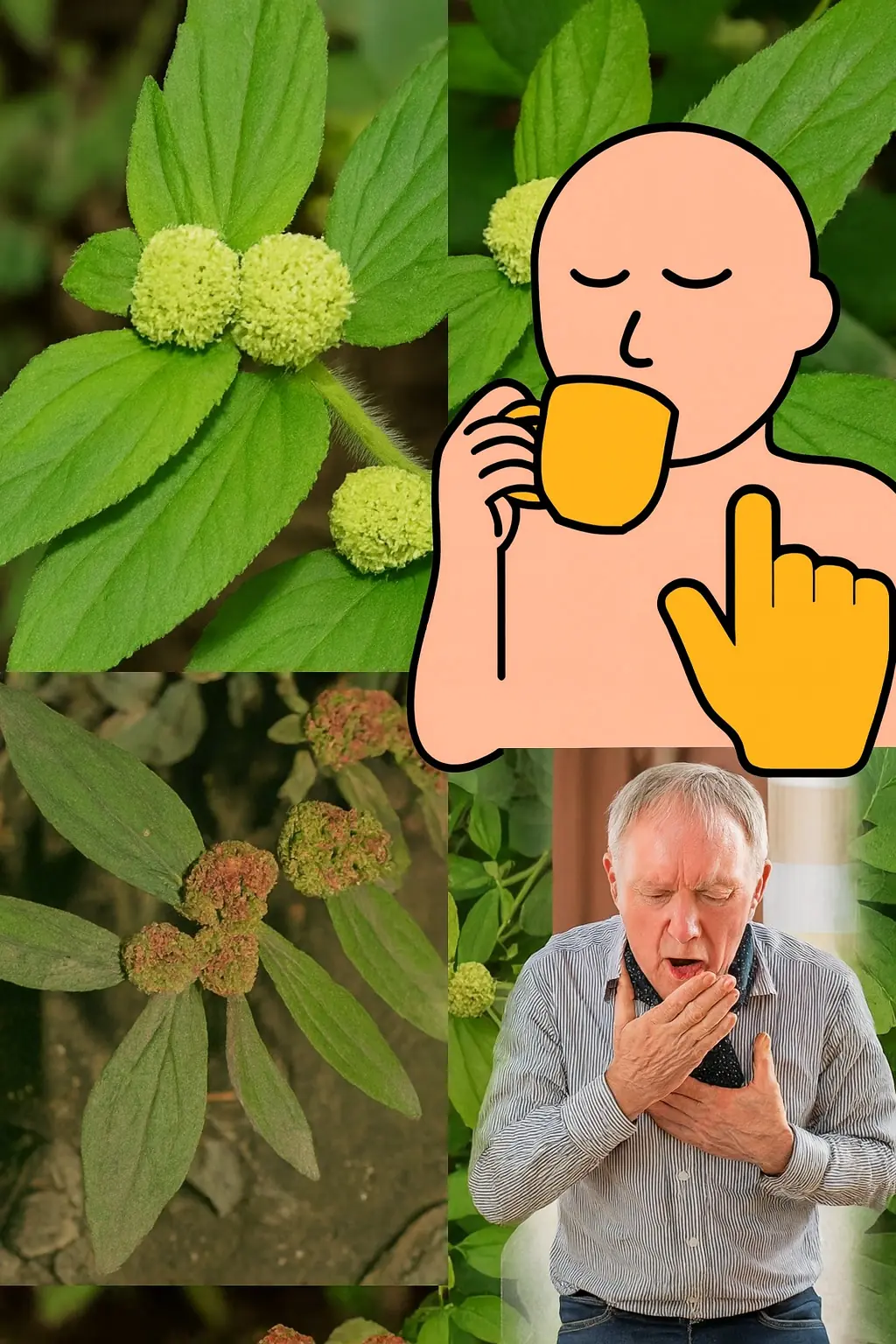
Picture this: a tiny plant, often ignored as a common weed, holds the key to a treasure chest of health benefits that could transform your wellness journey. Meet Euphorbia Hirta, fondly known as Asthma Weed, a humble herb that’s been a cornerstone of traditional medicine for centuries. Packed with potent antioxidants, anti-inflammatory compounds, and antimicrobial properties, this unassuming plant is a powerhouse of natural healing. From soothing respiratory issues to boosting immunity, Euphorbia Hirta is nature’s gift waiting to be unwrapped. Ready to discover why this weed is a wellness wonder? Dive into these 30 science-inspired benefits and learn how to harness its magic to elevate your health. Why Euphorbia Hirta Is a Hidden Gem
Euphorbia Hirta thrives in tropical and subtropical regions, sprouting in gardens, roadsides, and even cracks in the pavement. Don’t let its modest appearance fool you—this plant is loaded with flavonoids, tannins, and alkaloids that modern science is beginning to validate for their therapeutic potential. Used for generations in Asia, Africa, and Latin America, Asthma Weed is celebrated for its versatility and accessibility. Whether you’re seeking relief from asthma symptoms, skin irritations, or digestive woes, Euphorbia Hirta offers natural, budget-friendly solutions. Let’s explore how this miracle weed can become your new wellness ally. 30 Incredible Benefits of Euphorbia Hirta
🌬️ 1. Relieves Asthma Symptoms
Euphorbia Hirta earns its nickname “Asthma Weed” by relaxing bronchial tubes, easing breathing difficulties, and reducing asthma-related discomfort. How to Use: Boil fresh leaves in water for 10 minutes, strain, and sip the tea twice daily during flare-ups. 🦠 2. Fights Bacterial Infections
Its antimicrobial properties make it effective against common bacteria, supporting your body’s natural defenses. How to Use: Apply cooled Euphorbia Hirta tea to minor cuts or wounds to prevent infection. 🩺 3. Soothes Respiratory Issues
From bronchitis to coughs, this herb helps clear airways and reduce mucus buildup for easier breathing. How to Use: Drink warm Euphorbia Hirta tea slowly, twice a day, to calm respiratory irritation. 💧 4. Acts as a Natural Diuretic
Euphorbia Hirta promotes urine flow, helping to flush toxins and reduce water retention. How to Use: Sip one cup of tea in the morning to support kidney health and reduce bloating. 🩹 5. Heals Skin Wounds
Its anti-inflammatory and antiseptic properties accelerate wound healing and reduce scarring. How to Use: Crush fresh leaves into a paste and apply to minor wounds for quick relief. 🌿 6. Reduces Inflammation
Struggling with swollen joints or muscles? Euphorbia Hirta’s anti-inflammatory compounds can ease pain and swelling. How to Use: Use a tea-soaked cloth as a compress on affected areas for 15–20 minutes. 🦟 7. Repels Insects Naturally
The plant’s strong compounds can deter insects, making it a natural alternative to chemical repellents. How to Use: Boil leaves and use the cooled liquid as a spray for skin or surfaces. 🍽️ 8. Eases Digestive Disorders
From diarrhea to dysentery, Euphorbia Hirta soothes the digestive tract and promotes gut health. How to Use: Drink half a cup of mild tea after meals to settle your stomach. 🩸 9. Controls Bleeding
Its astringent properties help stop minor bleeding, such as from cuts or nosebleeds. How to Use: Apply crushed leaves directly to the affected area for quick clotting. 🌡️ 10. Lowers Fever
Euphorbia Hirta’s cooling effects make it a traditional remedy for reducing fever and restoring balance. How to Use: Sip cooled tea every 4–6 hours during a fever for relief. 🧴 11. Treats Skin Rashes
Itchy or irritated skin? This herb soothes rashes and reduces inflammation for healthier skin. How to Use: Dab cooled tea onto rashes with a cotton cloth for instant comfort. 👄 12. Heals Mouth Ulcers
Euphorbia Hirta’s anti-inflammatory properties can speed up the healing of painful mouth sores. How to Use: Rinse your mouth with lukewarm tea 2–3 times daily. 💪 13. Boosts Immunity
Rich in antioxidants, this herb strengthens your immune system to ward off illnesses. How to Use: Incorporate Euphorbia Hirta tea into your weekly routine for ongoing immune support. 🦴 14. Relieves Joint Pain
Its anti-inflammatory effects make it ideal for easing arthritis or joint discomfort. How to Use: Apply a warm tea compress to joints for 20 minutes to reduce pain. 😷 15. Alleviates Allergies
Euphorbia Hirta may help reduce allergic reactions by calming inflammation and histamine responses. How to Use: Drink tea daily during allergy season for relief. 🧼 16. Cleanses Minor Infections
Its antiseptic qualities make it perfect for cleaning minor skin infections. How to Use: Wash affected areas with cooled tea twice daily. 💨 17. Eases Flatulence
Bloating or gas? Euphorbia Hirta promotes healthy digestion and reduces discomfort. How to Use: Sip tea after meals to prevent gas buildup. 🩺 18. Supports Liver Health
This herb aids liver detoxification, promoting better organ function and overall vitality. How to Use: Drink tea once daily for 5–7 days each month. 🦷 19. Improves Oral Health
Euphorbia Hirta can reduce gum inflammation and combat oral bacteria for a healthier mouth. How to Use: Use as a mouth rinse after brushing for fresh breath and gum care. 👀 20. Soothes Eye Irritation
When used externally, it can calm tired or inflamed eyes for clearer vision. How to Use: Place a cooled tea-soaked cloth over closed eyes for 10 minutes. 🚽 21. Treats Urinary Infections
Its diuretic and antimicrobial properties help cleanse the urinary tract. How to Use: Drink half a cup of tea twice daily until symptoms improve. 😴 22. Promotes Better Sleep
Euphorbia Hirta’s calming effects can help you relax and improve sleep quality. How to Use: Sip a mild tea an hour before bedtime. 🩸 23. Balances Blood Sugar
Preliminary studies suggest it may help stabilize blood sugar levels. How to Use: Consult a healthcare provider before using tea as a complementary remedy. 🧠 24. Reduces Stress and Anxiety
Its soothing properties can calm the mind and ease mild anxiety. How to Use: Drink a cup of tea in the evening to unwind. 💪 25. Enhances Energy Levels
By detoxifying the body, Euphorbia Hirta helps you feel more energized and focused. How to Use: Start your day with a cup of tea for a natural boost. 🦠 26. Combats Fungal Infections
Its antifungal properties can help treat minor skin fungal issues like athlete’s foot. How to Use: Apply a leaf paste to the affected area and rinse after 15 minutes. 🌟 27. Promotes Hair Health
Euphorbia Hirta may reduce scalp irritation and promote healthier hair growth. How to Use: Massage cooled tea into the scalp and rinse after 10 minutes. 🩺 28. Supports Heart Health
Its antioxidants may help reduce oxidative stress, supporting cardiovascular wellness. How to Use: Drink tea sparingly as part of a balanced diet. 🧴 29. Hydrates Dry Skin
The herb’s soothing properties can moisturize and calm dry, flaky skin. How to Use: Apply cooled tea to dry areas for hydration. 🌿 30. Enhances Overall Wellness
Euphorbia Hirta’s holistic benefits make it a versatile addition to any health routine. How to Use: Rotate tea into your weekly regimen for sustained vitality. How to Prepare Euphorbia Hirta Tea
Unlocking these benefits is as simple as brewing a cup of tea. Collect a small handful of fresh Euphorbia Hirta leaves or 1 teaspoon of dried leaves.
Boil 1 cup of water and add the leaves.
Simmer for 8–10 minutes, then strain and cool.
Sip or apply as directed, ensuring the tea is at a safe temperature for use. Safety First: Using Euphorbia Hirta Responsibly
While Euphorbia Hirta is a natural wonder, caution ensures safe and effective use. Seek Expert Advice: Consult a healthcare provider, especially if pregnant, breastfeeding, or on medication.
Test First: Start with a small dose to check for allergic reactions.
Harvest Safely: Use plants from clean, pesticide-free areas.
Limit Use: Stick to one cup daily for up to 7 days to avoid side effects.
Patch Test: For topical applications, test on a small skin area first.
Why Euphorbia Hirta Belongs in Your Life
Euphorbia Hirta is more than a weed—it’s a natural pharmacy growing right under your feet. From asthma relief to radiant skin, its benefits are as diverse as they are powerful. Affordable, accessible, and backed by both tradition and science, this herb is a game-changer for anyone seeking holistic wellness. Whether you’re brewing a soothing tea or applying a healing compress, Euphorbia Hirta delivers results that rival modern remedies. Embrace Nature’s Miracle Today
Why settle for synthetic solutions when nature offers a miracle like Euphorbia Hirta? This Asthma Weed is your ticket to vibrant health, blending ancient wisdom with modern potential. Next time you spot its delicate leaves, don’t dismiss it—harvest it, brew it, and let its benefits transform your life. Start exploring Euphorbia Hirta today and share its wonders with others who deserve to experience nature’s healing touch.