
Hühnerfüße werden in westlichen Küchen oft weggeworfen, doch in vielen Kulturen wird ihr Verzehr hoch geschätzt. Nur wenige wissen, dass diese unscheinbaren Füße Geheimnisse bergen, die unserer Gesundheit bemerkenswerte Vorteile bringen können. In diesem Artikel erkunden wir die wunderbaren Eigenschaften von Hühnerfüßen und wie sie als natürliche Heilmittel in die tägliche Ernährung integriert werden können.
Ein unerwarteter Nährstoffschatz
Wenn wir an Protein denken, denken wir meist an mageres Fleisch, Eier oder Hülsenfrüchte. Hühnerfüße sind jedoch eine hervorragende Quelle für Kollagen, ein essentielles Element für die Gesundheit unserer Gelenke, Haut und Haare. Dieser Nährstoff wird durch langsames Kochen extrahiert, wodurch Kollagen und andere Nährstoffe in die Brühe freigesetzt werden.
Hühnerfüße enthalten neben Kollagen eine Vielzahl von Mineralien wie Kalzium, Magnesium und Phosphor. Diese sind wichtig für starke Knochen und Zähne sowie für die Aufrechterhaltung vieler Stoffwechselprozesse im Körper. Wenn Sie nach einer effektiven Möglichkeit suchen, Ihre Knochengesundheit zu verbessern, könnten Hühnerfüße eine gute Option sein.
Vorteile für die Gelenkgesundheit
Eine der bemerkenswertesten Eigenschaften von Hühnerfüßen ist ihre Fähigkeit, Gelenke zu stärken und zu schützen. Das gewonnene Kollagen hilft bei der Knorpelreparatur und kann Beschwerden wie Arthritis lindern. Viele traditionelle Heilmittel in verschiedenen Kulturen verwenden Hühnerfußbrühe als natürliche Lösung bei Gelenkbeschwerden.
Besonders Sportler oder Menschen, die Hochleistungssportarten betreiben, können von diesem Lebensmittel profitieren. Die Aufnahme von Hühnerfüßen in Ihre wöchentliche Ernährung kann dazu beitragen, die Gelenke in optimalem Zustand zu halten und Verletzungen vorzubeugen.
Die Kraft der Hühnerfußbrühe
Hühnerfußbrühe ist nicht nur ein kulinarischer Genuss, sondern auch ein wirksames Naturheilmittel. Diese Brühe ist reich an Gelatine, die die Verdauung und die Darmgesundheit unterstützt. Viele Ernährungsberater empfehlen sie bei Verdauungsproblemen, da sie Beschwerden lindern und die Nährstoffaufnahme verbessern kann.
Einfaches Rezept für Hühnerfußbrühe
Zutaten:
- 4 Hühnerfüße
- 1 große Zwiebel
- 2 Karotten
- 1 Stange Sellerie
- Wasser (genug, um alle Zutaten zu bedecken)
- Salz und Pfeffer nach Geschmack
- Kräuter und Gewürze nach Geschmack (z. B. Lorbeerblatt, Thymian oder ein anderes aromatisches Kraut)
Anweisungen:
- Reinigen Sie die Hühnerfüße gründlich und schneiden Sie die Nägel bei Bedarf.
- Geben Sie die Füße, Zwiebeln, Karotten und Sellerie in einen großen Topf.
- Mit Wasser bedecken und mit Salz, Pfeffer und Kräutern würzen.
- Zum Kochen bringen, dann mindestens 2 Stunden köcheln lassen.
- Die Feststoffe abseihen und dieses nahrhafte Elixier genießen.
Diese Brühe kann pur genossen oder als Grundlage für andere Rezepte verwendet werden.
Ein uraltes Heilmittel
Die Verwendung von Hühnerfüßen in der traditionellen Medizin ist nichts Neues. Viele Kulturen in Asien und Lateinamerika vertrauen seit Jahrhunderten auf Heilmittel aus Hühnerfüßen. Von der Verbesserung der Hautelastizität bis hin zur natürlichen entzündungshemmenden Wirkung bei der Genesung von Verletzungen sind ihre Anwendungsmöglichkeiten vielfältig.
Der regelmäßige Verzehr von Hühnerfüßen kann auch das emotionale Wohlbefinden fördern. Sie enthalten Aminosäuren, die die Produktion von Neurotransmittern im Gehirn beeinflussen und so eine stabilere Stimmung fördern.
Hühnerfüße in der täglichen Ernährung
Hühnerfüße in die Ernährung zu integrieren, fördert nicht nur die körperliche Gesundheit, sondern kann auch ein kulinarisches Erlebnis sein. Sie können in Suppen, Eintöpfen oder sogar als Hauptzutat in gesunden Gerichten verwendet werden. Viele Menschen, die einen natürlicheren Lebensstil angenommen haben, berichten von einer Verbesserung ihrer allgemeinen Gesundheit und ihres Wohlbefindens, nachdem sie Hühnerfüße in ihre Mahlzeiten aufgenommen haben.
Es ist jedoch wichtig, darauf zu achten, dass die Hühnerfüße, die Sie verzehren, aus sicheren Quellen stammen – idealerweise von Geflügel aus biologischer und artgerechter Haltung. So erhalten Sie die Vorteile ohne die mit minderwertigen Produkten verbundenen Risiken.
Abschluss
Hühnerfüße verdienen einen besonderen Platz in der Küche. Sie sind nicht nur nahrhaft und gesundheitsfördernd, sondern bieten auch die Möglichkeit, neue kulinarische Erfahrungen zu machen. Indem Sie Hühnerfüße in Ihre Ernährung integrieren, genießen Sie nicht nur ein leckeres Gericht, sondern nutzen auch ein wirksames Naturheilmittel, das Ihre Gesundheit auf vielfältige Weise unterstützt.
Vergessen Sie also beim nächsten Mal in der Küche nicht die Hühnerfüße. Entdecken Sie dieses gut gehütete Geheimnis für Ihre Gesundheit.
Rub Epsom Salt and Fix These 10 Health Problems (Benefits for Over 50s)
As we grow older, our bodies naturally demand more care. Interestingly, some of the best remedies are also the simplest. One such remedy is Epsom salt—a time-tested mineral known for its therapeutic benefits.
Traditionally used in baths, Epsom salt (magnesium sulfate) can also be applied directly to the skin as a rub or compress, offering targeted relief for a wide range of everyday health concerns. For people over 50, this easy practice can make a noticeable difference in comfort, mobility, and overall well-being.
🧂 What Is Epsom Salt?
Despite its name, Epsom salt isn’t actually a salt but a natural compound of magnesium and sulfate. These two elements play vital roles in the body, including:
- Supporting muscle and nerve function
- Controlling inflammation
- Aiding detoxification
- Promoting circulation and heart health
🖐️ How to Use Epsom Salt as a Rub
Instead of only soaking in a bath, you can also apply Epsom salt topically:
- Mix Epsom salt with warm water or olive/coconut oil to create a paste.
- Gently rub onto the affected area.
- Leave for 10–15 minutes, then rinse or wipe clean.
- Repeat 2–3 times per week as needed.
🔟 10 Health Issues Epsom Salt May Help Improve
1. Muscle Aches & Joint Pain
Magnesium relaxes tight muscles, while sulfates reduce inflammation. Helpful for arthritis, stiff joints, and soreness after activity.
2. Foot Pain & Swelling
Massaging Epsom salt paste onto swollen or achy feet boosts circulation and reduces fluid retention — a common issue after age 50.
3. Leg Cramps
Since magnesium deficiency often triggers cramps, topical Epsom salt can relax muscles and ease nighttime leg cramps.
4. Dry, Rough Skin
Its natural exfoliating effect softens rough patches on heels, elbows, and hands, while soothing irritation.
5. Bruises & Minor Injuries
Epsom salt helps reduce swelling and speeds recovery by drawing out excess fluid from injured tissue.
6. Back Pain
Rubbing it onto the lower back relieves muscle tightness and reduces tension — a gentle alternative to over-the-counter painkillers.
7. Stress & Fatigue
Magnesium absorbs through the skin to lower stress, improve sleep, and enhance mental clarity — all essential after 50.
8. Headache Relief
Massaging a small amount into the neck and shoulders can ease tension headaches and migraines.
9. Detox Support
Sulfates help draw out toxins through the skin and stimulate lymphatic drainage for overall detox support.
10. Improved Circulation
Massage with Epsom salt enhances blood flow, easing discomfort from cold feet, varicose veins, or poor circulation.
⚠️ Precautions
While safe for most people, avoid rubbing Epsom salt on:
- Broken or irritated skin
- Open wounds or rashes
- Sensitive areas (eyes, mucous membranes)
👉 If you have kidney problems or take certain medications, consult your doctor before frequent use.
✅ Final Thoughts
For adults over 50, managing daily aches, cramps, and fatigue doesn’t always require expensive treatments. Rubbing Epsom salt directly onto the skin is a simple, affordable, and effective way to support health at home.
Start small, stay consistent, and you may be surprised by how much better you feel.
High cholesterol can be inherited. Here’s what you can do about it
Most people associate high cholesterol with an unhealthy diet, lack of exercise, or aging — something that builds up slowly over time. But for some, elevated cholesterol isn’t the result of lifestyle at all. Instead, it’s inherited through a genetic condition known as familial hypercholesterolemia (FH).
🧬 What Is Familial Hypercholesterolemia?
FH is caused by a genetic mutation that leads to lifelong high LDL (“bad”) cholesterol levels, regardless of diet or activity. According to the U.S. Centers for Disease Control and Prevention (CDC), about 1 in 250 people has FH. Yet experts estimate that 70–90 percent remain undiagnosed, leaving them at risk for serious heart problems.
Without proper management, FH greatly increases the risk of early heart attacks and strokes. Detecting it early can be lifesaving.
🩺 Why Cholesterol Matters
Cholesterol itself isn’t harmful — in fact, it’s essential. Every cell in the body needs cholesterol to build membranes and produce hormones. But problems arise when LDL cholesterol builds up in the artery walls.
Excess LDL particles trigger inflammation, much like a splinter under the skin. Over time, this can damage artery linings and cause dangerous blood clots — the underlying process behind most heart attacks and strokes.
⚠️ Signs and Symptoms
Most people with high cholesterol feel no symptoms until serious complications occur. FH is especially insidious because cholesterol levels are high from birth.
In rare cases, very high cholesterol may cause:
- Fatty deposits in tendons (xanthomas)
- Yellowish patches on the skin
- A white ring around the cornea of the eye
But for most, routine blood tests are the only way to detect it.
🔎 Who Should Be Tested?
- Children: Pediatric guidelines recommend cholesterol screening between ages 9–11 if a parent has FH. Some children may be tested earlier.
- Adults: There’s no age “too early” for testing. Anyone with a family history of heart disease, stroke, or high cholesterol should ask for screening.
It’s also important to test for lipoprotein(a), another inherited cholesterol particle often elevated in people with FH, which further increases cardiovascular risk.
🥗 Living With Inherited High Cholesterol
Lifestyle changes alone won’t normalize cholesterol in FH — but they still matter. According to cardiologists, healthy habits can cut cardiac risk by up to 80 percent, even when LDL remains high.
Recommendations include:
- Eating fruits, vegetables, whole grains, lean protein, and nuts
- Limiting added sugars, sodium, red meat, and processed foods
- Exercising at least 150 minutes of moderate activity per week (walking, cycling, swimming)
- Avoiding smoking entirely
Most people with FH will also need cholesterol-lowering medications, such as statins or newer therapies, to reduce LDL and protect the heart.
✅ A Winnable Battle
A diagnosis of familial hypercholesterolemia may sound daunting, but experts emphasize that it’s treatable and manageable. With the right combination of medical care, lifestyle adjustments, and early detection, people with FH can live long, healthy lives.
As cardiologist Dr. Ashish Sarraju explains:
“In most cases, I consider high cholesterol treatable and a winnable battle.”
The key is awareness — recognizing that if heart disease runs in your family, testing early could make all the difference.
Foods that can ease swelling in hands and feet
Swelling in the hands and feet is a common condition that most people experience at some point. In many cases, it is mild and temporary, caused by factors such as prolonged sitting, standing, or minor circulation issues. However, when swelling appears suddenly, worsens over time, or is accompanied by other symptoms, it may signal an underlying health concern such as heart, kidney, or liver problems. 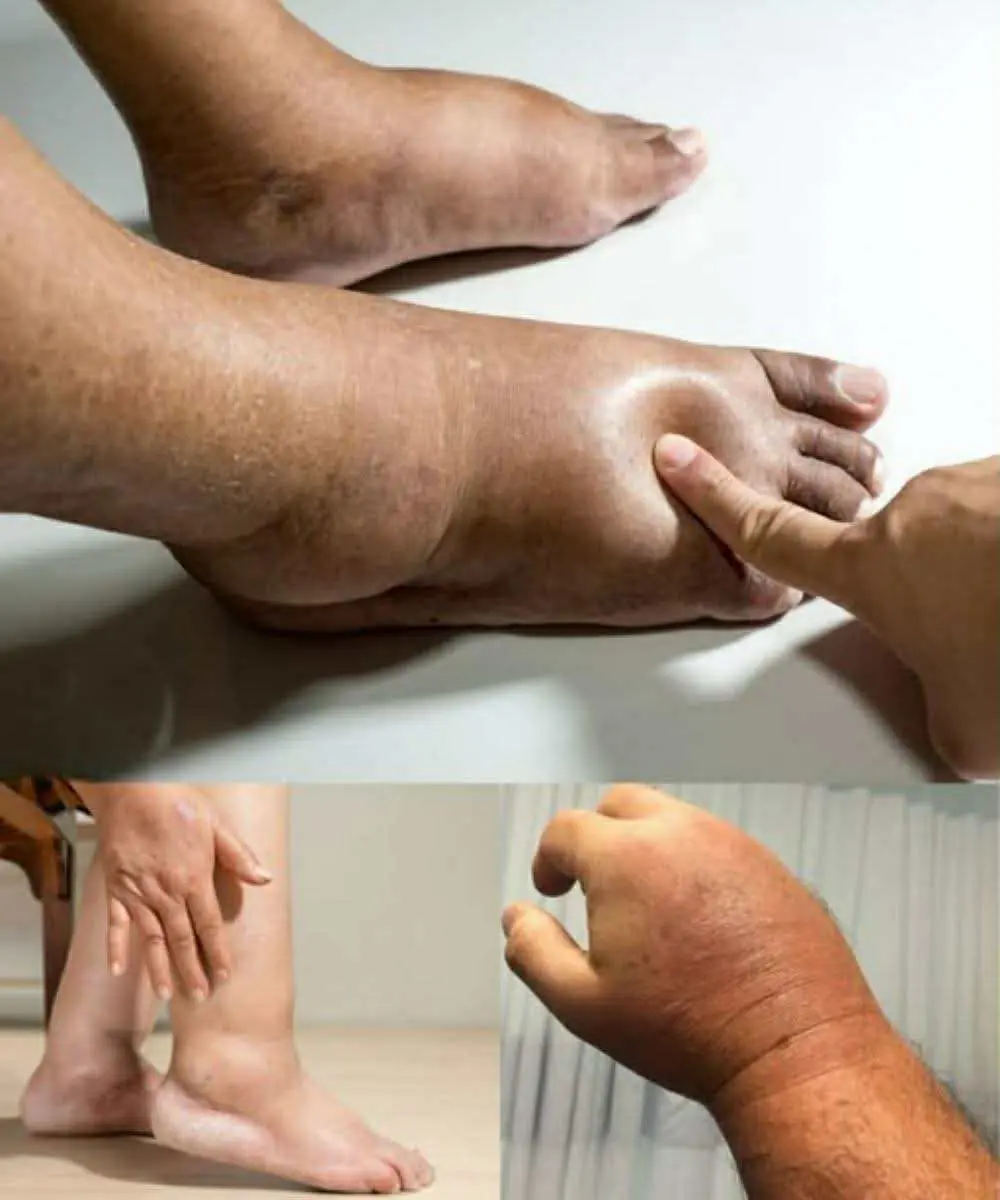
While medical evaluation is essential for persistent or severe swelling, small lifestyle and dietary adjustments can make a significant difference. Certain foods naturally support circulation, fluid balance, and inflammation control, helping the body return to equilibrium. Below are nine foods widely recognized for their potential to reduce swelling in the hands and feet.
1. Bananas: Nature’s Potassium Boost
Bananas are rich in potassium, vitamin C, and fiber. Potassium plays a critical role in regulating sodium levels in the body. When potassium intake is low, sodium tends to accumulate, leading to water retention and swelling. Eating bananas or other potassium-rich foods like avocados and oranges can help the body flush out excess sodium, restore balance, and ease fluid buildup. Even one banana a day can support steady circulation and reduce puffiness.
2. Cucumbers: Hydration and Connective Tissue Support
With 90% water content, cucumbers are one of the most hydrating vegetables. Dehydration is a frequent trigger for swelling, and adding cucumbers to salads, smoothies, or infused water is an easy way to keep fluid levels steady. Additionally, cucumbers provide silica and antioxidants that strengthen connective tissues, further supporting overall circulation.
3. Watermelon: A Refreshing Natural Diuretic
Sweet, juicy, and refreshing, watermelon offers more than hydration. It acts as a mild natural diuretic, helping the body release excess fluids that may cause swelling. Rich in vitamins A and C, as well as lycopene, watermelon also combats inflammation. A few slices on a hot day—or after long hours on your feet—can help soothe swelling while replenishing the body with nutrients.
4. Leafy Greens: Magnesium and Potassium Powerhouses
Dark leafy greens such as spinach, kale, and Swiss chard deliver a potent combination of magnesium and potassium. Magnesium relaxes blood vessels and improves circulation, while potassium continues the work of balancing sodium levels. Together, these nutrients help prevent water retention and swelling.
5. Berries: Antioxidant-Rich Inflammation Fighters
Blueberries, strawberries, raspberries, and blackberries are small but powerful allies in the fight against swelling. They are loaded with antioxidants—particularly anthocyanins—that protect blood vessels, reduce inflammation, and enhance circulation. A handful of fresh berries at breakfast or as a snack offers both sweetness and health benefits.
6. Pineapple: Bromelain for Recovery and Circulation
Fresh pineapple contains bromelain, a natural enzyme known for reducing inflammation and supporting blood flow. Athletes often consume pineapple after injuries to help manage swelling. Whether eaten fresh or enjoyed as juice, pineapple is a sweet, nutrient-dense way to encourage recovery and comfort.
7. Celery: A Gentle Natural Diuretic
Celery has long been recognized for its mild diuretic properties, helping reduce water retention and bloating. Its high fiber content also supports digestion, which indirectly reduces swelling. While raw celery provides more fiber, celery juice contains higher concentrations of water and butylphthalide, compounds that may enhance its diuretic effect. Both forms can be incorporated easily into daily meals.
8. Ginger and Turmeric: Potent Anti-Inflammatory Spices
Known for their centuries-old use in traditional medicine, ginger and turmeric are powerful anti-inflammatory spices. They improve circulation, reduce stiffness, and help manage swelling in hands and feet. Fresh ginger tea or turmeric-based soups and curries are simple, flavorful ways to tap into their benefits.
9. Nuts and Seeds: Magnesium for Fluid Balance
Although not hydrating like fruits and vegetables, nuts and seeds—particularly almonds, cashews, and sunflower seeds—are excellent sources of magnesium. This mineral supports fluid balance and circulation, easing swelling when consumed regularly. To maximize benefits, opt for unsalted varieties, since added sodium can counteract their positive effects.
Important Note
While these foods can support circulation and fluid balance, they are not a substitute for professional medical care. Persistent or unexplained swelling should always be evaluated by a healthcare provider to rule out serious conditions.
Final Thoughts
Swelling in the hands and feet is often a temporary inconvenience, but it can also be a sign of something more serious. A diet rich in potassium, magnesium, antioxidants, and hydrating foods can provide natural support for circulation and fluid regulation. By incorporating bananas, cucumbers, watermelon, leafy greens, berries, pineapple, celery, ginger, turmeric, and nuts into your meals, you give your body a helping hand in reducing swelling and maintaining balance.
A small change at the table can lead to a big difference in how you feel every day. 🌿