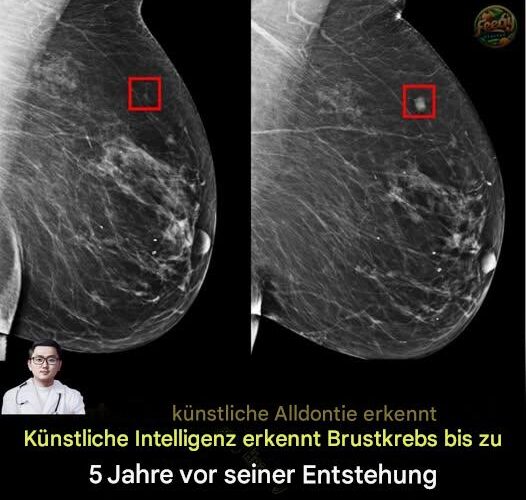
Die Früherkennung von Brustkrebs ist ein Schlüsselfaktor für die Verbesserung der Überlebensraten und der Lebensqualität der Patientinnen. Laut einer im JAMA Network Open veröffentlichten Studie und anderen aktuellen onkologischen Forschungsergebnissen entwickelt sich künstliche Intelligenz (KI) zu einem leistungsstarken Instrument, das den Ausbruch von Brustkrebs bis zu fünf Jahre vor der klinischen Entwicklung vorhersagen kann.
In diesem Artikel untersuchen wir, wie KI ihre Fähigkeit beweist, frühe Anzeichen der Krankheit zu erkennen, wie die Technologie funktioniert und wie die aktuellen und zukünftigen Aussichten für ihre medizinische Anwendung sind.
Die Evolution der Früherkennung
KI-basierte Früherkennungstechnologien basieren auf fortschrittlichen Algorithmen des maschinellen Lernens und tiefen neuronalen Netzwerken, die in der Lage sind, riesige Mengen mammografischer Daten zu analysieren. Diese Algorithmen werden anhand umfangreicher Datensätze trainiert, die von Gesundheitszentren weltweit gesammelt wurden. Ihr Ziel ist es, subtile Muster, Mikroverkalkungen und Gewebeanomalien zu erkennen, die mit herkömmlichen Screening-Methoden oft nicht erkennbar sind.
Die Studie im JAMA Network Open wertete Mammogramme von Tausenden Patientinnen aus mehreren Screening-Runden aus. Die Forscher fanden heraus, dass KI-Algorithmen bereits vier bis sechs Jahre vor einer Krebsdiagnose signifikante prädiktive Veränderungen der Risikowerte zeigten. Diese frühen Risikomarker basieren auf der Erkennung leichter Veränderungen der Brustgewebedichte und -texturasymmetrie – potenzielle Indikatoren für eine neoplastische Entwicklung.
So funktioniert Deep Learning
Deep Learning treibt diese KI-Tools durch Schichten miteinander verbundener neuronaler Netzwerke an, die Bilder Schritt für Schritt verarbeiten. Jede Schicht extrahiert zunehmend komplexere Merkmale – von einfachen Formen bis hin zu komplexeren Anomalien. Durch diesen Prozess kann KI subtile Muster erkennen, die mit dem Vorhandensein bösartiger Zellen korrelieren können.
Eine der wichtigsten Stärken von Deep Learning ist seine Fähigkeit, sich mit zunehmender Erfahrung zu verbessern – je mehr Mammogramme analysiert werden, desto genauer kann es Frühwarnzeichen erkennen. In der Praxis kann KI einen Risikowert vergeben, der die Wahrscheinlichkeit angibt, dass eine Patientin in Zukunft an Brustkrebs erkrankt.
Klinische Anwendungen
Im klinischen Umfeld soll KI Radiologen ergänzen, nicht ersetzen. Sie fungiert als zweiter Befunder, der Mammogramme priorisiert und analysiert. Fälle mit geringem Risiko werden schnell herausgefiltert, während Fälle mit hohem Risiko weiter untersucht und klinisch validiert werden.
Laut einer in der Fachzeitschrift Radiology veröffentlichten Studie reduzierte der Einsatz von KI die Arbeitsbelastung der Radiologen um bis zu 39,6 %, ohne die diagnostische Sensitivität zu beeinträchtigen. Diese Effizienz ermöglicht schnellere Diagnosen und ein rechtzeitiges medizinisches Eingreifen in Hochrisikofällen.
Wichtige Vorteile der KI bei der Früherkennung von Brustkrebs
- Erhöhte Sensibilität und Spezifität : KI kann Muster erkennen, die für das menschliche Auge zu subtil sind, wodurch die Wahrscheinlichkeit falsch-negativer Ergebnisse verringert wird.
- Arbeitserleichterung : Durch das Herausfiltern normaler Fälle ermöglicht KI den Radiologen, sich auf wirklich verdächtige Befunde zu konzentrieren.
- Personalisierte Pflege : Die KI-Risikobewertung hilft dabei, die Überwachung und Nachsorge auf einzelne Patienten abzustimmen.
- Langzeitüberwachung : KI kann subtile Veränderungen im Brustgewebe im Laufe der Zeit verfolgen und so eine frühere Erkennung ermöglichen – manchmal Jahre bevor Symptome auftreten.
Zukunftsaussichten
Die Integration von KI in die Brustkrebserkennung signalisiert eine vielversprechende Zukunft für die personalisierte Medizin. Durch die Weiterentwicklung dieser Algorithmen und die bessere Integration in elektronische Patientenakten können Ärzte präzisere Diagnosen und proaktive Behandlungen durchführen – noch bevor Symptome auftreten.
Darüber hinaus wird erwartet, dass KI in der Krebsforschung eine immer größere Rolle spielen wird. Durch den Zugriff auf strukturiertere Daten können Forscher Brustkrebs besser verstehen und evidenzbasierte Therapien entwickeln.
Abschluss
Künstliche Intelligenz eröffnet neue Möglichkeiten in der Früherkennung von Brustkrebs und liefert innovative und vielversprechende Ergebnisse. Einige Studien deuten darauf hin, dass KI Warnsignale Jahre früher erkennen kann als herkömmliche Methoden – und so die Behandlungsergebnisse deutlich verbessert.
Durch Deep Learning und fortschrittliche Bildanalyse verbessert KI die diagnostische Präzision und bietet neue Hoffnung für eine frühzeitige Intervention. Im Kampf gegen Brustkrebs könnte dieser technologische Fortschritt ein lebensrettender Durchbruch sein.
37,368 HFMD cases logged nationwide
MANILA, Philippines — The Department of Health (DOH) has reported a sharp rise in hand, foot and mouth disease (HFMD) cases nationwide, with figures showing a nearly 750 percent increase compared to last year.
📈 HFMD Cases Spike Among Young Children
DOH data showed that as of August 9, there have been 37,368 HFMD cases across the country since January — far higher than the 5,081 cases recorded during the same period in 2024.
Health officials noted that most of the patients are children aged one to three years old, consistent with the disease’s prevalence among children under five.
While HFMD is generally mild and self-limiting, the DOH warned that complications such as meningitis, encephalitis, and polio-like paralysis can occur if left untreated.
🦠 Transmission and Symptoms
HFMD spreads easily through direct contact with infected individuals, as well as through droplets and contaminated objects.
Common symptoms include:
- Fever lasting one to two days
- Painful mouth sores
- Rashes and blisters on the hands, feet, and buttocks
Patients are advised to undergo isolation for seven to 10 days until fever subsides and rashes disappear.
The DOH emphasized the importance of strict hygiene practices:
- Utensils and personal items used by the patient must be kept separate and disinfected.
- The isolation room must be thoroughly cleaned once the patient recovers.
Health Secretary Ted Herbosa underscored the need to teach children proper handwashing techniques, especially if they have been exposed to HFMD cases.
💡 Preventive Measures
To reduce the spread of HFMD, health experts recommend:
- Frequent handwashing with soap and water
- Regular disinfection of frequently touched surfaces
- Wearing protective gear (masks, gloves, gowns) when caring for an infected patient
🌧️ Leptospirosis Cases Decline
In contrast, leptospirosis cases — which surged following recent tropical storms — are now on a downward trend.
Only 18 cases were reported nationwide from August 17 to 21, a significant drop from the 1,112 cases recorded in the week following storms Crising, Dante, and Emong earlier this month.
Since the rainy season officially began on June 8, the country has reported 4,436 leptospirosis cases.
State-run hospitals have noted declining admissions:
- Tondo Medical Center reported seven new cases.
- National Kidney and Transplant Institute recorded just one.
- East Avenue Medical Center reported none.
To ensure swift care, the DOH has established fast lanes in hospitals specifically for leptospirosis patients.
✅ Outlook
The DOH continues to monitor both HFMD and leptospirosis closely, urging the public to remain vigilant. While HFMD cases climb at an alarming rate, the recent decline in leptospirosis offers a reminder that strict prevention and early intervention are key to controlling infectious disease outbreaks.
When Nighttime Leg Cramps Become a Concern
Waking up in the middle of the night with a stabbing pain in your calf is more common than you might think. Nighttime leg cramps—sudden, involuntary muscle contractions, often in the calves or feet—affect millions of people. While they’re often dismissed as harmless or attributed to aging or dehydration, sometimes these cramps can signal something deeper.
The Occasional Cramp: Usually Harmless
Most nighttime cramps are benign and may be triggered by:
- Overuse of muscles during the day
- Dehydration
- Prolonged standing or sitting
- Sleeping with feet in awkward positions
- Electrolyte imbalances (low magnesium, potassium, or calcium)
- Pregnancy
They often resolve with gentle stretching and may not return for weeks.
When to Be Concerned
Nighttime leg cramps become a medical concern when:
- They occur frequently – More than three nights a week could signal poor circulation or nerve issues.
- Pain is severe or long-lasting – Cramps that linger or leave muscles sore for hours may suggest circulatory or neurological problems.
- Sleep is disrupted – Chronic interruptions can cause fatigue, irritability, or even depression.
- Other symptoms appear – Such as muscle weakness, swelling, numbness, tingling, dark urine, or unexplained fatigue. These may be linked to conditions like peripheral artery disease, kidney dysfunction, neuropathy, or electrolyte imbalances.
- They follow new medications – Diuretics, statins, beta blockers, and certain asthma drugs can trigger cramps.
- You have underlying health issues – Older adults, or those with diabetes, vascular disease, or thyroid problems, may be more at risk.
Common Causes of Nighttime Leg Cramps
- Dehydration – Low fluid levels affect circulation and nerve signaling.
- Electrolyte imbalance – Deficiency in magnesium, potassium, or calcium disrupts muscle function.
- Poor circulation – Reduced blood flow leads to cramping.
- Nerve compression – Spinal stenosis or similar conditions can interfere with signals.
- Inactivity – Sitting or lying in one position too long.
- Overexertion – Vigorous exercise without proper recovery.
How to Prevent Nighttime Leg Cramps
- Stretch before bed – Gentle calf, hamstring, and ankle stretches keep muscles relaxed.
- Stay hydrated – Aim for 6–8 glasses of water daily, plus electrolyte-rich foods like bananas, spinach, or avocados.
- Replenish electrolytes – Magnesium (pumpkin seeds, almonds), potassium (sweet potatoes, oranges), calcium (dairy, tofu), and sodium in moderation.
- Move throughout the day – Walk, stretch, or change positions regularly. Low-impact exercise supports circulation.
- Wear supportive shoes – Avoid high heels and flat, unsupportive shoes. Use cushioned soles or orthotics if needed.
- Adjust your sleep position – Keep feet neutral or flexed; avoid pointing toes downward. Try a pillow under your knees or feet.
- Use warmth and massage – Warm baths, heating pads, or gentle leg massages before bed can ease tight muscles.
- Limit alcohol and caffeine – Both can dehydrate and disturb sleep. Swap evening drinks for herbal tea.
- Check medications – Talk to your doctor if cramps started after beginning a new prescription.
- Consider magnesium supplements – Safe in moderate doses (200–400 mg daily), especially for older adults or pregnant women. Always consult your doctor first.
Preparing Your Muscles for Rest
Preventing nighttime leg cramps means preparing your body for sleep—hydrated, stretched, and relaxed. Just as you brush your teeth before bed, making stretching and hydration a nightly ritual can help ensure you wake up pain-free.
Why Climbing Stairs Daily Is a Small Habit With Big Health Benefits
When it comes to healthy lifestyle changes, many people imagine gym memberships, intense workouts, or restrictive diets. But one of the most effective—and most overlooked—forms of exercise could be right in front of you every day: the stairs.
Choosing the stairs over the elevator may seem like a small decision, but it’s a powerful, full-body workout in disguise.
🔥 A Calorie-Burning Everyday Exercise
Stair climbing is a vigorous form of physical activity that engages the legs, glutes, and core while quickly elevating the heart rate. Compared to walking on flat ground, it burns significantly more calories in the same amount of time.
- On average, climbing stairs burns 8–11 calories per minute, depending on body weight and intensity.
- Just 10 minutes a day can burn around 70 calories.
- Over the course of a year, that adds up to more than 25,000 calories—equivalent to 3.5 to 5 kilograms (7–11 pounds) of body fat, assuming diet and other lifestyle factors remain consistent.
This makes stair climbing one of the simplest ways to create a natural calorie deficit without changing your schedule.
💓 More Than Weight Loss: Full-Body Benefits
Beyond calorie burn, stair climbing offers a wide range of health benefits:
- Improves cardiovascular fitness: Strengthens the heart and lungs.
- Builds muscle and endurance: Engages the quads, calves, hamstrings, and glutes while improving stamina.
- Strengthens bones: Weight-bearing movement supports bone density and joint health.
- Boosts mental health: Short bursts of activity release endorphins, helping reduce stress and fatigue.
Unlike repetitive machine workouts, stair climbing also incorporates balance and coordination, making it a functional exercise that prepares you for daily life.
🏃 How to Make It a Daily Habit
The beauty of stair climbing is that it requires no special equipment or time commitment. Small choices add up over time:
- Take the stairs instead of the elevator or escalator.
- Add short “stair breaks” during work hours.
- Challenge yourself with extra flights for endurance.
- Combine with walking for a quick cardio session.
✅ Final Word: A Simple Step Toward Better Health
Climbing stairs is free, accessible, and adaptable for most fitness levels. By consistently choosing stairs over elevators, you can burn thousands of extra calories a year, strengthen your body, and improve heart health—all without stepping into a gym.
Sometimes the most powerful lifestyle changes are also the simplest. The next time you face a choice between the elevator and the stairs, remember: every step is an investment in your long-term health.