
Kaum ein Lebensmittel hat so viele Debatten ausgelöst wie das Ei. Jahrzehntelang warnten Experten vor dem Verzehr, da der Cholesteringehalt die Herzgesundheit gefährde. Jahre später drehten neue Forschungsergebnisse die Debatte um und priesen Eier als nährstoffreiches Superfood. Was bedeutet das für uns? Kann man Eier ohne schlechtes Gewissen genießen?
Eier und Cholesterin: Die Fakten
Es stimmt – Eier enthalten viel Cholesterin. Die Wissenschaft sagt uns jedoch Folgendes: Etwa 80 % des Cholesterins wird von der Leber produziert , während nur 20 % über die Ernährung stammen. Was das Risiko für Herzerkrankungen tatsächlich erhöht, sind Transfette, übermäßiger Zucker und verarbeitete Kohlenhydrate , nicht das Cholesterin aus Eiern, das bei den meisten gesunden Menschen vorkommt.
Cholesterin selbst ist nicht der Bösewicht, als der es oft dargestellt wird. Es ist lebenswichtig für die Gehirnfunktion, die Nervengesundheit, den Hormonhaushalt, die Vitamin-D-Produktion und die Zellstruktur. Es gibt zwei Haupttypen:
- HDL („gutes“ Cholesterin): schützt die Arterien.
- LDL („schlechtes“ Cholesterin): kann Plaque bilden, der die Arterien verstopft.
Untersuchungen zeigen, dass Ihr Körper bei Verzehr cholesterinreicher Nahrungsmittel auf natürliche Weise weniger Cholesterin produziert, um das Gleichgewicht aufrechtzuerhalten.
Warum Eier einen Platz auf Ihrem Teller verdienen
Eier enthalten zwar Cholesterin, sind aber arm an gesättigten Fettsäuren – dem eigentlichen Grund für erhöhtes LDL-Cholesterin. Noch wichtiger ist jedoch, dass sie wahre Nährstoffbomben sind:
- Proteinreich: Enthält alle essentiellen Aminosäuren für Muskelwachstum und -reparatur.
- Gehirn-Booster: Vollgepackt mit Cholin, das Gedächtnis und Wahrnehmung unterstützt.
- Augengesundheit: Enthält Antioxidantien wie Lutein und Zeaxanthin.
- Gewichtskontrolle: Hält Sie länger satt und hilft bei der Appetitkontrolle.
- Reich an Vitaminen und Mineralien: A, D, E, B12, Selen, Folsäure, Phosphor und gesunde Omega-3-Fette.
Einfach und vielseitig
Eier gehören zu den einfachsten und vielseitigsten Lebensmitteln. Genießen Sie sie gekocht, gerührt, pochiert, gebraten, in Omeletts oder als Beilage zu Salaten und Backwaren. Für noch mehr Nährstoffe wählen Sie Eier aus Freilandhaltung , die oft einen höheren Gehalt an Omega-3-Fettsäuren und Vitaminen aufweisen.
Das Fazit
Eier sind unbedenklich, nahrhaft und unglaublich einfach zuzubereiten. Sofern Sie nicht unter einer bestimmten Erkrankung leiden, die eine Einschränkung erfordert, ist der Verzehr von ein oder zwei Eiern pro Tag nicht nur unbedenklich, sondern auch vorteilhaft.
Machen Sie es sich also beim nächsten Frühstück nicht zu kompliziert – schlagen Sie einfach ein Ei auf, kochen Sie es nach Ihren Wünschen und genießen Sie den Genuss.
Health Bruce Willis Moved to Specialized Care Facility as Dementia Progresses, Living Apart from His Family
For decades, Bruce Willis has been one of Hollywood’s most iconic stars. From his breakthrough role as the wisecracking detective in Moonlighting to his legendary performance as John McClane in Die Hard, Willis built a career that defined generations of moviegoers. He was the tough guy with a sharp wit, the tender father in heartwarming roles, and the rare actor who could make audiences laugh and cry in the same breath. For millions of fans, Bruce Willis wasn’t just a celebrity—he was part of their own lives, his films tied to cherished memories with friends and family.
That is why news of his ongoing health struggles has touched such a deep chord.
💔 A Difficult Diagnosis
In 2022, Willis’s family revealed that he had been diagnosed with frontotemporal dementia (FTD)—a degenerative condition that impacts behavior, speech, and cognitive function. Over time, the disease has taken a significant toll, and in recent months, it was confirmed that Willis has been moved to a specialized care facility designed to support his daily needs.
This transition also means living apart from his wife, Emma Heming Willis, their two young daughters, and his three older children from his marriage to Demi Moore. For a family that has long been known for its remarkable closeness—celebrating holidays, milestones, and birthdays together—the separation marks a painful shift.
🌟 Remembering the Bruce Willis We Know
What makes this chapter especially heartbreaking is remembering who Bruce Willis has always been: energetic, charismatic, and full of life. His sharp humor, signature smirk, and undeniable screen presence made him one of Hollywood’s most beloved figures. To see that fade under the weight of dementia is painful not only for his loved ones, but also for millions of fans who admired his resilience both on and off screen.
It’s a reminder that dementia does not discriminate. Even the strongest heroes we idolize are still human, vulnerable to the same illnesses that affect countless families worldwide.
🏡 Life in Care, Surrounded by Love
According to family and friends, the facility where Bruce now resides offers safety, compassion, and specialized expertise for patients with dementia. Loved ones visit frequently, ensuring that while the setting has changed, the bonds of family remain unshaken.
Emma Heming Willis has spoken openly about this new reality, stressing that love and presence are what matter most. Though the family has had to adjust to circumstances they never imagined, their priority has always been Bruce’s dignity, peace, and comfort.
🌍 A Story That Resonates Beyond Hollywood
Bruce Willis’s journey is more than a celebrity story—it shines a light on the need for greater awareness, empathy, and research surrounding dementia. His family’s openness has given visibility to a condition that affects millions, while also reminding fans that the best way to honor him is to celebrate his remarkable legacy.
Whether it’s cheering for Die Hard, smiling at The Kid, or laughing through Moonlighting, Willis’s work continues to bring joy and connection across generations.
🎬 Legacy Untouched
While his life looks different today, one truth remains unshakable: Bruce Willis’s legacy as a Hollywood icon and devoted family man endures.
His story reminds us that behind every legend is a human being—and that love, presence, and memory are what last long after the spotlight fades.
BE CAREFUL, if you get these bruises on your body, it means you have…
Have you ever noticed that you bruise easily? Those black-and-blue marks that eventually turn yellow may not only look unsightly, but sometimes they’re painful and even a sign of something more serious. While bruises often result from harmless bumps or injuries, in some cases they can indicate an underlying medical issue.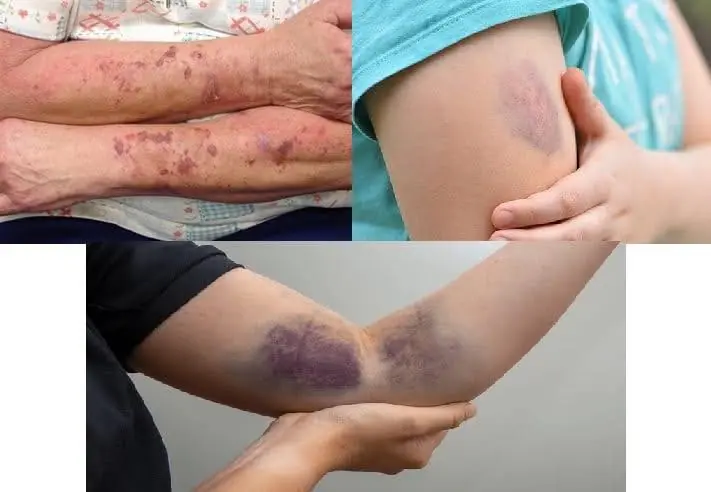
This article explains what bruises are, why they form, possible causes—including vitamin deficiencies—and when you should consult a doctor.
What Is a Bruise?
The medical term for a bruise is ecchymosis. It happens when small blood vessels break under the skin, causing blood to pool beneath the surface. Unlike a cut where blood escapes outside the body, bruises trap blood internally.
Common causes include bumping into furniture, minor falls, or even having blood drawn. The bruise appears dark red, purple, blue, or black at first, then changes colors—green, yellow, or brown—as your body reabsorbs the blood during healing.
When to Be Concerned
Bruises on arms and legs are usually harmless. However, you should see a doctor if:
- Bruises appear on your abdomen, back, genitals, ears, or hands.
- They occur frequently without clear cause.
- They do not begin to fade within a few days.
- They last longer than two weeks.
Vitamin Deficiencies Linked to Bruising
Certain vitamin shortages can make you bruise more easily:
- Vitamin C deficiency: Vitamin C is essential for producing collagen, which strengthens blood vessels. Without enough, vessels become fragile and bruise easily. Smokers are particularly at risk.
- Vitamin K deficiency: Vitamin K is crucial for blood clotting and capillary strength. Low levels may slow clotting and increase bruising.
- Vitamin D and B vitamins: Low levels can also contribute to increased susceptibility to bruising.
Other Causes of Bruising
- Dietary supplements: Ginkgo, ginseng, garlic, ginger, omega-3s, saw palmetto, and vitamin E can thin the blood and make bruising more likely.
- Medications: Blood thinners, aspirin, ibuprofen, steroids, certain antibiotics, and antidepressants may all increase bruising risk.
- Aging: Thinner skin and weaker blood vessels make older adults more prone to bruises.
- Sun damage: Years of sun exposure can weaken blood vessels.
- Medical conditions: Diabetes, anemia, hemophilia, leukemia, and lymphoma can all affect clotting or vessel strength.
- Sports injuries: Contact sports often cause contusions—another name for bruises—from direct impacts.
Treatment and Prevention
Most bruises heal on their own, but you can speed recovery and reduce discomfort with:
- RICE method: Rest, ice, compression, and elevation.
- Heat: After a few days, apply a warm compress to promote healing.
- Pain relief: Use acetaminophen, but avoid aspirin or ibuprofen if bruising is the concern.
- Fall prevention: Improve home lighting, clear floor clutter, and secure cords or rugs to reduce risk.
- Skin care: Protect fragile skin with ointments or bandages to prevent infection if the skin breaks.
If you suspect your bruises are linked to supplements or medications, get your vitamin levels tested and talk with your doctor.
Final Thoughts
Most bruises are harmless reminders of everyday bumps. But persistent, severe, or unexplained bruising should not be ignored. They may be your body’s way of signaling a deficiency or an underlying medical condition. Consulting your doctor can help you find the cause and take steps toward better health.
German Scientists Develop Regenerative Gel That Could Transform Joint Treatment
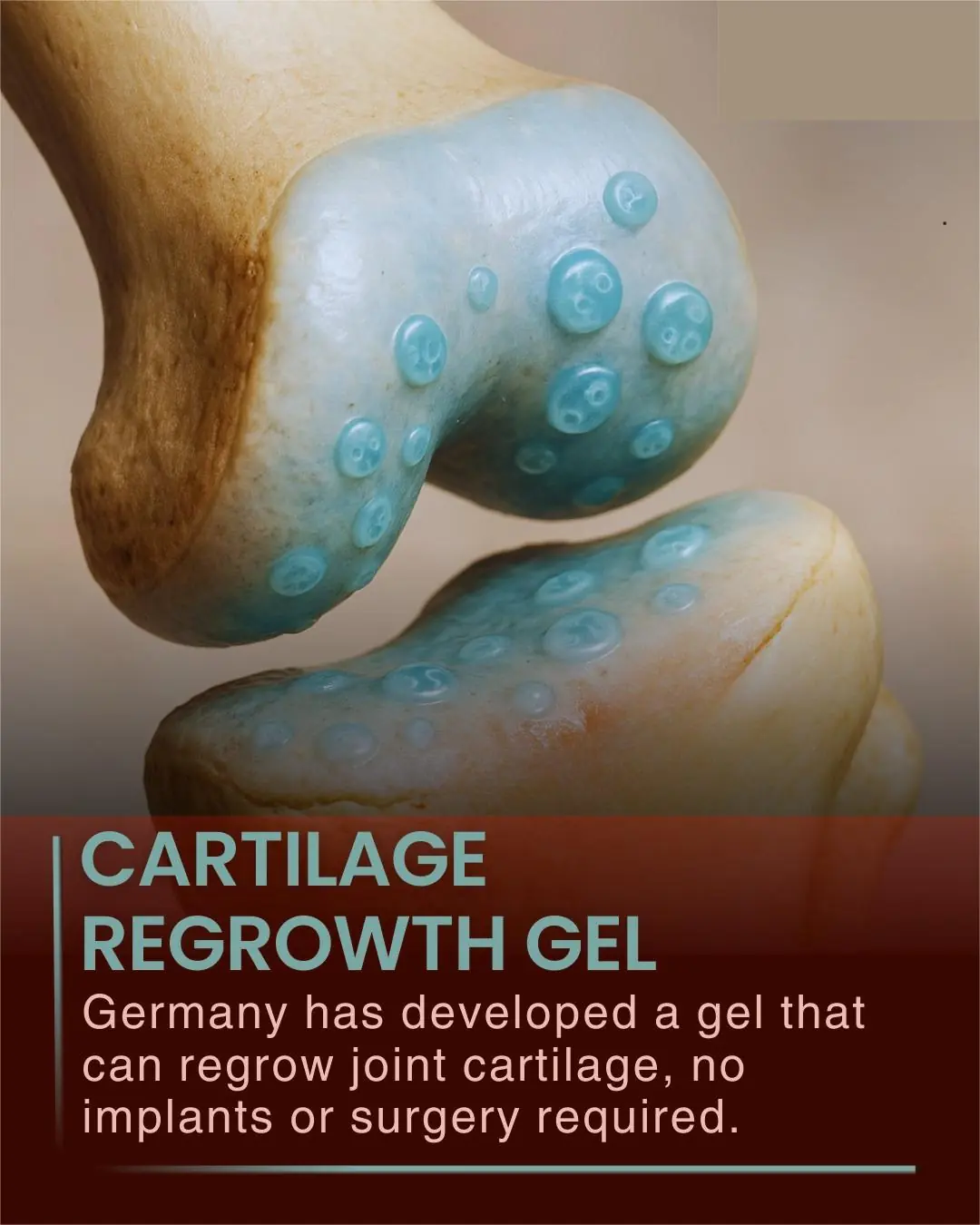
A groundbreaking medical discovery from Germany may soon revolutionize the way joint injuries and arthritis are treated. Scientists have developed an innovative bioactive gel that stimulates the body’s own cells to regrow damaged cartilage, offering a non-invasive alternative to surgery and implants.
Harnessing the Body’s Natural Healing Power
Unlike traditional methods such as joint replacement or synthetic implants, the gel works by activating the body’s natural repair mechanisms. Once applied, it encourages cartilage cells to regenerate, restoring the joint’s flexibility, cushioning, and function.
“Instead of replacing what’s lost, we’re teaching the body to rebuild itself,” researchers explained. This breakthrough has the potential to change treatment pathways for conditions that have long been considered irreversible.
Promising Early Results
In early clinical trials, patients treated with the gel reported reduced pain, improved mobility, and significantly shorter recovery times compared with those undergoing conventional therapies. For many, it meant a return to daily activities without the lengthy rehabilitation or risks associated with invasive surgery.
A Hopeful Future for Millions
The implications are vast. Arthritis alone affects hundreds of millions worldwide, while sports-related cartilage injuries are a leading cause of disability in younger adults. This regenerative gel could offer a safe, effective solution for both groups.
By reducing reliance on surgical procedures, the treatment also lowers risks of infection, implant failure, and other complications, while minimizing healthcare costs.
Redefining Joint Care
Although more research and large-scale trials are needed, experts believe this innovation could reshape the future of orthopedics. If successful, it would mark a shift from repair through replacement to repair through regeneration.
“This is a paradigm shift in joint medicine,” said one orthopedic specialist not involved in the study. “The ability to regrow cartilage naturally could transform the quality of life for millions of patients.”
For now, patients and doctors alike are watching closely as the research progresses. The prospect of restoring mobility and freedom—without going under the knife—brings new hope in the fight against joint degeneration.