
Bei einer 54-jährigen Frau wurde aufgrund eines Symptoms, das viele Menschen oft ignorieren, festgestellt, dass sie Schilddrüsenkrebs hat: ein kleiner Knoten im Hals.
Dachte, es sei nur ein geschwollener Lymphknoten, aber es stellte sich heraus, dass es Schilddrüsenkrebs war
Frau Hien bemerkte einen Knoten in ihrem Hals, der schon seit fast einem Monat da war. Zuerst dachte sie, es sei ein harmloser, geschwollener Lymphknoten, der von selbst verschwinden würde. Doch nach zwei Wochen wurde der Knoten größer und schmerzte bei Druck, sodass sie einen Arzt aufsuchte.
Im Tam Anh General Hospital in Ho-Chi-Minh-Stadt stellten die Ärzte bei ihr einen multinodulären Kropf mit überwiegend gutartigen Knoten fest. Ein Knoten war drei Zentimeter groß und wies Anzeichen innerer Blutungen auf, die vermutlich die Schmerzen verursachten. Ein weiterer Knoten im Isthmus der Schilddrüse (dem schmalen Gewebeband, das die beiden Schilddrüsenlappen verbindet) war 14 x 9 Millimeter groß und wurde in die Kategorie TIRADS 3 eingestuft – eine Kategorie, die allgemein als geringes Risiko für bösartige Erkrankungen gilt.
Die Operation war die richtige Entscheidung
Obwohl die Knoten gutartig erschienen, entschieden sich die Ärzte für eine Operation zur Entfernung eines Schilddrüsenlappens und eines Teils des anderen, um alle Knoten zu beseitigen und das Risiko eines erneuten Wachstums oder einer bösartigen Erkrankung zu verringern.
Während der zweistündigen Operation entfernte das Operationsteam erfolgreich das betroffene Schilddrüsengewebe und schonte dabei wichtige Nerven und Blutgefäße. Der Patient erholte sich schnell und ohne Komplikationen wie Heiserkeit oder Taubheitsgefühle und konnte bereits zwei Tage nach der Operation entlassen werden.
Krebsdiagnose durch Pathologie bestätigt
Eine Woche später ergaben die pathologischen Ergebnisse, dass unter den vielen Knoten ein winziger, 3 mm großer Knoten bösartig war. Die endgültige Diagnose lautete: follikuläre Variante eines papillären Schilddrüsenkarzinoms im Frühstadium.
Dr. Phan Vu Hong Hai betonte die Bedeutung einer postoperativen histopathologischen Untersuchung, da bildgebende Verfahren allein nicht immer eine Bösartigkeit erkennen lassen. Durch eine rechtzeitige Operation konnte der Krebs vollständig entfernt und ein Teil der Schilddrüse erhalten werden, wodurch eine vollständige Abhängigkeit von Schilddrüsenhormonen vermieden wurde.
Schilddrüsenkrebs tritt immer häufiger auf – hat aber eine gute Prognose
Laut Dr. Le Thi Ngoc Hang wird Schilddrüsenkrebs in vier Haupttypen eingeteilt: papillär, follikulär, medullär und anaplastisch. Der Fall von Frau Hien – eine follikuläre Variante des papillären Schilddrüsenkarzinoms – gehört zu den Typen mit einer sehr günstigen Prognose. Bei richtiger Behandlung liegt die 5-Jahres-Überlebensrate bei über 98 %.
Im Frühstadium von Schilddrüsenkrebs treten jedoch häufig keine offensichtlichen Symptome auf. Aufmerksame Personen können Anzeichen wie einen Knoten im Hals, Schluckbeschwerden, Nackenbeschwerden, Heiserkeit oder unerklärlichen Gewichtsverlust bemerken.
Wie kann man Schilddrüsenkrebs vorbeugen?
Experten empfehlen Folgendes zur Vorbeugung von Schilddrüsenkrebs:
- Lassen Sie sich regelmäßig ärztlich untersuchen, insbesondere wenn in Ihrer Familie Schilddrüsenerkrankungen vorkommen.
- Ernähren Sie sich gesund und essen Sie viel Blattgemüse, frisches Obst, Vollkornprodukte und Ballaststoffe.
- Begrenzen Sie verarbeitete Lebensmittel und ungesunde Fette und sorgen Sie für eine ausreichende Jodzufuhr.
- Achten Sie auf einen gesunden Lebensstil: Vermeiden Sie das Rauchen, beschränken Sie Ihren Alkoholkonsum und bewältigen Sie Stress.
- Wenn Sie ungewöhnliche Nackensymptome bemerken, suchen Sie frühzeitig einen Arzt auf, um eine rechtzeitige Diagnose und Behandlung zu gewährleisten.
Foods that can ease swelling in hands and feet
Swelling in the hands and feet is a common condition that most people experience at some point. In many cases, it is mild and temporary, caused by factors such as prolonged sitting, standing, or minor circulation issues. However, when swelling appears suddenly, worsens over time, or is accompanied by other symptoms, it may signal an underlying health concern such as heart, kidney, or liver problems. 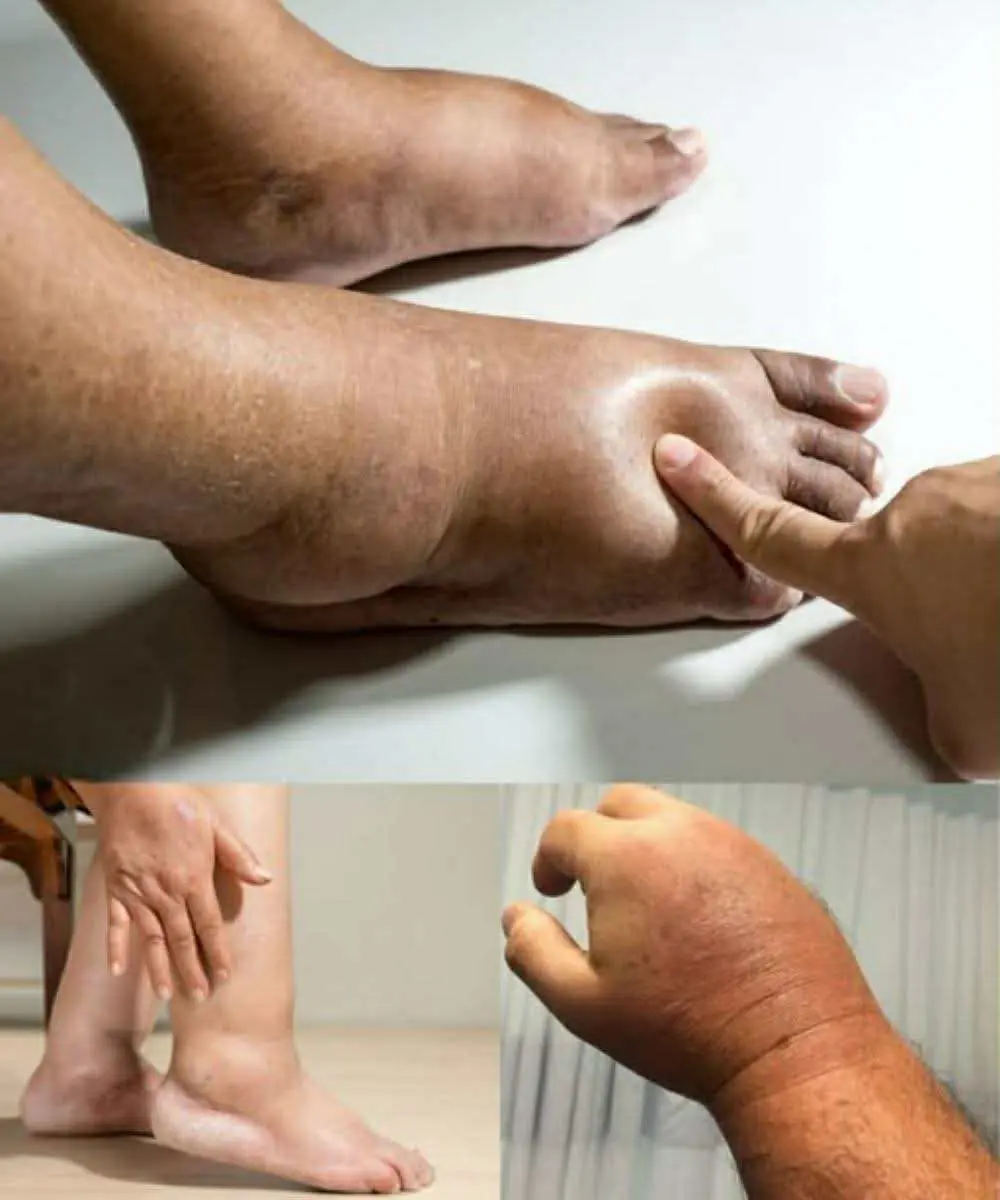
While medical evaluation is essential for persistent or severe swelling, small lifestyle and dietary adjustments can make a significant difference. Certain foods naturally support circulation, fluid balance, and inflammation control, helping the body return to equilibrium. Below are nine foods widely recognized for their potential to reduce swelling in the hands and feet.
1. Bananas: Nature’s Potassium Boost
Bananas are rich in potassium, vitamin C, and fiber. Potassium plays a critical role in regulating sodium levels in the body. When potassium intake is low, sodium tends to accumulate, leading to water retention and swelling. Eating bananas or other potassium-rich foods like avocados and oranges can help the body flush out excess sodium, restore balance, and ease fluid buildup. Even one banana a day can support steady circulation and reduce puffiness.
2. Cucumbers: Hydration and Connective Tissue Support
With 90% water content, cucumbers are one of the most hydrating vegetables. Dehydration is a frequent trigger for swelling, and adding cucumbers to salads, smoothies, or infused water is an easy way to keep fluid levels steady. Additionally, cucumbers provide silica and antioxidants that strengthen connective tissues, further supporting overall circulation.
3. Watermelon: A Refreshing Natural Diuretic
Sweet, juicy, and refreshing, watermelon offers more than hydration. It acts as a mild natural diuretic, helping the body release excess fluids that may cause swelling. Rich in vitamins A and C, as well as lycopene, watermelon also combats inflammation. A few slices on a hot day—or after long hours on your feet—can help soothe swelling while replenishing the body with nutrients.
4. Leafy Greens: Magnesium and Potassium Powerhouses
Dark leafy greens such as spinach, kale, and Swiss chard deliver a potent combination of magnesium and potassium. Magnesium relaxes blood vessels and improves circulation, while potassium continues the work of balancing sodium levels. Together, these nutrients help prevent water retention and swelling.
5. Berries: Antioxidant-Rich Inflammation Fighters
Blueberries, strawberries, raspberries, and blackberries are small but powerful allies in the fight against swelling. They are loaded with antioxidants—particularly anthocyanins—that protect blood vessels, reduce inflammation, and enhance circulation. A handful of fresh berries at breakfast or as a snack offers both sweetness and health benefits.
6. Pineapple: Bromelain for Recovery and Circulation
Fresh pineapple contains bromelain, a natural enzyme known for reducing inflammation and supporting blood flow. Athletes often consume pineapple after injuries to help manage swelling. Whether eaten fresh or enjoyed as juice, pineapple is a sweet, nutrient-dense way to encourage recovery and comfort.
7. Celery: A Gentle Natural Diuretic
Celery has long been recognized for its mild diuretic properties, helping reduce water retention and bloating. Its high fiber content also supports digestion, which indirectly reduces swelling. While raw celery provides more fiber, celery juice contains higher concentrations of water and butylphthalide, compounds that may enhance its diuretic effect. Both forms can be incorporated easily into daily meals.
8. Ginger and Turmeric: Potent Anti-Inflammatory Spices
Known for their centuries-old use in traditional medicine, ginger and turmeric are powerful anti-inflammatory spices. They improve circulation, reduce stiffness, and help manage swelling in hands and feet. Fresh ginger tea or turmeric-based soups and curries are simple, flavorful ways to tap into their benefits.
9. Nuts and Seeds: Magnesium for Fluid Balance
Although not hydrating like fruits and vegetables, nuts and seeds—particularly almonds, cashews, and sunflower seeds—are excellent sources of magnesium. This mineral supports fluid balance and circulation, easing swelling when consumed regularly. To maximize benefits, opt for unsalted varieties, since added sodium can counteract their positive effects.
Important Note
While these foods can support circulation and fluid balance, they are not a substitute for professional medical care. Persistent or unexplained swelling should always be evaluated by a healthcare provider to rule out serious conditions.
Final Thoughts
Swelling in the hands and feet is often a temporary inconvenience, but it can also be a sign of something more serious. A diet rich in potassium, magnesium, antioxidants, and hydrating foods can provide natural support for circulation and fluid regulation. By incorporating bananas, cucumbers, watermelon, leafy greens, berries, pineapple, celery, ginger, turmeric, and nuts into your meals, you give your body a helping hand in reducing swelling and maintaining balance.
A small change at the table can lead to a big difference in how you feel every day. 🌿
Why Seniors Should Avoid Early Morning Baths
For many people, daily bathing brings a sense of refreshment and good health. However, for those over 70, the timing of a bath can make a big difference.
Morning Baths and Liver Health
As we age, blood circulation slows down. Taking a hot bath immediately after waking causes blood to rush to the skin, reducing blood flow to internal organs. Experts warn that this can “put extra strain on the liver,” especially in individuals with fatty liver, hepatitis, or cirrhosis.
Risks to Watch Out For
- Worsening Fatty Liver: Hot baths may cause blood pressure fluctuations that aggravate metabolic problems.
- Hepatitis Reactivation: Sudden temperature changes can stress the immune system.
- Cirrhosis Complications: Increases the risk of reduced detoxification and swelling.
- Gallbladder Strain & Dehydration: Early-morning dehydration plus heat may hinder bile flow and toxin elimination.
A Safer Approach
Doctors recommend:
- Waiting at least one hour after waking before bathing.
- Using lukewarm water instead of very hot water.
- Drinking enough water before bathing.
- Limiting bath time to 10–15 minutes.
👉 These small adjustments can help protect your liver and keep your mornings safe.
A Sweet Tradition: What Happens When You Eat 2 Dates a Day for a Month
When I was growing up, my grandmother always kept a little wooden bowl on the counter filled with dates. She called them “nature’s candy” — sweet, sticky, and full of comfort. If anyone in the family felt tired, moody, or in need of a gentle pick-me-up, she’d smile and say:
“Go have two dates, dear. Let nature do her magic.”
Back then, no one talked about antioxidants or minerals. We simply trusted the wisdom handed down through generations: the earth provides what we need. And dates? They were tiny golden treasures of sweetness and strength.
🍂 Why Just 2 Dates a Day?
You don’t need a handful. Just two dates each day is enough to enjoy their gentle, folk-believed benefits. While they aren’t a medicine or miracle cure, here’s what many people have noticed after making them a daily habit:
🌟 Gentle Health Support (As Passed Down in Folk Wisdom)
- Natural Energy Lift – Thanks to natural sugars like glucose and fructose, dates may help you feel more awake — without the caffeine crash.
- Digestive Comfort – Their natural fiber supports healthy digestion and may ease occasional bloating or sluggishness.
- Heart & Circulation Support – Folk traditions link the potassium and magnesium in dates with better circulation and overall heart wellness.
- Bone Strength – Grandmothers often praised dates for their minerals, especially calcium, believed to help keep bones steady and strong.
- Mood & Mind Balance – Dates bring more than sweetness — many people find they lift the mood, ease tension, and encourage calm focus.
(Of course, these are traditional beliefs, not medical guarantees. For health concerns, always seek professional advice.)
🥣 How to Enjoy Your Daily Dates
Ingredients:
- 2 medium-sized dates (Medjool, Deglet Noor, or your favorite variety)
- Optional: a few almonds or walnuts for pairing
Instructions:
- Rinse lightly if sticky.
- Slice and remove the pit.
- Eat slowly, either plain or stuffed with a nut.
- Enjoy them in the morning for natural energy, or at night as a sweet calming treat.
Other Delicious Ways:
- Chop into warm oatmeal.
- Blend into smoothies as a natural sweetener.
- Use in baking instead of refined sugar.
💡 Grandma’s Extra Tips
- Pair with Protein – Combine with nuts or cheese to balance blood sugar.
- Soak Overnight – If dry, soak in warm water before bed; they’ll be softer and sweeter by morning.
- Make Date Paste – Blend 6–8 pitted dates with a little water to make a natural jam.
- Snack Box Trick – Pack two dates in a small container for an instant afternoon pick-me-up.
🍃 A Closing Note from the Heart
Sometimes, the simplest habits are the most powerful: a quiet walk at sunrise, tea before bed, or two sweet dates each day.
Dates don’t come in fancy packaging or make big promises. Yet for centuries, they’ve quietly supported families through seasons of change — offering energy, comfort, and a touch of sweetness.
So if life feels rushed, your body weary, or your heart a little heavy, maybe two dates a day can remind you of something softer, slower, and sweeter — a tradition as warm as a grandmother’s hands.
Disclaimer: This article is for educational and traditional purposes only. It is not medical advice. Always consult a healthcare provider before making dietary changes, especially if you have health conditions or allergies.