
Nährwertangaben von gekochten Eiern
Gekochte Eier sind eine reichhaltige Quelle für hochwertiges Eiweiß, essentielle Fettsäuren, Vitamine und Mineralstoffe. Sie enthalten B-Vitamine wie B12, Riboflavin und Folsäure sowie Vitamin D und essentielle Nährstoffe wie Selen. Diese Eigenschaften machen gekochte Eier zu einem hervorragenden Lebensmittel für eine ausgewogene und gesunde Ernährung.
Eines der bemerkenswertesten Merkmale gekochter Eier ist ihr Aminosäureprofil. Jedes Ei enthält etwa 6 Gramm Protein und alle essentiellen Aminosäuren, die der Körper für eine optimale Funktion benötigt. Das macht sie ideal für alle, die Muskelmasse aufbauen, ihr Energieniveau halten und ihre allgemeine Gesundheit unterstützen möchten.
So kochen Sie das perfekte gekochte Ei
Die Zubereitung von Eiern kann Geschmack und Konsistenz beeinflussen. Hier ist eine einfache Methode, um Eier perfekt zu kochen:
- Füllen Sie einen Topf mit Wasser und bringen Sie es zum Kochen.
- Geben Sie die Eier vorsichtig hinzu, damit sie nicht platzen.
- Reduzieren Sie die Hitze auf mittlere Stufe und kochen Sie das Ganze 9 bis 12 Minuten lang, je nachdem, ob Sie ein weicheres oder festeres Eigelb bevorzugen.
- Sobald die Eier gar sind, nehmen Sie sie aus dem heißen Wasser und legen Sie sie für einige Minuten in kaltes Wasser, um den Kochvorgang zu stoppen.
Vorteile des Verzehrs gekochter Eier
- Gewichtskontrolle: Gekochte Eier in Ihren Mahlzeiten können das Sättigungsgefühl fördern, was für diejenigen nützlich ist, die versuchen, ihr Gewicht zu kontrollieren.
- Verbesserte Augengesundheit: Eier sind eine gute Quelle für Lutein und Zeaxanthin, Antioxidantien, die die Augen vor Sonnenschäden schützen und das Risiko einer Makuladegeneration verringern.
- Unterstützung des Gehirns: Das Cholin in Eiern ist wichtig für die kognitive Funktion, das Gedächtnis und die neuronale Entwicklung.
Leckere gesunde Rezepte mit gekochten Eiern
Gekochte Eier eignen sich nicht nur als Snack, sondern lassen sich auch in vielen gesunden Rezepten verwenden. Hier sind ein paar Ideen:
1. Gekochter Eiersalat
Ein erfrischender Salat ist eine tolle Möglichkeit, Eier in Ihren Speiseplan zu integrieren.
Zutaten: 2 gekochte Eier, Salat, Tomate, Zwiebel, Gurke und Ihr Lieblingsdressing.
Zubereitung: Alle Zutaten in einer Schüssel vermengen und gehackte Eier hinzufügen. Mit Salz und Pfeffer abschmecken.
2. Omelett mit gekochtem Ei
Ein Omelett aus gekochten Eiern ist schnell und einfach zubereitet.
Zutaten: 3 gehackte gekochte Eier, Spinat, geriebener Käse und Pfeffer.
Zubereitung: Eier mit Spinat und Käse verquirlen und in einer Pfanne braten, bis die Masse fest ist.
Natürliche Heilmittel mit gekochten Eiern
Gekochte Eier können auch in verschiedenen Naturheilmitteln hilfreich sein. Eines der bekanntesten ist für die Haarpflege:
Eigelb-Haarmaske
Eigelb ist reich an gesunden Fetten und Proteinen, die das Haar nähren.
Zutaten: 1 Eigelb, 1 Esslöffel Olivenöl.
Zubereitung: Die Zutaten vermischen und auf das feuchte Haar auftragen. 30 Minuten einwirken lassen, anschließend ausspülen.
Abschluss
Gekochte Eier schmecken nicht nur köstlich, sondern sind auch gesundheitsfördernd. Ob pur, im Salat oder als Naturheilmittel – gekochte Eier sind ein vielseitiges Lebensmittel, das einen Platz in Ihrer Küche verdient. Experimentieren Sie mit Rezepten und genießen Sie die vielen Vorteile dieses Superfoods.
Foods that can ease swelling in hands and feet
Swelling in the hands and feet is a common condition that most people experience at some point. In many cases, it is mild and temporary, caused by factors such as prolonged sitting, standing, or minor circulation issues. However, when swelling appears suddenly, worsens over time, or is accompanied by other symptoms, it may signal an underlying health concern such as heart, kidney, or liver problems. 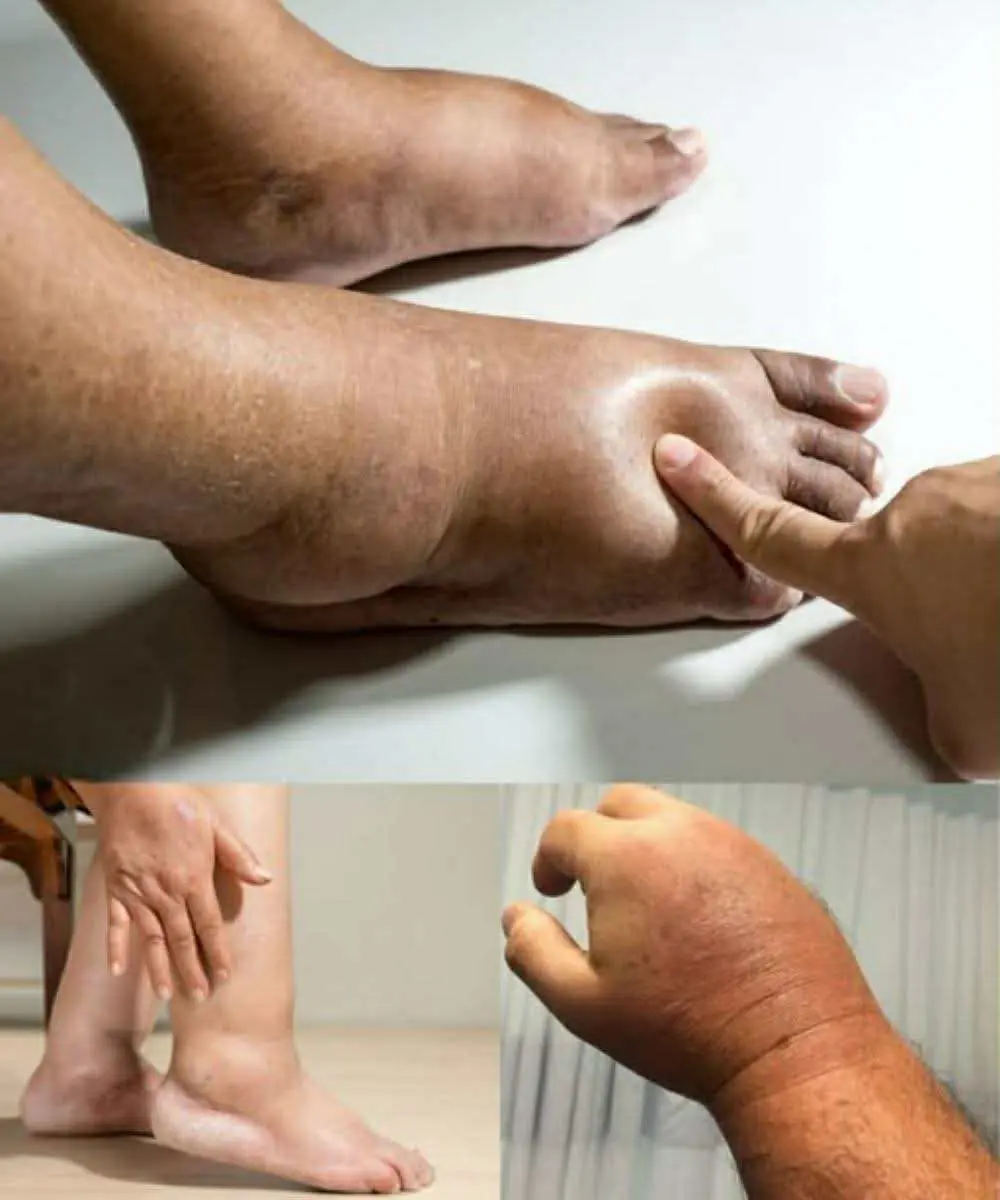
While medical evaluation is essential for persistent or severe swelling, small lifestyle and dietary adjustments can make a significant difference. Certain foods naturally support circulation, fluid balance, and inflammation control, helping the body return to equilibrium. Below are nine foods widely recognized for their potential to reduce swelling in the hands and feet.
1. Bananas: Nature’s Potassium Boost
Bananas are rich in potassium, vitamin C, and fiber. Potassium plays a critical role in regulating sodium levels in the body. When potassium intake is low, sodium tends to accumulate, leading to water retention and swelling. Eating bananas or other potassium-rich foods like avocados and oranges can help the body flush out excess sodium, restore balance, and ease fluid buildup. Even one banana a day can support steady circulation and reduce puffiness.
2. Cucumbers: Hydration and Connective Tissue Support
With 90% water content, cucumbers are one of the most hydrating vegetables. Dehydration is a frequent trigger for swelling, and adding cucumbers to salads, smoothies, or infused water is an easy way to keep fluid levels steady. Additionally, cucumbers provide silica and antioxidants that strengthen connective tissues, further supporting overall circulation.
3. Watermelon: A Refreshing Natural Diuretic
Sweet, juicy, and refreshing, watermelon offers more than hydration. It acts as a mild natural diuretic, helping the body release excess fluids that may cause swelling. Rich in vitamins A and C, as well as lycopene, watermelon also combats inflammation. A few slices on a hot day—or after long hours on your feet—can help soothe swelling while replenishing the body with nutrients.
4. Leafy Greens: Magnesium and Potassium Powerhouses
Dark leafy greens such as spinach, kale, and Swiss chard deliver a potent combination of magnesium and potassium. Magnesium relaxes blood vessels and improves circulation, while potassium continues the work of balancing sodium levels. Together, these nutrients help prevent water retention and swelling.
5. Berries: Antioxidant-Rich Inflammation Fighters
Blueberries, strawberries, raspberries, and blackberries are small but powerful allies in the fight against swelling. They are loaded with antioxidants—particularly anthocyanins—that protect blood vessels, reduce inflammation, and enhance circulation. A handful of fresh berries at breakfast or as a snack offers both sweetness and health benefits.
6. Pineapple: Bromelain for Recovery and Circulation
Fresh pineapple contains bromelain, a natural enzyme known for reducing inflammation and supporting blood flow. Athletes often consume pineapple after injuries to help manage swelling. Whether eaten fresh or enjoyed as juice, pineapple is a sweet, nutrient-dense way to encourage recovery and comfort.
7. Celery: A Gentle Natural Diuretic
Celery has long been recognized for its mild diuretic properties, helping reduce water retention and bloating. Its high fiber content also supports digestion, which indirectly reduces swelling. While raw celery provides more fiber, celery juice contains higher concentrations of water and butylphthalide, compounds that may enhance its diuretic effect. Both forms can be incorporated easily into daily meals.
8. Ginger and Turmeric: Potent Anti-Inflammatory Spices
Known for their centuries-old use in traditional medicine, ginger and turmeric are powerful anti-inflammatory spices. They improve circulation, reduce stiffness, and help manage swelling in hands and feet. Fresh ginger tea or turmeric-based soups and curries are simple, flavorful ways to tap into their benefits.
9. Nuts and Seeds: Magnesium for Fluid Balance
Although not hydrating like fruits and vegetables, nuts and seeds—particularly almonds, cashews, and sunflower seeds—are excellent sources of magnesium. This mineral supports fluid balance and circulation, easing swelling when consumed regularly. To maximize benefits, opt for unsalted varieties, since added sodium can counteract their positive effects.
Important Note
While these foods can support circulation and fluid balance, they are not a substitute for professional medical care. Persistent or unexplained swelling should always be evaluated by a healthcare provider to rule out serious conditions.
Final Thoughts
Swelling in the hands and feet is often a temporary inconvenience, but it can also be a sign of something more serious. A diet rich in potassium, magnesium, antioxidants, and hydrating foods can provide natural support for circulation and fluid regulation. By incorporating bananas, cucumbers, watermelon, leafy greens, berries, pineapple, celery, ginger, turmeric, and nuts into your meals, you give your body a helping hand in reducing swelling and maintaining balance.
A small change at the table can lead to a big difference in how you feel every day. 🌿
What those strange skin patterns might really mean
According to Dr. Joseph Jorizzo, MD, Wake Forest University: “Your skin can be a window to your inner health.” In fact, the skin is not only a protective shield but also a powerful communicator of your body’s internal condition. 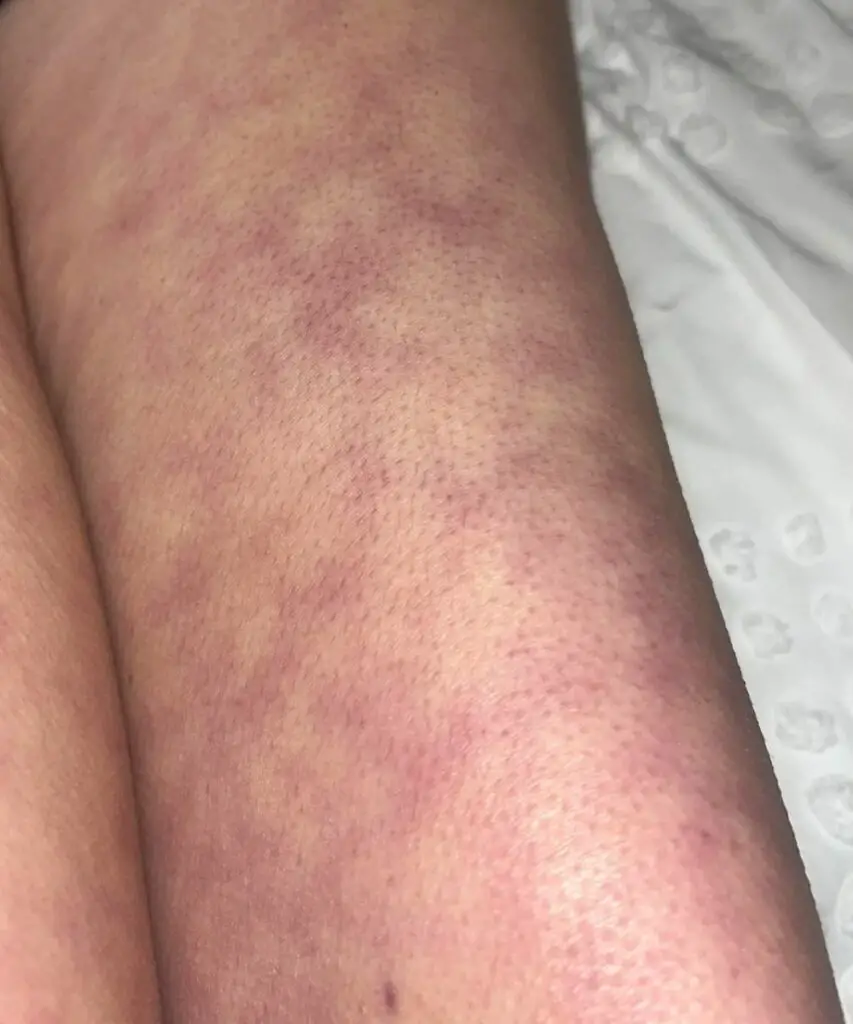
Unexpected changes on the skin can sometimes be an early warning sign that something more serious is happening inside the body. Recognizing these signals helps you detect risks early and seek appropriate medical care.
Livedo Reticularis (LR) – Mottled, Net-like Skin
Livedo reticularis (LR), also known as mottled skin, is a type of skin discoloration that occurs when blood flow to the skin is interrupted. Research shows that LR is often a temporary, harmless condition caused by cold exposure or stress. However, in some cases, it may be linked to underlying health issues.
- Appearance: Purplish-red streaks forming net-like or lace patterns, usually on the arms and legs.
- Commonly seen in: Infants and women aged 20–50.
- Causes: Changes in blood flow near the skin’s surface, low oxygen levels in the blood, blood vessel spasms, or circulation disorders. It can also be a side effect of certain medications (especially amantadine, used to treat Parkinson’s disease, multiple sclerosis, and attention deficit hyperactivity disorder).
This condition is often more visible in cold weather and fades when the skin warms up.
Two Main Types of LR
1. Physiological (Primary) Livedo Reticularis:
- Harmless and temporary.
- Common in children, young adults, or people with fair skin.
- Usually disappears on its own when the body is kept warm.
2. Pathological (Secondary) Livedo Reticularis:
- More persistent and associated with underlying diseases.
- May occur with autoimmune diseases, vascular disorders, or blood clotting abnormalities.
Related Medical Causes
According to Verywell Health, LR can be triggered by:
- Cold temperatures
- Septic shock
- Antiphospholipid syndrome
- Systemic lupus erythematosus
- Rheumatoid arthritis
- Pancreatitis
- Thyroid disease
- End-of-life stage
In rarer cases, LR may signal serious systemic diseases such as:
- Sneddon’s syndrome (linked to stroke risk)
- Polyarteritis nodosa
- Cholesterol embolization
Treatment and Prevention
- Primary LR: Usually requires no treatment; keeping the body warm is enough.
- Secondary LR: Requires treating the underlying condition. Doctors may prescribe:
- Anticoagulants (to prevent blood clots)
- Corticosteroids (to reduce inflammation)
- Circulation-improving drugs
Lifestyle changes may also be recommended, such as quitting smoking, exercising regularly, and managing blood pressure and cholesterol.
⚠️ Disclaimer: This information is for educational purposes only and is not a substitute for professional medical advice, diagnosis, or treatment. If you notice unusual skin changes, consult a healthcare professional.
37,368 HFMD cases logged nationwide
MANILA, Philippines — The Department of Health (DOH) has reported a sharp rise in hand, foot and mouth disease (HFMD) cases nationwide, with figures showing a nearly 750 percent increase compared to last year.
📈 HFMD Cases Spike Among Young Children
DOH data showed that as of August 9, there have been 37,368 HFMD cases across the country since January — far higher than the 5,081 cases recorded during the same period in 2024.
Health officials noted that most of the patients are children aged one to three years old, consistent with the disease’s prevalence among children under five.
While HFMD is generally mild and self-limiting, the DOH warned that complications such as meningitis, encephalitis, and polio-like paralysis can occur if left untreated.
🦠 Transmission and Symptoms
HFMD spreads easily through direct contact with infected individuals, as well as through droplets and contaminated objects.
Common symptoms include:
- Fever lasting one to two days
- Painful mouth sores
- Rashes and blisters on the hands, feet, and buttocks
Patients are advised to undergo isolation for seven to 10 days until fever subsides and rashes disappear.
The DOH emphasized the importance of strict hygiene practices:
- Utensils and personal items used by the patient must be kept separate and disinfected.
- The isolation room must be thoroughly cleaned once the patient recovers.
Health Secretary Ted Herbosa underscored the need to teach children proper handwashing techniques, especially if they have been exposed to HFMD cases.
💡 Preventive Measures
To reduce the spread of HFMD, health experts recommend:
- Frequent handwashing with soap and water
- Regular disinfection of frequently touched surfaces
- Wearing protective gear (masks, gloves, gowns) when caring for an infected patient
🌧️ Leptospirosis Cases Decline
In contrast, leptospirosis cases — which surged following recent tropical storms — are now on a downward trend.
Only 18 cases were reported nationwide from August 17 to 21, a significant drop from the 1,112 cases recorded in the week following storms Crising, Dante, and Emong earlier this month.
Since the rainy season officially began on June 8, the country has reported 4,436 leptospirosis cases.
State-run hospitals have noted declining admissions:
- Tondo Medical Center reported seven new cases.
- National Kidney and Transplant Institute recorded just one.
- East Avenue Medical Center reported none.
To ensure swift care, the DOH has established fast lanes in hospitals specifically for leptospirosis patients.
✅ Outlook
The DOH continues to monitor both HFMD and leptospirosis closely, urging the public to remain vigilant. While HFMD cases climb at an alarming rate, the recent decline in leptospirosis offers a reminder that strict prevention and early intervention are key to controlling infectious disease outbreaks.