Ihr Körper arbeitet ständig im Hintergrund, um Giftstoffe zu entfernen und einen reibungslosen Ablauf zu gewährleisten. Nieren, Leber und Lunge fungieren als natürliche Filtersysteme – jedes einzelne Organ ist für Entgiftung, Kreislauf und Immunabwehr unerlässlich. Mit der Zeit können Umweltgifte, schlechte Ernährung und Stress diese Organe überlasten. Glücklicherweise bietet die Natur einfache und wirksame Mittel, um Gleichgewicht und Funktion wiederherzustellen.
Nierenentgiftung: Reinigen und schützen
Die Nieren filtern das Blut, entfernen Abfallstoffe und gleichen den Flüssigkeitshaushalt aus. Die Unterstützung der Nierenfunktion hilft Ihrem Körper, ausreichend Flüssigkeit zu sich zu nehmen und frei von Giftstoffen zu bleiben.
- Flüssigkeitszufuhr : Das Trinken von sauberem Wasser über den Tag verteilt ist die Grundlage für gesunde Nieren. Versuchen Sie, täglich 6–8 Tassen zu trinken.
- Löwenzahnwurzeltee : Ein natürliches Diuretikum, das die Harnausscheidung fördert und beim Ausspülen von Giftstoffen hilft.
- Gurken- und Minzwasser : Dieses aromatisierte Wasser spendet Feuchtigkeit und alkalisiert und unterstützt die Nierenreinigung.
- Selleriesaft : Liefert natürliche Elektrolyte und hilft bei der Entfernung von Harnsäure und Abfallprodukten.
Tipp : Beginnen Sie Ihren Morgen mit warmem Wasser und Gurkenscheiben, um die Nierenfunktion anzuregen.
Leber-Entgiftung: Starten Sie Ihren Stoffwechsel neu
Ihre Leber filtert Giftstoffe aus dem Blutkreislauf, verarbeitet Nährstoffe und baut Schadstoffe ab. Eine saubere Leber unterstützt den Hormonhaushalt und die Energie.
- Zitronen- und Ingwerwasser : Unterstützt die Gallenproduktion und spült Giftstoffe aus.
- Artischockenextrakt oder -tee : Steigert die Aktivität der Leberenzyme und unterstützt den Fettstoffwechsel.
- Kurkuma mit schwarzem Pfeffer : Curcumin unterstützt die Leberregeneration; schwarzer Pfeffer verbessert die Aufnahme.
- Grünes Blattgemüse : Spinat, Grünkohl und Rucola enthalten Chlorophyll, das Giftstoffe bindet.
Tipp : Geben Sie täglich einen Teelöffel Zitronensaft in warmes Wasser, um die Leber sanft zu unterstützen.
Lungenentgiftung: Leichter atmen
In Ihren Lungen können sich schädliche Partikel aus Umweltverschmutzung, Rauch und Chemikalien ansammeln. Ihre Stärkung fördert eine bessere Sauerstoffzufuhr und stärkt das Immunsystem.
- Dampfinhalation : Geben Sie ein paar Tropfen Eukalyptus- oder Thymianöl in heißes Wasser, um die Verstopfung zu lösen.
- Süßholzwurzeltee : Beruhigt die Atemwege und reduziert Entzündungen.
- Königskerzentee : Traditionell verwendet, um Schleim zu reinigen und tiefes Atmen zu unterstützen.
- Tägliche Atemübungen : Üben Sie die Zwerchfellatmung, um die Lungenkapazität zu erhöhen und Giftstoffe auszuscheiden.
Tipp : Verwenden Sie nachts einen Luftbefeuchter mit Eukalyptusöl zur sanften Unterstützung der Atmung.
Lebensgewohnheiten, die die Entgiftung fördern
Natürliche Heilmittel wirken am besten, wenn sie mit gesunden täglichen Gewohnheiten kombiniert werden:
- Gesunde Ernährung : Bevorzugen Sie Bio-Gemüse, Vollkornprodukte, magere Proteine und entzündungshemmende Lebensmittel.
- Bewegung : Gehen, Yoga oder Schwimmen fördern die Durchblutung und den Lymphfluss.
- Schlaf und Erholung : Tiefschlaf ermöglicht Ihrem Körper, Zellen zu reparieren und Abfallprodukte zu verarbeiten. Streben Sie 7–9 Stunden Schlaf pro Nacht an.
- Trockenbürsten : Stimuliert den Lymphfluss und peelt die Haut – das größte Entgiftungsorgan Ihres Körpers.
Abschließende Gedanken: Entgiften auf natürliche Weise
Ihr Körper ist darauf ausgelegt, sich selbst zu heilen – und mit der richtigen Unterstützung gelingt ihm das auch. Mit einfachen Übungen wie Zitronenwasser, Kräutertees und Atemübungen stärken Sie Ihre Nieren, Leber und Lunge auf natürliche Weise und sorgen so für anhaltende Energie und Wohlbefinden.
Fangen Sie klein an: Wählen Sie aus jeder Kategorie eine Gewohnheit und bauen Sie diese auf. Mit der Zeit werden Sie sich leichter, klarer und ausgeglichener fühlen.
Health Bruce Willis Moved to Specialized Care Facility as Dementia Progresses, Living Apart from His Family
For decades, Bruce Willis has been one of Hollywood’s most iconic stars. From his breakthrough role as the wisecracking detective in Moonlighting to his legendary performance as John McClane in Die Hard, Willis built a career that defined generations of moviegoers. He was the tough guy with a sharp wit, the tender father in heartwarming roles, and the rare actor who could make audiences laugh and cry in the same breath. For millions of fans, Bruce Willis wasn’t just a celebrity—he was part of their own lives, his films tied to cherished memories with friends and family.
That is why news of his ongoing health struggles has touched such a deep chord.
💔 A Difficult Diagnosis
In 2022, Willis’s family revealed that he had been diagnosed with frontotemporal dementia (FTD)—a degenerative condition that impacts behavior, speech, and cognitive function. Over time, the disease has taken a significant toll, and in recent months, it was confirmed that Willis has been moved to a specialized care facility designed to support his daily needs.
This transition also means living apart from his wife, Emma Heming Willis, their two young daughters, and his three older children from his marriage to Demi Moore. For a family that has long been known for its remarkable closeness—celebrating holidays, milestones, and birthdays together—the separation marks a painful shift.
🌟 Remembering the Bruce Willis We Know
What makes this chapter especially heartbreaking is remembering who Bruce Willis has always been: energetic, charismatic, and full of life. His sharp humor, signature smirk, and undeniable screen presence made him one of Hollywood’s most beloved figures. To see that fade under the weight of dementia is painful not only for his loved ones, but also for millions of fans who admired his resilience both on and off screen.
It’s a reminder that dementia does not discriminate. Even the strongest heroes we idolize are still human, vulnerable to the same illnesses that affect countless families worldwide.
🏡 Life in Care, Surrounded by Love
According to family and friends, the facility where Bruce now resides offers safety, compassion, and specialized expertise for patients with dementia. Loved ones visit frequently, ensuring that while the setting has changed, the bonds of family remain unshaken.
Emma Heming Willis has spoken openly about this new reality, stressing that love and presence are what matter most. Though the family has had to adjust to circumstances they never imagined, their priority has always been Bruce’s dignity, peace, and comfort.
🌍 A Story That Resonates Beyond Hollywood
Bruce Willis’s journey is more than a celebrity story—it shines a light on the need for greater awareness, empathy, and research surrounding dementia. His family’s openness has given visibility to a condition that affects millions, while also reminding fans that the best way to honor him is to celebrate his remarkable legacy.
Whether it’s cheering for Die Hard, smiling at The Kid, or laughing through Moonlighting, Willis’s work continues to bring joy and connection across generations.
🎬 Legacy Untouched
While his life looks different today, one truth remains unshakable: Bruce Willis’s legacy as a Hollywood icon and devoted family man endures.
His story reminds us that behind every legend is a human being—and that love, presence, and memory are what last long after the spotlight fades.
BE CAREFUL, if you get these bruises on your body, it means you have…
Have you ever noticed that you bruise easily? Those black-and-blue marks that eventually turn yellow may not only look unsightly, but sometimes they’re painful and even a sign of something more serious. While bruises often result from harmless bumps or injuries, in some cases they can indicate an underlying medical issue.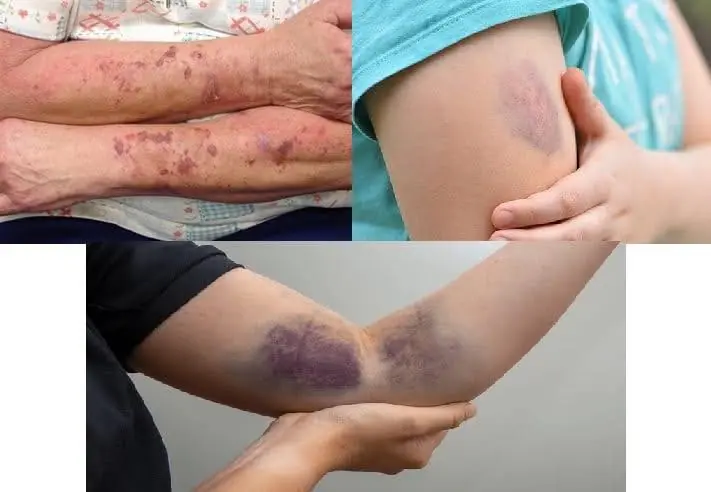
This article explains what bruises are, why they form, possible causes—including vitamin deficiencies—and when you should consult a doctor.
What Is a Bruise?
The medical term for a bruise is ecchymosis. It happens when small blood vessels break under the skin, causing blood to pool beneath the surface. Unlike a cut where blood escapes outside the body, bruises trap blood internally.
Common causes include bumping into furniture, minor falls, or even having blood drawn. The bruise appears dark red, purple, blue, or black at first, then changes colors—green, yellow, or brown—as your body reabsorbs the blood during healing.
When to Be Concerned
Bruises on arms and legs are usually harmless. However, you should see a doctor if:
- Bruises appear on your abdomen, back, genitals, ears, or hands.
- They occur frequently without clear cause.
- They do not begin to fade within a few days.
- They last longer than two weeks.
Vitamin Deficiencies Linked to Bruising
Certain vitamin shortages can make you bruise more easily:
- Vitamin C deficiency: Vitamin C is essential for producing collagen, which strengthens blood vessels. Without enough, vessels become fragile and bruise easily. Smokers are particularly at risk.
- Vitamin K deficiency: Vitamin K is crucial for blood clotting and capillary strength. Low levels may slow clotting and increase bruising.
- Vitamin D and B vitamins: Low levels can also contribute to increased susceptibility to bruising.
Other Causes of Bruising
- Dietary supplements: Ginkgo, ginseng, garlic, ginger, omega-3s, saw palmetto, and vitamin E can thin the blood and make bruising more likely.
- Medications: Blood thinners, aspirin, ibuprofen, steroids, certain antibiotics, and antidepressants may all increase bruising risk.
- Aging: Thinner skin and weaker blood vessels make older adults more prone to bruises.
- Sun damage: Years of sun exposure can weaken blood vessels.
- Medical conditions: Diabetes, anemia, hemophilia, leukemia, and lymphoma can all affect clotting or vessel strength.
- Sports injuries: Contact sports often cause contusions—another name for bruises—from direct impacts.
Treatment and Prevention
Most bruises heal on their own, but you can speed recovery and reduce discomfort with:
- RICE method: Rest, ice, compression, and elevation.
- Heat: After a few days, apply a warm compress to promote healing.
- Pain relief: Use acetaminophen, but avoid aspirin or ibuprofen if bruising is the concern.
- Fall prevention: Improve home lighting, clear floor clutter, and secure cords or rugs to reduce risk.
- Skin care: Protect fragile skin with ointments or bandages to prevent infection if the skin breaks.
If you suspect your bruises are linked to supplements or medications, get your vitamin levels tested and talk with your doctor.
Final Thoughts
Most bruises are harmless reminders of everyday bumps. But persistent, severe, or unexplained bruising should not be ignored. They may be your body’s way of signaling a deficiency or an underlying medical condition. Consulting your doctor can help you find the cause and take steps toward better health.
Why Seniors Should Avoid Early Morning Baths
For many people, daily bathing brings a sense of refreshment and good health. However, for those over 70, the timing of a bath can make a big difference.
Morning Baths and Liver Health
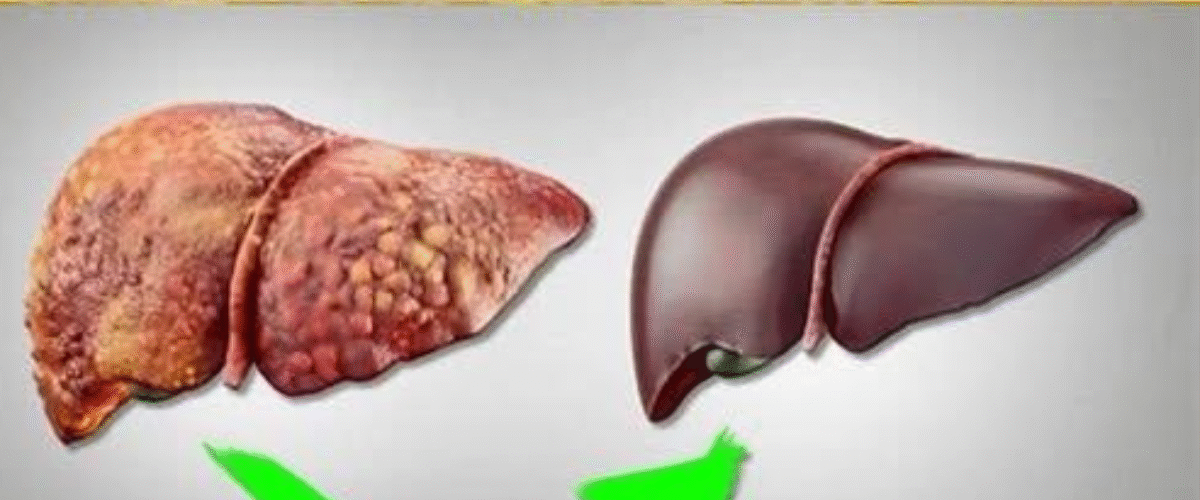
As we age, blood circulation slows down. Taking a hot bath immediately after waking causes blood to rush to the skin, reducing blood flow to internal organs. Experts warn that this can “put extra strain on the liver,” especially in individuals with fatty liver, hepatitis, or cirrhosis.
Risks to Watch Out For
- Worsening Fatty Liver: Hot baths may cause blood pressure fluctuations that aggravate metabolic problems.
- Hepatitis Reactivation: Sudden temperature changes can stress the immune system.
- Cirrhosis Complications: Increases the risk of reduced detoxification and swelling.
- Gallbladder Strain & Dehydration: Early-morning dehydration plus heat may hinder bile flow and toxin elimination.
A Safer Approach
Doctors recommend:
- Waiting at least one hour after waking before bathing.
- Using lukewarm water instead of very hot water.
- Drinking enough water before bathing.
- Limiting bath time to 10–15 minutes.
👉 These small adjustments can help protect your liver and keep your mornings safe.