
Die Schilddrüse ist eine kleine, schmetterlingsförmige Drüse im Halsbereich vor der Luftröhre. Sie schüttet Hormone aus, die den Stoffwechsel steuern – die Umwandlung der aufgenommenen Nahrung in Energie. Sie beeinflusst außerdem Herzfrequenz, Körpertemperatur, Gehirnentwicklung, geistige Aktivität, Fruchtbarkeit und vieles mehr.
Wenn die Schilddrüse nicht richtig funktioniert, wirkt sich dies auf den gesamten Körper aus. Zu
den häufigsten Erkrankungen, die die Schilddrüse beeinträchtigen können, gehören:
- Hypothyreose (Unterfunktion der Schilddrüse)
- Hyperthyreose (Überfunktion der Schilddrüse)
- Kropf (vergrößerte Schilddrüse)
- Schilddrüsenkrebs
Während viele Schilddrüsenerkrankungen genetisch bedingt sind oder mit Autoimmunerkrankungen in Zusammenhang stehen und möglicherweise nicht vermeidbar sind, können Probleme im Zusammenhang mit einem Jodüberschuss oder -mangel oft vermieden werden.
Bestimmte Nahrungsmittel können die Schilddrüsenfunktion beeinträchtigen:
1. Soja und Produkte auf Sojabasis 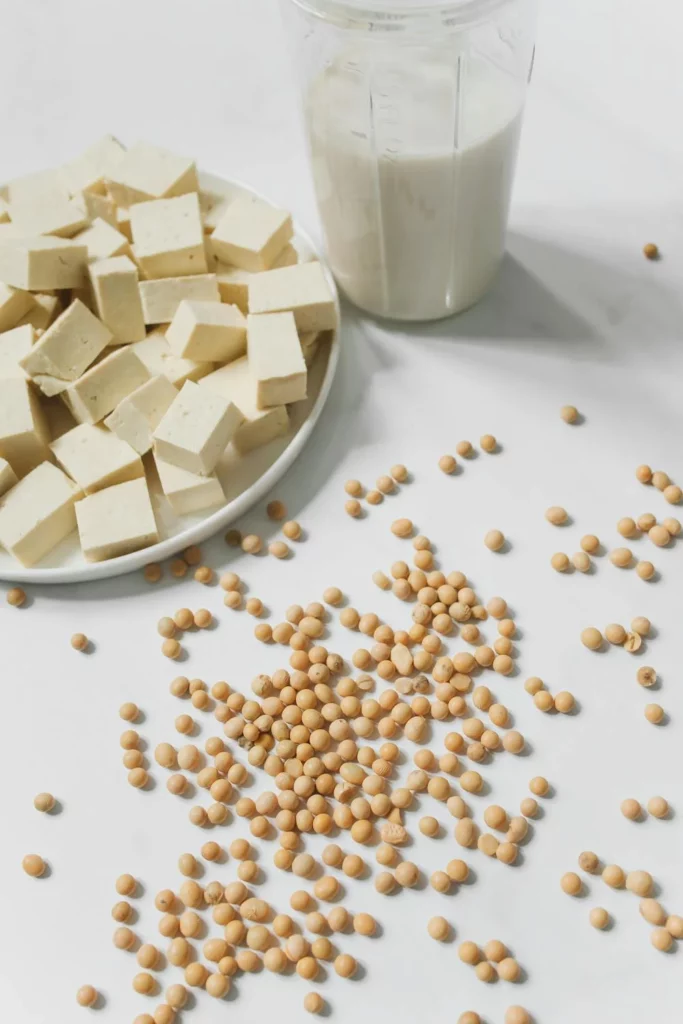
Soja enthält Isoflavone, Verbindungen, die die Fähigkeit des Körpers zur Aufnahme von Jod und Schilddrüsenmedikamenten beeinträchtigen und möglicherweise die Schilddrüsenfunktion beeinträchtigen können.
2. Rohes Kreuzblütlergemüse 
Gemüse wie Brokkoli, Grünkohl und Blumenkohl enthalten Goitrogene, die die Jodaufnahme verringern können, insbesondere wenn sie in großen Mengen roh verzehrt werden.
3. Gluten 
Bei Menschen mit Autoimmunerkrankungen der Schilddrüse wie der Hashimoto-Thyreoiditis kann Gluten Entzündungen und Immunreaktionen auslösen und so die Symptome verschlimmern.
4. Raffinierter Zucker
Raffinierter Zucker fördert Entzündungen, erhöht die Insulinresistenz und kann Symptome einer Schilddrüsenunterfunktion wie Gewichtszunahme, Stimmungsschwankungen und geistige Verwirrung verschlimmern.
5. Verarbeitete und natriumreiche Lebensmittel
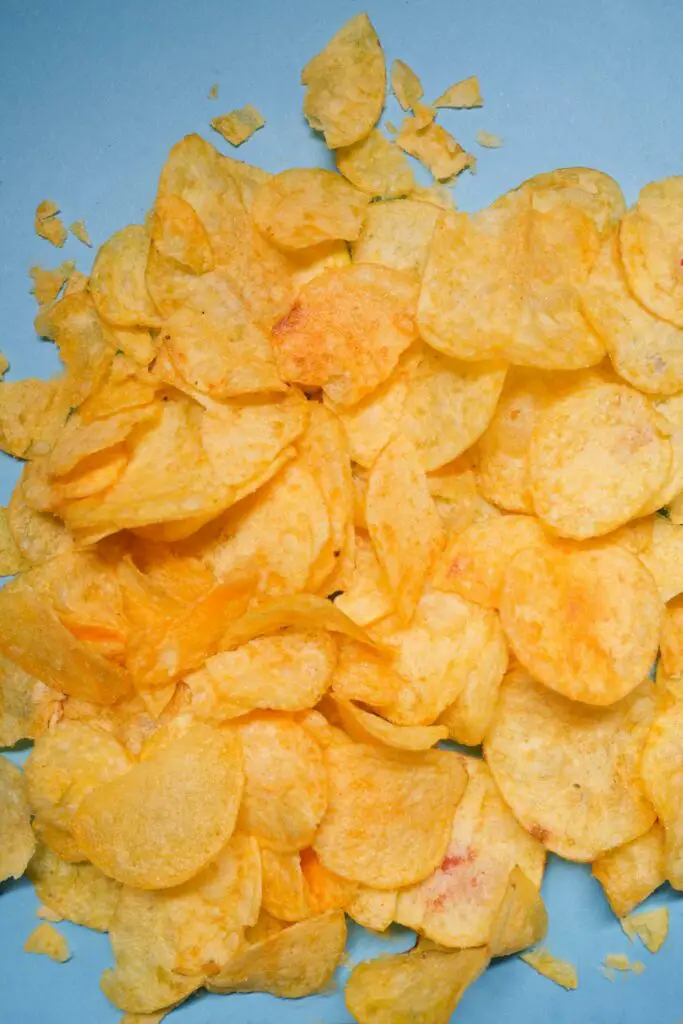
Verarbeitete Lebensmittel enthalten oft zu viel Natrium, was den Blutdruck erhöhen kann – ein Risiko, das bei Menschen mit Schilddrüsenunterfunktion bereits erhöht ist.
6. Kaffee (insbesondere direkt nach der Einnahme von Medikamenten)
Wenn Sie zu früh nach der Einnahme von Schilddrüsenmedikamenten Kaffee trinken, kann dies die Aufnahme um bis zu 60 % reduzieren und so die Wirksamkeit schwächen. Warten Sie am besten ein paar Stunden.
Lebensmittel, die die Gesundheit der Schilddrüse unterstützen
Zu den gesunden Nahrungsmitteln zählen fetter Fisch, der reich an Omega-3-Fettsäuren ist (Lachs, Sardinen), Eier, Nüsse und Samen, Seetang und antioxidantienreiche Früchte wie Beeren, Äpfel und Kiwis.
Hinweis: Diese Informationen dienen ausschließlich zu Bildungszwecken und ersetzen keine professionelle medizinische Beratung. Wenden Sie sich bei Fragen zu Ihrer Schilddrüsengesundheit oder Ihren Medikamenten immer an Ihren Arzt.
Bahnbrechende Operation zur Entfernung eines Wirbelsäulentumors durch die Augenhöhle
Eine seltene und gefährliche Diagnose
The patient, 19-year-old Karla Flores, was diagnosed with a chordoma—a rare tumor that arises in the bones of the skull and spine. Although slow-growing, chordomas are highly invasive and often wrap around delicate structures such as nerves, arteries, and the spinal cord.
Flores’ tumor was lodged in her cervical spine, perilously close to critical blood vessels and nerves. Conventional surgery posed extraordinary risks, including paralysis, loss of vital functions, or even death. The location made traditional approaches nearly impossible without causing severe damage.
A Revolutionary Surgical Pathway
Faced with these challenges, neurosurgeon Dr. Mohamed A.M. Labib and his team adopted a bold approach. Rather than using large incisions, they employed a transorbital route—entering through the natural opening of the eye socket.
This technique, previously used in select brain tumor operations, was adapted for spinal surgery after extensive research. Surgeons created a precise corridor through the orbit, guided by advanced imaging, navigation systems, and specialized instruments.
The outcome was extraordinary: the tumor was removed, essential neurological functions were preserved, and the patient was left with no external scarring.
A Team Effort
The achievement was the result of collaboration across multiple specialties, including neurosurgery, head and neck surgery, radiation oncology, and spinal reconstruction. After the tumor removal, Flores received proton radiation therapy—a highly targeted treatment designed to minimize collateral damage—as well as spinal fusion to stabilize her neck.
Recovery and Inspiration
Today, Flores is cancer-free and regaining strength. Her case has been hailed as a breakthrough in minimally invasive neurosurgery.
“This is the first step in a new direction,” said Dr. Labib. “Areas of the spine once considered too dangerous to operate on may now be accessible with less invasive methods.”
Redefining the Future of Neurosurgery
The success of this transorbital approach could transform how surgeons treat complex spinal and skull base tumors. By reducing trauma, shortening recovery times, and avoiding disfiguring scars, it may become an invaluable option for conditions once thought untreatable.
Experts believe the method could one day be expanded to treat other spinal and cranial conditions, pushing the boundaries of what modern medicine can achieve.
A New Era in Surgical Innovation
For Flores, the operation was life-saving. For the medical community, it represents a new era—where procedures once deemed impossible can now be performed with precision and minimal invasiveness.
As more hospitals explore and refine this approach, the promise is clear: safer surgeries, faster recoveries, and renewed hope for patients facing the most complex of diagnoses.
High cholesterol can be inherited. Here’s what you can do about it
Most people associate high cholesterol with an unhealthy diet, lack of exercise, or aging — something that builds up slowly over time. But for some, elevated cholesterol isn’t the result of lifestyle at all. Instead, it’s inherited through a genetic condition known as familial hypercholesterolemia (FH).
🧬 What Is Familial Hypercholesterolemia?
FH is caused by a genetic mutation that leads to lifelong high LDL (“bad”) cholesterol levels, regardless of diet or activity. According to the U.S. Centers for Disease Control and Prevention (CDC), about 1 in 250 people has FH. Yet experts estimate that 70–90 percent remain undiagnosed, leaving them at risk for serious heart problems.
Without proper management, FH greatly increases the risk of early heart attacks and strokes. Detecting it early can be lifesaving.
🩺 Why Cholesterol Matters
Cholesterol itself isn’t harmful — in fact, it’s essential. Every cell in the body needs cholesterol to build membranes and produce hormones. But problems arise when LDL cholesterol builds up in the artery walls.
Excess LDL particles trigger inflammation, much like a splinter under the skin. Over time, this can damage artery linings and cause dangerous blood clots — the underlying process behind most heart attacks and strokes.
⚠️ Signs and Symptoms
Most people with high cholesterol feel no symptoms until serious complications occur. FH is especially insidious because cholesterol levels are high from birth.
In rare cases, very high cholesterol may cause:
- Fatty deposits in tendons (xanthomas)
- Yellowish patches on the skin
- A white ring around the cornea of the eye
But for most, routine blood tests are the only way to detect it.
🔎 Who Should Be Tested?
- Children: Pediatric guidelines recommend cholesterol screening between ages 9–11 if a parent has FH. Some children may be tested earlier.
- Adults: There’s no age “too early” for testing. Anyone with a family history of heart disease, stroke, or high cholesterol should ask for screening.
It’s also important to test for lipoprotein(a), another inherited cholesterol particle often elevated in people with FH, which further increases cardiovascular risk.
🥗 Living With Inherited High Cholesterol
Lifestyle changes alone won’t normalize cholesterol in FH — but they still matter. According to cardiologists, healthy habits can cut cardiac risk by up to 80 percent, even when LDL remains high.
Recommendations include:
- Eating fruits, vegetables, whole grains, lean protein, and nuts
- Limiting added sugars, sodium, red meat, and processed foods
- Exercising at least 150 minutes of moderate activity per week (walking, cycling, swimming)
- Avoiding smoking entirely
Most people with FH will also need cholesterol-lowering medications, such as statins or newer therapies, to reduce LDL and protect the heart.
✅ A Winnable Battle
A diagnosis of familial hypercholesterolemia may sound daunting, but experts emphasize that it’s treatable and manageable. With the right combination of medical care, lifestyle adjustments, and early detection, people with FH can live long, healthy lives.
As cardiologist Dr. Ashish Sarraju explains:
“In most cases, I consider high cholesterol treatable and a winnable battle.”
The key is awareness — recognizing that if heart disease runs in your family, testing early could make all the difference.
Scratchy Throat? Try This Tiny Spice for Gentle, Natural Relief
Feeling that familiar sting when you swallow? A raw throat, hoarse voice, or tender tonsils can make even simple tasks uncomfortable.
Instead of reaching straight for sprays or lozenges packed with artificial ingredients, take a look in your spice rack. Hidden there is a small but mighty natural remedy that’s been trusted for centuries: the clove.
🌸 Why Cloves Help With a Sore Throat
Cloves may be known as a holiday spice, but they’re also rich in eugenol, a natural compound with soothing and antimicrobial properties. This makes them an excellent ally when your throat feels inflamed or irritated.
Here’s what cloves may do for you:
- 🔸 Natural antiseptic – Helps fight bacteria and viruses
- 🔸 Anti-inflammatory – Reduces swelling and irritation in the throat
- 🔸 Mucus-clearing – Opens up breathing passages for easier airflow
- 🔸 Immune-supporting – Provides extra protection during cold and flu season
💬 In simple terms: cloves can make your throat feel less raw, ease breathing, and support a smoother recovery.
🍵 Clove Tea Recipe – A Warming Sip for Comfort
When your throat is sore, a cup of clove tea offers warmth and natural relief.
You’ll need:
- 4–5 whole cloves
- 1 cup water
- Optional: 1 tsp raw honey, a slice of fresh ginger, or lemon wedge
How to make it:
- Bring water to a boil.
- Add cloves and simmer for 10–12 minutes.
- Strain into a mug.
- Add honey or lemon if desired.
✨ Enjoy this tea 2–3 times a day for best results.
👅 The Clove Chew Trick – Quick Relief Anytime
No time to make tea? Try this simple on-the-go method:
What to do:
- Place 1 whole clove in your mouth.
- Let it soften naturally.
- Gently chew and hold it under your tongue or in your cheek.
What you may notice:
- 🔥 A gentle warming or numbing sensation
- 😌 Beruhigt den Hals und reduziert Reizungen
- 🛡️ Feuchtigkeit und natürlicher Schutz vor Trockenheit
✅ Sie können dies bis zu 2–3 Mal pro Tag wiederholen.
🌟 Was den Leuten oft auffällt
✔ Weniger Schmerzen beim Schlucken
✔ Weniger Trockenheit und Reizungen
✔ Leichteres Atmen
✔ Komfort ohne Chemikalien oder künstliche Aromen
✅ Abschließende Gedanken: Ein kleines Gewürz mit großer Kraft
Nelken gehören zu den sanftesten Heilmitteln der Natur und werden seit Generationen zur Linderung von Halsschmerzen und zur Förderung des Wohlbefindens eingesetzt. Ob als Tee aufgebrüht oder im Ganzen gekaut, bieten Nelken eine natürliche, chemiefreie Lösung bei Halsbeschwerden.
💚 Keine Sprays. Keine synthetischen Aromen. Nur die einfache Kraft der Pflanzen.
👉 Wenn Ihr Hals das nächste Mal kratzt, verzichten Sie auf künstliche Heilmittel – und überlassen Sie die Linderung den Nelken, Schluck für Schluck (oder Kauen für Kauen).
💬 Hast du schon mal Nelken gegen Halsschmerzen ausprobiert? Teile dein liebstes Naturheilmittel in den Kommentaren – oder markiere jemanden, der diesen sanften Tipp heute gebrauchen könnte!