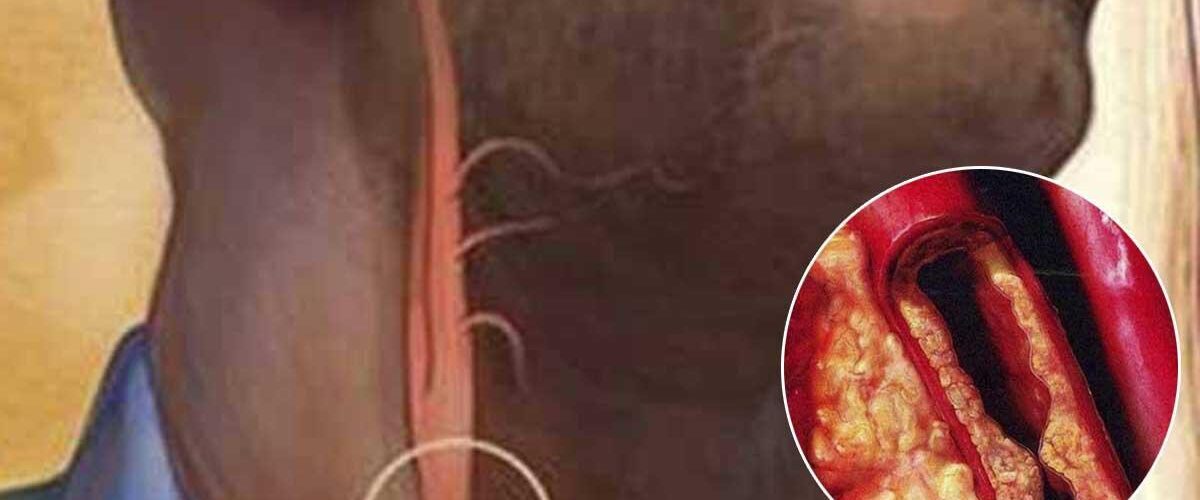
Warnsignale für verstopfte Arterien: Symptome, die Sie nicht ignorieren sollten
Verstopfte Arterien stellen ein ernstes Gesundheitsrisiko dar und erhöhen das Risiko von Bluthochdruck, Herzinfarkten und anderen Herz-Kreislauf-Komplikationen. Doch wie erkennt man Arterienverstopfungen, bevor sie zu einem medizinischen Notfall werden? Ihr Körper sendet Warnsignale – wenn Sie darauf achten, können Sie frühzeitig handeln. Hier erfahren Sie alles Wissenswerte über die Symptome verstopfter Arterien und wann Sie einen Arzt aufsuchen sollten.
Wie verstopfen Arterien?
Arterien transportieren sauerstoffreiches Blut zu Ihren Organen, Muskeln und sogar zu Ihren Finger- und Zehenspitzen. Gesunde Arterien haben glatte Wände, durch die das Blut ungehindert fließen kann. Wenn sich jedoch Plaque (Fettablagerungen, Cholesterin und andere Substanzen) in den Arterienwänden ansammelt, verengt dies den Durchgang und behindert den Blutfluss. In schweren Fällen kann dies eine Arterie vollständig blockieren und einen Herzinfarkt oder Schlaganfall auslösen.
Frühe Symptome verstopfter Arterien
1. Übelkeit 🤢
Übelkeit kann ein vages Symptom sein, das mit verschiedenen Erkrankungen in Verbindung gebracht wird, aber anhaltende oder unerklärliche Übelkeit kann auf Herzprobleme oder eine schlechte Durchblutung aufgrund verstopfter Arterien hinweisen.
2. Brustschmerzen (Angina pectoris) 💓
Brustschmerzen oder ein Engegefühl (Angina pectoris) sind ein klassisches Symptom einer eingeschränkten Durchblutung des Herzens und strahlen oft in den linken Arm, den Kiefer oder den oberen Rücken aus . Wenn Sie anhaltende Brustschmerzen verspüren, suchen Sie sofort einen Arzt auf.
3. Kurzatmigkeit 😮💨
Verstopfte Lungenarterien können die Sauerstoffzirkulation beeinträchtigen, sodass Sie auch ohne Anstrengung außer Atem geraten . Wenn Sie häufig Atemnot haben, ist das ein Warnzeichen.
4. Taubheitsgefühl oder Schwäche auf einer Körperseite 🖐️
Eine eingeschränkte Durchblutung des Gehirns – oft verursacht durch eine Verstopfung der Halsschlagader – kann zu plötzlicher Schwäche oder Taubheit auf einer Körperseite führen , die den Symptomen eines Schlaganfalls ähnelt.
5. Undeutliche Aussprache 🗣️
Wenn Ihre Worte ohne ersichtlichen Grund undeutlich klingen, könnte eine verminderte Blutversorgung des Gehirns ein Faktor sein. Dies kann auf einen bevorstehenden Schlaganfall hinweisen .
6. Sehprobleme 👀
Verschwommenes Sehen, teilweiser Verlust des Sehvermögens oder Probleme beim Fokussieren können durch verstopfte Arterien verursacht werden, die die Augen mit Blut versorgen . Wenn Sehprobleme plötzlich auftreten, suchen Sie einen Arzt auf.
7. Beinschmerzen oder -krämpfe 🚶♂️
Unerklärliche Beinschmerzen, Krämpfe oder Müdigkeit (insbesondere beim Gehen) können auf eine periphere arterielle Verschlusskrankheit (pAVK) hinweisen – eine Erkrankung, die durch eine verminderte Durchblutung der Beine verursacht wird.
8. Kalte Füße ❄️
Eine schlechte Durchblutung kann dazu führen, dass sich Füße und Zehen ungewöhnlich kalt anfühlen . Wenn ein Fuß viel kälter ist als der andere, kann dies an einer verstopften Arterie in Ihrem Bein liegen .
9. Langsam heilende Wunden an den Füßen 🩹
Wenn Schnitte oder Wunden an Ihren Füßen länger als gewöhnlich zum Heilen brauchen , kann dies auf eine schlechte Durchblutung hinweisen , da Sauerstoff und Nährstoffe das Gewebe nicht effizient erreichen.
10. Herzklopfen ❤️🔥
Wenn Sie einen flatternden, rasenden oder unregelmäßigen Herzschlag spüren , kann dies ein Zeichen dafür sein, dass Ihr Herz aufgrund von Verstopfungen in den Arterien Schwierigkeiten hat, das Blut richtig zu pumpen .
Was sollten Sie tun?
🔹 Ignorieren Sie die Anzeichen nicht – Wenn eines dieser Symptome häufig oder stark auftritt, suchen Sie sofort einen Arzt auf.
🔹 Eine Änderung des Lebensstils ist wichtig – Eine herzgesunde Ernährung , regelmäßige Bewegung und Stressbewältigung können Arterienverstopfungen vorbeugen und verbessern .
🔹 Eine medizinische Behandlung kann erforderlich sein – In schweren Fällen können Ärzte Medikamente, Änderungen des Lebensstils oder sogar chirurgische Eingriffe empfehlen, um den richtigen Blutfluss wiederherzustellen.
Abschließende Gedanken: Handeln Sie frühzeitig
Wenn Sie die Frühwarnzeichen verstopfter Arterien kennen , kann das Ihr Leben oder das eines geliebten Menschen retten . Vorbeugen ist der Schlüssel – hören Sie auf Ihren Körper, achten Sie auf einen gesunden Lebensstil und suchen Sie bei auftretenden Symptomen einen Arzt auf. Ihre Herzgesundheit liegt in Ihren Händen! ❤️
Datura Stramonium: Miracle Herb or Deadly Danger? Uncover Its Secrets!
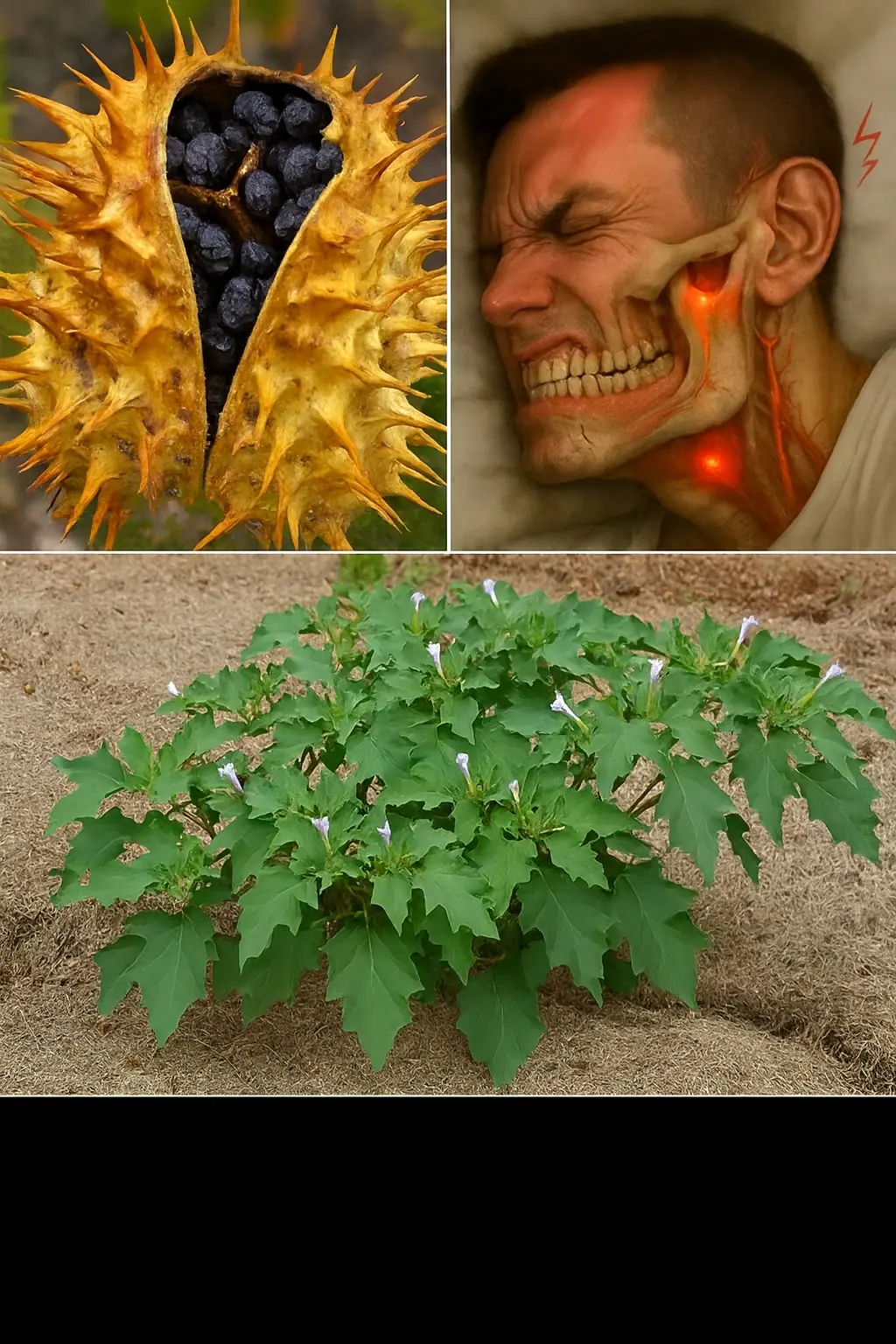
Imagine stumbling across a plant with stunning trumpet-shaped flowers, its delicate white or purple petals glowing under the moonlight. It whispers promises of ancient remedies, from soothing asthma to easing pain, yet hides a chilling truth: Datura stramonium, known as jimsonweed or devil’s trumpet, is as perilous as it is captivating. This plant has been revered for centuries in traditional medicine, yet it’s also responsible for thousands of poisonings, including over 2,700 deaths in India between 1950 and 1965. Packed with potent compounds like atropine and scopolamine, Datura offers remarkable benefits but demands respect for its deadly potential. Is it a healer or a hazard? This article dives deep into five surprising benefits of Datura stramonium, grounded in science, alongside critical risks to keep you safe. Whether you’re a curious gardener, an herbal enthusiast, or simply intrigued by nature’s paradoxes, you’ll uncover practical insights to navigate this enigmatic plant. 🌱 What Is Datura Stramonium? A Plant of Beauty and Betrayal
Datura stramonium, a member of the Solanaceae family, is a wild-growing annual that thrives in temperate and tropical climates worldwide, from North American fields to Asian roadsides. Often called thorn apple, jimsonweed, or devil’s trumpet, it’s easily recognized by its large, toothed leaves, trumpet-shaped flowers, and spiky seed pods bursting with black, kidney-shaped seeds. Its allure lies in its striking appearance and historical use in Ayurvedic medicine, Native American rituals, and even medieval European witchcraft, where it was prized for its sedative and hallucinogenic effects. But here’s the catch: every part of the plant—leaves, seeds, flowers, and roots—contains tropane alkaloids (atropine, scopolamine, and hyoscyamine), which are both medicinal and highly toxic. These compounds make Datura a double-edged sword, offering potential health benefits but posing severe risks if mishandled. Understanding its dual nature is essential before considering any interaction with this plant. 🌟 5 Unexpected Benefits of Datura Stramonium: Healing with Caution
Despite its notorious reputation, Datura stramonium has been studied for its pharmacological potential, revealing benefits that, when used under strict professional supervision, can be remarkable. Here are five science-backed benefits that highlight its medicinal allure: 1. 🌬️ Asthma and Respiratory Relief
Datura’s alkaloids, particularly scopolamine, act as bronchodilators, relaxing airway muscles to ease breathing. In the 19th century, smoking dried Datura leaves was a common asthma remedy, as noted by physician Henry Hyde Salter. A 1979 study in Thorax confirmed its ability to open airways, though modern inhalers have largely replaced it due to safety concerns. Still, in controlled settings, Datura’s respiratory benefits are undeniable.
Safe Use Tip: Only use under medical supervision, as improper dosing can trigger severe side effects like hallucinations or heart complications. 2. 💪 Pain Relief and Muscle Relaxation
The alkaloid hyoscyamine gives Datura its analgesic and antispasmodic properties, making it a traditional remedy for joint pain, muscle spasms, and menstrual cramps. A 2012 study in the Asian Pacific Journal of Tropical Biomedicine found that Datura extracts could reduce pain and relax muscles, suggesting potential for topical applications in controlled environments.
Safe Use Tip: Topical use may be safer than ingestion, but always consult an expert to avoid toxic absorption through the skin. 3. 🦠 Antimicrobial and Anti-inflammatory Power
Datura stramonium shows promise in fighting infections. A 2021 study in Antioxidants revealed that its ethanolic leaf extracts were effective against pathogens like Staphylococcus aureus and Pseudomonas aeruginosa. Its anti-inflammatory properties also make it a candidate for treating conditions like rheumatism or swelling, as documented in traditional practices in India and Ethiopia.
Safe Use Tip: Antimicrobial effects are best harnessed in lab-controlled pharmaceutical preparations—never attempt self-treatment. 4. 🩺 Skin Healing and Infection Control
In traditional medicine, Datura has been used topically to treat wounds, ulcers, and skin infections. Ethnobotanical studies, particularly in India, describe remedies like Datura leaf juice mixed with sesame oil to soothe earaches or boils. Its antimicrobial and anti-inflammatory compounds support healing when applied correctly.
Safe Use Tip: Use only under professional guidance to prevent skin absorption of toxic alkaloids, which can cause systemic poisoning. 5. 😴 Sedative and Anxiety Relief
Datura’s anticholinergic alkaloids have sedative properties, historically used to induce sleep or reduce anxiety. A 2021 study in PMC found that low doses of Datura metel seed extracts reduced sleep latency in rats, suggesting potential neurological benefits. However, its narrow therapeutic window makes it a risky choice for sedation.
Safe Use Tip: Safer alternatives like chamomile or valerian are recommended for sleep and anxiety support due to Datura’s unpredictable potency. Benefit Key Compound Potential Use Source
Asthma Relief Scopolamine Bronchodilator Thorax, 1979
Pain Relief Hyoscyamine Analgesic, antispasmodic Asian Pac J Trop Biomed, 2012
Antimicrobial Alkaloids, flavonoids Fights bacteria, fungi Antioxidants, 2021
Skin Healing Alkaloids Treats wounds, infections Ethnobotanical studies
Sedative Scopolamine Induces sleep, reduces anxiety PMC, 2021
⚠️ The Dark Side: Critical Risks of Datura Stramonium
Datura stramonium is no ordinary herb—it’s a high-risk plant with a history of causing severe harm. Its tropane alkaloids can trigger anticholinergic syndrome, a dangerous condition with symptoms ranging from uncomfortable to fatal. A 2017 case report in PMC described a 22-year-old who fell into a coma after ingesting Datura seeds, suffering fever, tachycardia, and delirium. Here are the key risks you need to know: 🧠 Hallucinations and Delirium: Datura’s psychoactive effects induce vivid, often terrifying hallucinations that feel indistinguishable from reality. A 2023 Tripsitter article described the experience as a “72-hour psychedelic nightmare,” with users losing touch with reality.
🚨 Anticholinergic Syndrome: Symptoms include dry mouth, blurred vision, rapid heartbeat, fever, and seizures. Severe cases can lead to coma or death, as seen in historical poisonings.
🫀 Organ Damage: A 2011 study on rats showed high doses caused damage to the liver, spleen, and brain, highlighting long-term risks.
👶 Accidental Poisoning: A 2024 case in the International Journal of Emergency Medicine reported a toddler poisoned by Datura seeds, emphasizing the danger to children who may mistake them for edible seeds.
💊 Drug Interactions: Datura can dangerously interact with medications affecting the heart or nervous system, amplifying risks for those on such treatments.
The plant’s toxicity varies widely—by plant part, season, and even individual plant—making safe dosing nearly impossible without expert oversight. The seeds are the most toxic, containing up to 0.1 mg of atropine per seed, enough to cause serious harm in small amounts. 🛡️ Safe Use Guidelines: Handle with Extreme Caution
Datura stramonium is not safe for casual use. Its benefits are only accessible under strict professional supervision due to its unpredictable potency. Follow these critical guidelines to stay safe: 🚫 Never Self-Treat: Always consult a qualified healthcare provider or herbalist before any use. Self-administration is a recipe for disaster.
🍵 Avoid Ingestion: Teas, seeds, or other oral preparations are highly dangerous due to variable alkaloid levels. Even small amounts can be lethal.
🧤 Use Protective Gear: Wear gloves when handling Datura to prevent skin absorption of toxins, which can cause irritation or systemic effects.
🔒 Store Securely: Keep Datura plants or products out of reach of children and pets, who are especially vulnerable to poisoning.
🌿 Choose Safer Alternatives: For asthma, pain, or sleep issues, opt for well-studied options like inhalers, ibuprofen, or chamomile, which pose far less risk.
🚨 Know Poisoning Signs: Watch for dry mouth, dilated pupils, confusion, or rapid heartbeat. If suspected, seek immediate medical help with treatments like activated charcoal or physostigmine. 🚫 Who Should Steer Clear of Datura Stramonium?
Certain groups face heightened risks from Datura’s toxic effects and should avoid it entirely: 🤰 Pregnant or Breastfeeding Women: Alkaloids may harm the fetus or infant, potentially causing developmental issues.
❤️ People with Heart Conditions: Datura can trigger tachycardia or arrhythmias, posing life-threatening risks.
👁️ Those with Glaucoma: Its pupil-dilating effects can worsen narrow-angle glaucoma, leading to vision damage.
🧠 Individuals with Psychiatric Disorders: Datura can exacerbate psychosis or anxiety, triggering severe mental disturbances.
👧 Children: Even tiny amounts can be lethal, as seen in pediatric poisoning cases.
😱 Real-Life Warning: A Family’s Brush with Death
In 2020, a family in India unknowingly consumed Datura seeds mistaken for spices in their meal. As reported in Current Health Sciences Journal, all members suffered hallucinations, confusion, and rapid heartbeats within hours. Quick medical intervention with activated charcoal and supportive care saved their lives, but their ordeal serves as a stark reminder of Datura’s dangers. This case underscores the need for vigilance, especially in regions where Datura grows wild and can contaminate food supplies. 🌿 Exploring Herbal Remedies Safely: Tips to Protect Yourself
Datura’s mystique draws many to its potential, but its risks make it a poor choice for most. To safely explore herbal remedies, follow these steps: 🔍 Research Thoroughly: Stick to well-documented herbs with established safety profiles, like ginger or turmeric.
🩺 Consult Experts: Work with a doctor or certified herbalist to ensure safe use of any new remedy.
🥄 Start Small: Test new herbs in low doses under supervision to monitor for adverse reactions.
👀 Monitor Your Body: Stop use and seek help if you notice symptoms like dizziness, nausea, or confusion.
📢 Educate Others: Share knowledge about toxic plants like Datura to prevent accidental poisonings in your community.
❓ FAQ: Your Burning Questions About Datura Stramonium
Can Datura stramonium be used safely for medicinal purposes?
Only under strict medical supervision. Its toxic alkaloids make self-administration extremely dangerous due to unpredictable potency. What are the main benefits of Datura stramonium?
It may help with asthma, pain, infections, skin conditions, and sleep, but only in controlled, professional settings. What are the signs of Datura poisoning?
Look for dry mouth, dilated pupils, hallucinations, confusion, rapid heartbeat, and seizures. Seek emergency care immediately. Is Datura legal to grow or use?
It’s legal in most places, including the U.S., but banned for non-medical use in some areas like California. Always check local regulations. Are there safer alternatives to Datura?
Yes, herbs like chamomile, turmeric, or ginger offer similar benefits with significantly lower risks. 🌟 Final Thoughts: Admire, Don’t Experiment
Datura stramonium is a plant of paradoxes—beautiful yet deadly, healing yet hazardous. Its five surprising benefits—from asthma relief to antimicrobial power—showcase its potential, but its severe risks, including hallucinations, organ damage, and even death, demand extreme caution. Unless you’re a trained professional, Datura is best left untouched, admired from a distance for its haunting beauty. By choosing safer alternatives and staying informed, you can explore nature’s remedies without risking your health. Share this knowledge to keep others safe, and let Datura remain a fascinating enigma rather than a dangerous temptation.
Unlock the Hidden Power of Corn Silk: 30 Surprising Health Benefits You Need to Know
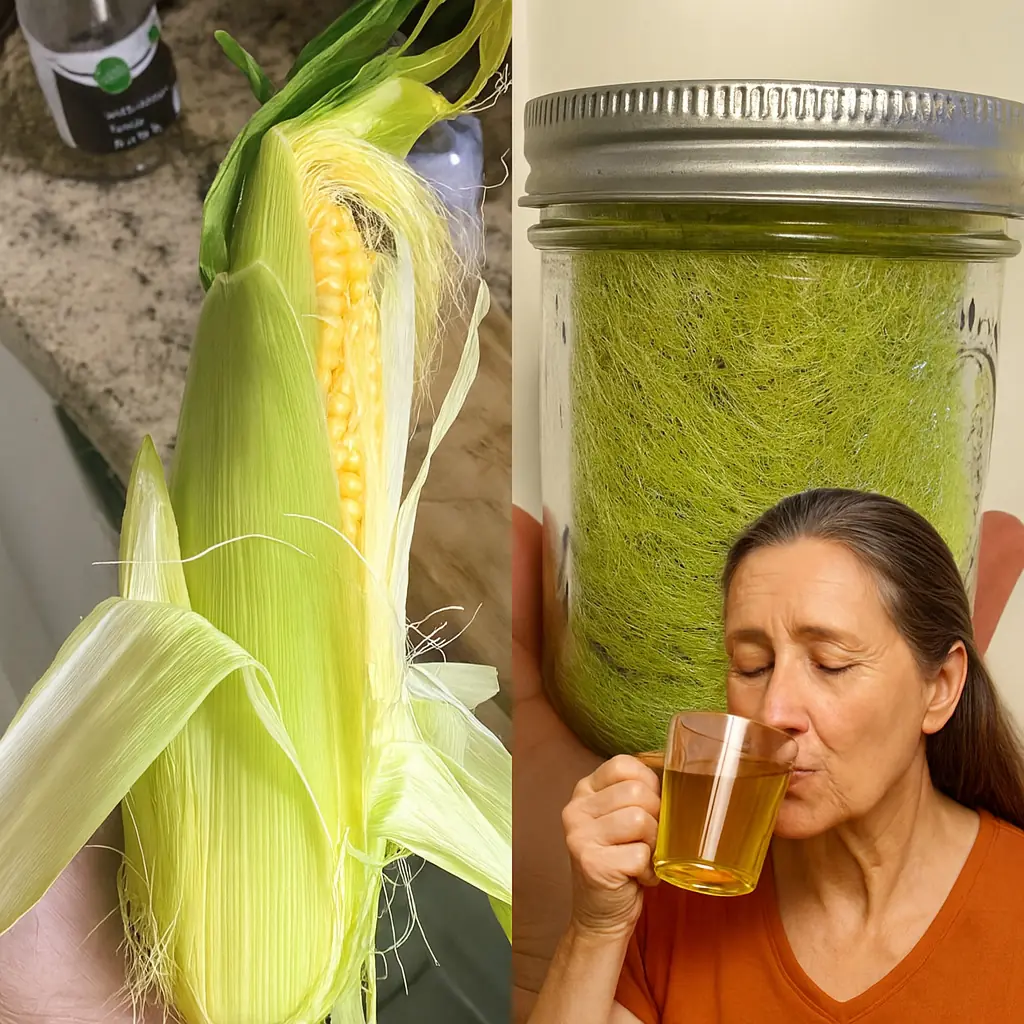
Corn silk, those delicate, golden threads you peel away from a fresh ear of corn, is often tossed aside without a second thought. But what if we told you this overlooked gem is a powerhouse of health benefits, packed with nutrients and centuries-old wisdom? From boosting kidney health to taming inflammation and even promoting glowing skin, corn silk is nature’s secret weapon you’ve been missing out on. Dive into this captivating guide to discover 30 incredible benefits of corn silk and learn how to harness its potential with simple, at-home remedies. Get ready to be amazed by this humble hero of natural wellness! 🌿 Why Corn Silk Deserves Your Attention
Corn silk isn’t just a byproduct of your favorite summer cob—it’s a treasure trove of health-boosting compounds like potassium, flavonoids, and antioxidants. Used for centuries in traditional medicine, this unassuming herb is making a comeback as a natural remedy for modern ailments. Whether you’re looking to support your kidneys, balance blood sugar, or simply feel your best, corn silk offers a gentle, effective solution. Let’s explore the 30 remarkable ways corn silk can transform your health and how you can easily incorporate it into your daily routine. 💧 30 Life-Changing Benefits of Corn Silk
1. Supercharges Urinary Health
Corn silk acts as a natural diuretic, increasing urine production to keep your urinary tract clear and healthy, reducing the risk of infections. 2. Prevents Kidney Stones
By promoting urine flow, corn silk helps flush out small particles, making it harder for kidney stones to form. 3. Boosts Kidney Function
Its anti-inflammatory properties soothe the kidneys, supporting those with chronic kidney issues for better overall function. 4. Banishes Bloating
As a diuretic, corn silk eliminates excess water and sodium, leaving you feeling lighter and less bloated. 5. Balances Blood Sugar
Research suggests corn silk enhances insulin sensitivity, helping regulate blood sugar levels, especially for those with type 2 diabetes. 6. Lowers Blood Pressure
By flushing out excess fluid, corn silk naturally reduces blood pressure, easing the strain on your heart. 7. Fights Inflammation
Packed with antioxidants, corn silk tames inflammation, offering relief for conditions like arthritis and inflammatory bowel disease. 8. Aids Weight Loss Efforts
Corn silk’s diuretic properties reduce water weight, giving your weight loss journey a natural boost. 9. Protects Your Liver
Traditionally used to support liver health, corn silk aids in detoxification, keeping your liver in top shape. 10. Shields Against Oxidative Stress
Its antioxidants combat cellular damage, slowing aging and protecting against chronic diseases. 11. Strengthens Immunity
Corn silk’s anti-inflammatory and antioxidant powers bolster your immune system, helping you stay resilient against illness. 12. Soothes Digestion
Say goodbye to bloating and indigestion—corn silk calms the digestive tract for smoother, more comfortable digestion. 13. Tackles Bedwetting
A time-tested remedy, corn silk strengthens the urinary system, helping children overcome bedwetting. 14. Eases Gout Pain
Its anti-inflammatory effects reduce the pain and swelling associated with gout, offering natural relief. 15. Relieves Joint Pain
Corn silk’s soothing properties make it a go-to for easing arthritis-related joint discomfort. 16. Promotes Radiant Skin
Applied topically or consumed, corn silk’s anti-inflammatory benefits help calm skin irritations for a healthy glow. 17. Supports Heart Health
By lowering cholesterol and blood pressure, corn silk keeps your heart and blood vessels in peak condition. 18. Detoxifies Naturally
Increased urine production helps flush toxins, giving your body a refreshing cleanse. 19. Balances Electrolytes
Rich in potassium, corn silk restores electrolyte balance, perfect for post-workout recovery. 20. Reduces Cholesterol
Studies show corn silk can lower LDL cholesterol, paving the way for better heart health. 21. Soothes Prostate Issues
Corn silk reduces inflammation in the prostate, offering relief for men with prostate conditions. 22. Clears Respiratory Woes
Used in herbal remedies, corn silk eases coughs and respiratory infections for easier breathing. 23. Prevents Fluid Retention
Say farewell to swollen ankles—corn silk’s diuretic action keeps fluid retention at bay. 24. Enhances Sleep Quality
By calming inflammation and the nervous system, corn silk promotes deeper, more restful sleep. 25. Manages Hypertension
Its diuretic effects help control high blood pressure, reducing strain on your cardiovascular system. 26. Combats Fatigue
Improved circulation and kidney function from corn silk can leave you feeling energized and refreshed. 27. Improves Bladder Control
Corn silk strengthens bladder muscles, reducing symptoms of an overactive bladder. 28. Lifts Your Mood
Its calming effects on the nervous system may ease mild anxiety and depression, promoting a sense of calm. 29. Nourishes Hair and Scalp
Rich in vitamins and minerals, corn silk supports healthy hair growth and soothes scalp conditions when used topically. 30. Speeds Wound Healing
Corn silk’s anti-inflammatory and antioxidant properties accelerate healing when applied to minor wounds or irritations. 🍵 How to Harness Corn Silk’s Power at Home
Ready to unlock corn silk’s potential? Here are four simple, effective ways to incorporate this natural wonder into your routine. Whether you prefer sipping a soothing tea or applying a healing poultice, these methods make it easy to enjoy corn silk’s benefits. 🌟 Corn Silk Tea: A Gentle Daily Ritual
Corn silk tea is a delicious and easy way to support urinary health, reduce bloating, and more.
Instructions: Gather fresh or dried corn silk and rinse thoroughly if fresh. Boil 1 cup of water, add 1 tablespoon of corn silk, and steep for 10-15 minutes. Strain into a cup, and add a touch of honey or lemon for flavor if desired. Sip up to three cups daily for maximum benefits. 🌾 Corn Silk Powder: A Versatile Boost
Turn corn silk into a fine powder to add a nutritional punch to your meals or drinks.
Instructions: Air-dry corn silk in a warm, dry place for several days until fully dehydrated. Grind it into a powder using a blender or coffee grinder. Store in an airtight container and sprinkle a teaspoon into smoothies, juices, or meals for a health boost. 🌿 Corn Silk Extract: Potent and Portable
For a concentrated dose, create a corn silk extract to tackle kidney or urinary issues.
Instructions: Place fresh corn silk in a glass jar and cover with high-proof alcohol like vodka. Seal tightly and store in a cool, dark place for 4-6 weeks, shaking occasionally. Strain the liquid into a dropper bottle and take 10-20 drops diluted in water up to twice daily. Use sparingly for best results. 🩹 Corn Silk Poultice: Soothe Your Skin
Corn silk’s anti-inflammatory properties make it perfect for calming skin irritations or minor wounds.
Instructions: Mash fresh corn silk into a paste or soak dried silk in warm water to soften. Apply the paste to the affected area, cover with a clean cloth, and leave for 15-20 minutes. Rinse with warm water to reveal soothed, healthier skin. ⚠️ Important Considerations Before Using Corn Silk
Corn silk is generally safe, but caution is key. Consult a healthcare professional before use, especially if you’re pregnant, breastfeeding, or taking medications like diuretics or blood pressure drugs. Some individuals may experience allergic reactions, so start with small amounts. Always use clean, properly sourced corn silk to avoid contamination. 🌽 Why Corn Silk is Your New Wellness Must-Have
From supporting kidney health to enhancing your skin’s glow, corn silk is a versatile, natural remedy that deserves a spot in your wellness arsenal. Its rich nutrients and time-honored uses make it a powerful ally for tackling modern health challenges. By incorporating corn silk tea, powder, extract, or poultice into your routine, you can tap into its 30 incredible benefits and feel your best naturally. Don’t let this golden treasure go to waste—embrace the power of corn silk and transform your health today!
Unveil the Mystery: 10 Japanese Rice-Based Secrets for Radiant, Wrinkle-Free Skin
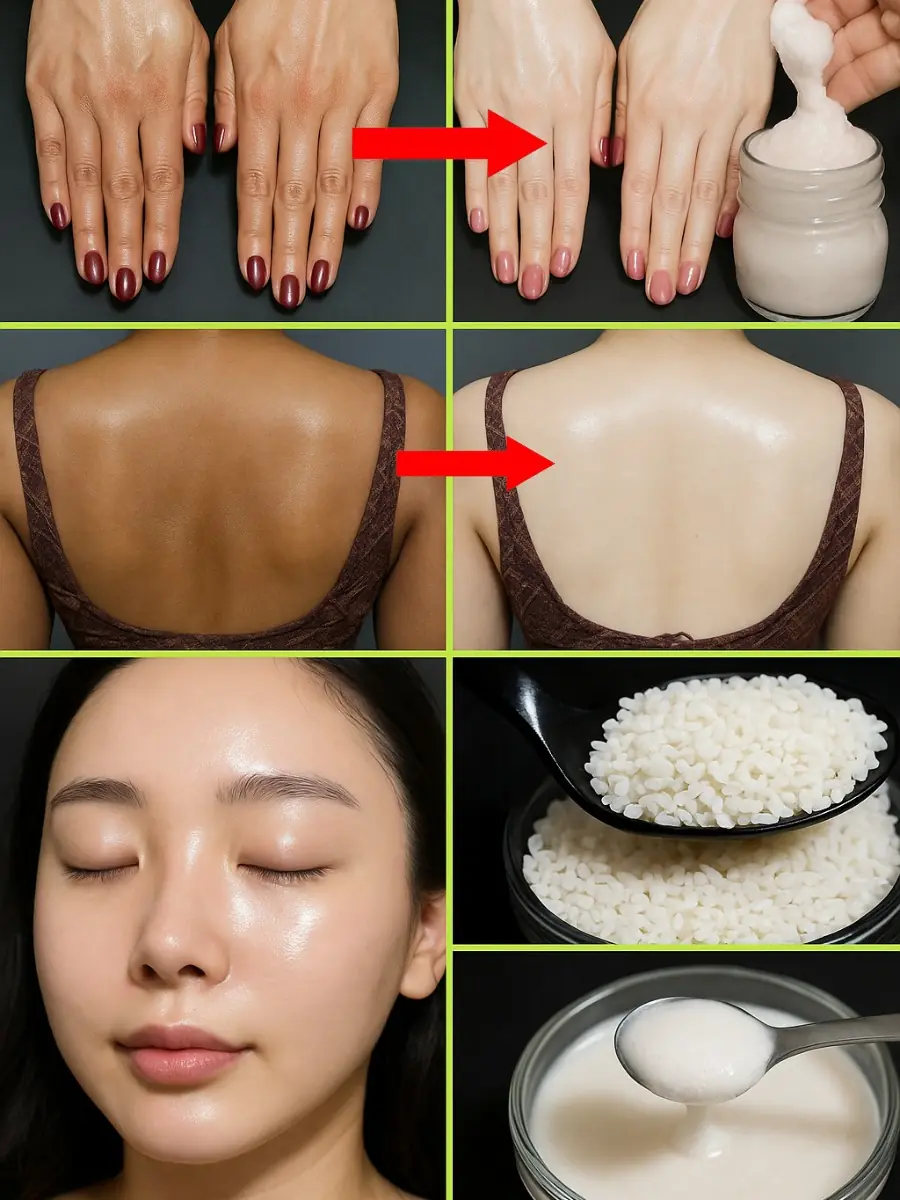
What if the secret to flawless, porcelain-like skin was hiding in your kitchen pantry all along? For centuries, Japanese women have captivated the world with their luminous, youthful complexions, seemingly untouched by time. Their beauty rituals, steeped in tradition and nature, hold the key to radiant skin that defies aging. At the heart of these rituals lies an unassuming yet powerful ingredient: rice. This humble grain, a cornerstone of Japanese culture, is more than just a dietary staple—it’s a skincare miracle that brightens, smooths, and rejuvenates. In this guide, we dive deep into 10 transformative rice-based Japanese beauty secrets that promise spotless, wrinkle-free skin. Designed to captivate and inspire, these time-honored techniques will leave you eager to unlock the radiant glow you’ve always dreamed of. Let’s embark on a journey to radiant skin, one rice grain at a time. 🌾 1. Rice Water: The Ancient Elixir for Luminous Skin
Rice water, the milky liquid left after rinsing rice, is a cornerstone of Japanese skincare. Packed with antioxidants, vitamins B and E, and essential minerals, it’s a natural powerhouse for brightening skin and tightening pores. This age-old elixir reduces pigmentation, evens skin tone, and promotes collagen production to keep wrinkles at bay. To harness its magic, simply soak rice in water for 15 minutes, strain, and use the liquid as a daily toner. Splash it on or apply with a cotton pad for a refreshing, glow-enhancing ritual. With consistent use, you’ll notice a smoother, more radiant complexion that feels as soft as silk. ✨ 2. Rice Bran Scrub: Gentle Exfoliation for a Polished Glow
Rice bran, the nutrient-rich outer layer of rice, is a gentle yet effective exfoliant. Infused with gamma-oryzanol, a potent antioxidant, it shields skin from UV damage while brightening dull complexions. Regular exfoliation with rice bran sloughs off dead skin cells, smooths fine lines, and reveals a vibrant, youthful glow. Create your own scrub by mixing finely ground rice bran with water or a touch of olive oil. Gently massage onto your face in circular motions, then rinse. This ritual leaves your skin polished and radiant, ready to absorb the benefits of your skincare routine. 🍯 3. Rice and Honey Mask: A Nourishing Duo for Timeless Beauty
Combining rice paste with honey creates a luxurious mask that hydrates, brightens, and rejuvenates. Honey, a natural humectant, locks in moisture, while rice paste fades age spots and boosts elasticity. Together, they deliver a double dose of nourishment for a plump, glowing complexion. To make this mask, blend cooked rice into a smooth paste and mix with a tablespoon of raw honey. Apply to clean skin, leave on for 15-20 minutes, then rinse with warm water. Use weekly for a radiant, youthful glow that feels as indulgent as it looks. 🍶 4. Fermented Rice (Sake): The Anti-Aging Powerhouse
Sake, Japan’s iconic rice wine, isn’t just for sipping—it’s a skincare superstar. Rich in kojic acid, sake naturally lightens hyperpigmentation and inhibits melanin production, making it a go-to for fading dark spots and achieving an even complexion. Its anti-aging properties are so potent that it’s a key ingredient in many luxury Japanese skincare brands. Incorporate sake into your routine by mixing a small amount with water to create a gentle toner or adding it to a face mask. Its brightening and firming effects will leave your skin looking refreshed and youthful. 🛢️ 5. Rice Bran Oil Massage: Smooth Wrinkles, Boost Glow
Rice bran oil is a hidden gem in Japanese skincare, brimming with squalene and vitamin E. These nourishing compounds hydrate deeply, firm the skin, and reduce the appearance of fine lines. A nightly massage with rice bran oil improves blood circulation, delivering a natural, dewy glow. Warm a few drops of rice bran oil between your palms and gently massage into your face using upward strokes. Focus on areas prone to wrinkles, like the forehead and around the eyes. This soothing ritual not only enhances your skin’s radiance but also promotes relaxation for a restful night’s sleep. 🥛 6. Rice Flour Pack: A Brightening Mask for Flawless Skin
Rice flour, finely milled from rice grains, is a versatile ingredient for a brightening face mask. When mixed with milk or yogurt, it creates a creamy pack that removes impurities, lightens acne scars, and enhances skin clarity. This gentle formula is ideal for all skin types, including sensitive ones. Mix two tablespoons of rice flour with enough milk or yogurt to form a smooth paste. Apply evenly to your face, let it sit for 20 minutes, then rinse with lukewarm water. Weekly use will reveal a brighter, more even-toned complexion that radiates health. 🍵 7. Rice and Green Tea Fusion: An Antioxidant Powerhouse
Japanese beauty rituals often pair rice with green tea to amplify their effects. Green tea’s polyphenols combat free radicals, protecting skin from premature aging, while rice softens and brightens. Together, they create a dynamic duo that revitalizes and rejuvenates. Brew a strong cup of green tea, let it cool, and mix with rice water or rice flour to create a mask or toner. Apply to your skin for an antioxidant boost that leaves it soft, smooth, and glowing with vitality. 🌹 8. Rice and Rose Water Toner: A Refreshing Path to Radiance
For a toner that balances, brightens, and refreshes, combine rice extract with rose water. This gentle blend restores your skin’s pH, tightens pores, and enhances clarity. It’s a natural alternative to chemical-laden toners, offering a soothing, aromatic experience. Soak rice in water for 30 minutes, strain, and mix the rice water with an equal part of rose water. Store in a spray bottle and mist onto your face after cleansing. This daily ritual will leave your skin hydrated, balanced, and radiant. 💨 9. Rice Water Steam Facial: Detoxify and Glow
Steaming your face with rice water is a luxurious way to detoxify and brighten your skin. The steam opens pores, allowing rice water’s nutrients to penetrate deeply, while improving blood flow for a firmer, more radiant complexion. This spa-like ritual is both relaxing and transformative. Heat rice water until it steams, then pour into a bowl. Lean over the bowl with a towel draped over your head to trap the steam, and relax for 5-10 minutes. Follow with a cool rinse to close pores. Incorporate this ritual weekly for a radiant, detoxified glow. 🍚 10. The Japanese Rice Diet: Beauty from the Inside Out
True beauty starts from within, and the Japanese diet reflects this philosophy. Brown rice, a staple in Japanese cuisine, is rich in antioxidants, amino acids, and minerals that promote skin regeneration and natural brightening. Incorporating brown rice into your meals supports a healthy complexion from the inside out. Aim to include brown rice in your diet several times a week, whether in sushi, bowls, or as a side dish. Its nutrient-dense profile supports collagen production and fights oxidative stress, ensuring your skin remains youthful and radiant. Why Rice-Based Skincare is a Game-Changer
Japanese rice-based skincare isn’t just a trend—it’s a proven, time-honored approach to achieving flawless skin. Here’s why it works: Antioxidant-Rich: Rice is packed with antioxidants that combat free radicals, slowing the aging process and keeping skin youthful.
Kojic Acid Power: Naturally occurring kojic acid in rice reduces pigmentation and dark spots, delivering a brighter complexion.
Collagen Boost: Rice promotes collagen production, minimizing wrinkles and enhancing skin elasticity.
Gentle Yet Effective: Suitable for all skin types, rice-based remedies are mild enough for sensitive skin while delivering powerful results.
Your Path to Radiant Skin
The allure of Japanese beauty lies in its simplicity, consistency, and reverence for nature. These 10 rice-based secrets offer a holistic approach to skincare, blending ancient wisdom with modern results. Whether you’re splashing on rice water as a toner, indulging in a rice bran scrub, or savoring brown rice for inner radiance, each step brings you closer to a flawless, youthful complexion. Start small—try one or two rituals, like a rice water toner or a weekly rice flour mask. With patience and dedication, you’ll unlock the timeless glow that has made Japanese skincare legendary. Your skin deserves this natural, nurturing care—embrace the journey and let your radiance shine.