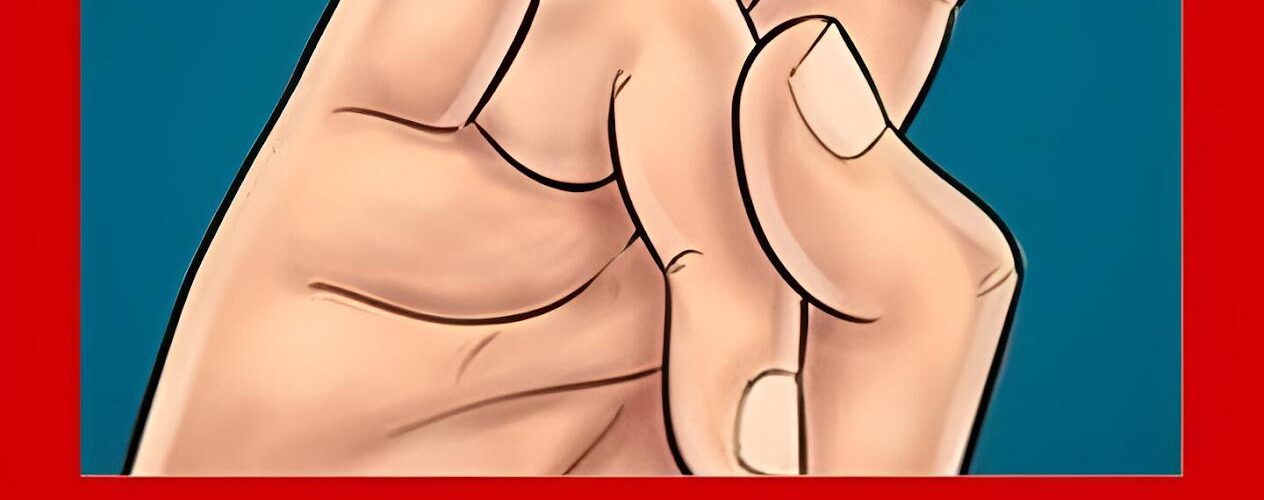
Gyan Mudra, oft als „Geste des Wissens“ bezeichnet, ist mehr als nur eine anmutige Handhaltung – es ist ein zeitloses Werkzeug für geistige Klarheit, emotionale Ausgeglichenheit und spirituelle Verbundenheit. Auf Sanskrit bedeutet Gyan „Wissen“ und Mudra „Siegel“ oder „Geste“. Zusammen bilden sie eine symbolische Verbindung zwischen dem individuellen und universellen Bewusstsein.
Diese einfache Berührung zwischen Daumen und Zeigefinger ist überraschend kraftvoll und kann subtile, aber tiefgreifende Veränderungen in Körper und Geist bewirken. Gyan Mudra wird seit Jahrhunderten von Yogis und Meditierenden praktiziert und erinnert uns daran, dass manchmal die kleinsten Handlungen zu den größten Veränderungen führen.
Uralte Ursprünge, zeitlose Relevanz
Gyan Mudra ist in indischen Yoga-Traditionen verwurzelt und wurde von buddhistischen und hinduistischen Weisen gleichermaßen übernommen. Es symbolisiert die Verbindung von Selbstbewusstsein und göttlicher Weisheit. Der Yoga-Philosophie zufolge repräsentiert der Daumen das universelle Bewusstsein und der Zeigefinger das individuelle Bewusstsein. Die Verbindung beider erinnert uns daran, dass wir niemals von der Weisheit des Universums getrennt sind.
Diese Geste ist häufig auf Bildern erleuchteter Wesen wie Buddha und Krishna zu sehen – ein Zeichen des Friedens, der Einsicht und der Transzendenz.
Warum es wichtig ist: Die Macht kleiner Rituale
Sie benötigen weder spezielle Hilfsmittel noch eine ideale Umgebung, um die wohltuende Wirkung von Gyan Mudra zu erleben. Sie können es überall praktizieren – beim Meditieren, am Schreibtisch oder in der Warteschlange. Was es so kraftvoll macht, ist seine Einfachheit. In einer Welt voller Ablenkungen und Komplexität lädt Gyan Mudra Sie ein, innezuhalten, sich zu verbinden und zu Ihrer Mitte zurückzukehren.
Wie man Gyan Mudra praktiziert
- Setzen Sie sich bequem im Schneidersitz oder mit geradem Rücken auf einen Stuhl.
- Legen Sie Ihre Hände mit den Handflächen nach oben auf Ihre Knie.
- Berühren Sie sanft mit der Spitze Ihres Daumens Ihren Zeigefinger und bilden Sie einen Kreis.
- Halten Sie die anderen Finger ausgestreckt, aber entspannt.
- Schließen Sie die Augen , atmen Sie tief durch und konzentrieren Sie sich auf die innere Stille.
Beginnen Sie mit 10–12 Minuten pro Tag. Mit der Zeit können Sie Ihre Übung auf 30 Minuten oder mehr ausdehnen. Der frühe Morgen (4–6 Uhr) gilt als die beste Zeit, aber Beständigkeit ist wichtiger als das Timing.
Vorteile von Gyan Mudra
🌿 Körperliche Vorteile
- Unterstützt die Verdauung und Darmgesundheit
- Lindert Verstopfung und verbessert die Durchblutung
- Fördert Muskelentspannung und Gleichgewicht
- Kann das Atemmuster und die körperliche Stabilität verbessern
🧠 Mentale und emotionale Vorteile
- Verbessert Fokus und Konzentration
- Hilft, Angst und Stress zu reduzieren
- Befreit den Geist von Negativität und Ablenkungen
- Fördert emotionale Ausgeglichenheit und Belastbarkeit
🌌 Spirituelle Vorteile
- Öffnet das Herz und schärft die Intuition
- Verbindet Sie mit höherem Bewusstsein
- Fördert Selbstverwirklichung und inneren Frieden
- Hilft, das Ego aufzulösen und fördert Demut und Einsicht
Energetische & ayurvedische Erkenntnisse
Im Ayurveda entspricht jeder Finger einem Element:
- Daumen : Feuer
- Zeigefinger : Luft
- Wenn sie verbunden werden, gleichen sie diese Energien aus und steigern so Klarheit und Vitalität.
Wenn Sie jedoch zu einem Übermaß an Vata (Luftelement) neigen , üben Sie achtsam und vermeiden Sie Übertreibungen, da zu viel Luft zu Unruhe oder Verdauungsbeschwerden führen kann. Zur Erdung kombinieren Sie diese Übung mit warmen Speisen, Kräutertees oder beruhigenden Farben.
Tipps zur täglichen Integration
- Verwenden Sie Gyan Mudra während Atemübungen, Meditation oder sanftem Yoga.
- Üben Sie es vor dem Schlafengehen, um einen erholsamen Schlaf zu fördern.
- Kombinieren Sie es mit Affirmationen wie „Ich bin ruhig. Ich bin klar.“
- Bleiben Sie entspannt – es geht um Präsenz, nicht um Perfektion.
Eine Praxis, die sich mit Ihnen weiterentwickelt
Anfangs fühlt es sich vielleicht seltsam an. Ihre Hände verkrampfen. Ihre Gedanken schweifen ab. Das ist okay. Konzentrieren Sie sich immer wieder auf Ihren Atem, Ihre Fingerspitzen und Ihre Absicht. Mit der Zeit kann sich aus einer einfachen Handbewegung ein Weg zu Frieden, Einsicht und Selbstfindung entwickeln.
Gyan Mudra erfordert nichts außer deiner Bereitschaft, sich zu zeigen – keine Ausrüstung, keine Erfahrung, nur ein paar ruhige Minuten am Tag. Es ist eine Geste, die die innere Stille anspricht und dich mit der Weisheit verbindet, die schon immer in dir war.
In deinen Fingerspitzen schlummert uralte Weisheit. Bist du bereit, zuzuhören? 🙏
Keanu Reeves Turns Emergency Landing into a Heartwarming Road Trip
When most celebrities might have slipped away quietly, Keanu Reeves once again showed why he’s one of Hollywood’s most beloved figures.
After a flight from San Francisco to Burbank was forced to make an emergency landing in Bakersfield, Reeves didn’t complain or retreat into privacy. Instead, he quickly offered a solution: gather the stranded passengers and make the 100-mile journey to Los Angeles together in a van.
🚐 From Flight Delay to Road Trip
What could have been a stressful ordeal became an impromptu road trip that passengers will never forget. Rather than staying quiet, Reeves kept everyone entertained along the way.
- He read quirky facts about Bakersfield aloud.
- He played local country songs from his phone.
- He chatted warmly with passengers, making them feel less like strangers and more like travel companions.
The atmosphere shifted from anxious to cheerful — all thanks to Reeves’ down-to-earth presence.
🍔 True to His Nature
After the ride, Reeves didn’t seek attention or fanfare. Witnesses later spotted him grabbing a casual bite at Carl’s Jr., blending in as if the day’s events were nothing unusual.
It was a classic Keanu moment: humility in action, kindness in the spotlight.
🌟 More Than Just a Movie Star
For fans, the story is just another reminder that Reeves’ reputation as “the nicest guy in Hollywood” isn’t just a meme — it’s who he really is. His decision to connect with fellow travelers, ease their stress, and turn inconvenience into community showed that stardom isn’t about fame.
It’s about how you make people feel, even in the most unexpected places.
Nature Meets Innovation: Canada’s Wildlife Overpasses Saving Lives
Canada is proving that thoughtful design can bridge the gap between human progress and nature’s needs. Across the country, a network of wildlife overpasses—often referred to as “green bridges”—is helping animals safely cross busy highways, reducing deadly collisions and restoring vital migration routes.
A Solution to a Growing Problem
Highways have long posed a major challenge for wildlife. Roads fragment habitats, disrupt migration patterns, and put both animals and motorists at risk of accidents. In Banff National Park, for example, the Trans-Canada Highway cuts through one of North America’s richest ecosystems. In the past, this stretch of road recorded hundreds of vehicle-wildlife collisions annually, often involving deer, elk, moose, and even bears.
To address the issue, Parks Canada began constructing wildlife crossings in the 1990s. Today, Banff boasts seven vegetated overpasses and 42 underpasses—the most extensive system of its kind anywhere in the world.
How the Green Bridges Work
Unlike ordinary bridges, these overpasses are carefully landscaped with soil, grasses, and shrubs to mimic the surrounding forest. High fencing along the highway guides animals to the crossings, encouraging them to use the structures rather than attempt dangerous road crossings.
The results have been remarkable:
- Wildlife-vehicle collisions have dropped by over 80 percent overall, and by more than 96 percent for deer and elk.
- The crossings are used by a wide variety of species, including deer, moose, elk, wolves, lynx, coyotes, cougars, and both black and grizzly bears.
- Even species initially hesitant—such as grizzly bears—have gradually adapted, proving that thoughtful design can change behavior.
Global Inspiration
Canada’s success has sparked international attention. From the United States to Europe and Asia, countries are now developing their own wildlife crossings inspired by the Banff model. In the Netherlands, ecoducts allow red deer and wild boar to move freely across highways. In India, similar structures are helping tigers and elephants navigate fragmented landscapes.
By reconnecting habitats, these projects not only protect animals but also ensure genetic diversity and long-term ecosystem health.
More Than Just Animal Safety
The benefits extend beyond conservation. Fewer collisions mean safer roads for drivers and lower costs for healthcare, vehicle repair, and insurance. While a single wildlife overpass can cost between $2–4 million, experts note that the investment quickly pays off when measured against the financial and human toll of road accidents.
A Path Forward
Canada’s wildlife crossings stand as a powerful reminder of what’s possible when human infrastructure is designed with ecology in mind. By weaving natural landscapes into modern engineering, the country has demonstrated that coexistence is not only possible—it is practical and life-saving.
As climate change and urban expansion continue to pressure wildlife populations, innovative solutions like these will become even more essential. And as Canada’s green bridges show, when we give nature a path, it finds its way.
Morgan Freeman Turns Mississippi Ranch into Bee Sanctuary to Help Save Pollinators
Hollywood legend Morgan Freeman is not only known for his commanding voice and iconic performances on screen, but also for his quiet dedication to protecting the planet. In 2014, the Oscar-winning actor transformed his 124-acre ranch in Mississippi into a sanctuary for honeybees, aiming to support one of nature’s most essential—and most threatened—species.
🌍 A Response to a Global Crisis
Honeybees play a vital role in agriculture, pollinating nearly one-third of the world’s food crops. Yet, in recent decades, bee populations have plummeted due to habitat loss, pesticides, disease, and climate change. Freeman, concerned about the ecological consequences, decided to take action on his own land.
“I’ve been doing this for a few years now,” Freeman told interviewers when asked about his beekeeping efforts. “There’s a concerted effort to bring bees back onto the planet… we do not realize that they are the foundation, I think, of the growth of the planet.”
🐝 Building the Sanctuary
Freeman imported 26 beehives from Arkansas to kickstart the project. Instead of focusing on honey production, his approach is strictly conservationist: the bees are not disturbed, nor is honey harvested. His priority is to provide a safe and abundant environment for them to thrive.
To make the land bee-friendly, Freeman planted magnolia trees, lavender, clover, and fruit trees, creating a diverse and sustainable habitat that blooms throughout the year. This ensures the bees have a steady supply of nectar and pollen while also enriching the biodiversity of the region.
🌸 A Star’s Legacy Beyond Hollywood
Though best known for his roles in The Shawshank Redemption, Driving Miss Daisy, and Million Dollar Baby, Freeman has added “environmental advocate” to his list of achievements. His sanctuary has inspired many, showing how individual action can contribute to global environmental solutions.
Rather than making it a high-profile project, Freeman treats his bee sanctuary as a personal mission—an act of stewardship and respect for nature.
🌱 Why It Matters
The decline of pollinators like honeybees poses a serious risk to ecosystems and food security. Efforts like Freeman’s highlight the importance of biodiversity and serve as a reminder that conservation is not limited to scientists or policymakers—it can begin in one’s own backyard.
✨ Conclusion
Morgan Freeman’s Mississippi ranch is more than just a property—it’s a living, buzzing symbol of hope. By transforming it into a bee sanctuary, he reminds the world that saving the planet often starts with simple but powerful choices.
His story underscores an essential truth: protecting bees is not just about saving a species—it’s about safeguarding the future of our food, our ecosystems, and generations to come.