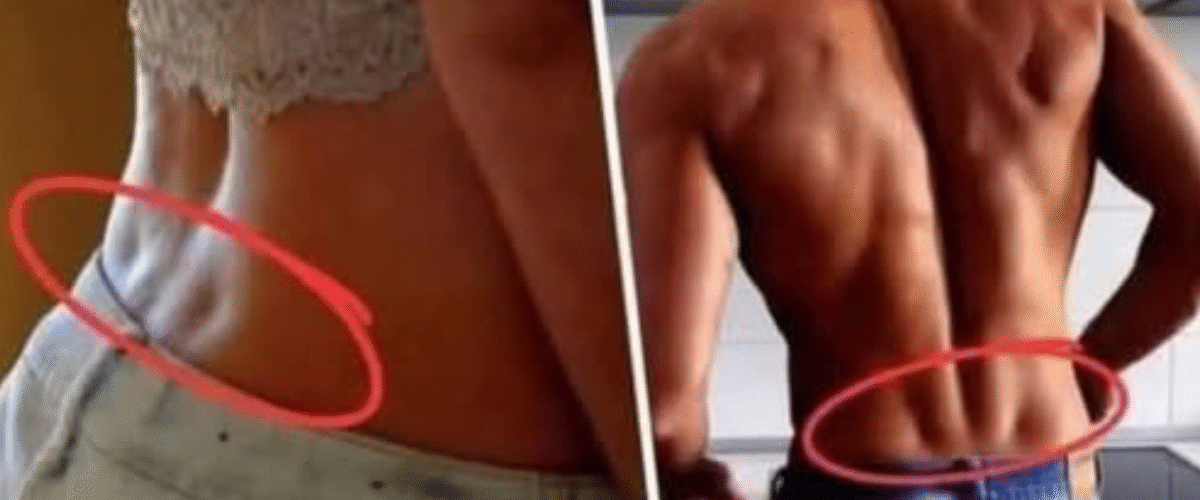
Haben Sie schon einmal zwei kleine Vertiefungen auf Ihrem unteren Rücken, direkt über dem Gesäß, bemerkt? Diese sind allgemein als Venusgrübchen bekannt . Benannt nach Venus, der römischen Göttin der Liebe und Schönheit, werden diese kleinen, symmetrischen Vertiefungen seit langem als Zeichen von Attraktivität, Gesundheit und Vitalität bewundert.
Wie sie entstehen
Venusgrübchen entstehen durch ein Band, das die Haut direkt mit einem knöchernen Teil des Beckens, der Spina iliaca posterior superior, verbindet. Diese Verbindung führt zu sichtbaren Einbuchtungen im unteren Rücken. Sie sind bei Menschen mit geringerem Körperfettanteil und straffer Muskulatur deutlicher sichtbar, aber letztendlich ist ihr Auftreten genetisch bedingt. Wenn Ihre Eltern oder Großeltern sie haben, ist die Wahrscheinlichkeit höher, dass Sie sie auch haben.
Venusgrübchen vs. Apollolöcher
Während Venusgrübchen meist im Zusammenhang mit Frauen auftreten, können auch Männer ähnliche Merkmale aufweisen , die als Apollolöcher bezeichnet werden , benannt nach Apollo, dem römischen Gott der Kraft und Athletik. Sowohl Venusgrübchen als auch Apollolöcher werden mit einer guten Durchblutung, guter Gesundheit und einem fitten Körperbau in Verbindung gebracht. Sie sind bei Personen mit einem aktiven Lebensstil und einem gesunden Gewicht tendenziell deutlicher sichtbar.
Können Sie sie „erstellen“?
Obwohl Sport und Ernährung ihre Sichtbarkeit verbessern können, können diese Grübchen nicht künstlich entstehen, wenn das darunterliegende Band fehlt. Mit anderen Worten: Sie können Ihren Körper nicht trainieren, sie wachsen zu lassen – sie sind ein natürliches Merkmal Ihrer Anatomie. Wenn Sie jedoch fit bleiben und einen schlanken Körper behalten, können sie deutlicher hervortreten.
Mögliche gesundheitliche Zusammenhänge
Über die Ästhetik hinaus glauben manche, dass Venusgrübchen mit einer besseren Durchblutung im Beckenbereich zusammenhängen könnten, was zu gesteigerter sexueller Lust beitragen könnte. Obwohl es nur wenige wissenschaftliche Beweise dafür gibt, erfreut sich diese Theorie in Diskussionen über Gesundheit und Wellness großer Beliebtheit.
Kulturelle Bedeutung und moderne Popularität
Seit Jahrhunderten wecken diese Grübchen Faszination und Bewunderung. In der heutigen Fitnesskultur gelten sie oft als Zeichen eines straffen und gesunden Körpers, und viele Menschen, die sie haben, sind stolz auf dieses einzigartige Merkmal.
Individualität annehmen
Es ist wichtig, sich daran zu erinnern, dass das Fehlen von Venusgrübchen oder Apollolöchern nichts Negatives über Ihre Gesundheit oder Attraktivität aussagt. Jeder Körper ist einzigartig, und diese Grübchen sind nur eines von vielen genetisch bedingten Merkmalen. Wichtig ist, die eigene Individualität zu akzeptieren und einen Lebensstil zu pflegen, der Gesundheit und Wohlbefinden fördert.
Abschließende Gedanken
Venusgrübchen und Apollolöcher mögen klein sein, doch sie haben in verschiedenen Kulturen eine große Bedeutung. Ob als Symbol der Schönheit, Vitalität oder einfach als einzigartige anatomische Merkmale, erinnern sie uns an die faszinierende Vielfalt des menschlichen Körpers.
Discover Why You Shouldn’t Sweep the House at Night
In many cultures, it’s common to hear that sweeping the house at night is something you should avoid. But what’s the reason behind this advice? In this article, we’ll explore not only the origins of this belief but also the practical implications of sweeping at night. While this tradition may seem like a simple myth, it actually carries valuable lessons about cleanliness and home well-being. 
Cultural Roots of the Belief
Beliefs about sweeping at night vary across different cultures. In some communities, it’s thought to bring bad luck or drive away prosperity. In others, it’s linked to the idea of “sweeping out” the positive energy from the home. These traditions, though seemingly superstitious, reflect a deeper connection between our daily actions and the spiritual health of our surroundings.
Many of these ideas have been passed down from generation to generation, becoming an integral part of family traditions. And while they may seem outdated, many of them had practical foundations that encouraged people to maintain a healthy environment.
Practical Aspects of Sweeping at Night
Beyond cultural beliefs, there are practical reasons why sweeping at night might not be ideal. Low light and natural evening fatigue can make it harder to clean effectively. Sweeping carelessly can leave dust hidden in dark corners or cause you to miss areas that need attention, leaving the house less clean than you think.
In addition, sweeping requires physical effort. Doing it when you’re already tired can cause discomfort or strain. Simple household tasks are often best handled during the day, when you’re more alert and energetic. It’s wise to reserve attention-demanding chores for times when your body is better prepared.
The Importance of Cleanliness for Health
Home cleanliness isn’t just about appearance; it’s also crucial for health. Dust, allergens, and dirt buildup can trigger respiratory issues and other conditions. When sweeping, the goal should be to fully remove dirt, not just move it around. Sweeping at night may increase the chance of overlooking messes, which could lead to a less healthy environment.
Regular, mindful cleaning also benefits mental health. A clean and organized space supports both productivity and relaxation. Using daylight hours for household chores can enhance not only physical health but also emotional well-being.
Alternatives for Effective Cleaning
If your schedule makes daytime cleaning difficult, there are plenty of alternatives to keep your home tidy without sweeping at night:
- Daily organization: Spend a few minutes each day picking up and handling light cleaning tasks.
- Cleaning schedule: Assign specific days for deeper cleaning tasks to avoid last-minute rushes.
- Family involvement: Share responsibilities with family members or housemates. This not only makes cleaning easier but also builds a sense of cooperation.
Conclusion
While beliefs about sweeping at night may sound like superstition, they often have cultural and practical roots that impact daily life. Keeping your home clean and orderly is essential for both physical and mental well-being. When planning your cleaning routine, consider the best times of day and don’t hesitate to explore methods that fit your lifestyle.
Ultimately, home cleanliness is more than just sweeping floors. It requires care, attention, and respect for your space—and it can transform your house into a healthier, more harmonious environment.
8 Clear Signs He Knows He Hurt You
Being in a healthy relationship doesn’t mean you will never feel hurt by your partner. One of the most common misconceptions about happy couples is the belief that they never experience pain or disappointment in their relationship. This is far from the truth.
Even in strong, loving partnerships, small actions—whether intentional or not—can hurt. Sometimes couples break up because of unresolved pain. If your partner is emotionally immature, he might not recognize the damage he has caused right away. But if he is more self-aware, guilt will eventually set in, and he may try to make amends.
There are clear signals that show he realizes the impact of his behavior. Let’s take a closer look at the most obvious signs.
1. He Showers You With Gifts
One of the first signs he feels guilty is when he starts giving you gifts. This is often his way of making up for how he treated you. While gifts can be a sincere gesture, they don’t erase the root problem. Be cautious—make sure he is genuinely changing his behavior rather than using presents as a temporary band-aid.
2. He Seeks Ways to Talk to You
If he goes out of his way to reach you, apologize, or start conversations, it shows he regrets hurting you. He may text or call more frequently, ask unnecessary questions, or try to keep the communication line open. His constant effort to stay connected is a clear indicator that he misses you and feels guilty about losing your bond.
3. He Says You Deserve Better
Sometimes guilt makes him redirect the focus to you. He might tell you that you deserve a better man or that he isn’t good enough. While you may know that’s not true, this is his way of relieving his own guilt. It’s one of the ways men cope when they realize they’ve caused pain.
4. He Apologizes Sincerely
A heartfelt apology is one of the strongest signs of regret. When he reaches out with a genuine message admitting his mistakes and expressing sorrow, it usually comes from a place of honesty and remorse. You will be able to sense the sincerity in his words and the weight of his regret.
5. He Avoids You
Not everyone handles guilt the same way. Some men avoid the person they’ve hurt because they feel too ashamed to face them. If he suddenly stops replying to messages or avoids places where he knows you’ll be, it may be because he cannot bear the reminder of what he has done.
6. He Becomes More Quiet Than Usual
If he suddenly withdraws, talks less, and seems less lively around friends or in social circles, it may be a sign that guilt is affecting him. Even if he tries to put on a happy face online or in public, you—who know him well—can see through the façade. His quietness is often a reflection of inner turmoil.
7. He Shows Up in Your Life More Often
Another way guilt manifests is when he starts appearing in places you frequent, whether at events, restaurants, or even unexpectedly near your home or workplace. While this might feel coincidental, it is often intentional—his way of trying to reconnect and prove that he still cares.
8. He Makes Positive Changes
Perhaps the clearest sign is when he takes concrete steps to improve himself. If he changes his habits, becomes more attentive, and works on fixing the issues that hurt you in the first place, it shows he has realized his mistakes. True change is the strongest sign of remorse and a genuine desire to rebuild the relationship.
Final Thoughts
No relationship is without challenges, and no one is perfect. The important thing is not whether mistakes happen, but how they are handled afterward. If he sets aside his pride, acknowledges the pain he caused, and makes an effort to become better, it could be a turning point.
Whether you choose to forgive him or move on depends on your boundaries and your vision of a healthy relationship. But knowing these signs can help you understand his feelings and intentions more clearly.
Most People Have No Idea What The Lines On Bath Towels Actually Mean
Every home needs bath towels, but few people stop to consider the small details that go into their design. One such detail is the lines often woven into the surface of bath towels.
While these lines may look purely decorative at first glance, they actually serve specific purposes that improve a towel’s durability and functionality. Understanding their role can give you a greater appreciation for the craftsmanship behind them.
Why Bath Towels Have Lines
The lines on bath towels are not just for aesthetics — they are often the result of deliberate weaving techniques. These lines can:
- Enhance the towel’s ability to absorb moisture.
- Maintain its structural integrity.
- Improve its tactile feel.
By studying their function, we can see the engineering that goes into creating this everyday household item.
Key Purposes of the Lines
One main reason for adding lines is to boost absorbency. The weaving creates more surface area, which increases water absorption. These lines can also form tiny channels that help air circulate, allowing the towel to dry faster.
In addition, they can act as visual guides for folding or hanging, ensuring the towel stays neat and well-shaped over time.
Tread Lines and Towel Longevity
Some towels feature raised lines called tread lines. These are woven to reinforce the towel’s structure, helping prevent fraying or distortion after repeated washes. Tread lines also help maintain the towel’s thickness and soft texture, extending its lifespan.
How the Dobby Weave Helps Towels Keep Their Shape
The dobby weave, a popular towel-making method, produces small geometric patterns — often seen as lines — that help the towel hold its form. This tight, stable weave resists stretching and deformation, so the towel keeps its original shape even after long-term use.
The Role of Dobby Borders
Dobby borders are the decorative bands at the ends of towels. They are usually woven denser than the rest of the fabric, giving extra strength to the edges and preventing unraveling. These borders also frame the towel aesthetically while enhancing its overall durability.
Conclusion
Bath towel lines are much more than decoration — they are the result of thoughtful weaving techniques that enhance longevity, absorbency, and beauty. Knowing their purpose can help you appreciate the careful design that goes into creating a high-quality towel.
Next time you grab a towel, take a moment to notice the small details that make it such a reliable, long-lasting part of daily life.