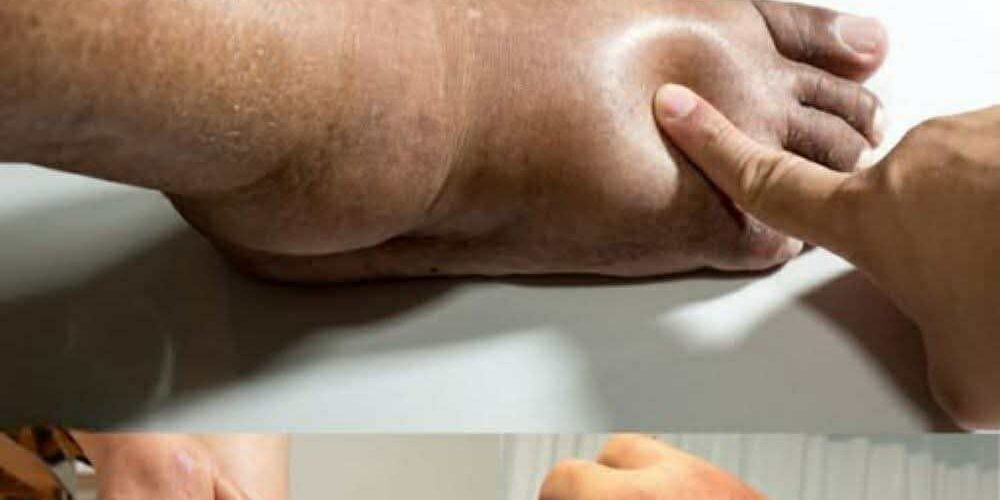
Schwellungen an Händen und Füßen sind ein häufiges Leiden, das die meisten Menschen irgendwann einmal erleben. In vielen Fällen sind sie leicht und vorübergehend und werden durch Faktoren wie langes Sitzen, Stehen oder leichte Kreislaufprobleme verursacht. Wenn Schwellungen jedoch plötzlich auftreten, sich mit der Zeit verschlimmern oder von anderen Symptomen begleitet werden, kann dies auf ein zugrunde liegendes gesundheitliches Problem wie Herz-, Nieren- oder Leberprobleme hinweisen. 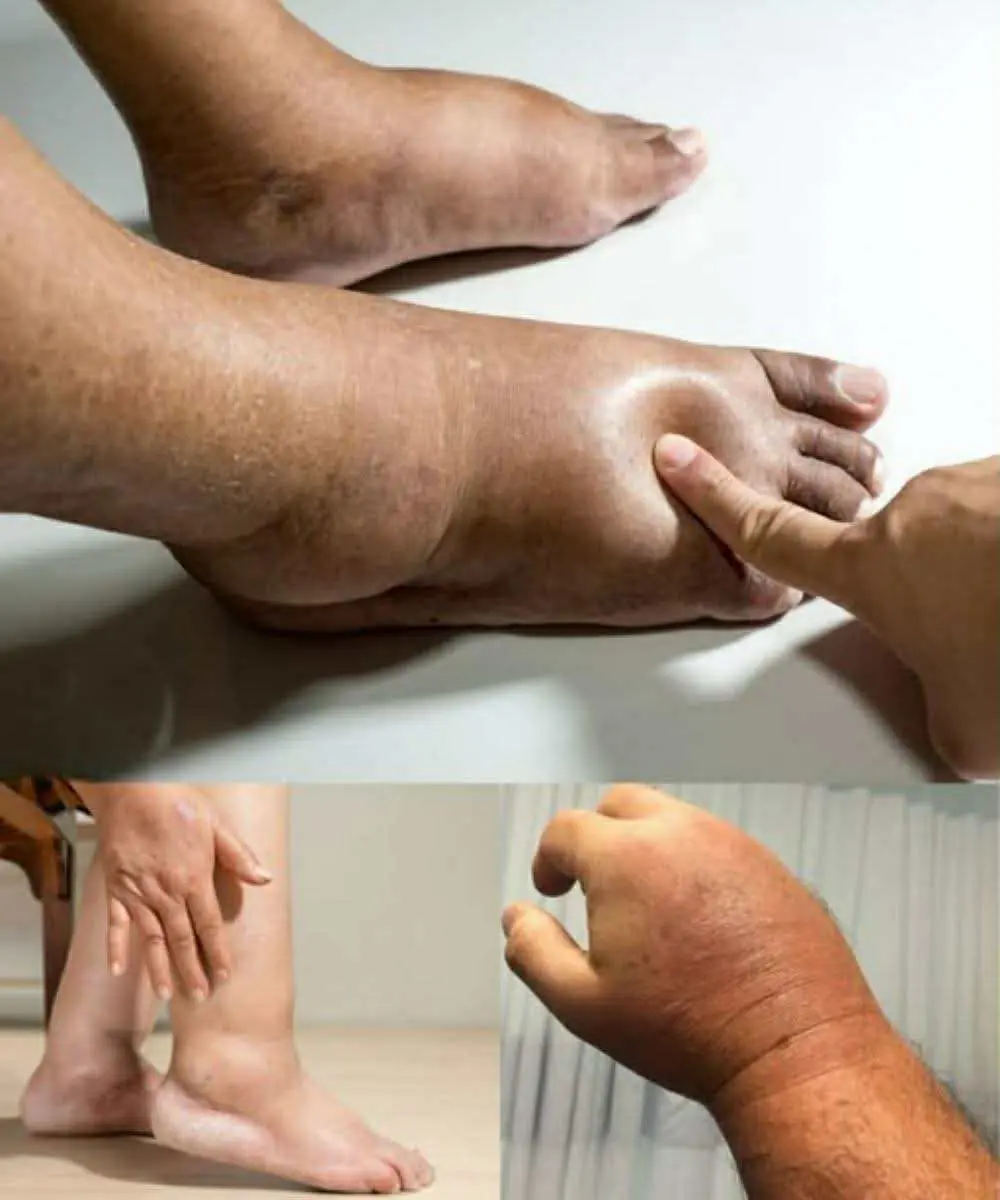
Bei anhaltenden oder starken Schwellungen ist eine ärztliche Untersuchung unerlässlich, doch schon kleine Anpassungen des Lebensstils und der Ernährung können einen großen Unterschied machen. Bestimmte Lebensmittel unterstützen auf natürliche Weise die Durchblutung, den Flüssigkeitshaushalt und die Entzündungskontrolle und helfen dem Körper, sein Gleichgewicht wiederherzustellen. Im Folgenden finden Sie neun Lebensmittel, die für ihr Potenzial zur Reduzierung von Schwellungen an Händen und Füßen bekannt sind.
1. Bananen: Der natürliche Kaliumschub
Bananen sind reich an Kalium, Vitamin C und Ballaststoffen. Kalium spielt eine entscheidende Rolle bei der Regulierung des Natriumspiegels im Körper. Bei geringer Kaliumzufuhr neigt Natrium zur Ansammlung, was zu Wassereinlagerungen und Schwellungen führt. Der Verzehr von Bananen oder anderen kaliumreichen Lebensmitteln wie Avocados und Orangen kann dem Körper helfen, überschüssiges Natrium auszuspülen, das Gleichgewicht wiederherzustellen und Flüssigkeitsansammlungen zu lindern. Schon eine Banane pro Tag kann die Durchblutung fördern und Schwellungen reduzieren.
2. Gurken: Hydratisierung und Unterstützung des Bindegewebes
Mit einem Wassergehalt von 90 % gehören Gurken zu den feuchtigkeitsspendendsten Gemüsesorten. Dehydration ist ein häufiger Auslöser von Schwellungen. Gurken in Salaten, Smoothies oder aromatisiertem Wasser helfen, den Flüssigkeitshaushalt im Gleichgewicht zu halten. Gurken enthalten außerdem Kieselsäure und Antioxidantien, die das Bindegewebe stärken und so die Durchblutung fördern.
3. Wassermelone: Ein erfrischendes natürliches Diuretikum
Süß, saftig und erfrischend – Wassermelone spendet nicht nur Flüssigkeit. Sie wirkt auch als mildes natürliches Diuretikum und hilft dem Körper, überschüssige Flüssigkeit auszuscheiden, die Schwellungen verursachen kann. Reich an Vitamin A und C sowie Lycopin, wirkt Wassermelone zudem entzündungshemmend. Ein paar Scheiben an einem heißen Tag – oder nach langem Stehen – können Schwellungen lindern und den Körper mit Nährstoffen versorgen.
4. Blattgemüse: Magnesium- und Kalium-Kraftpakete
Dunkles Blattgemüse wie Spinat, Grünkohl und Mangold liefern eine wirksame Kombination aus Magnesium und Kalium. Magnesium entspannt die Blutgefäße und verbessert die Durchblutung, während Kalium den Natriumspiegel ausgleicht. Zusammen helfen diese Nährstoffe, Wassereinlagerungen und Schwellungen vorzubeugen.
5. Beeren: Antioxidantienreiche Entzündungshemmer
Blaubeeren, Erdbeeren, Himbeeren und Brombeeren sind kleine, aber wirkungsvolle Verbündete im Kampf gegen Schwellungen. Sie sind reich an Antioxidantien – insbesondere Anthocyanen –, die die Blutgefäße schützen, Entzündungen hemmen und die Durchblutung fördern. Eine Handvoll frischer Beeren zum Frühstück oder als Snack bietet sowohl Süße als auch gesundheitliche Vorteile.
6. Ananas: Bromelain für Erholung und Kreislauf
Frische Ananas enthält Bromelain, ein natürliches Enzym, das entzündungshemmend und durchblutungsfördernd wirkt. Sportler essen nach Verletzungen häufig Ananas, um Schwellungen zu lindern. Ob frisch gegessen oder als Saft genossen, Ananas ist eine süße, nährstoffreiche Möglichkeit, die Regeneration und das Wohlbefinden zu fördern.
7. Sellerie: Ein sanftes natürliches Diuretikum
Sellerie ist seit langem für seine milde harntreibende Wirkung bekannt, die Wassereinlagerungen und Blähungen reduziert. Sein hoher Ballaststoffgehalt unterstützt zudem die Verdauung, was indirekt Schwellungen reduziert. Während roher Sellerie mehr Ballaststoffe enthält, enthält Selleriesaft höhere Konzentrationen an Wasser und Butylphthalid, Verbindungen, die die harntreibende Wirkung verstärken können. Beide Formen lassen sich problemlos in die tägliche Ernährung integrieren.
8. Ingwer und Kurkuma: Wirksame entzündungshemmende Gewürze
Ingwer und Kurkuma sind seit Jahrhunderten in der traditionellen Medizin bekannt und wirken entzündungshemmend. Sie verbessern die Durchblutung, lindern Verspannungen und helfen bei Schwellungen in Händen und Füßen. Frischer Ingwertee oder Suppen und Currys mit Kurkuma sind einfache und geschmackvolle Möglichkeiten, von ihren wohltuenden Eigenschaften zu profitieren.
9. Nüsse und Samen: Magnesium für den Flüssigkeitshaushalt
Obwohl sie im Gegensatz zu Obst und Gemüse nicht so hydratisierend sind, sind Nüsse und Samen – insbesondere Mandeln, Cashewnüsse und Sonnenblumenkerne – hervorragende Magnesiumquellen. Dieses Mineral unterstützt den Flüssigkeitshaushalt und die Durchblutung und lindert bei regelmäßigem Verzehr Schwellungen. Um den größtmöglichen Nutzen zu erzielen, sollten Sie ungesalzene Sorten wählen, da zugesetztes Natrium die positiven Effekte zunichtemachen kann.
Wichtiger Hinweis
Diese Lebensmittel können zwar den Kreislauf und den Flüssigkeitshaushalt unterstützen, sind aber kein Ersatz für eine professionelle medizinische Versorgung. Anhaltende oder unerklärliche Schwellungen sollten immer von einem Arzt untersucht werden, um ernsthafte Erkrankungen auszuschließen.
Abschließende Gedanken
Schwellungen an Händen und Füßen sind oft nur vorübergehend, können aber auch ein Anzeichen für eine ernstere Erkrankung sein. Eine Ernährung, die reich an Kalium, Magnesium, Antioxidantien und hydratisierenden Lebensmitteln ist, kann den Kreislauf und die Flüssigkeitsregulierung auf natürliche Weise unterstützen. Indem Sie Bananen, Gurken, Wassermelonen, Blattgemüse, Beeren, Ananas, Sellerie, Ingwer, Kurkuma und Nüsse in Ihre Mahlzeiten integrieren, unterstützen Sie Ihren Körper dabei, Schwellungen zu reduzieren und das Gleichgewicht zu halten.
Eine kleine Veränderung am Tisch kann zu einem großen Unterschied in Ihrem täglichen Wohlbefinden führen. 🌿
A Sweet Tradition: What Happens When You Eat 2 Dates a Day for a Month
“Go have two dates, dear. Let nature do her magic.”
Back then, no one talked about antioxidants or minerals. We simply trusted the wisdom handed down through generations: the earth provides what we need. And dates? They were tiny golden treasures of sweetness and strength.
🍂 Why Just 2 Dates a Day?
You don’t need a handful. Just two dates each day is enough to enjoy their gentle, folk-believed benefits. While they aren’t a medicine or miracle cure, here’s what many people have noticed after making them a daily habit:
🌟 Gentle Health Support (As Passed Down in Folk Wisdom)
- Natural Energy Lift – Thanks to natural sugars like glucose and fructose, dates may help you feel more awake — without the caffeine crash.
- Digestive Comfort – Their natural fiber supports healthy digestion and may ease occasional bloating or sluggishness.
- Heart & Circulation Support – Folk traditions link the potassium and magnesium in dates with better circulation and overall heart wellness.
- Bone Strength – Grandmothers often praised dates for their minerals, especially calcium, believed to help keep bones steady and strong.
- Mood & Mind Balance – Dates bring more than sweetness — many people find they lift the mood, ease tension, and encourage calm focus.
(Of course, these are traditional beliefs, not medical guarantees. For health concerns, always seek professional advice.)
🥣 How to Enjoy Your Daily Dates
Ingredients:
- 2 medium-sized dates (Medjool, Deglet Noor, or your favorite variety)
- Optional: a few almonds or walnuts for pairing
Instructions:
- Rinse lightly if sticky.
- Slice and remove the pit.
- Eat slowly, either plain or stuffed with a nut.
- Enjoy them in the morning for natural energy, or at night as a sweet calming treat.
Other Delicious Ways:
- Chop into warm oatmeal.
- Blend into smoothies as a natural sweetener.
- Use in baking instead of refined sugar.
💡 Grandma’s Extra Tips
- Pair with Protein – Combine with nuts or cheese to balance blood sugar.
- Soak Overnight – If dry, soak in warm water before bed; they’ll be softer and sweeter by morning.
- Make Date Paste – Blend 6–8 pitted dates with a little water to make a natural jam.
- Snack Box Trick – Pack two dates in a small container for an instant afternoon pick-me-up.
🍃 A Closing Note from the Heart
Sometimes, the simplest habits are the most powerful: a quiet walk at sunrise, tea before bed, or two sweet dates each day.
Dates don’t come in fancy packaging or make big promises. Yet for centuries, they’ve quietly supported families through seasons of change — offering energy, comfort, and a touch of sweetness.
So if life feels rushed, your body weary, or your heart a little heavy, maybe two dates a day can remind you of something softer, slower, and sweeter — a tradition as warm as a grandmother’s hands.
Disclaimer: This article is for educational and traditional purposes only. It is not medical advice. Always consult a healthcare provider before making dietary changes, especially if you have health conditions or allergies.
BE CAREFUL, if you get these bruises on your body, it means you have…
Have you ever noticed that you bruise easily? Those black-and-blue marks that eventually turn yellow may not only look unsightly, but sometimes they’re painful and even a sign of something more serious. While bruises often result from harmless bumps or injuries, in some cases they can indicate an underlying medical issue.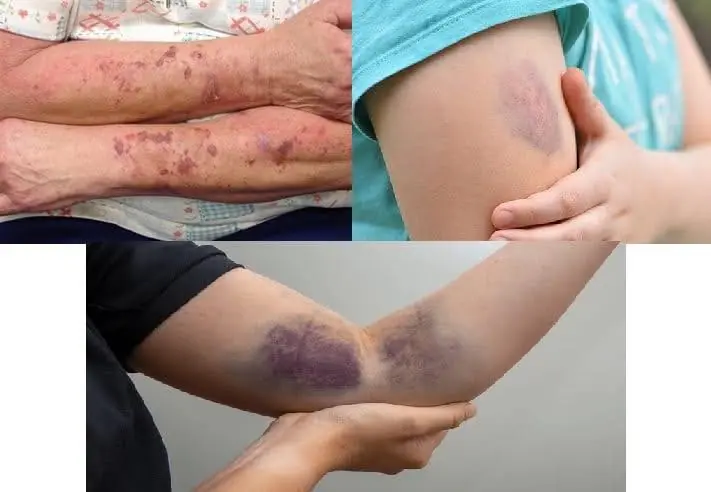
This article explains what bruises are, why they form, possible causes—including vitamin deficiencies—and when you should consult a doctor.
What Is a Bruise?
The medical term for a bruise is ecchymosis. It happens when small blood vessels break under the skin, causing blood to pool beneath the surface. Unlike a cut where blood escapes outside the body, bruises trap blood internally.
Common causes include bumping into furniture, minor falls, or even having blood drawn. The bruise appears dark red, purple, blue, or black at first, then changes colors—green, yellow, or brown—as your body reabsorbs the blood during healing.
When to Be Concerned
Bruises on arms and legs are usually harmless. However, you should see a doctor if:
- Bruises appear on your abdomen, back, genitals, ears, or hands.
- They occur frequently without clear cause.
- They do not begin to fade within a few days.
- They last longer than two weeks.
Vitamin Deficiencies Linked to Bruising
Certain vitamin shortages can make you bruise more easily:
- Vitamin C deficiency: Vitamin C is essential for producing collagen, which strengthens blood vessels. Without enough, vessels become fragile and bruise easily. Smokers are particularly at risk.
- Vitamin K deficiency: Vitamin K is crucial for blood clotting and capillary strength. Low levels may slow clotting and increase bruising.
- Vitamin D and B vitamins: Low levels can also contribute to increased susceptibility to bruising.
Other Causes of Bruising
- Dietary supplements: Ginkgo, ginseng, garlic, ginger, omega-3s, saw palmetto, and vitamin E can thin the blood and make bruising more likely.
- Medications: Blood thinners, aspirin, ibuprofen, steroids, certain antibiotics, and antidepressants may all increase bruising risk.
- Aging: Thinner skin and weaker blood vessels make older adults more prone to bruises.
- Sun damage: Years of sun exposure can weaken blood vessels.
- Medical conditions: Diabetes, anemia, hemophilia, leukemia, and lymphoma can all affect clotting or vessel strength.
- Sports injuries: Contact sports often cause contusions—another name for bruises—from direct impacts.
Treatment and Prevention
Most bruises heal on their own, but you can speed recovery and reduce discomfort with:
- RICE method: Rest, ice, compression, and elevation.
- Heat: After a few days, apply a warm compress to promote healing.
- Pain relief: Use acetaminophen, but avoid aspirin or ibuprofen if bruising is the concern.
- Fall prevention: Improve home lighting, clear floor clutter, and secure cords or rugs to reduce risk.
- Skin care: Protect fragile skin with ointments or bandages to prevent infection if the skin breaks.
If you suspect your bruises are linked to supplements or medications, get your vitamin levels tested and talk with your doctor.
Final Thoughts
Most bruises are harmless reminders of everyday bumps. But persistent, severe, or unexplained bruising should not be ignored. They may be your body’s way of signaling a deficiency or an underlying medical condition. Consulting your doctor can help you find the cause and take steps toward better health.
🍎 Apple Cider Vinegar Foot Soak: Benefits, Risks & What Science Says
Apple cider vinegar (ACV) has earned a steady place in natural wellness routines, and one of its trending uses is as a foot soak — often recommended for odor, fungus, and tired feet.
But does soaking your feet in vinegar actually work, or is it just another viral myth?
Let’s break down what science really says:
🍃 What Is Apple Cider Vinegar?
ACV is made from fermented apple juice and contains:
- Acetic acid – its main active compound
- Malic acid – with antifungal potential
- Antioxidants and trace minerals
Because of its low pH (around 2–3), ACV creates an acidic environment that can slow the growth of some bacteria and fungi. This is why it shows up so often in folk remedies.
✅ Evidence-Based Benefits of ACV Foot Soaks
1. Temporary Odor Control
- Odor happens when bacteria break down sweat.
- ACV’s acidity can briefly reduce bacterial growth.
- Result: Fresher-smelling feet — but only short term.
Best results: Pair with clean socks, breathable shoes, and good hygiene.
2. Mild Support for Fungal Issues
- Lab tests show acetic acid may inhibit fungi like Trichophyton (athlete’s foot).
- Human studies are limited.
- Not as effective as antifungal creams or prescriptions.
Takeaway: ACV can be supportive, but not a cure.
3. Relaxation for Tired Feet
- Warm water improves circulation and eases tension.
- ACV may add a mild soothing effect for some people.
- No proof it reduces swelling or inflammation.
Think of it as: A calming ritual, not a medical treatment.
4. Gentle Skin Softening
- The acidity may help loosen dead skin.
- Results are subtle compared to pumice stones or exfoliants.
Best use: As a supplement, not a replacement.
⚠️ Risks & Precautions
Even natural remedies can cause problems. Be cautious with ACV soaks if you:
- Use undiluted vinegar (can cause burns or irritation).
- Have cracks, open sores, or sensitive skin (it can sting and delay healing).
- Live with diabetes or poor circulation (neuropathy may prevent you from feeling damage).
- Have toenail fungus (ACV doesn’t penetrate under the nail; antifungal meds are needed).
🚫 Never soak feet in ACV if you have open wounds, diabetes, or circulation problems without medical guidance.
✅ How to Make a Safe ACV Foot Soak
- Mix 1 part ACV with 2 parts warm water (e.g., ½ cup ACV + 1 cup water).
- Soak feet for 15–20 minutes.
- Rinse and dry well, especially between toes.
- Apply moisturizer (but avoid between toes).
- Limit to 1–2 times per week.
🚫 Do not use undiluted vinegar.
🚫 Stop immediately if you notice burning, redness, or discomfort.
🚨 When to See a Doctor
Consult a podiatrist or healthcare provider if you have:
- Persistent foot odor despite good hygiene
- Thick, yellow, or crumbling toenails
- Cracks, sores, or suspected infection
- Numbness or poor circulation (especially with diabetes)
Final Thoughts
An apple cider vinegar foot soak isn’t a miracle cure. It may:
- Reduce odor for a short time
- Provide a relaxing, spa-like ritual
- Offer mild support for surface-level issues
But lasting foot health depends on:
- Keeping feet clean and dry
- Wearing breathable shoes
- Treating infections early
- Seeing a doctor when needed
Enjoy your ACV foot soak if you like — just keep it safe, diluted, and realistic. Real wellness isn’t about quick fixes in a vinegar bucket; it’s about knowledge, care, and getting professional help when necessary.