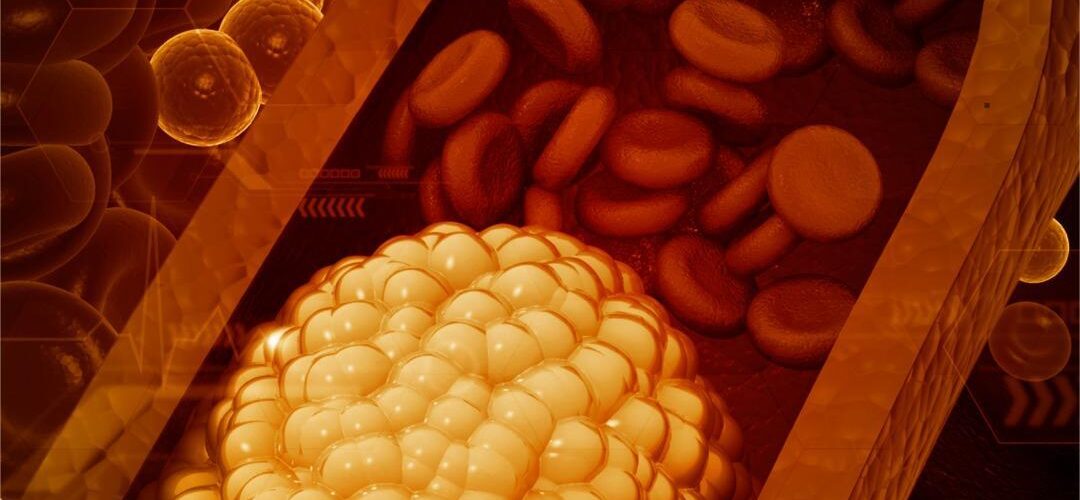
Die meisten Menschen bringen einen hohen Cholesterinspiegel mit ungesunder Ernährung, Bewegungsmangel oder dem Alter in Verbindung – etwas, das sich langsam im Laufe der Zeit aufbaut. Bei manchen ist ein erhöhter Cholesterinspiegel jedoch überhaupt nicht auf den Lebensstil zurückzuführen. Stattdessen wird er durch eine genetische Erkrankung namens familiäre Hypercholesterinämie (FH) vererbt .
🧬 Was ist familiäre Hypercholesterinämie?
FH wird durch eine genetische Mutation verursacht, die unabhängig von Ernährung und körperlicher Betätigung zu lebenslang erhöhten LDL-Cholesterinwerten („schlechtes“ Cholesterin) führt. Nach Angaben der US-amerikanischen Centers for Disease Control and Prevention (CDC) leidet etwa einer von 250 Menschen an FH. Experten gehen jedoch davon aus, dass 70 bis 90 Prozent der Betroffenen nicht diagnostiziert werden und daher einem Risiko für schwere Herzprobleme ausgesetzt sind.
Ohne entsprechende Behandlung erhöht FH das Risiko früher Herzinfarkte und Schlaganfälle erheblich . Eine frühzeitige Erkennung kann lebensrettend sein.
🩺 Warum Cholesterin wichtig ist
Cholesterin selbst ist nicht schädlich – im Gegenteil, es ist lebensnotwendig. Jede Körperzelle benötigt Cholesterin zum Aufbau von Membranen und zur Hormonproduktion. Probleme entstehen jedoch, wenn sich LDL-Cholesterin in den Arterienwänden ansammelt.
Überschüssige LDL-Partikel lösen Entzündungen aus, ähnlich wie ein Splitter unter der Haut. Mit der Zeit kann dies die Arterienschleimhaut schädigen und gefährliche Blutgerinnsel verursachen – der zugrunde liegende Prozess hinter den meisten Herzinfarkten und Schlaganfällen .
⚠️ Anzeichen und Symptome
Die meisten Menschen mit hohem Cholesterinspiegel verspüren keine Symptome, bis ernsthafte Komplikationen auftreten. FH ist besonders heimtückisch, da der Cholesterinspiegel von Geburt an hoch ist.
In seltenen Fällen kann ein sehr hoher Cholesterinspiegel Folgendes verursachen:
- Fettablagerungen in Sehnen (Xanthome)
- Gelbliche Flecken auf der Haut
- Ein weißer Ring um die Hornhaut des Auges
Für die meisten sind jedoch routinemäßige Blutuntersuchungen die einzige Möglichkeit, die Krankheit festzustellen.
🔎 Wer sollte getestet werden?
- Kinder: Kinderärztliche Richtlinien empfehlen ein Cholesterin-Screening im Alter zwischen 9 und 11 Jahren , wenn ein Elternteil an FH leidet. Manche Kinder können auch früher getestet werden.
- Erwachsene: Es gibt kein „zu frühes“ Alter für einen Test. Jeder, in dessen Familie Herzerkrankungen, Schlaganfälle oder hoher Cholesterinspiegel vorkommen , sollte nach einem Screening fragen.
Es ist auch wichtig, auf Lipoprotein(a) zu testen , ein weiteres vererbtes Cholesterinpartikel, das bei Menschen mit FH oft erhöht ist, was das kardiovaskuläre Risiko weiter erhöht.
🥗 Leben mit vererbtem hohem Cholesterinspiegel
Änderungen des Lebensstils allein werden den Cholesterinspiegel bei FH nicht normalisieren – sie sind aber dennoch wichtig. Laut Kardiologen können gesunde Gewohnheiten das Herzrisiko um bis zu 80 Prozent senken , selbst wenn der LDL-Wert hoch bleibt.
Zu den Empfehlungen gehören:
- Essen Sie Obst, Gemüse, Vollkornprodukte, mageres Eiweiß und Nüsse
- Begrenzung des zugesetzten Zuckers, Natriums, roten Fleisches und verarbeiteter Lebensmittel
- Mindestens 150 Minuten moderate Bewegung pro Woche (Gehen, Radfahren, Schwimmen)
- Vollständiges Vermeiden des Rauchens
Die meisten Menschen mit FH benötigen außerdem cholesterinsenkende Medikamente wie Statine oder neuere Therapien, um den LDL-Spiegel zu senken und das Herz zu schützen.
✅ Ein gewinnbarer Kampf
Die Diagnose einer familiären Hypercholesterinämie mag entmutigend klingen, aber Experten betonen, dass die Krankheit behandelbar und beherrschbar ist . Mit der richtigen Kombination aus medizinischer Versorgung, Anpassung des Lebensstils und Früherkennung können Menschen mit FH ein langes, gesundes Leben führen.
Der Kardiologe Dr. Ashish Sarraju erklärt:
„In den meisten Fällen halte ich einen hohen Cholesterinspiegel für behandelbar und den Kampf dafür gewinnbar.“
Der Schlüssel liegt im Bewusstsein – zu erkennen, dass eine frühzeitige Untersuchung den entscheidenden Unterschied machen kann, wenn in Ihrer Familie Herzkrankheiten vorkommen.
What those strange skin patterns might really mean
According to Dr. Joseph Jorizzo, MD, Wake Forest University: “Your skin can be a window to your inner health.” In fact, the skin is not only a protective shield but also a powerful communicator of your body’s internal condition. 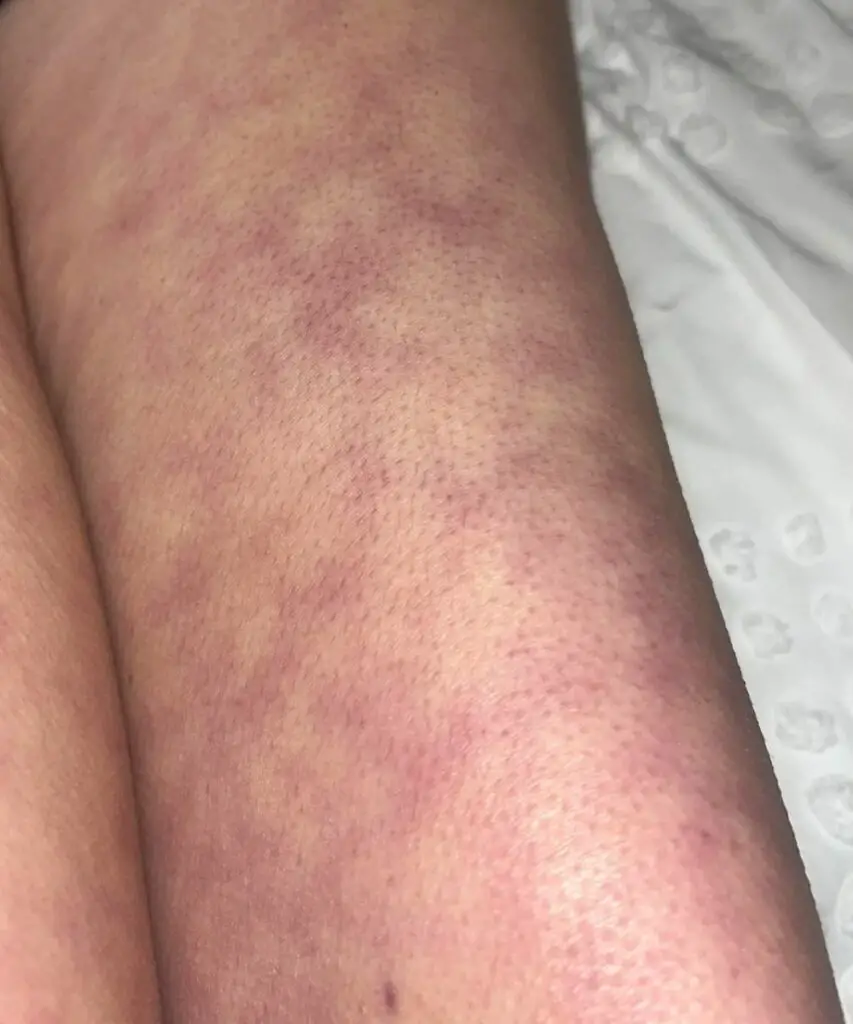
Unexpected changes on the skin can sometimes be an early warning sign that something more serious is happening inside the body. Recognizing these signals helps you detect risks early and seek appropriate medical care.
Livedo Reticularis (LR) – Mottled, Net-like Skin
Livedo reticularis (LR), also known as mottled skin, is a type of skin discoloration that occurs when blood flow to the skin is interrupted. Research shows that LR is often a temporary, harmless condition caused by cold exposure or stress. However, in some cases, it may be linked to underlying health issues.
- Appearance: Purplish-red streaks forming net-like or lace patterns, usually on the arms and legs.
- Commonly seen in: Infants and women aged 20–50.
- Causes: Changes in blood flow near the skin’s surface, low oxygen levels in the blood, blood vessel spasms, or circulation disorders. It can also be a side effect of certain medications (especially amantadine, used to treat Parkinson’s disease, multiple sclerosis, and attention deficit hyperactivity disorder).
This condition is often more visible in cold weather and fades when the skin warms up.
Two Main Types of LR
1. Physiological (Primary) Livedo Reticularis:
- Harmless and temporary.
- Common in children, young adults, or people with fair skin.
- Usually disappears on its own when the body is kept warm.
2. Pathological (Secondary) Livedo Reticularis:
- More persistent and associated with underlying diseases.
- May occur with autoimmune diseases, vascular disorders, or blood clotting abnormalities.
Related Medical Causes
According to Verywell Health, LR can be triggered by:
- Cold temperatures
- Septic shock
- Antiphospholipid syndrome
- Systemic lupus erythematosus
- Rheumatoid arthritis
- Pancreatitis
- Thyroid disease
- End-of-life stage
In rarer cases, LR may signal serious systemic diseases such as:
- Sneddon’s syndrome (linked to stroke risk)
- Polyarteritis nodosa
- Cholesterol embolization
Treatment and Prevention
- Primary LR: Usually requires no treatment; keeping the body warm is enough.
- Secondary LR: Requires treating the underlying condition. Doctors may prescribe:
- Anticoagulants (to prevent blood clots)
- Corticosteroids (to reduce inflammation)
- Circulation-improving drugs
Lifestyle changes may also be recommended, such as quitting smoking, exercising regularly, and managing blood pressure and cholesterol.
⚠️ Disclaimer: This information is for educational purposes only and is not a substitute for professional medical advice, diagnosis, or treatment. If you notice unusual skin changes, consult a healthcare professional.
🍎 Apple Cider Vinegar Foot Soak: Benefits, Risks & What Science Says
Apple cider vinegar (ACV) has earned a steady place in natural wellness routines, and one of its trending uses is as a foot soak — often recommended for odor, fungus, and tired feet.
But does soaking your feet in vinegar actually work, or is it just another viral myth?
Let’s break down what science really says:
🍃 What Is Apple Cider Vinegar?
ACV is made from fermented apple juice and contains:
- Acetic acid – its main active compound
- Malic acid – with antifungal potential
- Antioxidants and trace minerals
Because of its low pH (around 2–3), ACV creates an acidic environment that can slow the growth of some bacteria and fungi. This is why it shows up so often in folk remedies.
✅ Evidence-Based Benefits of ACV Foot Soaks
1. Temporary Odor Control
- Odor happens when bacteria break down sweat.
- ACV’s acidity can briefly reduce bacterial growth.
- Result: Fresher-smelling feet — but only short term.
Best results: Pair with clean socks, breathable shoes, and good hygiene.
2. Mild Support for Fungal Issues
- Lab tests show acetic acid may inhibit fungi like Trichophyton (athlete’s foot).
- Human studies are limited.
- Not as effective as antifungal creams or prescriptions.
Takeaway: ACV can be supportive, but not a cure.
3. Relaxation for Tired Feet
- Warm water improves circulation and eases tension.
- ACV may add a mild soothing effect for some people.
- No proof it reduces swelling or inflammation.
Think of it as: A calming ritual, not a medical treatment.
4. Gentle Skin Softening
- The acidity may help loosen dead skin.
- Results are subtle compared to pumice stones or exfoliants.
Best use: As a supplement, not a replacement.
⚠️ Risks & Precautions
Even natural remedies can cause problems. Be cautious with ACV soaks if you:
- Use undiluted vinegar (can cause burns or irritation).
- Have cracks, open sores, or sensitive skin (it can sting and delay healing).
- Live with diabetes or poor circulation (neuropathy may prevent you from feeling damage).
- Have toenail fungus (ACV doesn’t penetrate under the nail; antifungal meds are needed).
🚫 Never soak feet in ACV if you have open wounds, diabetes, or circulation problems without medical guidance.
✅ How to Make a Safe ACV Foot Soak
- Mix 1 part ACV with 2 parts warm water (e.g., ½ cup ACV + 1 cup water).
- Soak feet for 15–20 minutes.
- Rinse and dry well, especially between toes.
- Apply moisturizer (but avoid between toes).
- Limit to 1–2 times per week.
🚫 Do not use undiluted vinegar.
🚫 Stop immediately if you notice burning, redness, or discomfort.
🚨 When to See a Doctor
Consult a podiatrist or healthcare provider if you have:
- Persistent foot odor despite good hygiene
- Thick, yellow, or crumbling toenails
- Cracks, sores, or suspected infection
- Numbness or poor circulation (especially with diabetes)
Final Thoughts
An apple cider vinegar foot soak isn’t a miracle cure. It may:
- Reduce odor for a short time
- Provide a relaxing, spa-like ritual
- Offer mild support for surface-level issues
But lasting foot health depends on:
- Keeping feet clean and dry
- Wearing breathable shoes
- Treating infections early
- Seeing a doctor when needed
Enjoy your ACV foot soak if you like — just keep it safe, diluted, and realistic. Real wellness isn’t about quick fixes in a vinegar bucket; it’s about knowledge, care, and getting professional help when necessary.
A Sweet Tradition: What Happens When You Eat 2 Dates a Day for a Month
When I was growing up, my grandmother always kept a little wooden bowl on the counter filled with dates. She called them “nature’s candy” — sweet, sticky, and full of comfort. If anyone in the family felt tired, moody, or in need of a gentle pick-me-up, she’d smile and say:
“Go have two dates, dear. Let nature do her magic.”
Back then, no one talked about antioxidants or minerals. We simply trusted the wisdom handed down through generations: the earth provides what we need. And dates? They were tiny golden treasures of sweetness and strength.
🍂 Why Just 2 Dates a Day?
You don’t need a handful. Just two dates each day is enough to enjoy their gentle, folk-believed benefits. While they aren’t a medicine or miracle cure, here’s what many people have noticed after making them a daily habit:
🌟 Gentle Health Support (As Passed Down in Folk Wisdom)
- Natural Energy Lift – Thanks to natural sugars like glucose and fructose, dates may help you feel more awake — without the caffeine crash.
- Digestive Comfort – Their natural fiber supports healthy digestion and may ease occasional bloating or sluggishness.
- Heart & Circulation Support – Folk traditions link the potassium and magnesium in dates with better circulation and overall heart wellness.
- Bone Strength – Grandmothers often praised dates for their minerals, especially calcium, believed to help keep bones steady and strong.
- Mood & Mind Balance – Dates bring more than sweetness — many people find they lift the mood, ease tension, and encourage calm focus.
(Of course, these are traditional beliefs, not medical guarantees. For health concerns, always seek professional advice.)
🥣 How to Enjoy Your Daily Dates
Ingredients:
- 2 medium-sized dates (Medjool, Deglet Noor, or your favorite variety)
- Optional: a few almonds or walnuts for pairing
Instructions:
- Rinse lightly if sticky.
- Slice and remove the pit.
- Eat slowly, either plain or stuffed with a nut.
- Enjoy them in the morning for natural energy, or at night as a sweet calming treat.
Other Delicious Ways:
- Chop into warm oatmeal.
- Blend into smoothies as a natural sweetener.
- Use in baking instead of refined sugar.
💡 Grandma’s Extra Tips
- Pair with Protein – Combine with nuts or cheese to balance blood sugar.
- Soak Overnight – If dry, soak in warm water before bed; they’ll be softer and sweeter by morning.
- Make Date Paste – Blend 6–8 pitted dates with a little water to make a natural jam.
- Snack Box Trick – Pack two dates in a small container for an instant afternoon pick-me-up.
🍃 A Closing Note from the Heart
Sometimes, the simplest habits are the most powerful: a quiet walk at sunrise, tea before bed, or two sweet dates each day.
Dates don’t come in fancy packaging or make big promises. Yet for centuries, they’ve quietly supported families through seasons of change — offering energy, comfort, and a touch of sweetness.
So if life feels rushed, your body weary, or your heart a little heavy, maybe two dates a day can remind you of something softer, slower, and sweeter — a tradition as warm as a grandmother’s hands.
Disclaimer: This article is for educational and traditional purposes only. It is not medical advice. Always consult a healthcare provider before making dietary changes, especially if you have health conditions or allergies.