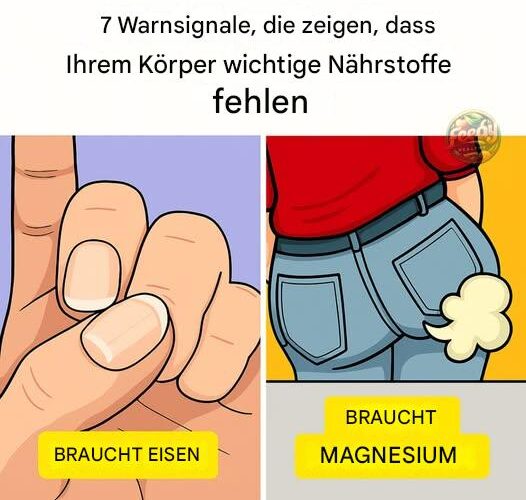
Der menschliche Körper ist ein komplexes System, in dem alle Teile miteinander verbunden sind. Wenn etwas schiefgeht, bleibt es nicht still – der Körper sendet Warnsignale durch verschiedene Symptome. Wenn wir diese Signale verstehen, können wir Probleme frühzeitig angehen und die optimale Funktionsfähigkeit unseres Körpers gewährleisten.
DIE INHALTE DIENEN AUSSCHLIESSLICH ZU INFORMATIONSZWECKEN UND SIND NICHT ALS ERSATZ FÜR ÄRZTLICHEN RAT GEDACHT.
Lassen Sie sich von Ihrem Arzt zu Ihrem Gesundheitszustand und medizinischen Zustand beraten.
Sie leiden möglicherweise am Restless-Legs-Syndrom , wenn Sie ungewöhnliche Empfindungen in Ihren Beinen und Füßen verspüren, wie z. B. Krabbeln, Kriechen oder Bewegungsdrang. Nachts, wenn Sie versuchen zu schlafen, verursacht diese chronische Erkrankung oft Unbehagen. Obwohl es noch keine Heilung für RLS gibt, kann die Einnahme bestimmter Vitamine und Mineralstoffe wie Vitamin C, E, B6, B12, Magnesium und Eisen Linderung verschaffen.
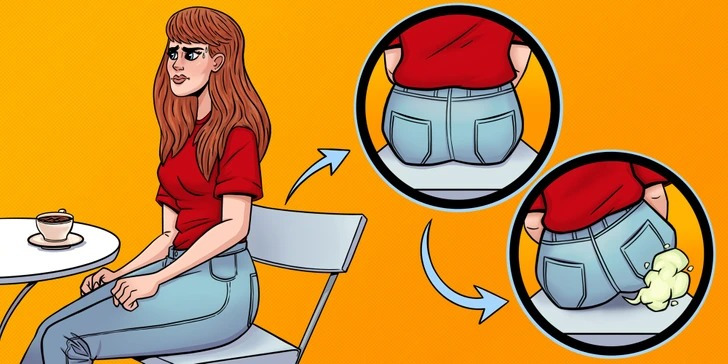
Blähungen können auf einen Mangel an bestimmten Enzymen hinweisen, die für die Verdauung wichtig sind, wie zum Beispiel Laktase oder Amylase. Auch ein Magnesiummangel kann eine Ursache sein. Magnesium hilft, die Darmmuskulatur zu entspannen und Krämpfe zu lindern. Es ist jedoch immer ratsam, einen Arzt aufzusuchen.
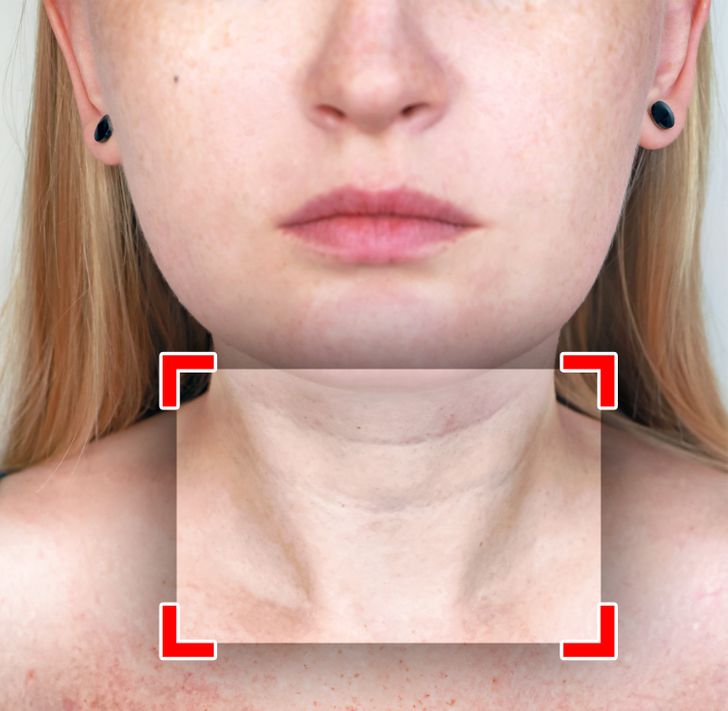
Frauen nach der Menopause produzieren weniger Östrogen, als ihr Körper zur Erhaltung der Knochenfestigkeit benötigt. Tiefe Halsfalten sind ein besorgniserregendes Zeichen dafür, dass die Knochen brüchiger und dünner werden. Das bedeutet, dass die Gefahr von Knochenbrüchen deutlich erhöht ist. Kalzium- und Vitamin-D-Präparate können zur Vorbeugung von Osteoporose sehr hilfreich sein.
Diese Falten können auch ein Hinweis darauf sein, dass Sie Ihre Schilddrüsenfunktion überprüfen sollten . Wenn sich die Erkrankung weiter verschlechtert und unbehandelt bleibt, kann sie sich unter anderem am Hals bemerkbar machen. Achten Sie nicht nur auf Falten, sondern auch auf schuppige Haut.
Die häufigsten Ursachen für Geschwüre sind Rauchen, Allergien, versehentliches Zungenbeißen und Entzündungen. Trifft jedoch nichts davon auf Sie zu, liegt möglicherweise ein Mangel an Vitamin B12, Eisen oder Folsäure vor . Diese Mängel entstehen nicht über Nacht, sondern entwickeln sich über einen längeren Zeitraum. Weitere Warnzeichen können Müdigkeit, Schwindel, Herzrhythmusstörungen und Muskelschwäche sein. Wenn all diese Symptome auftreten, müssen Sie Ihre Ernährung drastisch umstellen und mit der Einnahme notwendiger Nahrungsergänzungsmittel beginnen.
Die häufigsten Gründe für das Ablösen von Nägeln und Nagelhaut sind Eisenmangel und Dehydration. Wird Eisenmangel nicht rechtzeitig behandelt, kann er zu Anämie führen , die wiederum verschiedene gesundheitliche Probleme wie Brustschmerzen nach sich ziehen kann. Weitere Gründe für schlechte Nägel können eine Schilddrüsenunterfunktion, Lungenerkrankungen oder sogar Nierenerkrankungen sein. Die beste Methode zur Nagelpflege zu Hause ist eine eisenreiche Ernährung und ausreichende Feuchtigkeitsversorgung der Nägel.
Wenn Sie weiße Flecken auf Ihren Nägeln bemerken , kann das vier mögliche Ursachen haben: Allergien, Pilzinfektionen, Verletzungen oder Mineralstoffmangel . Achten Sie besonders auf den Mineralstoffmangel, da dieser besonders sorgfältig behandelt werden muss. Zink und Kalzium sind die häufigsten Ursachen für diesen Mangel. Eine Blutuntersuchung sollte daher als Erstes durchgeführt werden.
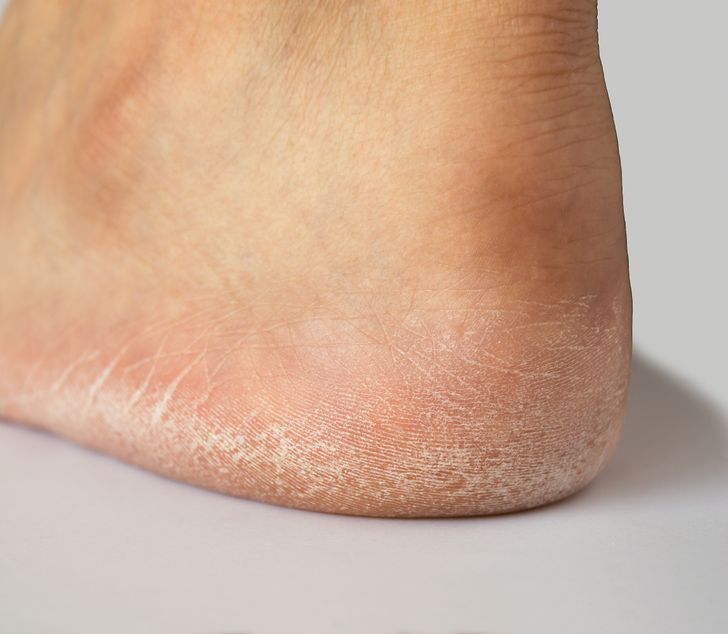
Rissige Fersen können durch trockene Haut, kaltes Wetter oder stundenlanges Stehen entstehen. Sie können jedoch auch auf ernstere Probleme wie Ekzeme, Schilddrüsenunterfunktion und Diabetes hinweisen. Sie können Ihre Fersen behandeln, indem Sie sie 20 Minuten in Seifenwasser einweichen und mit einem Bimsstein schrubben. Anschließend sollten Sie eine reichhaltige Feuchtigkeitscreme mit Milchsäure, Jojobaöl oder Sheabutter auftragen.
Wenn Ihre Hausmittel keine Besserung bringen, sollten Sie einen Arzt aufsuchen. Ihr Podologe kann Ihnen verschiedene Behandlungen verschreiben, beispielsweise eine deutlich stärkere Feuchtigkeitscreme . Sie können Ihre Fersen täglich kontrollieren, gründlich waschen und geeignete Schuhe tragen.
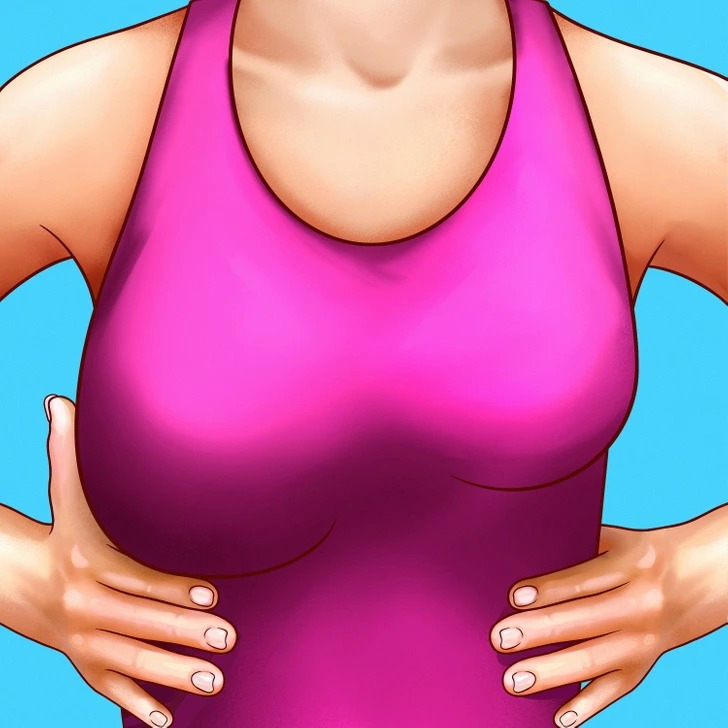
Wenn Sie Veränderungen an Ihren Brüsten bemerken, wie z. B. Knoten, erhöhte Festigkeit, Grübchen, Rötungen, Schuppenbildung oder Juckreiz, wenden Sie sich sofort an Ihren Arzt . Eine frühzeitige Erkennung dieser Symptome kann die Chancen auf ein positives Ergebnis erheblich verbessern.
Manchmal können gesundheitliche Probleme einfach auf eine Laktoseintoleranz zurückzuführen sein . Das Erkennen dieser Empfindlichkeit und der Verzicht auf Laktose aus Ihrer Ernährung kann einen großen Unterschied machen. Schon wenige einfache Änderungen können die Verdauung verbessern, Beschwerden lindern und das allgemeine Wohlbefinden wiederherstellen.
Beets and Kidney Health: A Natural Tip for Later Years

According to the National Kidney Foundation, nearly 1 in 7 adults in the United States—about 37 million people—are living with chronic kidney disease, many without even realizing it. For seniors, kidney health plays a vital role in maintaining energy, blood pressure balance, and overall longevity. While medications and lifestyle adjustments are standard approaches, nature also offers powerful allies—one of which is the humble beet.
Bright red and earthy, beets have been part of traditional diets for centuries. Modern research suggests that beet juice may support kidney function by improving blood flow, reducing oxidative stress, and providing key nutrients. Although not a miracle cure, a daily glass of beet juice is a simple and natural way to nourish the body, especially in later years.
The Nutritional Power of Beets
Key Nutrients
- Nitrates – Converted into nitric oxide, which enhances blood flow.
- Betalains – Antioxidants that protect against oxidative stress.
- Folate – Supports cell repair and growth.
- Potassium – Helps regulate fluid balance and nerve function.
- Vitamin C – Strengthens immunity and tissue health.
Why This Matters for Seniors
With age, circulation, detoxification, and antioxidant defenses often weaken. Beets provide a natural boost, helping to bridge these gaps and promote overall vitality.
How Beet Juice Supports Kidney Health
- Improves Blood Flow – Nitric oxide helps relax blood vessels, ensuring better circulation to the kidneys.
- Reduces Oxidative Stress – Betalains protect delicate kidney tissues from oxidative damage.
- Supports Blood Pressure Balance – Natural nitrates may lower blood pressure, easing strain on the kidneys.
- Encourages Detox Pathways – Fiber and phytonutrients in beets support the body’s natural cleansing processes.
Real-Life Story: A 72-year-old retired teacher reported feeling more energetic and seeing improved lab results for both blood pressure and kidney function after drinking beet juice regularly for several months. 
| Method | Preparation | Benefits |
|---|---|---|
| Fresh Juice | Blend raw beets with water, strain if needed | Maximum nutrients, vibrant flavor |
| Beet-Carrot Mix | Blend beets, carrots, and ginger | Aids digestion and circulation |
| Beet Smoothie | Mix with apple, lemon, and spinach | Balanced taste, extra vitamins |
| Cooked Beet Drink | Simmer beets, strain, and chill | Gentler flavor, easier on digestion |
Tip: Start with half a glass (about 4 oz). Larger amounts may cause stomach discomfort in sensitive individuals.
Other Benefits Beyond Kidney Health 
- Boosts Energy & Stamina – Nitric oxide enhances oxygen delivery to muscles.
- Supports Brain Health – Better circulation can improve memory and focus.
- Promotes Healthy Skin – Antioxidants combat free radicals that age the skin.
- Encourages Digestive Health – Beet fiber supports gut health and regularity.
Safety and Precautions
- Color changes: Red or pink urine/stool is common and harmless.
- Oxalates: High in oxalates, which may trigger kidney stones in some individuals.
- Blood pressure meds: Beets can lower blood pressure—monitor levels if on medication.
👉 Always check with your doctor before making dietary changes, especially if you have existing kidney or heart conditions.
Building a Beet Juice Routine
- Start small: 2–4 ounces daily.
- Pair wisely: Combine with other fruits/veggies for balance.
- Be consistent: Long-term use provides the most benefits.
- Listen to your body: Adjust intake based on how you feel.
Sample Senior Routine:
- Morning: Half a glass of beet-carrot juice with ginger.
- Afternoon: Hydrate with water or herbal tea.
- Evening: Add roasted beets as a side dish.
Conclusion
No single drink can reverse kidney damage—but beet juice is a powerful, natural addition to a senior’s diet. Packed with nitrates, antioxidants, and essential vitamins, it can support kidney health, improve circulation, and boost overall vitality.
Frequently Asked Questions
How often should seniors drink beet juice?
A few times per week is safe—start small and increase gradually.
Can beet juice replace medical treatment?
No. It should only be used as supportive nutrition, not a substitute for treatment.
Is raw or cooked beet juice better?
Both are beneficial—raw preserves maximum nutrients, while cooked is gentler on digestion.
Can beet juice prevent dialysis?
No evidence supports this, but it may help support general kidney wellness.
Disclaimer: This article is for educational purposes only and is not a substitute for professional medical advice. Always consult a healthcare provider before making dietary or lifestyle changes.
11 Signs Your Body Is Giving You Important Alerts
Your body has a way of sending out warning signals when something isn’t quite right. Unfortunately, many of us ignore these subtle cues until the problem becomes severe. Paying attention to these signs could help detect potential health issues early, allowing you to take action before they worsen. Here are 11 crucial signs your body might be trying to alert you about a bigger issue. 
1. Persistent Dandruff and Hair Loss
Dandruff is a common scalp issue, but when it’s paired with noticeable hair loss, it could indicate a deficiency in essential vitamins and minerals. Low levels of zinc, iron, and B vitamins (B2, B3, B6, and B7) can weaken hair follicles and cause excessive shedding. If your scalp feels flaky and your hair is thinning rapidly, it might be time to assess your diet or consult a healthcare provider.
2. Wrinkled Hands and Fingers (Without Water Exposure)
It’s normal for our skin to wrinkle with age or after prolonged exposure to water, but if your fingers appear pruney without being submerged, it could be a sign of dehydration, poor circulation, or thyroid problems. Chronic dehydration can affect skin elasticity, while circulatory issues might indicate an underlying vascular condition. If this symptom persists, consider seeking medical advice.
3. White Patches on the Tongue
A healthy tongue should have a pinkish hue. If you notice white patches, you might be dealing with oral thrush, a fungal infection common in individuals with diabetes or a weakened immune system. Poor oral hygiene can also contribute to this issue, so maintaining a proper brushing and flossing routine is essential.
4. Unexplained Skin Rashes
While skin rashes are often harmless, persistent red, itchy, or scaly patches could indicate an underlying health issue such as eczema, allergic reactions, or infections. If a rash is accompanied by fever or swelling, it’s best to have it checked by a doctor to rule out any serious conditions like autoimmune diseases or bacterial infections.
5. Swollen Ankles and Feet
If your ankles and feet frequently swell without an obvious cause, this could be a sign of poor circulation, heart disease, kidney problems, or an underactive thyroid. While occasional swelling might be due to excess salt intake or prolonged standing, persistent puffiness warrants medical attention.
6. Chronic Dry Eyes
Do your eyes feel constantly dry, itchy, or irritated? While environmental factors and aging can contribute to dry eyes, persistent dryness could indicate Sjogren’s syndrome, an autoimmune condition that affects tear and saliva production. If you also experience dry mouth or joint pain, consult a doctor to rule out any immune-related disorders.
7. Frequent Bloating After Eating
Mild bloating is normal after a big meal, but if you experience severe bloating regularly, it could be a sign of food intolerance, irritable bowel syndrome (IBS), or digestive disorders. Gluten and dairy are common culprits. Keeping a food journal and identifying triggers can help, but if bloating persists, a doctor may recommend tests to rule out underlying gastrointestinal conditions.
8. Unexplained Bruises
If you frequently find bruises in random places and don’t recall any injuries, this might indicate a vitamin deficiency (such as low vitamin C or K levels) or a blood clotting disorder. In rare cases, easy bruising can be linked to liver disease or leukemia. If this happens often, consult a healthcare professional for further evaluation.
9. Constant Thirst That Won’t Go Away
Drinking plenty of water is important, but if you feel constantly thirsty, even after hydrating, this could be a sign of prediabetes or diabetes. Excessive thirst is often accompanied by frequent urination, fatigue, and blurred vision. If you experience these symptoms, getting your blood sugar levels tested is crucial.
10. Random Muscle Twitches and Spasms
Occasional muscle twitches are harmless and usually caused by stress, dehydration, or lack of sleep. However, if you experience frequent muscle spasms that don’t go away, it could signal a neurological disorder, kidney disease, or electrolyte imbalances. Pay attention to additional symptoms like numbness, weakness, or difficulty moving—these could indicate something more serious.
11. Loud Snoring and Interrupted Breathing During Sleep
Snoring may seem like a harmless annoyance, but in some cases, it could be a sign of obstructive sleep apnea (OSA). OSA occurs when the airway becomes blocked during sleep, causing pauses in breathing and leading to poor oxygen circulation. If left untreated, it can increase the risk of heart disease, high blood pressure, and stroke. If your snoring is loud and accompanied by gasping or choking sounds, seek medical advice.
Final Thoughts
Your body has an incredible way of signaling when something isn’t right. While not every symptom is a cause for alarm, persistent or unusual changes should never be ignored. Early detection can make a world of difference when it comes to serious health conditions. If you notice any of these warning signs, don’t hesitate to consult a doctor—it’s always better to be safe than sorry!
37,368 HFMD cases logged nationwide
MANILA, Philippines — The Department of Health (DOH) has reported a sharp rise in hand, foot and mouth disease (HFMD) cases nationwide, with figures showing a nearly 750 percent increase compared to last year.
📈 HFMD Cases Spike Among Young Children
DOH data showed that as of August 9, there have been 37,368 HFMD cases across the country since January — far higher than the 5,081 cases recorded during the same period in 2024.
Health officials noted that most of the patients are children aged one to three years old, consistent with the disease’s prevalence among children under five.
While HFMD is generally mild and self-limiting, the DOH warned that complications such as meningitis, encephalitis, and polio-like paralysis can occur if left untreated.
🦠 Transmission and Symptoms
HFMD spreads easily through direct contact with infected individuals, as well as through droplets and contaminated objects.
Common symptoms include:
- Fever lasting one to two days
- Painful mouth sores
- Rashes and blisters on the hands, feet, and buttocks
Patients are advised to undergo isolation for seven to 10 days until fever subsides and rashes disappear.
The DOH emphasized the importance of strict hygiene practices:
- Utensils and personal items used by the patient must be kept separate and disinfected.
- The isolation room must be thoroughly cleaned once the patient recovers.
Health Secretary Ted Herbosa underscored the need to teach children proper handwashing techniques, especially if they have been exposed to HFMD cases.
💡 Preventive Measures
To reduce the spread of HFMD, health experts recommend:
- Frequent handwashing with soap and water
- Regular disinfection of frequently touched surfaces
- Wearing protective gear (masks, gloves, gowns) when caring for an infected patient
🌧️ Leptospirosis Cases Decline
In contrast, leptospirosis cases — which surged following recent tropical storms — are now on a downward trend.
Only 18 cases were reported nationwide from August 17 to 21, a significant drop from the 1,112 cases recorded in the week following storms Crising, Dante, and Emong earlier this month.
Since the rainy season officially began on June 8, the country has reported 4,436 leptospirosis cases.
State-run hospitals have noted declining admissions:
- Tondo Medical Center reported seven new cases.
- National Kidney and Transplant Institute recorded just one.
- East Avenue Medical Center reported none.
To ensure swift care, the DOH has established fast lanes in hospitals specifically for leptospirosis patients.