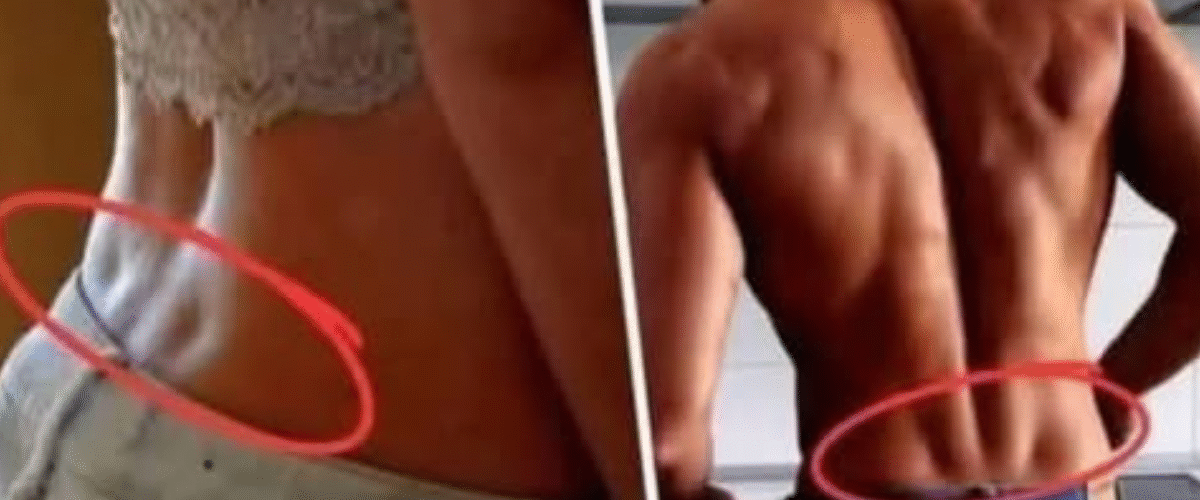
Haben Sie schon einmal zwei kleine Vertiefungen auf Ihrem unteren Rücken, direkt über dem Gesäß, bemerkt? Diese sind allgemein als Venusgrübchen bekannt . Benannt nach Venus, der römischen Göttin der Liebe und Schönheit, werden diese kleinen, symmetrischen Vertiefungen seit langem als Zeichen von Attraktivität, Gesundheit und Vitalität bewundert.
Wie sie entstehen
Venusgrübchen entstehen durch ein Band, das die Haut direkt mit einem knöchernen Teil des Beckens, der Spina iliaca posterior superior, verbindet. Diese Verbindung führt zu sichtbaren Einbuchtungen im unteren Rücken. Sie sind bei Menschen mit geringerem Körperfettanteil und straffer Muskulatur deutlicher sichtbar, aber letztendlich ist ihr Auftreten genetisch bedingt. Wenn Ihre Eltern oder Großeltern sie haben, ist die Wahrscheinlichkeit höher, dass Sie sie auch haben.
Venusgrübchen vs. Apollolöcher
Während Venusgrübchen meist im Zusammenhang mit Frauen auftreten, können auch Männer ähnliche Merkmale aufweisen , die als Apollolöcher bezeichnet werden , benannt nach Apollo, dem römischen Gott der Kraft und Athletik. Sowohl Venusgrübchen als auch Apollolöcher werden mit einer guten Durchblutung, guter Gesundheit und einem fitten Körperbau in Verbindung gebracht. Sie sind bei Personen mit einem aktiven Lebensstil und einem gesunden Gewicht tendenziell deutlicher sichtbar.
Können Sie sie „erstellen“?
Obwohl Sport und Ernährung ihre Sichtbarkeit verbessern können, können diese Grübchen nicht künstlich entstehen, wenn das darunterliegende Band fehlt. Mit anderen Worten: Sie können Ihren Körper nicht trainieren, sie wachsen zu lassen – sie sind ein natürliches Merkmal Ihrer Anatomie. Wenn Sie jedoch fit bleiben und einen schlanken Körper behalten, können sie deutlicher hervortreten.
Mögliche gesundheitliche Zusammenhänge
Über die Ästhetik hinaus glauben manche, dass Venusgrübchen mit einer besseren Durchblutung im Beckenbereich zusammenhängen könnten, was zu gesteigerter sexueller Lust beitragen könnte. Obwohl es nur wenige wissenschaftliche Beweise dafür gibt, erfreut sich diese Theorie in Diskussionen über Gesundheit und Wellness großer Beliebtheit.
Kulturelle Bedeutung und moderne Popularität
Seit Jahrhunderten wecken diese Grübchen Faszination und Bewunderung. In der heutigen Fitnesskultur gelten sie oft als Zeichen eines straffen und gesunden Körpers, und viele Menschen, die sie haben, sind stolz auf dieses einzigartige Merkmal.
Individualität annehmen
Es ist wichtig, sich daran zu erinnern, dass das Fehlen von Venusgrübchen oder Apollolöchern nichts Negatives über Ihre Gesundheit oder Attraktivität aussagt. Jeder Körper ist einzigartig, und diese Grübchen sind nur eines von vielen genetisch bedingten Merkmalen. Wichtig ist, die eigene Individualität zu akzeptieren und einen Lebensstil zu pflegen, der Gesundheit und Wohlbefinden fördert.
Abschließende Gedanken
Venusgrübchen und Apollolöcher mögen klein sein, doch sie haben in verschiedenen Kulturen eine große Bedeutung. Ob als Symbol der Schönheit, Vitalität oder einfach als einzigartige anatomische Merkmale, erinnern sie uns an die faszinierende Vielfalt des menschlichen Körpers.
The Square Counting Puzzle That Tricks Everyone 🟦🧠
At first glance, this puzzle looks like a simple set of lines. The top grid shows two squares across and two squares down, and it mysteriously “equals 5.” The larger grid below shows three by three… and the challenge asks: what’s the answer?
The trick is not arithmetic — it’s about counting how many squares are hidden inside the pattern.
How It Works
In the first grid (2×2):
- There are 4 small squares.
- Plus 1 big square that frames them all.
That gives us a total of 5 squares. Mystery solved.
Now for the second grid (3×3):
- You can see 9 small squares (1×1).
- Then, there are 4 medium squares (2×2).
- Finally, the 1 largest square (3×3).
When you add them up: 9 + 4 + 1 = 14.
So the correct answer to the puzzle is 14.
Why People Get Tricked
Our brains are quick to see the obvious small boxes but often miss the larger “hidden” ones. That’s why many people guess too low at first. It’s a neat example of how perception can overlook simple patterns hiding in plain sight.
Fun Fact Takeaway
This little puzzle is less about math and more about attention to detail. It shows that sometimes the hardest problems aren’t about solving equations — they’re about looking closer. Next time you see a puzzle like this, remember: count carefully, because there’s always more than meets the eye.
Wives’ breast cancer risk linked to husbands’ unhealthy habits
A husband’s habits have more influence on his wife’s health than people may even imagine. Even minor decisions, like missing workouts or smoking, can silently impose long-term risks, including those relating to the breast.
Although a woman’s own diet, physical activity and daily habits play crucial roles for her health, research suggests that a husband’s lifestyle choices as well can make an impact.

A supportive husband doesn’t just provide emotional support, he can also help make sure his wife stays healthy.
Two everyday habits men have can influence women’s breast health in subtle ways, experts say. Couples who address these behaviors as a team can not only improve their health, but also enhance their bond.
- A Sedentary Lifestyle — How One Partner’s Inactivity Affects the Other
Although it may not always be obvious, a husband’s lack of activity can shape his wife’s daily routines over time. In long-term relationships, couples tend to mirror one another’s behaviors, so if one spends extended periods of time sitting, misses exercise, or has irregular eating habits, the other may fall into the same rhythm over time.
Scientificresearchlinks physical inactivity and body fat to raised risk of breast issues, particularly in women over 40. Being inactive may upset hormone balance, for example, estrogen, and raise the risk of abnormal cell growth in breast tissue. As the couple settles into an inactive routine, it is increasingly hard to be energetic or maintain healthy weight.
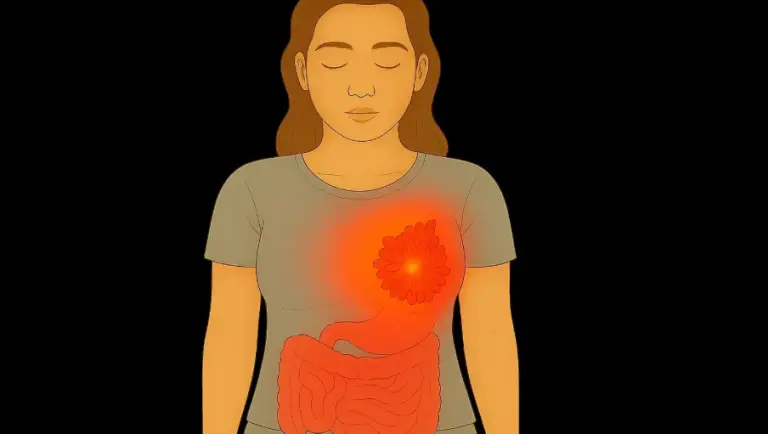
- Smoking — A Hidden Hazard to a Wife’s Health
Smoking is an underrated hazard in the home. Even if a man smokes outdoors or in another room, poisonous particles cling to his clothes, hair, skin, and furniture. This “third-hand smoke” has a long life — several hours after a cigarette has been stubbed out — still poisoning loved ones with cancer-inducing chemicals.
Women, especially those who are premenopausal, are at higher risk of breast problems when they are consistently exposed to second-hand or third-hand cigarette smoke. The World Health Organization estimates that women having smokers in the home are likely to have a 20–30% higher risk compared to their counterparts in smoke-free homes.
The dangers don’t end there with breast health.
Secondary smoke increases the chances of heart disease, lung disease, and reproductive issues. A husband does not even have to smoke in front of his wife. The leftover chemicals he brings into shared spaces can be harmful by themselves. 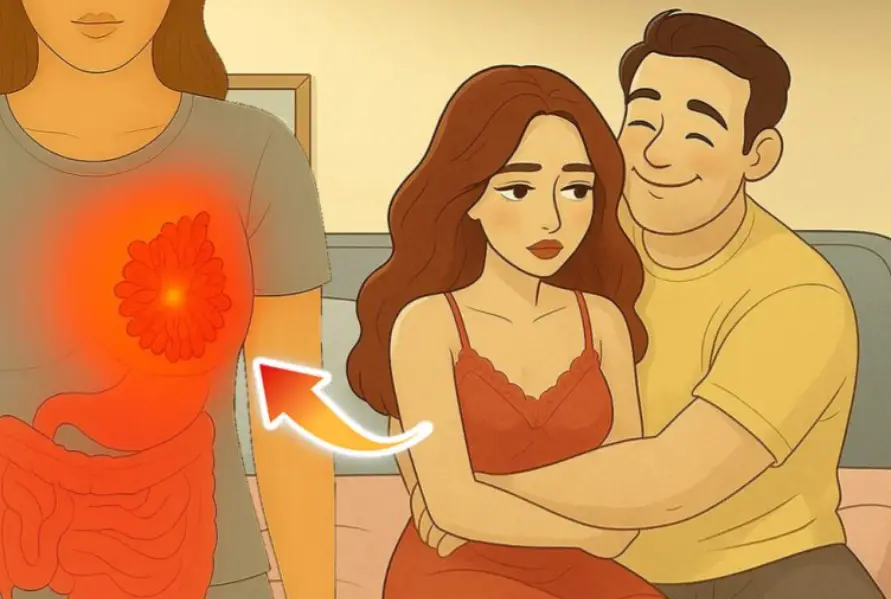
This is confirmed by evidence: astudyin theBritish Journal of Cancerfound that non-smoking women exposed to secondhand smoke had a 24% higher risk of breast cancer, and risk was higher with longer and more intense exposure. Similarly, a Japanese study showed a dose-response association between husbands’ smoking and risk of breast cancer in women.
Remember that small routine changes can help couples remain healthier and develop a healthier relationship.
Why Do Some Men Keep Their Pinky Fingernails Long?
A Curious Tradition with Deep Cultural and Historical Roots
At first glance, it might seem like an insignificant detail—just one fingernail, usually the pinky, grown longer than the rest. Yet across different cultures and historical periods, this small act has carried surprising meaning. From power and intellect to practicality and even rebellion, the long pinky nail has been far more than a fashion choice—it is a layered symbol of status, culture, and identity.
A Status Symbol in Ancient Civilizations
In ancient China, the long pinky nail was a mark of privilege and refinement. Aristocrats and intellectuals, unburdened by manual labor, could afford to let their nails grow long. A single extended nail—often the pinky—became a subtle yet powerful declaration of wealth and social class.
Some went further, protecting their nails with ornate sheaths of gold or jade. These accessories were not just decoration but emblems of superiority. Even today, in parts of China, particularly among older generations or professions like taxi drivers, the long pinky nail is still worn as a quiet sign of pride or aspiration.
Beyond Class: A Symbol of Intellect
The meaning of the nail extended beyond wealth. In both Chinese and Greek traditions, a long pinky nail was associated with scholarship and intellectual pursuits. Scholars and poets sometimes grew their pinky nail long as a reflection of their devotion to ideas rather than physical work.
Like spectacles or a fountain pen, the nail symbolized thoughtfulness and refinement. It was a silent but expressive statement of one’s inner life.
Practical Uses: Utility Over Symbolism
Outside of symbolism, practicality also explains the tradition. In countries like Turkey and India, a long pinky nail was often used as a handy tool. From peeling fruit to scratching off labels or opening wrappers, the nail served everyday purposes.
In this way, it shifted from cultural marker to practical instrument, valued for its usefulness in daily tasks.
From Counterculture to Controversy
By the 20th century, the long pinky nail took on new and sometimes controversial meanings. In the 1970s and 1980s, particularly in the West, it became associated with subcultures like glam rock or hip-hop. More controversially, it was linked—fairly or unfairly—with recreational drug use, as the nail could be used as a makeshift tool for handling substances.
This association gave the nail a rebellious edge, sometimes overshadowing its historical symbolism. Yet for others, it was embraced simply as a style choice—a personal expression rather than a cultural or functional statement.
A Fluid Tradition: Different Meanings in Different Contexts
Perhaps the most fascinating aspect of the long pinky nail is its fluidity. It can signify nobility, intellect, utility, rebellion, or style—depending entirely on time and place.
This fluidity also invites misunderstandings. One person may wear it as a nod to cultural heritage or as a practical tool, while another may misinterpret it as a symbol of something negative. Understanding its varied roots helps to foster empathy rather than judgment.
The Pinky Nail as a Personal Statement
Ultimately, the long pinky nail is deeply personal. For some, it honors tradition. For others, it’s a practical tool, a marker of rebellion, or simply a stylistic flourish.
What matters is that this small detail tells a big story. Whether it whispers of ancient dynasties, reflects everyday convenience, or speaks through modern subcultures, the long pinky nail remains a striking example of how something so small can carry such rich meaning.