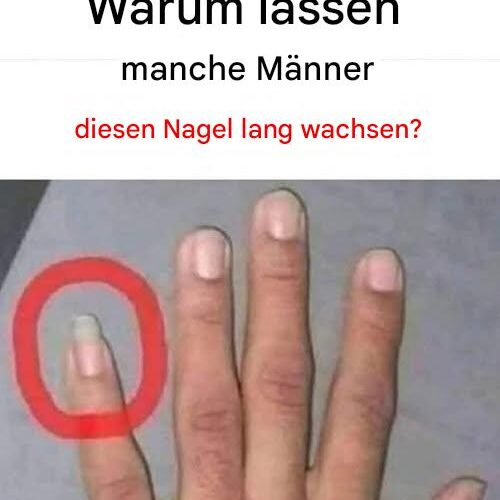
Eine merkwürdige Tradition mit tiefen kulturellen und historischen Wurzeln
Auf den ersten Blick mag es wie ein unbedeutendes Detail erscheinen – nur ein Fingernagel, meist der kleine Finger, der länger ist als die anderen. Doch in verschiedenen Kulturen und historischen Epochen hatte diese kleine Geste überraschende Bedeutung. Von Macht und Intellekt über praktisches Denken bis hin zu Rebellion war der lange kleine Fingernagel weit mehr als nur eine modische Entscheidung – er ist ein vielschichtiges Symbol für Status, Kultur und Identität.
Ein Statussymbol in alten Zivilisationen
Im alten China galt der lange kleine Fingernagel als Zeichen von Privilegien und Vornehmheit. Aristokraten und Intellektuelle, die nicht durch körperliche Arbeit belastet waren, konnten es sich leisten, ihre Nägel lang wachsen zu lassen. Ein einzelner verlängerter Nagel – oft der kleine Finger – wurde zu einem subtilen, aber aussagekräftigen Zeichen von Reichtum und sozialer Stellung.
Manche gingen noch weiter und schützten ihre Nägel mit kunstvollen Hüllen aus Gold oder Jade. Diese Accessoires waren nicht nur Dekoration, sondern Symbole der Überlegenheit. Auch heute noch wird in Teilen Chinas, insbesondere bei älteren Generationen oder in Berufsgruppen wie Taxifahrern, der lange kleine Fingernagel als stilles Zeichen von Stolz oder Ehrgeiz getragen.
Jenseits der Klasse: Ein Symbol des Intellekts
Die Bedeutung des Nagels ging über Reichtum hinaus. Sowohl in der chinesischen als auch in der griechischen Tradition wurde ein langer kleiner Nagel mit Gelehrsamkeit und intellektuellen Bestrebungen assoziiert. Gelehrte und Dichter ließen ihren kleinen Nagel manchmal lang wachsen, um ihre Hingabe an Ideen statt an körperliche Arbeit auszudrücken.
Wie eine Brille oder ein Füllfederhalter symbolisierte der Nagel Nachdenklichkeit und Kultiviertheit. Er war ein stiller, aber ausdrucksstarker Ausdruck des eigenen Innenlebens.
Praktische Anwendungen: Nutzen vor Symbolik
Neben der Symbolik erklärt sich die Tradition auch durch praktische Aspekte. In Ländern wie der Türkei und Indien wurde ein langer kleiner Fingernagel oft als praktisches Werkzeug verwendet. Vom Schälen von Obst über das Abkratzen von Etiketten bis hin zum Öffnen von Verpackungen diente der Nagel alltäglichen Zwecken.
Auf diese Weise wandelte es sich von einem kulturellen Marker zu einem praktischen Instrument, das wegen seiner Nützlichkeit bei alltäglichen Aufgaben geschätzt wird.
Von der Gegenkultur zur Kontroverse
Im 20. Jahrhundert bekam der lange kleine Fingernagel neue und teilweise kontroverse Bedeutungen. In den 1970er und 1980er Jahren wurde er, insbesondere im Westen, mit Subkulturen wie Glam Rock oder Hip-Hop in Verbindung gebracht. Umstrittener war die – zu Recht oder zu Unrecht – Verbindung zum Freizeitdrogenkonsum, da der Nagel als provisorisches Werkzeug für den Umgang mit Substanzen verwendet werden konnte.
Diese Assoziation verlieh dem Nagel eine rebellische Note und überschattete manchmal seine historische Symbolik. Für andere wiederum war er einfach eine Stilentscheidung – ein persönlicher Ausdruck und kein kulturelles oder funktionales Statement.
Eine fließende Tradition: Unterschiedliche Bedeutungen in unterschiedlichen Kontexten
Der vielleicht faszinierendste Aspekt des langen kleinen Fingernagels ist seine Fließfähigkeit. Er kann Adel, Intellekt, Nützlichkeit, Rebellion oder Stil symbolisieren – ganz abhängig von Zeit und Ort.
Diese Flüchtigkeit lädt auch zu Missverständnissen ein. Jemand trägt es vielleicht als Anspielung auf das kulturelle Erbe oder als praktisches Werkzeug, während jemand anderes es als Symbol für etwas Negatives missversteht. Das Verständnis der unterschiedlichen Wurzeln fördert Empathie statt Vorurteile.
Der kleine Fingernagel als persönliches Statement
Letztendlich ist der lange kleine Fingernagel eine sehr persönliche Angelegenheit. Für manche ist er eine Hommage an die Tradition. Für andere ist er ein praktisches Werkzeug, ein Zeichen der Rebellion oder einfach ein stilistisches Schnörkel.
Entscheidend ist, dass dieses kleine Detail eine große Geschichte erzählt. Ob es von alten Dynastien erzählt, alltäglichen Komfort widerspiegelt oder durch moderne Subkulturen spricht – der lange kleine Fingernagel bleibt ein eindrucksvolles Beispiel dafür, wie etwas so Kleines eine so tiefe Bedeutung haben kann.
What does the half moon at the base of the nails mean?
The small, pale, crescent-shaped area at the base of your fingernails—called the lunula—often goes unnoticed. Still, many wonder whether changes in the lunula might reflect overall health. 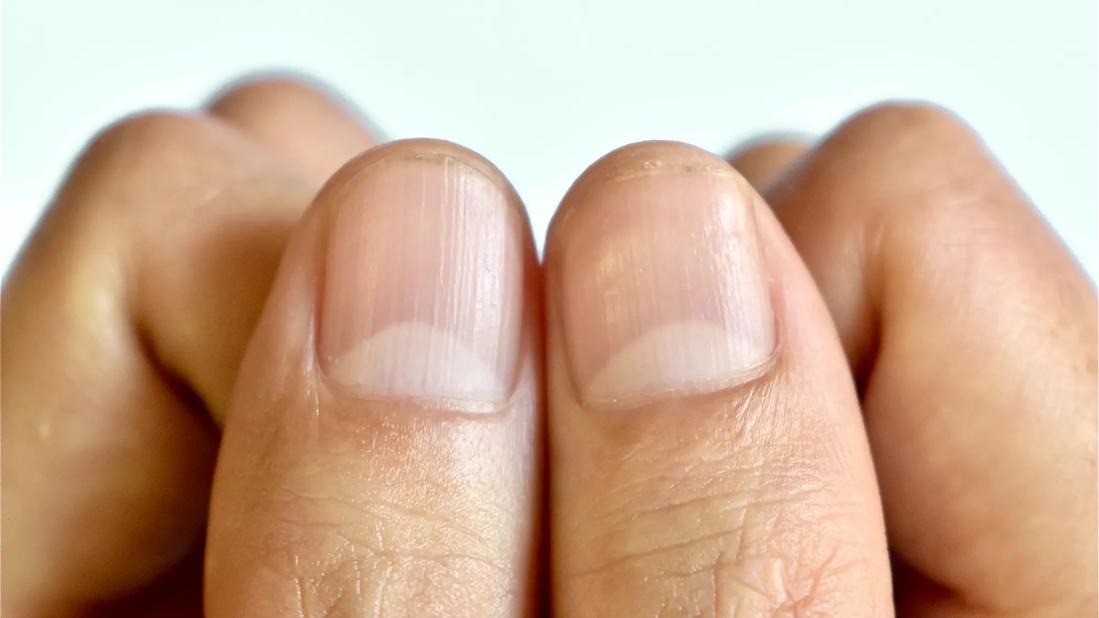
While nail health can sometimes indicate broader wellness, any changes should be interpreted carefully and in context. This guide explains what the lunula is, why it looks different from person to person, and when to seek medical advice about its appearance.
What Is the Lunula?
The term lunula comes from the Latin for “little moon,” referring to its crescent shape. It is the visible portion of the nail matrix—the tissue that produces new nail cells. Positioned just beneath the cuticle, it appears as a pale, whitish arc.
Its lighter color comes from its thick structure, which hides the blood vessels beneath, creating a contrast with the rest of the nail.
Where Is It Most Visible?
The lunula is usually most visible on the thumbs, but it may also appear on the index and middle fingers. It is often less noticeable—or absent—on the ring fingers and pinkies. Visibility can vary due to factors such as:
- Skin tone
- Age
- Nail thickness
- Genetics
- Lighting conditions
According to the American Academy of Dermatology, variations in nail size, color, and shape—including the lunula—are normal and don’t necessarily suggest health problems unless paired with other symptoms.
Is It Normal to Have Small or Invisible Lunulas? 
Yes. In many cases, a small or hidden lunula is completely normal. It may be covered by the cuticle, particularly in children, the elderly, or those with smaller nail beds.
Differences in lunula visibility from one finger to another—or between individuals—are common and typically harmless.
When to Pay Attention to Lunula Changes
Although most variations are benign, sudden or widespread changes may be worth noting, especially if other symptoms are present. Some researchers suggest correlations with certain conditions, but these should never be treated as diagnostic without medical evaluation.
1. Disappearing Lunulas
A noticeable reduction across several fingers may be linked with:
- Vitamin B12 or iron deficiency
- Fatigue or chronic stress
- Thyroid dysfunction (e.g., hypothyroidism)
2. Enlarged Lunulas
Larger-than-normal lunulas extending further down the nail plate might be seen in:
- Hyperthyroidism
- Cardiovascular stress
- High metabolic activity
3. Discolored Lunulas
Color changes should always be evaluated, particularly if the lunula appears:
- Blue: possible low oxygen levels or circulation issues
- Red or purple: possible cardiovascular concerns
- Grayish: potential systemic issues or, rarely, heavy metal exposure
These signs matter most when combined with other symptoms such as fatigue, breathing problems, or nail deformities.
What Causes Lunula Changes?
Several factors may alter the lunula’s appearance, including:
- Nutritional deficiencies (biotin, iron, vitamin B12)
- Stress and hormonal changes
- Medical conditions (thyroid, heart, or liver disorders)
- Aging, which slows nail growth
- Injury or trauma to the nail matrix
On their own, lunula changes are rarely a cause for concern.
Supporting Healthy Nails and Lunulas
Strong and healthy nails often reflect overall wellness. According to Harvard Health Publishing, good nail health can be maintained by:
- Eating a balanced diet with protein, iron, zinc, and B vitamins
- Staying hydrated to support nail and skin moisture
- Practicing gentle nail care, avoiding harsh chemicals or rough manicures
- Using protective habits, such as wearing gloves when cleaning or using irritants
When to See a Healthcare Provider
You should consult a professional if you notice:
- Sudden loss or shrinkage of lunulas on several fingers
- Significant discoloration (blue, red, or gray)
- Ridges, indentations, or thickened nail plates
- Other symptoms such as fatigue, cold intolerance, or hair thinning
Early evaluation can rule out or address underlying health issues.
Summary
The lunula—the half-moon shape at the base of your nails—is a normal part of nail anatomy. Its size, shape, and visibility vary widely among individuals and usually don’t indicate illness.
While changes in the lunula may sometimes correlate with health conditions, they should not be relied on alone for diagnosis. The best approach is to observe gradual changes and seek medical advice if shifts occur alongside other concerning symptoms.
5 Kinds of Women That Men Never Forget
Some women leave a mark that lasts forever. It is not always about appearance or status, but the way she touches his heart, challenges his growth, and shapes his memories. Even when life moves on, these women remain unforgettable.
Here are five kinds of women that men can never seem to forget.
1. The woman who truly believed in him
Every man remembers the woman who stood by him when no one else did. She saw his potential, believed in his dreams, and reminded him that he was capable of more. Even if the relationship ended, her voice lingers in his mind. That kind of faith is powerful, and he will never forget how it felt to be believed in.
2. The woman who challenged him to grow
Men never forget the woman who refused to accept less than respect and honesty. She set standards, pushed him to be better, and inspired him to rise. Her strength was not controlling, it was motivating. Long after she is gone, he still remembers how she made him want to become a stronger man.
3. The woman who showed him kindness
There is always one woman whose kindness stands out above the rest. She cared in simple but unforgettable ways—through her patience, her listening, and her soft presence. Even if years pass, he remembers how safe and valued she made him feel. True kindness leaves a mark that never fades.
4. The woman who made him laugh
Laughter is one of the purest forms of connection, and men never forget the woman who made their world lighter. She could turn his darkest days into something brighter with her humor and playful spirit. Even when life changes, he remembers her smile and how she made life feel easier.
5. The woman who awakened his soul
Some women bring a spark that cannot be explained. She inspired him, challenged him, and made him feel alive in ways he never had before. She was not just a partner, she was an experience that changed him. That kind of connection does not fade, it stays in his memory forever.
Closing thought
Looks may change, years may pass, but a man never forgets the woman who touched his life in a meaningful way. Whether it was belief, strength, kindness, laughter, or soulful inspiration, these women shape who he becomes. They remain unforgettable, not because of what they looked like, but because of how they made him feel.
If when you make love, your partner DOESN’T KISS YOU it’s because… See more
If your girlfriend turns away when you try to kiss her, it can be confusing and even hurtful. You may wonder if you’re doing something wrong, if you’re a bad kisser, or if there’s a deeper issue in your relationship. While it can feel unsettling, there are many possible explanations—most of which can be addressed with care, communication, and patience.
Below are ten common reasons why she may avoid kissing and what you can do about it.
1. Your Breath Isn’t Fresh 
Fresh breath plays a big role in attraction. If she notices unpleasant odors from your last meal, it may turn her off.
Fix it: Brush your teeth regularly, chew gum, or pop a mint before going in for a kiss. A little effort with oral hygiene can make a big difference.
2. One of You Has Chapped Lips 
Dry, cracked lips make kissing uncomfortable.
Fix it: Stay hydrated and use lip balm. If she struggles with chapped lips, consider gifting her a lip care set so she doesn’t feel self-conscious. You could even casually offer your lip balm and make it a playful moment.
3. She Doesn’t Like Your Kissing Technique 
Sometimes it’s about style—too much tongue, too much pressure, or even painful bites can turn kissing into something unpleasant.
Fix it: Relax, keep the tongue minimal at first, and follow her lead. Don’t be afraid to ask, “How do you like to be kissed?”
4. You Recently Argued or She Feels Disconnected 
Emotional distance can show up physically. If she avoids kissing, it may be her way of expressing dissatisfaction or hurt.
Fix it: Reflect on the state of your relationship. Start an open, non-blaming conversation about what’s missing and how you can both feel more connected.
5. She’s Stressed, Busy, or Upset 
When her mind is overloaded, kissing may not be a priority. This doesn’t necessarily mean there’s something wrong between you.
Fix it: Be emotionally supportive. Listen to her frustrations, validate her feelings, and show empathy. Strengthening emotional intimacy can naturally rekindle physical closeness.
6. She’s Anxious or Out of Practice
If you haven’t kissed in a while, she may feel self-conscious. For someone experiencing their first kiss, nervousness is natural.
Fix it: Be patient and reassuring. A genuine compliment like, “You’re a really good kisser,” can ease her anxiety and boost her confidence.
7. She Prefers a Casual Relationship Without Emotional Intimacy
For some, kissing feels more emotionally intimate than sex. She may avoid it if she sees your relationship as casual or “friends with benefits.”
Fix it: Talk openly about how she defines the relationship. Share how her actions make you feel and clarify both of your expectations moving forward.
8. She Thinks Kissing Implies Sex
She may worry that kissing will automatically lead to sex, especially if her sexual desire doesn’t match yours.
Fix it: Communicate clearly. Ask for consent before kissing, and reassure her that kissing doesn’t have to mean sex if she doesn’t want it.
9. She’s Uncomfortable with Public Displays of Affection 
If she pulls away in public, it might be about the setting, not you.
Fix it: Ask how she feels about PDA. Respect her boundaries and save the kisses for private moments if that makes her more comfortable.
10. She’s Simply Not a Fan of Kissing
Some people don’t enjoy kissing at all. This preference may be about personal comfort rather than anything you’re doing wrong.
Fix it: Ask what other types of affection she enjoys—like hugging or hand-holding. However, if kissing is very important to you, it’s worth considering whether this difference is a deal breaker.
Final Thoughts
Avoiding kisses doesn’t always signal rejection or trouble in your relationship. Often, it comes down to practical issues like fresh breath, stress, or mismatched expectations. The most important step is communication: gently bring up what you’ve noticed, listen without judgment, and express your needs honestly.
A healthy relationship balances both partners’ comfort levels, so working together to understand each other’s preferences can strengthen not just your kisses—but your connection as a whole.