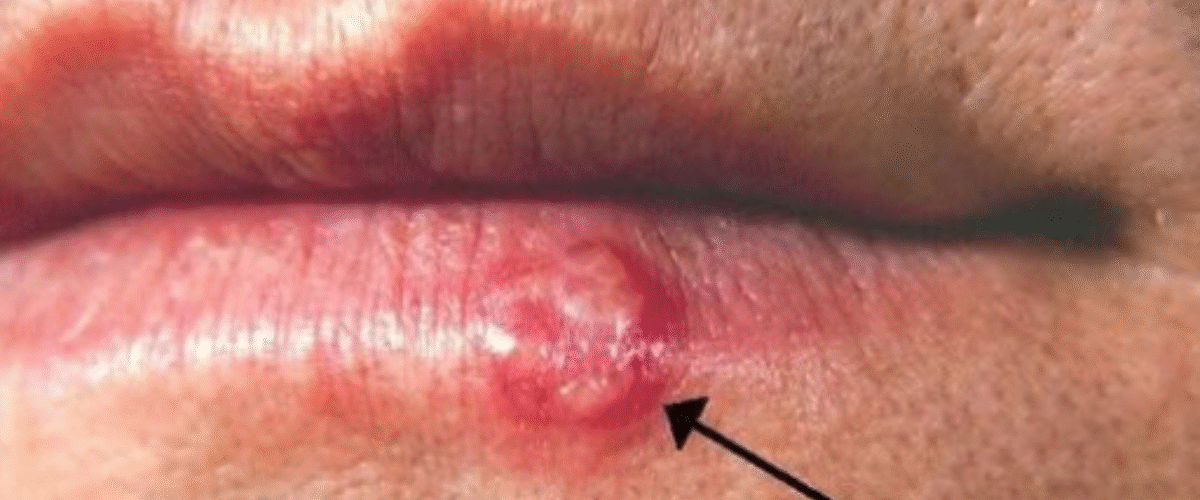
Lippenherpes, auch Fieberbläschen genannt, sind kleine, mit Flüssigkeit gefüllte Läsionen, die meist auf oder um die Lippen herum auftreten. Sie werden durch das Herpes-simplex-Virus Typ 1 (HSV-1) verursacht, eines der am weitesten verbreiteten Viren der Welt.
Laut der Weltgesundheitsorganisation (WHO) sind etwa 67 % der Menschen unter 50 Jahren mit HSV-1 infiziert. Viele Menschen zeigen nie sichtbare Symptome, während andere mehrmals im Jahr wiederkehrende Ausbrüche erleben, die oft durch körperliche oder umweltbedingte Faktoren ausgelöst werden.
Was verursacht Fieberbläschen?
Fieberbläschen entstehen durch eine HSV-1-Infektion, die meist durch direkten oralen Kontakt übertragen wird. Sobald das Virus in den Körper gelangt, bleibt es in den Nervenzellen inaktiv und kann unter bestimmten Bedingungen reaktiviert werden, beispielsweise:
- Stress
- Ermüdung
- Krankheit oder Fieber
- Hormonelle Veränderungen
- Längere Sonneneinstrahlung
- Zahnärztliche Behandlungen
Bei einer Reaktivierung wandert das Virus über die Nerven zur Haut und führt zur Blasenbildung. Die Bläschen treten meist im Bereich der Lippen auf, können aber auch am Kinn, an den Wangen, in den Nasenlöchern oder im Mundraum auftreten.
Die Symptome erkennen
Fieberbläschen verlaufen normalerweise in mehreren Stadien:
- Kribbeln und Jucken – Ein brennendes oder kribbelndes Gefühl um die Lippen herum tritt 1–2 Tage vor der Blasenbildung auf.
- Blasenbildung – In der Nähe der Lippenlinie oder des Gesichts bilden sich kleine, mit Flüssigkeit gefüllte Beulen.
- Nässen und Krustenbildung – Blasen platzen und hinterlassen flache Wunden, die vor der Heilung eine gelbliche Kruste bilden.
Der Heilungsprozess dauert normalerweise 7–10 Tage und die Ausbrüche können mit der Zeit seltener werden. 
Behandlungsmöglichkeiten
Es gibt keine dauerhafte Heilung für HSV-1, aber verschiedene Behandlungen können dazu beitragen, Ausbrüche zu verkürzen und Beschwerden zu lindern.
Verschreibungspflichtige Virostatika
Diese Medikamente sollten am besten bei den ersten Anzeichen von Symptomen eingenommen werden und können die Heilungszeit und die Schmerzen verkürzen:
- Aciclovir (Zovirax)
- Valaciclovir (Valtrex)
- Famciclovir (Famvir)
Rezeptfreie Heilmittel
Bei leichteren Ausbrüchen können topische Produkte helfen:
- Docosanol 10 % (Abreva) – Kann bei frühzeitiger Anwendung die Heilungszeit verkürzen.
- Lidocain- oder Benzocain-Gele – Bieten vorübergehende Schmerzlinderung.
Unterstützende Hausmittel
Diese heilen Fieberbläschen nicht, können aber Linderung verschaffen:
- Aloe Vera Gel – Lindert Reizungen.
- Zitronenmelisse (Melissa officinalis) – Kann die Dauer des Ausbruchs verkürzen.
- Kalte Kompressen – Reduzieren Schwellungen und Beschwerden.
- Vaseline – Verhindert Risse und unterstützt die Heilung.
Verwenden Sie immer saubere Hände oder Applikatoren, um eine Verbreitung des Virus zu vermeiden.
Ausbrüche verhindern
Um das Risiko eines erneuten Auftretens zu senken, empfehlen Experten:
- Auslöser bewältigen – Verfolgen Sie Stress, Schlafqualität, Sonneneinstrahlung und Krankheiten in einem Tagebuch.
- Unterstützung der Immunität – Ernähren Sie sich ausgewogen, treiben Sie Sport, trinken Sie ausreichend und ruhen Sie sich ausreichend aus.
- Sonnenschutz – Verwenden Sie im Freien Lippenbalsam mit Lichtschutzfaktor.
- L-Lysin-Ergänzungsmittel – können manchen Personen helfen, es bedarf jedoch weiterer Forschung.
Verhinderung der Übertragung
HSV-1 ist auch ohne sichtbare Wunden ansteckend. So reduzieren Sie die Ausbreitung:
- Vermeiden Sie während Ausbrüchen Küssen und oralen Kontakt.
- Teilen Sie keine Utensilien, Handtücher, Rasierer oder Lippenbalsam.
- Waschen Sie sich häufig die Hände, insbesondere nachdem Sie Ihr Gesicht berührt haben.
- Vermeiden Sie während eines Ausbruchs Oralverkehr, um eine Genitalinfektion zu vermeiden.
Wann Sie einen Arzt aufsuchen sollten
Suchen Sie einen Arzt auf, wenn:
- Wunden dauern länger als 10–14 Tage
- Ausbrüche sind häufig oder schwerwiegend
- Das Virus breitet sich auf die Augen oder andere Körperbereiche aus
- Sie haben Ekzeme oder ein geschwächtes Immunsystem
Ärzte können eine episodische antivirale Therapie (bei Ausbruchsbeginn) oder eine suppressive Therapie (tägliche Medikamenteneinnahme zur Vorbeugung von Rückfällen) empfehlen.
Abschließende Gedanken
Fieberbläschen sind extrem häufig und gut behandelbar. Obwohl HSV-1 nicht heilbar ist, können frühzeitige Behandlung, Vorsorge und Anpassungen des Lebensstils die Symptome und die Häufigkeit der Ausbrüche deutlich reduzieren. Indem Sie Ihre Auslöser verstehen, auf gute Hygiene achten und bei Bedarf ärztlichen Rat einholen, können Sie Fieberbläschen erfolgreich kontrollieren und ihre Auswirkungen auf den Alltag minimieren.
Hibiscus Apple Cinnamon Tea with Lemon – A Delicious Detox Drink for Your Health
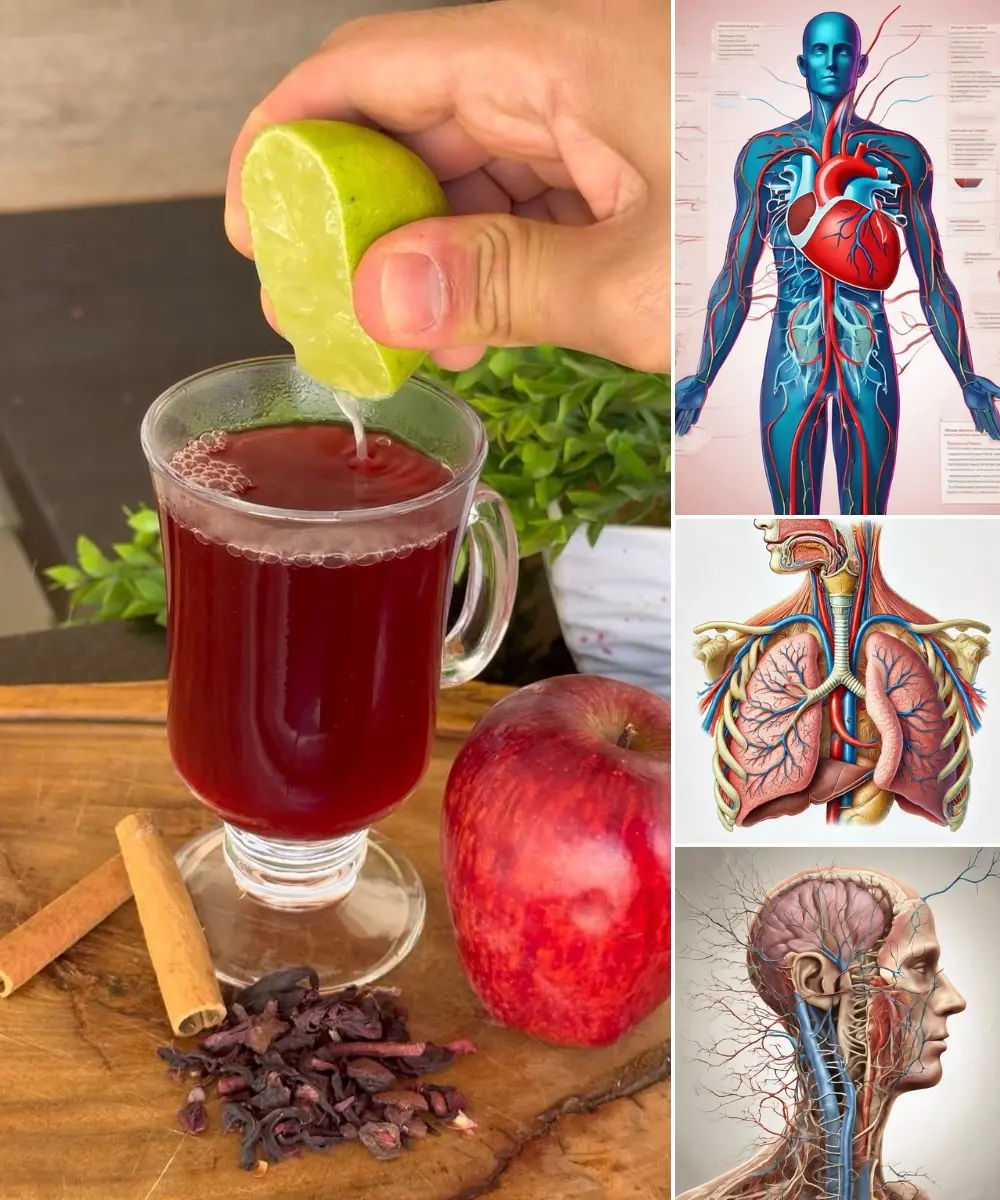
If you’re searching for a refreshing, healthy, and immune-boosting drink that also tastes amazing, Hibiscus Apple Cinnamon Tea with Lemon is the perfect choice. This ruby-red infusion blends the tangy flavor of hibiscus, the natural sweetness of apple, the warm spice of cinnamon, and the zesty brightness of lemon. Not only is it delightful, but it also offers a wide range of health benefits for the entire family.
🌿 Ingredients
- 1 fresh apple (sliced)
- 1–2 cinnamon sticks
- 2 tablespoons dried hibiscus petals (roselle)
- Juice of ½ fresh lemon
- 4 cups of water
- Honey or natural sweetener (optional)
🍵 How to Prepare
- Place the apple slices, cinnamon sticks, and dried hibiscus petals in a pot with 4 cups of water.
- Bring to a boil, then reduce heat and simmer for 10–15 minutes until the liquid turns a deep red.
- Strain into a cup.
- Add fresh lemon juice and stir well.
- Sweeten with honey if desired. Serve hot or chilled.
💪 Health Benefits of Hibiscus Apple Cinnamon Tea
1. Boosts Immunity
- Hibiscus and lemon are rich in Vitamin C, strengthening your body’s defenses.
- Apples provide antioxidants that support immune resilience.
2. Supports Heart Health
- Hibiscus tea helps lower high blood pressure.
- Cinnamon may improve circulation and reduce cholesterol.
- Apples contain soluble fiber (pectin) that benefits cardiovascular health.
3. Aids Weight Management
- Hibiscus helps regulate fat metabolism.
- Cinnamon balances blood sugar and curbs sugar cravings.
- Apples are low in calories but high in fiber, keeping you satisfied longer.
4. Improves Digestion
- Apple fiber nourishes healthy gut bacteria.
- Hibiscus relieves mild constipation and bloating.
- Lemon stimulates digestion and promotes detoxification.
5. Natural Detox & Liver Support
- Hibiscus acts as a gentle diuretic, helping flush out toxins.
- Lemon enhances liver function and detox pathways.
6. Promotes Healthy Skin & Anti-Aging
- Vitamin C from hibiscus and lemon boosts collagen production.
- Apple antioxidants fight free radicals, slowing premature aging.
7. Reduces Stress & Improves Mood
- The aroma of cinnamon calms the mind and reduces anxiety.
- Hibiscus tea has a cooling effect that relaxes body and spirit.
8. Anti-Inflammatory Effects
- Cinnamon contains cinnamaldehyde, a natural anti-inflammatory compound.
- Hibiscus may ease joint pain and muscle soreness.
9. Supports Blood Sugar Control
- Cinnamon helps stabilize blood sugar.
- Hibiscus may improve insulin sensitivity.
10. Hydration & Energy Boost
- Keeps you hydrated throughout the day.
- Provides natural vitamins and minerals for a gentle, caffeine-free energy lift.
🌸 Final Thoughts
Hibiscus Apple Cinnamon Tea with Lemon is more than just a beautiful drink—it’s a nourishing elixir that supports immunity, digestion, heart health, and radiant skin. Whether enjoyed warm on a cozy evening or iced on a summer day, this vibrant tea is a delicious way to care for your body from the inside out.
Top 3 Ways to Treat Tooth Decay with Guava Leaves – Simple and Cost-Effective
Introduction: Why Tooth Decay Deserves Attention
Tooth decay often starts small but can lead to pain, infection, and even tooth loss if ignored. While professional dental care is essential, simple home remedies can offer short-term relief and support daily oral hygiene—especially when a clinic isn’t immediately accessible.
Guava leaves have long been used in traditional medicine for oral care. They’re valued for antibacterial, anti-inflammatory, and mild pain-relieving effects, making them a practical, low-cost complement to your routine.
Why Guava Leaves Help
- Antibacterial: May reduce cavity-causing and bad-breath bacteria.
- Anti-inflammatory: Soothe swollen, irritated gums.
- Mild analgesic: Flavonoids (e.g., quercetin) can ease toothache discomfort.
- Supports healing: Regular use may help minor gum lesions recover and keep early decay from worsening.
Use guava leaves as a supplement, not a substitute, for proper dental care.
Remedy 1: Chew Fresh Guava Leaves
How to do it
- Rinse 2–3 fresh leaves thoroughly.
- Chew slowly to release the juice.
- Hold the juice around the affected area for 1–3 minutes.
- Spit out the residue and rinse lightly with water.
Why it works
Chewing releases tannins and flavonoids that can curb bacteria, calm gum irritation, and take the edge off pain.
Remedy 2: Guava-Leaf Mouthwash
How to make it
- Rinse a small handful of fresh leaves.
- Simmer in 1–2 cups of water for ~10 minutes.
- Cool, strain, and store in a clean bottle.
- Swish 15–30 seconds, 2–3 times daily.
Tips
- Refrigerate and use within 24–48 hours.
- Great if chewing leaves feels uncomfortable.
Why it works
The warm infusion helps rinse away debris, slow plaque buildup, freshen breath, and soothe sensitive gums.
Remedy 3: Guava-Leaf Paste (Targeted Relief)
How to prepare
- Pound or blend several clean leaves to a fine paste.
- Mix in a pinch of salt (optional) to boost antibacterial action.
- Apply to the sore tooth/gum for 5–10 minutes.
- Rinse with warm water.
Why it works
Delivers concentrated plant compounds right where you need them to ease tenderness and support early-stage care.
Use gently. Avoid scrubbing hard or using abrasive pastes daily.
Daily Habits for Stronger Teeth
- Brush twice daily with fluoride toothpaste.
- Floss or use interdental brushes to clean between teeth.
- Drink water regularly to dilute acids and wash away food particles.
- Limit sugary snacks/drinks that feed harmful bacteria.
- Go easy on acidic beverages (soda, citrus). Rinse with water afterward.
- Keep regular dental checkups for cleaning, X-rays, and timely treatment.
FAQs
Can guava leaves replace toothpaste?
No. They’re supportive only. Continue brushing with fluoride toothpaste and flossing daily.
Any side effects?
Generally well-tolerated when used in moderation. If irritation occurs, stop and consult a dentist. Avoid swallowing large amounts of concentrated preparations.
Can guava leaves cure severe decay?
No. Advanced cavities require professional treatment (e.g., fillings, root canal). Guava leaves can help with comfort and hygiene while you arrange care.
Safe for kids or during pregnancy?
Topical rinses are usually mild, but check with a dentist/health professional—especially for children, pregnancy, or if you have allergies.
Final Thoughts
Guava leaves are a natural, affordable way to support oral hygiene—whether you chew them fresh, use a simple mouthwash, or apply a targeted paste. Pair these remedies with consistent brushing, flossing, a tooth-friendly diet, and regular dental visits for the best results.
All DNA and RNA Bases Found in Meteorites: Life’s Origins May Be Cosmic
For decades, scientists have debated whether the essential ingredients for life are a unique product of Earth or part of a universal cosmic recipe. A groundbreaking discovery has now tilted the scales toward the latter. Researchers have confirmed that all five nucleobases of DNA and RNA — adenine, guanine, cytosine, thymine, and uracil — have been detected in meteorites that fell to Earth.
This milestone finding suggests that the blueprint of life may not have originated here alone but could have been delivered from space, carried on rocks formed billions of years ago.
🚀 A Cosmic Delivery of Life’s Ingredients
While previous studies had identified some nucleobases in meteorites, this marks the first time the complete set has been confirmed. These are the very molecules that make up the genetic alphabet in every living organism on Earth.
- DNA bases: adenine (A), guanine (G), cytosine (C), and thymine (T)
- RNA base: uracil (U)
Their presence in meteorites hints that the raw chemistry for life may have been seeded across young planets via asteroid and comet impacts, billions of years ago.
🌌 Why This Discovery Matters
The finding gives new weight to the theory of panspermia — the idea that life’s raw materials can travel across space, hitchhiking on cosmic debris.
- It implies that Earth is not unique in having the recipe for life.
- It raises the possibility that other planets and moons with the right conditions may also nurture biology.
- It suggests life’s molecular toolkit is written into the fabric of the universe itself.
As lead researchers note, if the same building blocks of DNA and RNA are scattered across the cosmos, then the emergence of life may be a common outcome, not an improbable accident.
🧬 From Molecules to Life: The Next Big Question
While the discovery is profound, it doesn’t prove that life itself came from space. Instead, it shows that Earth may have received a starter kit of organic molecules, delivered by meteorites and comets.
The mystery that remains: how did these molecules assemble into self-replicating systems capable of evolution? Scientists are now focusing on how these bases could have combined with sugars, phosphates, and other compounds to form the first living systems.
✨ A Cosmic Legacy
This discovery is more than a scientific breakthrough — it is a reminder of our deep connection to the universe. The DNA that defines who we are may carry a cosmic heritage, forged in ancient stardust and carried to Earth by falling rocks.
In the words of one researcher: “When we look at our genetic code, we may be seeing not just Earth’s history, but the history of the cosmos itself.”
🌠 Bottom line: The building blocks of life may not be Earth’s alone. They may be cosmic travelers, scattered across the galaxy, waiting for the right planetary home to ignite the spark of life.