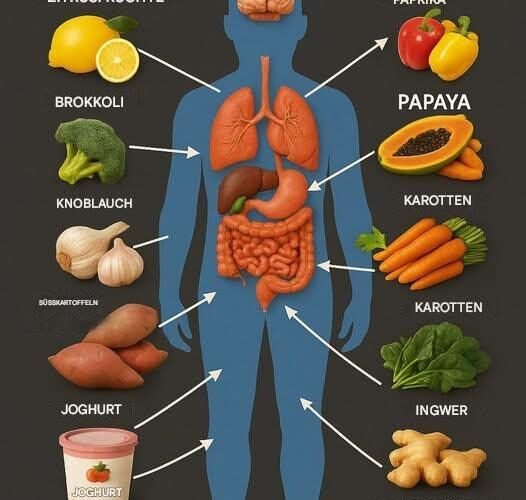
Die Unterstützung Ihres Immunsystems beginnt mit dem, was auf Ihrem Teller liegt. Diese 15 kraftvollen Lebensmittel können dazu beitragen, die natürlichen Abwehrkräfte Ihres Körpers zu stärken und dafür zu sorgen, dass Sie sich das ganze Jahr über gut fühlen.
🥇 1. Zitrusfrüchte
Warum sie so gut sind: Zitrusfrüchte sind reich an Vitamin C und regen die Produktion weißer Blutkörperchen an – die wichtigste Abwehr Ihres Körpers gegen Infektionen.
Anwendung: Drücken Sie morgens eine Zitrone in warmes Wasser oder geben Sie Orangenscheiben in Ihren Salat.
🥦 2. Brokkoli
Warum sie so toll sind: Brokkoli ist voller Vitamin A, C und E sowie Ballaststoffen und Antioxidantien und ein wahres Nährstoffwunder.
Anwendung: Mit Knoblauch und Olivenöl leicht dämpfen oder anbraten.
🧄 3. Knoblauch
Warum sie so toll sind: Enthält Allicin, eine wirksame Verbindung mit antimikrobiellen Eigenschaften.
Anwendung: In Suppen, Eintöpfe oder Salatdressings mischen – roh oder geröstet.
🍠 4. Süßkartoffeln
Warum sie so toll sind: Reich an Beta-Carotin, das in Vitamin A umgewandelt wird und gut für die Haut und die Atemwege ist.
Anwendung: Mit Kräutern rösten, mit Olivenöl zerdrücken oder in Spalten backen.
🥣 5. Joghurt
Warum sie so toll sind: Reich an Probiotika, die die Darmgesundheit unterstützen – die Heimat der meisten Ihrer Immunzellen.
Anwendung: Genießen Sie Naturjoghurt oder griechischen Joghurt mit Früchten oder mischen Sie ihn in Smoothies.
🥚 6. Eier
Warum sie so toll sind: Sie enthalten Protein, Selen und B-Vitamine, die zur Produktion von Immunzellen beitragen.
Anwendung: Kochen Sie sie als Snack oder verrühren Sie sie mit Gemüse.
🎃 7. Kürbiskerne
Warum sie so toll sind: Eine ausgezeichnete Zinkquelle, die eine Schlüsselrolle bei der Entwicklung von Immunzellen spielt.
Anwendung: Über Haferflocken, Salate oder Joghurt streuen.
🍄 8. Pilze
Warum sie so toll sind: Verbindungen in Pilzen verbessern die Funktion der weißen Blutkörperchen.
Anwendung: Zu Pfannengerichten, Suppen, Omeletts oder Risottos hinzufügen.
🌶 9. Paprika (rot, gelb, grün)
Warum sie so toll sind: Rote Paprika enthalten sogar mehr Vitamin C als Orangen.
Anwendung: Roh mit Dips essen, braten oder in Pfannengerichten anbraten.
🍈 10. Papaya
Warum sie so toll sind: Enthält Vitamin C, A, E und Papain, ein Enzym, das die Verdauung unterstützt.
Anwendung: Frisch mit Limette essen oder in Smoothies mischen.
🥕 11. Karotten
Warum sie so toll sind: Reich an Beta-Carotin und Antioxidantien für gesunde Haut und Augen.
Anwendung: Roh als Snack, gedünstet oder mit Gewürzen geröstet.
🥬 12. Dunkles Blattgemüse
Warum sie so toll sind: Reich an Vitamin C, Ballaststoffen, Folsäure und starken Antioxidantien.
Anwendung: Spinat, Grünkohl oder Mangold mit Olivenöl anbraten.
🫚 13. Ingwer
Warum sie so toll sind: Wirkt entzündungshemmend und antimikrobiell.
Anwendung: In Tee, Suppen oder Marinaden reiben.
🍋 14. Andere Zitrusoptionen
Warum sie so toll sind: Grapefruit, Limetten und Mandarinen liefern außerdem immunstärkendes Vitamin C.
Anwendung: Geben Sie Ihren Rezepten Würze oder naschen Sie ganze Segmente.
🌰 15. Linsen
Warum sie so toll sind: Sie liefern Eisen, Protein und Folsäure, die für die Immunfunktion und Energie unerlässlich sind.
Anwendung: Zum Kochen in Suppen, vegetarischen Burgern oder Eintöpfen.
✅ Tipps zur Maximierung des Nutzens:
- Iss den Regenbogen: Vielfältige Farben bedeuten ein breites Spektrum an Nährstoffen.
- Frisches Essen: Wählen Sie vollwertige, minimal verarbeitete Lebensmittel.
- Clever kochen: Beim Dämpfen und bei Rohkost-Zubereitungen bleiben die Nährstoffe am besten erhalten.
- Leben Sie ausgewogen: Kombinieren Sie Ernährung mit regelmäßiger Bewegung, erholsamem Schlaf und ausreichender Flüssigkeitszufuhr.
📌 Abschließende Gedanken
Die Grundlage für ein starkes Immunsystem liegt in Ihrer täglichen Ernährung. Mit diesen 15 immunstärkenden Lebensmitteln geben Sie Ihrem Körper die nötigen Werkzeuge, um widerstandsfähig zu bleiben. Ihr Teller kann Ihre beste Verteidigungslinie sein – nutzen Sie ihn.
Top 3 Ways to Treat Tooth Decay with Guava Leaves – Simple and Cost-Effective
Introduction: Why Tooth Decay Deserves Attention
Tooth decay often starts small but can lead to pain, infection, and even tooth loss if ignored. While professional dental care is essential, simple home remedies can offer short-term relief and support daily oral hygiene—especially when a clinic isn’t immediately accessible.
Guava leaves have long been used in traditional medicine for oral care. They’re valued for antibacterial, anti-inflammatory, and mild pain-relieving effects, making them a practical, low-cost complement to your routine.
Why Guava Leaves Help
- Antibacterial: May reduce cavity-causing and bad-breath bacteria.
- Anti-inflammatory: Soothe swollen, irritated gums.
- Mild analgesic: Flavonoids (e.g., quercetin) can ease toothache discomfort.
- Supports healing: Regular use may help minor gum lesions recover and keep early decay from worsening.
Use guava leaves as a supplement, not a substitute, for proper dental care.
Remedy 1: Chew Fresh Guava Leaves
How to do it
- Rinse 2–3 fresh leaves thoroughly.
- Chew slowly to release the juice.
- Hold the juice around the affected area for 1–3 minutes.
- Spit out the residue and rinse lightly with water.
Why it works
Chewing releases tannins and flavonoids that can curb bacteria, calm gum irritation, and take the edge off pain.
Remedy 2: Guava-Leaf Mouthwash
How to make it
- Rinse a small handful of fresh leaves.
- Simmer in 1–2 cups of water for ~10 minutes.
- Cool, strain, and store in a clean bottle.
- Swish 15–30 seconds, 2–3 times daily.
Tips
- Refrigerate and use within 24–48 hours.
- Great if chewing leaves feels uncomfortable.
Why it works
The warm infusion helps rinse away debris, slow plaque buildup, freshen breath, and soothe sensitive gums.
Remedy 3: Guava-Leaf Paste (Targeted Relief)
How to prepare
- Pound or blend several clean leaves to a fine paste.
- Mix in a pinch of salt (optional) to boost antibacterial action.
- Apply to the sore tooth/gum for 5–10 minutes.
- Rinse with warm water.
Why it works
Delivers concentrated plant compounds right where you need them to ease tenderness and support early-stage care.
Use gently. Avoid scrubbing hard or using abrasive pastes daily.
Daily Habits for Stronger Teeth
- Brush twice daily with fluoride toothpaste.
- Floss or use interdental brushes to clean between teeth.
- Drink water regularly to dilute acids and wash away food particles.
- Limit sugary snacks/drinks that feed harmful bacteria.
- Go easy on acidic beverages (soda, citrus). Rinse with water afterward.
- Keep regular dental checkups for cleaning, X-rays, and timely treatment.
FAQs
Can guava leaves replace toothpaste?
No. They’re supportive only. Continue brushing with fluoride toothpaste and flossing daily.
Any side effects?
Generally well-tolerated when used in moderation. If irritation occurs, stop and consult a dentist. Avoid swallowing large amounts of concentrated preparations.
Can guava leaves cure severe decay?
No. Advanced cavities require professional treatment (e.g., fillings, root canal). Guava leaves can help with comfort and hygiene while you arrange care.
Safe for kids or during pregnancy?
Topical rinses are usually mild, but check with a dentist/health professional—especially for children, pregnancy, or if you have allergies.
Final Thoughts
Guava leaves are a natural, affordable way to support oral hygiene—whether you chew them fresh, use a simple mouthwash, or apply a targeted paste. Pair these remedies with consistent brushing, flossing, a tooth-friendly diet, and regular dental visits for the best results.
These are the signs that he is cr…See moree
In everyday medical practice, clinicians often make small adjustments to a patient’s treatment plan—switching medications, updating dosages, or changing delivery methods. Most of the time, these changes improve symptoms and enhance quality of life. But occasionally, a routine adjustment can uncover something completely unexpected.
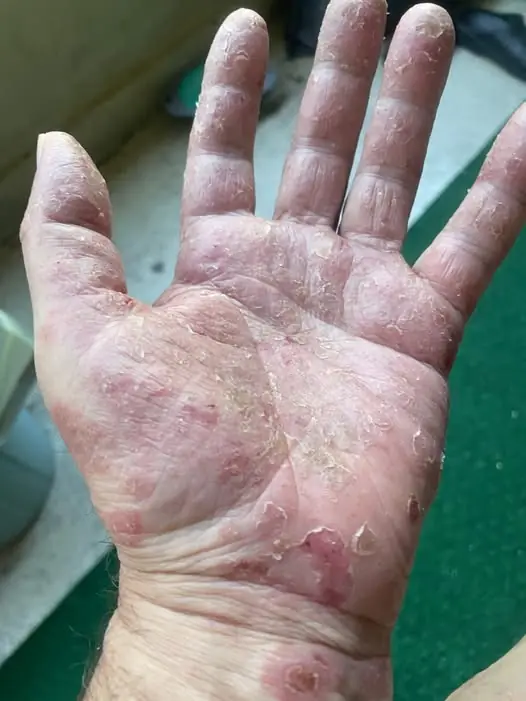
This was the case for a 55-year-old woman living with chronic obstructive pulmonary disease (COPD). For years, her condition remained stable on her medications. Then, after switching to a new inhaler, she developed a painful and rare skin condition known as Sweet syndrome—a reaction so unusual that it may represent the first documented case linked to inhaled therapy.
This story highlights why both patients and healthcare providers must remain alert to even subtle changes in the body, especially following medication adjustments.
The Patient’s Journey: From Stability to Sudden Symptoms
The patient’s medical background included hypertension and long-term COPD management. Her treatment plan featured enalapril for blood pressure control and a formoterol-based inhaler for her respiratory condition. For years, she had been doing relatively well.
But as her lung function began to decline, her pulmonologist decided to adjust her regimen, prescribing a new combination inhaler containing indacaterol and glycopyrronium. This was a standard, evidence-based decision, aimed at improving her breathing and slowing disease progression.
Yet just 48 hours after starting the new inhaler, the patient developed alarming symptoms:
- Painful, bright red patches on her face and neck
- A mild fever
- No new cosmetics, dietary changes, or infections
- Recent sun exposure, but with proper protection
Her sudden skin reaction and fever prompted an urgent dermatology referral.
The Diagnostic Process: Uncovering Sweet Syndrome 
One of the greatest challenges in dermatology is distinguishing between conditions that look alike. Rashes, plaques, and erythematous lesions can arise from dozens of causes, from mild allergies to serious autoimmune disorders.
The initial working diagnoses included:
- Contact dermatitis
- Lupus erythematosus
- Urticaria (hives)
Further investigation revealed the true culprit:
- Blood tests ruled out common infections and autoimmune markers.
- The new inhaler was discontinued immediately.
- A skin biopsy was performed, and pathology confirmed Sweet syndrome.
The patient was started on oral corticosteroids, which produced a dramatic improvement within two days. The plaques faded, her fever subsided, and her pain diminished rapidly.
What Exactly Is Sweet Syndrome? 
Sweet syndrome, or acute febrile neutrophilic dermatosis, is a rare immune-mediated skin condition first described in 1964 by Dr. Robert Sweet. It is characterized by:
- Sudden, painful red or purple plaques or papules
- Lesions concentrated on the face, neck, torso, and hands
- Accompanying fever, fatigue, and joint pain
- Elevated white blood cell counts, especially neutrophils
Known Triggers
The exact cause is not fully understood, but it appears linked to immune system dysregulation. Triggers include:
- Infections (respiratory or gastrointestinal)
- Hematologic cancers, such as acute myeloid leukemia
- Autoimmune or inflammatory diseases
- Medications (antibiotics, antiepileptics, G-CSF, some vaccines)
Treatment typically involves systemic corticosteroids, which usually bring rapid relief.
Why This Case Stands Out 
The most striking aspect of this case is that Sweet syndrome was triggered by an inhaled COPD medication. Until now, no cases in medical literature had linked the condition to inhaled therapies.
Clinical Significance
- Expanding known triggers: Previously, Sweet syndrome was mostly associated with oral or injectable drugs. This case shows even inhaled medications may provoke rare immune responses.
- Challenges in diagnosis: Because the condition is rare, it can easily be mistaken for more common rashes. Early biopsy is essential.
- Primary care’s role: General practitioners are often the first to detect unusual reactions. Quick recognition and referral are vital.
Lessons for Clinicians 
This case offers several important reminders for healthcare providers:
- Stay vigilant after medication changes – even widely used drugs can trigger rare immune reactions.
- Consider Sweet syndrome in sudden, painful skin eruptions with fever.
- Use a broad differential diagnosis – exclude lupus, dermatitis, and drug eruptions carefully.
- Act quickly with corticosteroids – they remain the most effective treatment.
- Report rare cases – documentation expands medical knowledge and helps future clinicians.
Patient Perspective: Living Through a Rare Reaction 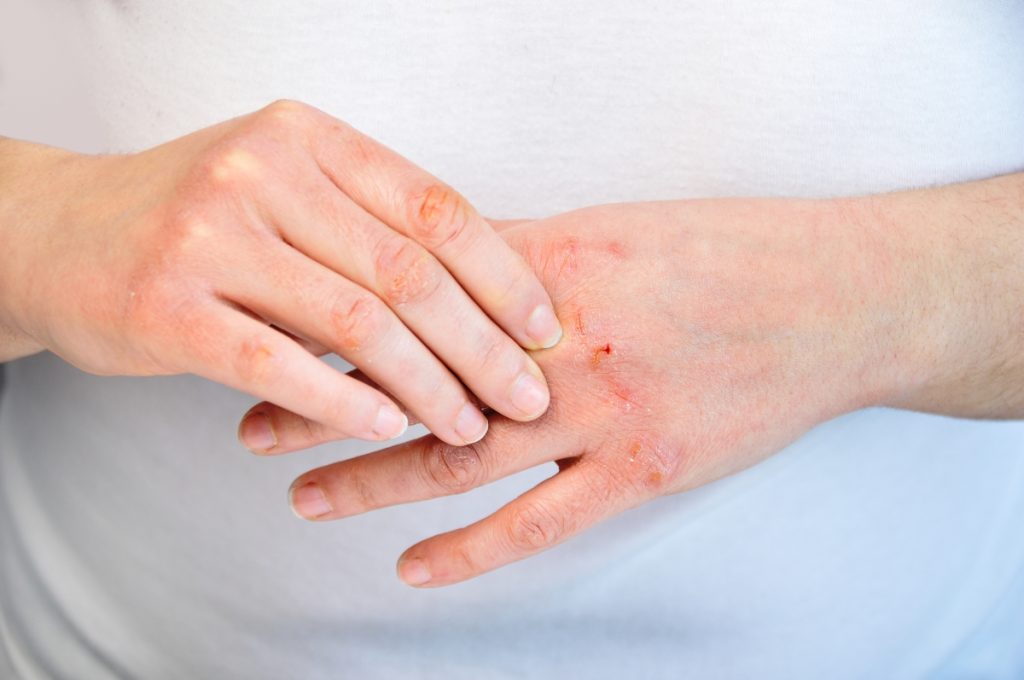
For the patient, what began as a standard inhaler switch quickly became a distressing experience. Painful facial lesions were both physically and emotionally overwhelming, affecting self-confidence and social interactions.
Her rapid recovery on corticosteroids was reassuring, but the ordeal highlighted the anxiety patients face when dealing with rare, poorly understood conditions. For those with chronic illnesses like COPD, trust in treatment is critical, making open communication from healthcare providers especially important.
The Broader Implications
This unusual case raises broader questions for research and practice:
- Could other inhaled therapies carry similar immune-mediated risks?
- Should monitoring systems track rare skin reactions linked to inhalers?
- How can primary care doctors and dermatologists collaborate more effectively?
Though rare, awareness is the first step toward prevention and better outcomes.
Conclusion: A Reminder for Vigilance
Sweet syndrome is a rare but significant diagnosis requiring clinical suspicion and swift response. While most cases are linked to infections, cancers, or systemic drugs, this case demonstrates that even inhaled therapies may trigger the condition.
For clinicians, the lesson is clear: no medication is entirely risk-free. For patients, reporting unusual symptoms after treatment changes is crucial.
By recognizing atypical presentations and sharing rare case reports, healthcare providers can improve patient safety, outcomes, and confidence in care.
Engineered Gut Bacteria Show Promise in Preventing Kidney Stones
Scientists have taken a major step forward in tackling one of the world’s most painful and persistent health problems: kidney stones. Recent studies suggest that genetically engineered gut bacteria could help reduce the risk of stone formation by breaking down oxalate, a key compound involved in the development of these mineral deposits.
A New Microbial Approach
The research centers on Phocaeicola vulgatus, a naturally occurring gut bacterium that has been genetically modified to metabolize oxalate — a substance found in many foods that can crystallize inside the kidneys. In high concentrations, oxalate contributes to the formation of calcium oxalate stones, the most common type of kidney stone.
To make the therapy controllable, scientists also engineered the bacteria to rely on porphyran, a carbohydrate derived from seaweed. By adding or removing porphyran from a patient’s diet, doctors could in theory regulate the presence of these bacteria in the gut.
Early Results From Trials
In laboratory and animal studies, the modified bacteria significantly reduced oxalate levels in urine. Early-stage human trials have shown encouraging signs: participants who consumed the engineered bacteria, alongside porphyran, demonstrated reduced oxalate excretion without major safety concerns.
However, the results were mixed. In some patients with hyperoxaluria — a condition where oxalate levels are abnormally high — the bacteria did not perform as effectively. Researchers also found that in a few cases, the microbes adapted in ways that allowed them to survive even without porphyran, raising long-term safety and control questions.
Not a Cure—Yet
While social media posts have claimed that these bacteria can “dissolve kidney stones inside the body,” scientists caution that this is misleading. The therapy has not been shown to break down existing stones. Instead, its main potential lies in prevention and risk reduction, by lowering the levels of oxalate before stones form.
For patients who already have large, painful stones, traditional treatments such as surgery, lithotripsy, or medication remain the standard of care.
A Step Toward the Future
Despite the limitations, experts believe the research marks an important milestone in microbiome-based therapies. If proven safe and effective through larger clinical trials, engineered bacteria could one day become part of preventive care for people prone to recurrent kidney stones.
Dr. Joe Hollins, a veterinarian who has worked with long-lived animals like Jonathan the tortoise, once remarked on the importance of diet and environment in longevity. Similarly, this bacterial innovation underscores how rebalancing our inner ecosystems could reshape human health.
The Bigger Picture
Kidney stones affect an estimated 1 in 10 people worldwide during their lifetime, with recurrence rates as high as 50%. A treatment that reduces the risk of stone formation without invasive procedures could significantly improve quality of life for millions.
For now, the message is one of cautious optimism. Scientists are closer than ever to turning the gut microbiome into a tool against kidney stones, but more evidence is needed before the therapy becomes a clinical reality.