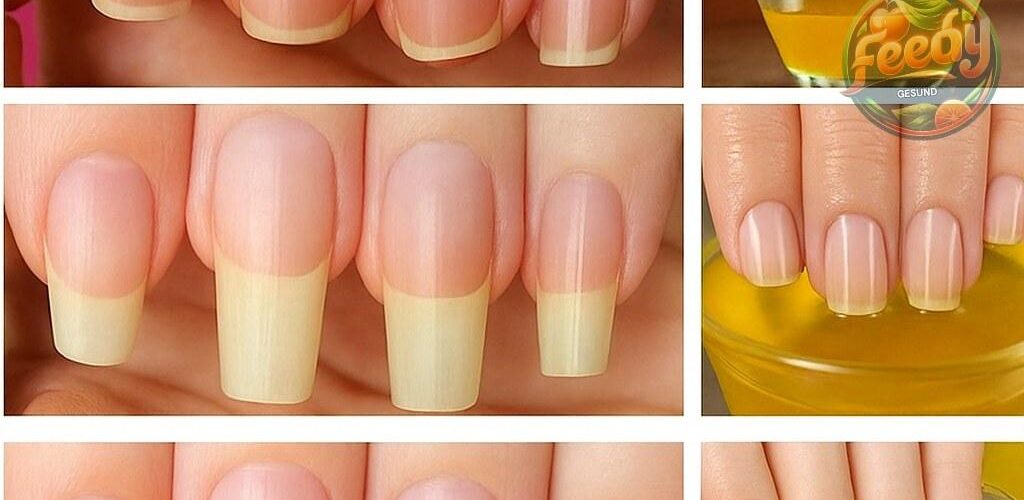
Nägel gehören zu den sichtbarsten Teilen unserer Hände und spiegeln oft unseren allgemeinen Gesundheitszustand wider. Viele Menschen leiden jedoch unter brüchigen Nägeln, die leicht abbrechen. Wenn Sie dazugehören, sind Sie nicht allein. In diesem Artikel gehen wir dem Problem brüchiger Nägel auf den Grund und stellen ein natürliches Heilmittel vor, das das Wachstum und die Festigkeit der Nägel fördert. Außerdem geben wir praktische Tipps, wie Sie Ihre Nägel in Topform halten.
Warum brechen Nägel?
Es gibt mehrere Gründe, warum Nägel häufig brechen. Zu den häufigsten Ursachen gehören:
- Nährstoffmangel: Ein Mangel an wichtigen Vitaminen und Mineralstoffen wie Biotin, Zink und Eisen kann die Nägel schwächen.
- Kontakt mit Chemikalien: Die häufige Verwendung von Nagellack, Nagellackentferner oder aggressiven Reinigungsmitteln kann die Schutzschicht der Nägel beschädigen.
- Feuchtigkeit und Trockenheit: Ständige Einwirkung extremer Bedingungen, wie häufiges Händewaschen oder Arbeiten in trockenen Umgebungen, kann die Nägel brüchiger machen.
- Genetische Faktoren: Manche Menschen werden einfach mit schwächeren Nägeln geboren als andere.
Ein Heilmittel für Nagelwachstum
Viele Menschen finden ein einfaches Hausmittel hilfreich, um das Nagelwachstum zu beschleunigen und die Nägel zu stärken. Hier ist ein einfaches und effektives Rezept:
Zutaten:
- 1 Tasse Olivenöl
- Saft von 1 Zitrone
- 1 Teelöffel Honig
Anweisungen:
- Mischen Sie in einem Behälter Olivenöl, Zitronensaft und Honig.
- Erwärmen Sie die Mischung bei schwacher Hitze oder in der Mikrowelle einige Sekunden lang, bis sie lauwarm ist.
- Weichen Sie Ihre Nägel 15–20 Minuten in der Mischung ein.
- Spülen Sie Ihre Hände mit warmem Wasser ab und trocknen Sie sie vorsichtig ab.
Viele, die dieses Mittel ausprobiert haben, berichten von einem deutlichen Nagelwachstum innerhalb weniger Tage. Schauen wir uns die Vorteile der einzelnen Inhaltsstoffe genauer an.
Vorteile der Zutaten
Olivenöl – Olivenöl ist für seine feuchtigkeitsspendenden und nährenden Eigenschaften bekannt und enthält essentielle Fettsäuren und Antioxidantien, die zur Erhaltung gesunder Nägel und der umgebenden Haut beitragen und ein stärkeres Wachstum fördern.
Zitronensaft – Reich an Vitamin C fördert Zitronensaft die Kollagenproduktion, die für gesunde Nägel unerlässlich ist. Die enthaltene Zitronensäure kann außerdem vergilbte Nägel aufhellen und ihnen ein gesünderes Aussehen verleihen.
Honig – Ein natürlicher Feuchthaltemittel, das hilft, die Feuchtigkeit der Nägel zu bewahren. Er hat außerdem antimikrobielle Eigenschaften, die die Nägel vor Infektionen schützen können.
Zusätzliche Tipps für gesündere Nägel
- Achten Sie auf eine ausgewogene Ernährung: Sorgen Sie für eine ausreichende Zufuhr von Proteinen, Vitaminen und Mineralstoffen. Nehmen Sie biotinreiche Lebensmittel wie Eier, Nüsse und Spinat zu sich.
- Halten Sie Ihre Nägel mit Feuchtigkeit versorgt: Verwenden Sie spezielle Öle oder Cremes, um Trockenheit und Brüchigkeit vorzubeugen.
- Vermeiden Sie Nägelkauen: Diese Angewohnheit kann die Nägel und die umgebende Haut schädigen und das Wachstum behindern.
- Tragen Sie Handschuhe: Schützen Sie Ihre Hände und Nägel bei der Hausarbeit vor Chemikalien, indem Sie Handschuhe tragen.
Abschluss
Brüchige Nägel sind ein weit verbreitetes Problem, aber Sie müssen sie nicht als unvermeidlich hinnehmen. Mit der richtigen Pflege, Aufmerksamkeit und natürlichen Heilmitteln wie dem hier vorgestellten können Sie die Nagelgesundheit verbessern und das Wachstum fördern. Denken Sie daran, Geduld ist der Schlüssel – die Ergebnisse stellen sich nicht sofort ein, aber mit etwas Ausdauer können Ihre Nägel mit der Zeit stärker und schöner werden.
Wenn Sie diese Informationen hilfreich fanden, teilen Sie sie gerne mit „Gefällt mir“! Weitere Tipps und Tricks zur Nagelpflege finden Sie auch in den Kommentaren.
All DNA and RNA Bases Found in Meteorites: Life’s Origins May Be Cosmic
For decades, scientists have debated whether the essential ingredients for life are a unique product of Earth or part of a universal cosmic recipe. A groundbreaking discovery has now tilted the scales toward the latter. Researchers have confirmed that all five nucleobases of DNA and RNA — adenine, guanine, cytosine, thymine, and uracil — have been detected in meteorites that fell to Earth.
This milestone finding suggests that the blueprint of life may not have originated here alone but could have been delivered from space, carried on rocks formed billions of years ago.
🚀 A Cosmic Delivery of Life’s Ingredients
While previous studies had identified some nucleobases in meteorites, this marks the first time the complete set has been confirmed. These are the very molecules that make up the genetic alphabet in every living organism on Earth.
- DNA bases: adenine (A), guanine (G), cytosine (C), and thymine (T)
- RNA base: uracil (U)
Their presence in meteorites hints that the raw chemistry for life may have been seeded across young planets via asteroid and comet impacts, billions of years ago.
🌌 Why This Discovery Matters
The finding gives new weight to the theory of panspermia — the idea that life’s raw materials can travel across space, hitchhiking on cosmic debris.
- It implies that Earth is not unique in having the recipe for life.
- It raises the possibility that other planets and moons with the right conditions may also nurture biology.
- It suggests life’s molecular toolkit is written into the fabric of the universe itself.
As lead researchers note, if the same building blocks of DNA and RNA are scattered across the cosmos, then the emergence of life may be a common outcome, not an improbable accident.
🧬 From Molecules to Life: The Next Big Question
While the discovery is profound, it doesn’t prove that life itself came from space. Instead, it shows that Earth may have received a starter kit of organic molecules, delivered by meteorites and comets.
The mystery that remains: how did these molecules assemble into self-replicating systems capable of evolution? Scientists are now focusing on how these bases could have combined with sugars, phosphates, and other compounds to form the first living systems.
✨ A Cosmic Legacy
This discovery is more than a scientific breakthrough — it is a reminder of our deep connection to the universe. The DNA that defines who we are may carry a cosmic heritage, forged in ancient stardust and carried to Earth by falling rocks.
In the words of one researcher: “When we look at our genetic code, we may be seeing not just Earth’s history, but the history of the cosmos itself.”
🌠 Bottom line: The building blocks of life may not be Earth’s alone. They may be cosmic travelers, scattered across the galaxy, waiting for the right planetary home to ignite the spark of life.
Most People Have Had or Have This Cold Sore Virus, But Very Few Know How to Cure It – Here’s What You Need to Do!
Cold sores, also known as fever blisters, are small, fluid-filled lesions that usually appear on or around the lips. They are caused by herpes simplex virus type 1 (HSV-1), one of the most widespread viruses in the world. 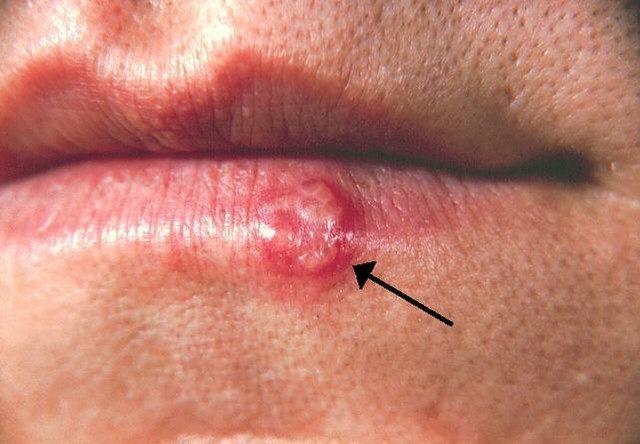
According to the World Health Organization (WHO), about 67% of people under age 50 are infected with HSV-1. Many never show visible symptoms, while others may experience recurring outbreaks several times a year, often triggered by physical or environmental factors.
What Causes Cold Sores?
Cold sores result from HSV-1 infection, usually transmitted through direct oral contact. Once the virus enters the body, it remains dormant in nerve cells and may reactivate under certain conditions, including:
- Stress
- Fatigue
- Illness or fever
- Hormonal changes
- Prolonged sun exposure
- Dental procedures
When reactivated, the virus travels along nerves to the skin, leading to blister formation. While they most often appear near the lips, sores can also occur on the chin, cheeks, nostrils, or inside the mouth.
Recognizing the Symptoms
Cold sores usually follow a pattern of stages:
- Tingling and itching – A burning or tingling sensation around the lips appears 1–2 days before blisters.
- Blistering – Small, fluid-filled bumps form near the lip line or face.
- Oozing and crusting – Blisters burst and leave shallow sores that develop a yellowish crust before healing.
The healing process typically takes 7–10 days, and outbreaks may become less frequent with time. 
Treatment Options
There is no permanent cure for HSV-1, but several treatments can help shorten outbreaks and ease discomfort.
Prescription Antivirals
Best taken at the first sign of symptoms, these medications can reduce healing time and pain:
- Acyclovir (Zovirax)
- Valacyclovir (Valtrex)
- Famciclovir (Famvir)
Over-the-Counter Remedies
For milder outbreaks, topical products can help:
- Docosanol 10% (Abreva) – May reduce healing time if used early.
- Lidocaine or benzocaine gels – Provide temporary pain relief.
Supportive Home Remedies
These do not cure cold sores but may offer comfort:
- Aloe vera gel – Soothes irritation.
- Lemon balm (Melissa officinalis) – May shorten outbreak duration.
- Cold compresses – Reduce swelling and discomfort.
- Petroleum jelly – Prevents cracking and helps healing.
Always use clean hands or applicators to avoid spreading the virus.
Preventing Outbreaks
To lower the risk of recurrence, experts recommend:
- Managing triggers – Track stress, sleep quality, sun exposure, and illness in a journal.
- Supporting immunity – Eat a balanced diet, exercise, stay hydrated, and get enough rest.
- Sun protection – Use SPF lip balm outdoors.
- L-lysine supplements – May help some individuals, though more research is needed.
Preventing Transmission
HSV-1 is contagious even without visible sores. To reduce spread:
- Avoid kissing and oral contact during outbreaks.
- Do not share utensils, towels, razors, or lip balm.
- Wash hands often, especially after touching your face.
- Refrain from oral sex during outbreaks to avoid genital infection.
When to See a Doctor
Seek medical attention if:
- Sores last longer than 10–14 days
- Outbreaks are frequent or severe
- The virus spreads to the eyes or other body areas
- You have eczema or a weakened immune system
Doctors may recommend episodic antiviral therapy (taken at outbreak onset) or suppressive therapy (daily medication to prevent recurrences).
Final Thoughts
Cold sores are extremely common and manageable. While HSV-1 has no cure, early treatment, preventive care, and lifestyle adjustments can greatly reduce symptoms and outbreak frequency. By understanding your triggers, practicing good hygiene, and seeking medical advice when needed, you can successfully control cold sores and minimize their impact on daily life.
A 4-Year-Old Girl Nearly Lost Her Life Due to Diabetes, Parents Cried: “We Spoiled Her Too Much!”
Lulu, a 4-year-old girl from Zhejiang, China, was once lively, cheerful, and especially fond of sweets. Because she was so adorable and persuasive, her mother often gave in whenever Lulu asked for candy or soda—even though she knew it was unhealthy. During the Lunar New Year, the house was stocked with soft drinks, and Lulu consumed them freely, often replacing water with soda. Her mother, thinking it was just the holidays, allowed it.
Warning Signs
After the holidays, Lulu’s mother began noticing unusual changes. The once energetic child became sluggish and indifferent. She drank excessive amounts of water, urinated frequently, ate a lot but did not gain weight. Believing it was just part of growing up, and being busy herself, her mother paid little attention.
Emergency Crisis
One evening, after drinking soda, Lulu suddenly became weak, started breathing abnormally, then complained of stomach pain and vomited. Alarmed, her parents rushed her to the emergency department at the Second People’s Hospital of Yuhang District in Hangzhou, Zhejiang.
Dr. Cheng Li, the pediatric emergency physician, recalled:
“We found her blood sugar was 31.68 mmol/L—three times higher than normal. She was also in diabetic ketoacidosis, a dangerous complication of diabetes.”
Understanding Diabetic Ketoacidosis
According to Dr. Cheng Li, diabetic ketoacidosis occurs when the body lacks insulin, causing a buildup of ketones in the blood that leads to acidosis. It is a life-threatening complication, often seen in children with type 1 diabetes. Without timely emergency treatment, it can result in coma or death.
He explained further:
“Diabetes doesn’t only cause high blood sugar. It can lead to severe complications such as ketoacidosis, cardiovascular diseases (arteriosclerosis, hypertension, stroke), chronic kidney disease, and nerve damage causing numbness, loss of sensation, ulcers, and infections.”
The Mother’s Regret
Upon hearing this, Lulu’s mother broke down in tears, devastated by the consequences of indulging her child with sugary drinks. Thankfully, Lulu was treated in time, survived the crisis, and is now under close monitoring in the hospital.
A Broader Warning
Through Lulu’s case, Dr. Cheng Li urged families to be vigilant about the dangers of excessive soda consumption, especially for children. Besides diabetes and its complications, frequent intake of sugary drinks can increase the risk of cancer, cardiovascular disease, obesity, metabolic syndrome, osteoporosis, hormonal disorders, digestive problems, and tooth decay.
He emphasized:
“Childhood diabetes is rising, particularly when diets are overloaded with sugar and sweets. Since children are easily drawn to sweet flavors, parents must pay closer attention to their eating habits. Watch for warning signs such as excessive thirst, frequent urination, fatigue, and unexplained weight loss—these could be early indicators of diabetes.”