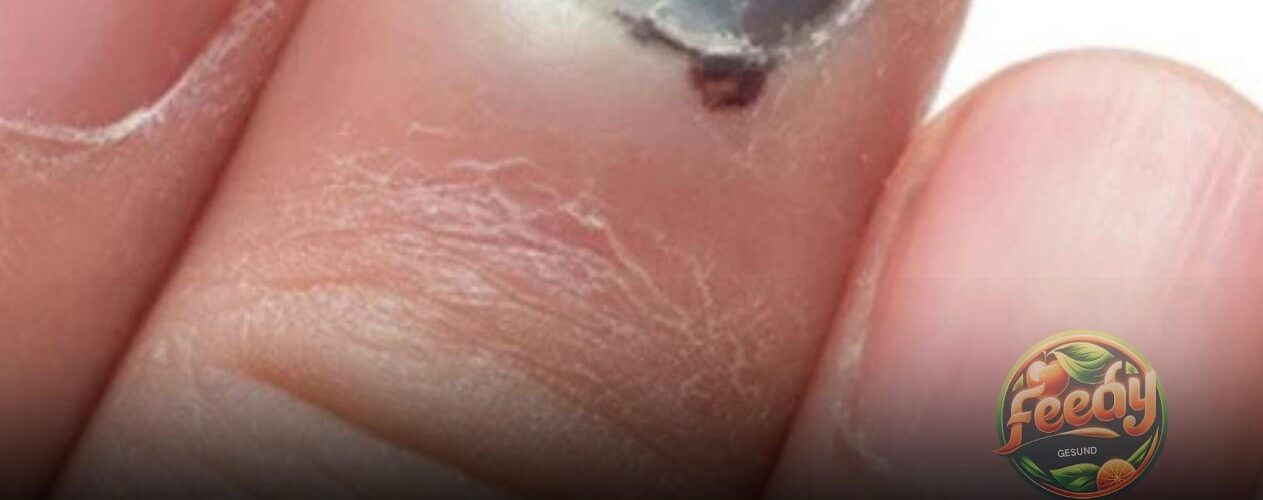
Ein scheinbar harmloser dunkler Streifen unter dem Fingernagel kann ein frühes Anzeichen für eine gefährliche Form von Melanom sein. Früherkennung kann Leben retten – Ignorieren kann einen Finger kosten. Nagelkrebs – insbesondere subunguales Melanom – ist zwar selten, aber extrem gefährlich, wenn er nicht rechtzeitig diagnostiziert und behandelt wird. Viele Menschen verwechseln frühe Anzeichen mit leichten Verletzungen oder Pilzinfektionen, wodurch die Krankheit unbemerkt fortschreitet und möglicherweise Metastasen bildet. Das Erkennen abnormaler Nagelveränderungen ist entscheidend für Ihre Gesundheit und Ihr Überleben.
Wann sollte ein Nagel ein Warnsignal sein? 
Ein brauner oder schwarzer vertikaler Streifen unter dem Nagel – insbesondere am Daumen oder großen Zeh – wird oft als Bluterguss oder leichte Verletzung abgetan. In seltenen Fällen kann dies jedoch ein frühes Anzeichen für ein subunguales Melanom sein , eine schwere Form von Hautkrebs mit hohem Metastasierungspotenzial und hoher Sterblichkeit.
Nach Angaben internationaler medizinischer Organisationen und Krankenhäuser in Vietnam macht das subunguale Melanom weltweit etwa 0,7–3,5 % aller Melanomfälle aus. Obwohl selten, ist die Prognose bei später Diagnose ungünstig: Sobald sich der Krebs ausgebreitet hat, sinkt die 5-Jahres-Überlebensrate auf 15–20 % .
Wie man von gutartigen Nagelerkrankungen unterscheidet
Verschiedene häufige Erkrankungen können ebenfalls zu einer Verfärbung oder Deformation der Nägel führen:
- Nageltrauma: Verursacht häufig subunguale Blutergüsse, die normalerweise schmerzhaft sind, eine gleichmäßig dunkle Farbe aufweisen und mit der Zeit heilen.
- Pilzinfektionen: Führen zu verdickten, gelben, brüchigen Nägeln, verursachen aber normalerweise keine vertikalen dunklen Streifen.
- Gutartige Nageltumore wie Onychomatrikom oder Onychopapillom können verdickte oder deformierte Nägel mit weißen oder roten Streifen verursachen.
Allerdings gibt es bei Nagelkrebs – insbesondere beim Melanom – einige deutliche Warnzeichen :
- Ein hartnäckiger brauner oder schwarzer vertikaler Streifen, der auch nach Wochen nicht verblasst.
- Ungleichmäßige Farbe mit unterschiedlichen Schattierungen; das Pigment kann sich auf die umgebende Haut ausbreiten (bekannt als Hutchinson-Zeichen ).
- Der Nagel löst sich vom Nagelbett, wird brüchig, schmerzt oder blutet.
- Keine Traumavorgeschichte – insbesondere bei älteren Erwachsenen oder Personen mit dunklerem Hautton.
Arten von Nagelkrebs
- Subunguales Melanom
- Die häufigste Form von Nagelkrebs.
- Entsteht aus pigmentproduzierenden Zellen unter dem Nagel.
- Wird oft mit einem Trauma oder einer Prellung verwechselt, was zu einer verzögerten Diagnose führt.
- Plattenepithelkarzinom (SCC)
- Präsentiert sich als verdickte, verkrustete, blutende Läsionen.
- Kann in den Knochen eindringen und Schmerzen und Nageldeformationen verursachen.
- Mithilfe der MRT lässt sich das Ausmaß der Invasion beurteilen.
- Morbus Bowen (Plattenepithelkarzinom in situ)
- Eine präkanzeröse Erkrankung.
- Erscheint als anhaltende rote, schuppige Flecken um den Nagel herum.
- Zur Bestätigung und frühzeitigen Behandlung ist eine Biopsie erforderlich.
Diagnose von Nagelkrebs
Um zu bestätigen, ob eine Nagelläsion krebsartig ist, können Dermatologen Folgendes durchführen:
- Dermatoskopie: Zur Beurteilung von Pigmentierungsmustern, Nagelrändern und der Ausbreitung auf die umgebende Haut.
- MRT des betroffenen Fingers/Zehs: Zur Beurteilung, wie tief die Läsion in das umliegende Gewebe oder den Knochen eingedrungen ist.
- Nagelbiopsie: Die einzige definitive Diagnosemethode, die eine Unterscheidung zwischen Melanomen, Plattenepithelkarzinomen oder gutartigen Tumoren ermöglicht.
Behandlung von Nagelkrebs
Bei subungualem Melanom oder Plattenepithelkarzinom ist die chirurgische Entfernung des Tumors die primäre Behandlung. In fortgeschrittenen Fällen kann eine teilweise oder vollständige Amputation des betroffenen Fingers oder Zehs erforderlich sein .
Wenn sich der Krebs ausgebreitet hat, kann je nach Stadium der Erkrankung eine Strahlentherapie , Chemotherapie oder Immuntherapie erforderlich sein.
Bei gutartigen Tumoren wie dem Onychomatrikom kann eine einfache chirurgische Entfernung das Aussehen und die Funktion des Nagels wiederherstellen.
Rat des Arztes
Einer der wichtigsten Faktoren für das Überleben ist die Früherkennung :
- Frühes Stadium (lokalisiert): Die 5-Jahres-Überlebensrate beträgt 90–95 % .
- Spätes Stadium (mit Metastasen): Die Überlebensrate sinkt auf unter 20 % .
Dermatologen empfehlen:
- Untersuchen Sie Ihre Nägel regelmäßig, insbesondere auf ungewöhnliche Streifen, hartnäckige Geschwüre oder Nagelablösungen, die nicht auf ein Trauma zurückzuführen sind.
- Vermeiden Sie die Selbstbehandlung ungewöhnlicher Nagelverletzungen mit Salben oder Nagelknipsern. Suchen Sie für eine genaue Diagnose einen Dermatologen oder plastischen Chirurgen auf.
- Personen mit Hautkrebs in der Familienanamnese oder früheren bösartigen Erkrankungen sollten besonders auf Veränderungen der Nägel und der umgebenden Haut achten.
Fazit:
Nagelkrebs ist eine seltene, aber ernste Erkrankung, die aufgrund unklarer Symptome oft übersehen wird. Frühzeitige Veränderungen an Ihren Nägeln können lebensrettend sein. Wenn Sie etwas Ungewöhnliches bemerken, suchen Sie umgehend einen Arzt auf – Ihre Gesundheit kann davon abhängen.
13 Early Signs of Kidney Failure (You Ignore Daily) | Symptoms of Kidney Failure
Kidney failure doesn’t happen overnight—it develops gradually. The kidneys are responsible for filtering toxins, balancing electrolytes, and regulating blood pressure. When they begin to fail, your body sends out warning signals. Unfortunately, many people ignore these early signs until it’s too late. Recognizing the symptoms early can make a life-saving difference.
In this article, we’ll reveal 13 early signs of kidney failure that you may be overlooking.
1. Persistent Fatigue and Weakness
When your kidneys can’t properly filter waste, toxins build up in the blood. This results in constant tiredness, low energy, and difficulty concentrating. If you feel exhausted even after a full night’s sleep, your kidneys may be struggling.
2. Swelling in Legs, Ankles, and Feet
Kidneys regulate fluid balance. When they fail, excess fluid accumulates in the body, leading to swelling (edema), especially in the lower limbs. Puffy feet or ankles at the end of the day are a warning sign not to ignore.
3. Changes in Urination
Pay close attention to your urine. Signs of kidney failure include:
- Foamy or bubbly urine (protein leakage)
- Frequent night urination
- Reduced urine output
- Dark-colored urine
These changes should raise immediate concern.
4. Shortness of Breath
Excess fluid can build up in the lungs, making it difficult to breathe. Additionally, anemia—common in kidney disease—contributes to breathlessness and dizziness.
5. Puffy Eyes in the Morning
Waking up with swollen or puffy eyes may mean your kidneys are leaking protein into your urine. This symptom often appears before other signs of kidney problems.
6. High Blood Pressure
Healthy kidneys regulate blood pressure by balancing salt and water. When they’re damaged, this process fails, leading to hypertension. Uncontrolled high blood pressure further damages the kidneys, creating a dangerous cycle.
7. Back or Side Pain
A dull ache in your lower back or along the side of your abdomen may point to kidney issues. While not always kidney-related, persistent discomfort should not be ignored.
8. Nausea and Vomiting
The buildup of waste in the blood can cause digestive issues such as nausea, vomiting, and loss of appetite. If these symptoms continue, they may be linked to kidney failure.
9. Metallic Taste in Mouth & Bad Breath
Kidney disease often causes a metallic taste in the mouth and ammonia-like breath due to toxin accumulation. Food may taste different, and you may lose interest in eating.
10. Itchy and Dry Skin
Healthy kidneys maintain mineral and nutrient balance. When they fail, imbalances can lead to persistent itching, dryness, or rashes. This subtle symptom is strongly linked to kidney problems.
11. Poor Concentration and Brain Fog
Excess toxins in the blood affect mental clarity. People with kidney disease often struggle with concentration, memory lapses, and confusion.
12. Loss of Appetite and Weight Loss
When the kidneys fail to filter waste, the body feels unwell, often resulting in a reduced appetite and unintentional weight loss.
13. Muscle Cramps and Restless Legs
Electrolyte imbalances—especially low calcium and high phosphorus—can cause painful cramps or twitching muscles. Restless legs at night may also signal declining kidney health.
Final Thoughts
Kidney failure is often called a “silent killer” because symptoms appear gradually and are easy to dismiss. If you notice two or more of these warning signs, consult a doctor immediately. Early detection, lifestyle changes, and proper treatment can slow or even prevent kidney damage.
👉 Takeaway: Don’t ignore these warning signals. Your kidneys work hard every day—protect them before it’s too late.
Everything You Need to Know About Eating Eggs Daily — Science-Backed Benefits & What to Watch For

For decades, eggs were unfairly criticized as a danger to heart health due to their cholesterol content.
But science has shifted: eggs are now recognized as one of the most nutrient-dense foods available — a natural superfood filled with high-quality protein, brain-boosting choline, and eye-protecting antioxidants.
So, is it safe to eat eggs every day?
Yes. For most people, eating one (or even two) eggs a day is not only safe — it’s highly beneficial.
This guide breaks down the key benefits, the rare risks, and the best ways to enjoy eggs as part of a healthy diet.
🥚 What’s Inside an Egg? A Nutritional Powerhouse
One large egg (about 50 g) provides:
- 70 calories – nutrient-dense and low in calories
- 6 g of complete protein – contains all 9 essential amino acids
- 5 g of healthy fats – including heart-friendly omega-3s in pasture-raised eggs
- Choline – supports brain health, liver function, and pregnancy
- Lutein & Zeaxanthin – antioxidants that protect vision
- Vitamin D – rare in foods, boosts bones and immunity
- B12, Selenium, Riboflavin – critical for energy and metabolism
📊 Fun fact: Eggs are so nutritionally complete, they’re often called “nature’s multivitamin.”
✅ 7 Proven Benefits of Eating Eggs Daily
- Boosts Brain Health
- High in choline, essential for memory, mood, and fetal brain development.
- Helps prevent fatty liver and supports detoxification.
- Protects Your Eyes
- Rich in lutein and zeaxanthin, reducing risk of macular degeneration and cataracts.
- Egg fats help your body absorb these antioxidants more effectively than from plants alone.
- Supports Weight Management
- Keeps you full longer due to protein and fat.
- Studies show egg breakfasts promote weight loss more than carb-heavy meals.
- Improves Heart Health
- Contrary to old myths, eggs generally do not increase heart disease risk.
- They raise HDL (“good”) cholesterol and make LDL particles less harmful.
- Note: People with type 2 diabetes should eat eggs in moderation.
- Promotes Hair, Skin, and Nail Health
- Nutrients like biotin and sulfur amino acids support stronger hair and clearer skin.
- Affordable, Versatile, and Easy to Cook
- Quick meals, adaptable to any cuisine, perfect for meal prep.
- Eco-Friendly (When Sourced Responsibly)
- Pasture-raised eggs have a smaller environmental impact and higher nutrient quality.
⚠️ Who Should Be Careful?
- Cholesterol-sensitive individuals (15–25% of people): May see higher cholesterol levels.
- People with type 2 diabetes: Very high intake could increase risk.
- Egg allergies: Common in children; avoid completely if allergic.
- Raw/undercooked eggs: Risk of Salmonella; always cook unless pasteurized.
🍳 Healthy & Delicious Ways to Eat Eggs
- Boiled as snacks or in salads
- Scrambled with vegetables
- Omelets with greens and cheese
- Poached on avocado toast
- Hard-boiled for meal prep
- Added to grain bowls or fried rice
💡 Tip: Pair eggs with vitamin C-rich foods (like bell peppers or citrus) to boost iron absorption.
🥣 Final Verdict: Yes, You Can Eat Eggs Every Day
For most people, 1–2 eggs daily is safe and highly nutritious.
Eggs are:
- Rich in essential nutrients
- Supportive of brain, eye, and heart health
- Easy, affordable, and delicious
👉 The bottom line: Eggs are not the problem — they’re part of the solution.
Simple food. Powerful nutrition. One egg at a time.
A 4-Year-Old Girl Nearly Lost Her Life Due to Diabetes, Parents Cried: “We Spoiled Her Too Much!”
Warning Signs
After the holidays, Lulu’s mother began noticing unusual changes. The once energetic child became sluggish and indifferent. She drank excessive amounts of water, urinated frequently, ate a lot but did not gain weight. Believing it was just part of growing up, and being busy herself, her mother paid little attention.
Emergency Crisis
One evening, after drinking soda, Lulu suddenly became weak, started breathing abnormally, then complained of stomach pain and vomited. Alarmed, her parents rushed her to the emergency department at the Second People’s Hospital of Yuhang District in Hangzhou, Zhejiang.
Dr. Cheng Li, the pediatric emergency physician, recalled:
“We found her blood sugar was 31.68 mmol/L—three times higher than normal. She was also in diabetic ketoacidosis, a dangerous complication of diabetes.”
Understanding Diabetic Ketoacidosis
According to Dr. Cheng Li, diabetic ketoacidosis occurs when the body lacks insulin, causing a buildup of ketones in the blood that leads to acidosis. It is a life-threatening complication, often seen in children with type 1 diabetes. Without timely emergency treatment, it can result in coma or death.
He explained further:
“Diabetes doesn’t only cause high blood sugar. It can lead to severe complications such as ketoacidosis, cardiovascular diseases (arteriosclerosis, hypertension, stroke), chronic kidney disease, and nerve damage causing numbness, loss of sensation, ulcers, and infections.”
The Mother’s Regret
Upon hearing this, Lulu’s mother broke down in tears, devastated by the consequences of indulging her child with sugary drinks. Thankfully, Lulu was treated in time, survived the crisis, and is now under close monitoring in the hospital.
A Broader Warning
Through Lulu’s case, Dr. Cheng Li urged families to be vigilant about the dangers of excessive soda consumption, especially for children. Besides diabetes and its complications, frequent intake of sugary drinks can increase the risk of cancer, cardiovascular disease, obesity, metabolic syndrome, osteoporosis, hormonal disorders, digestive problems, and tooth decay.
He emphasized:
“Childhood diabetes is rising, particularly when diets are overloaded with sugar and sweets. Since children are easily drawn to sweet flavors, parents must pay closer attention to their eating habits. Watch for warning signs such as excessive thirst, frequent urination, fatigue, and unexplained weight loss—these could be early indicators of diabetes.”