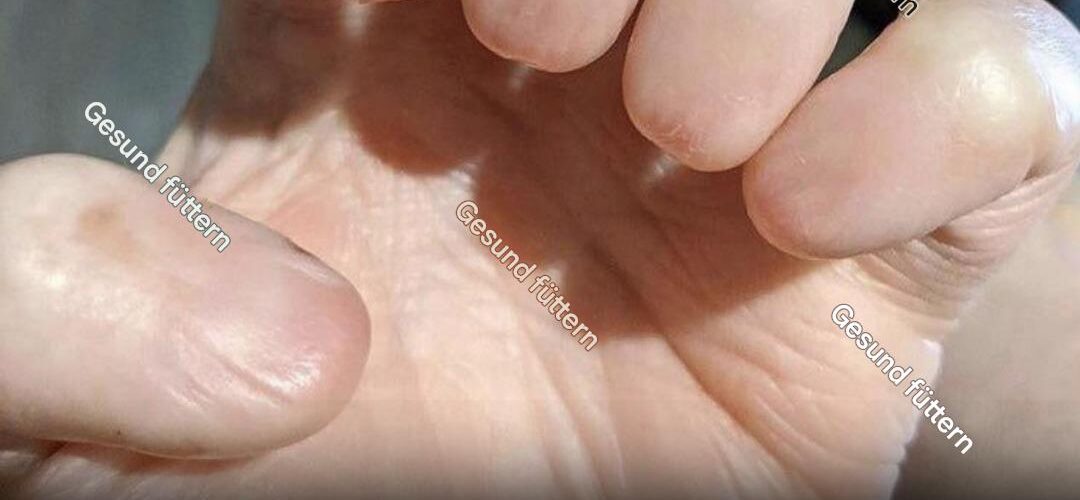
Anonychie ist eine sehr seltene Erkrankung, bei der die Nägel an einem oder mehreren Fingern oder Zehen entweder ganz fehlen oder stark unterentwickelt sind . Diese genetische Anomalie wirkt sich auf jeden Menschen unterschiedlich aus – bei manchen fehlen die Nägel vollständig , bei anderen wachsen die Nägel nur teilweise oder haben eine dünne Nagelplatte .
Dieser Artikel untersucht die neuesten Erkenntnisse zur Anonychie , ihre Klassifizierung, genetischen Ursachen und verfügbaren klinischen Ansätze. Er untersucht auch verwandte Syndrome, mit besonderem Schwerpunkt auf dem Cook-Syndrom , das die Komplexität dieser Erkrankung verdeutlicht.
Definition und Klassifizierung
Anonychie ist definiert als das Fehlen oder die Unterentwicklung der Nagelplatte an einem oder mehreren Fingern. Ist sie von Geburt an vorhanden, spricht man von kongenitaler Anonychie , die sowohl Finger- als auch Fußnägel betreffen kann . Je nach Schweregrad und Ausprägung wird die Erkrankung in verschiedene Typen eingeteilt:
✅ Totale angeborene Anonychie: Vollständiges Fehlen der Nägel an Händen und Füßen.
✅ Partielle angeborene Anonychie: Es fehlen nur einige Nägel.
✅ Erworbene Anonychie: Verursacht durch Traumata, Verletzungen oder Kontakt mit schädlichen Substanzen , die die Nagelmatrix dauerhaft schädigen.
In schweren Fällen kann die angeborene Anonychie mit Skelettanomalien einhergehen , die insbesondere die Endphalangen (Fingerspitzen/Zehenknochen) betreffen . Daher ist es wichtig, die genetischen Faktoren zu untersuchen, die der Störung zugrunde liegen.
Genetische Ursachen und assoziierte Faktoren
Die häufigste Ursache für angeborene Anonychie sind genetische Mutationen , die autosomal-dominant oder -rezessiv vererbt werden können . Einige Fälle deuten auf eine X-chromosomale Vererbung hin, d. h., die Krankheit kann sowohl Männer als auch Frauen betreffen , wobei die mütterliche Übertragung eine bedeutende Rolle spielt.
Die Rolle des SOX9-Gens
Genetische Studien haben Duplikationen auf dem Chromosom 17q24.3 identifiziert, die das SOX9-Gen betreffen , das eine entscheidende Rolle bei der Knorpelentwicklung und Chondrozytendifferenzierung spielt . Mutationen in SOX9 werden mit einer abnormalen Fingerentwicklung in Verbindung gebracht , einschließlich des Fehlens von Nägeln.
Cook-Syndrom: Ein Modell für angeborene Anonychie
Das Cook-Syndrom wurde 1985 von Cook et al. beschrieben und ist eine bekannte familiäre Anonychie-Erkrankung, die gekennzeichnet ist durch:
✔ Total absence of toenails on some or all toes
✔ Underdeveloped fingernails (nail hypoplasia)
✔ Brachydactyly (short fingers or toes), particularly affecting the thumb or little fingers
✔ Absent or malformed distal phalanges in hands and feet
Most studies suggest an autosomal dominant inheritance pattern, though other genetic transmission pathways may exist. Research continues to identify the exact gene responsible for this syndrome, with 17q24.3 microduplications frequently linked to nail and bone development abnormalities.
Clinical Presentation of Anonychia
Congenital anonychia manifests as partial or total nail absence. The severity varies among individuals: some may have small, fragile nails, while others lack any visible nail structure.
⚠ While the condition is not painful or life-threatening, it can significantly affect self-esteem and social interactions.
⚠ If bone abnormalities are present, hand or foot functionality may be mildly impaired.
📌 Diagnostic imaging (X-rays) is often used to assess skeletal anomalies. In Cook Syndrome, defects in distal phalanges are commonly observed.
Diagnosis of Anonychia
A precise diagnosis is crucial for differentiating anonychia from other conditions causing nail loss (e.g., chronic infections, trauma, or dermatological diseases). Diagnosis typically involves:
🔬 Clinical evaluation – Examining the absence or reduction of the nail plate.
🧬 Family history analysis – Identifying hereditary patterns.
📸 Imaging tests (X-rays) – Checking for associated bone malformations.
🧪 Genetic testing – Detecting mutations in SOX9 or related genes.
Management and Treatment Options
There is currently no cure to regenerate missing nails when the nail matrix is underdeveloped. However, several approaches can improve quality of life:
✔ Finger-/Zehenschutz – Da Nägel als natürlicher Schutz fungieren, können weiche Bandagen oder Fingerschützer Traumata vorbeugen .
✔ Rehabilitationstherapie – Beschäftigungstherapie oder Physiotherapie können die Hand- und Fußfunktion verbessern , insbesondere bei Brachydaktylie oder Deformitäten .
✔ Psychologische Unterstützung – Beratung hilft Patienten, mit Bedenken hinsichtlich des Selbstwertgefühls und sozialer Angst umzugehen .
✔ Ästhetische Lösungen – Künstliche Nagelprothesen und kosmetische Verbesserungen können für ein natürliches Aussehen sorgen .
Lebensqualität und emotionale Unterstützung
Obwohl Anonychie weder Schmerzen noch erhebliche Behinderungen verursacht , können die sozialen und emotionalen Auswirkungen erheblich sein. Manche Betroffene fühlen sich unsicher oder haben Angst, ihre Hände oder Füße zu zeigen. Umfassende emotionale Unterstützung ist unerlässlich, um den Zustand zu normalisieren und soziale Isolation zu verhindern .
👥 Selbsthilfegruppen und Familienaufklärung spielen eine entscheidende Rolle dabei, den Patienten das Gefühl zu geben, verstanden und gestärkt zu werden.
💬 Der Kontakt mit anderen Menschen mit Anonychie kann beruhigend und förderlich für das emotionale Wohlbefinden sein.
Abschluss
Anonychie ist eine seltene genetische Erkrankung , die sich als teilweises oder vollständiges Fehlen der Nägel manifestieren kann und sowohl Finger- als auch Fußnägel betrifft . Ihre Ursache liegt in genetischen Mutationen , insbesondere im SOX9-Gen , und den damit verbundenen Chromosomenvariationen .
Eine der am besten dokumentierten Erkrankungen im Zusammenhang mit Anonychie ist das Cook-Syndrom , bei dem Nägel fehlen und Skelettanomalien auftreten .
Da es keine kurative Behandlung gibt, konzentriert sich die Behandlung auf klinische Unterstützung, psychisches Wohlbefinden und funktionelle Rehabilitation . Laufende genetische Forschung verbessert weiterhin die Diagnoseinstrumente und kann zu zukünftigen Fortschritten bei der Behandlung führen .
15 Deadly Kidney Signs You Must Catch Early
Kidneys are the silent workhorses of the human body. They filter toxins, balance fluids, regulate blood pressure, support red blood cell production, and even contribute to bone health. When your kidneys begin to fail, the impact spreads throughout your entire system. The frightening part is that kidney disease often develops quietly. By the time symptoms are obvious, significant damage may already have taken place. Recognizing the warning signs early can mean the difference between effective management and life-threatening complications.
Below are 15 dangerous kidney warning signs you must not ignore.
1. Persistent Fatigue
When the kidneys can no longer filter waste effectively, toxins accumulate in the blood. This buildup leaves you feeling constantly drained, sluggish, and struggling to focus on daily tasks.
2. Swelling in Ankles, Feet, or Hands
Healthy kidneys maintain the body’s fluid balance. When they fail, excess fluid collects in tissues, leading to puffiness or edema—most noticeable in the legs, ankles, and feet.
3. Blood in Urine
Urine that appears pink, red, or cola-colored may signal that your kidneys are leaking blood. This can be a symptom of infection, kidney stones, or in severe cases, cancer.
4. Foamy or Bubbly Urine
Excessive bubbles or foam in urine often indicate protein leakage, a classic sign of kidney damage and impaired filtration.
5. Frequent or Reduced Urination
Needing to urinate much more often (especially at night) or far less than usual are both red flags for kidney malfunction.
6. Pain in the Lower Back or Side
Kidney pain is usually sharp and felt on one side of the lower back, just under the rib cage. It may be caused by stones, infection, or progressive kidney disease.
7. Constant Itching
When toxins build up in the bloodstream due to reduced filtration, they can trigger relentless itching beneath the skin.
8. Shortness of Breath
Kidney failure can cause fluid buildup in the lungs or reduce oxygen-carrying red blood cells. As a result, you may feel out of breath after minimal activity.
9. Puffy Eyes
Persistent swelling around the eyes may be one of the earliest signs that the kidneys are leaking protein into the urine.
10. Muscle Cramps
Electrolyte imbalances, such as abnormal calcium or phosphorus levels caused by kidney dysfunction, often lead to painful muscle cramps.
11. Metallic Taste in the Mouth
A constant metallic taste or bad breath (known as uremic breath) often occurs when waste products accumulate in the bloodstream.
12. Poor Appetite and Nausea
As toxins rise due to kidney failure, they can lead to nausea, vomiting, and a sharp decline in appetite.
13. High Blood Pressure
Kidneys regulate blood pressure. When they are damaged, hypertension develops—and in turn, high blood pressure further harms the kidneys, creating a dangerous cycle.
14. Difficulty Sleeping
Insomnia or restless leg syndrome are common among those with kidney disease, often linked to toxin buildup and hormonal disruption.
15. Trouble Thinking Clearly
Brain fog, confusion, and memory issues may occur when waste products accumulate in the blood and affect brain function.
Protecting Your Kidneys
Early detection is the key to protecting your kidney health. If you notice any of the above warning signs, consult a healthcare professional immediately. Alongside medical evaluation, lifestyle adjustments play an important role:
- Drink plenty of water
- Limit salt intake
- Avoid excessive use of painkillers
- Control blood sugar and blood pressure
- Follow a kidney-friendly diet
Final Thoughts
Your kidneys quietly keep your body balanced every single day. Do not ignore subtle signs of trouble—what may seem like minor changes could be lifesaving warnings. By recognizing these 15 deadly kidney signs early, you give yourself the best chance to preserve kidney health and maintain overall well-being.
13 Early Signs of Kidney Failure (You Ignore Daily) | Symptoms of Kidney Failure
Kidney failure doesn’t happen overnight—it develops gradually. The kidneys are responsible for filtering toxins, balancing electrolytes, and regulating blood pressure. When they begin to fail, your body sends out warning signals. Unfortunately, many people ignore these early signs until it’s too late. Recognizing the symptoms early can make a life-saving difference.
In this article, we’ll reveal 13 early signs of kidney failure that you may be overlooking.
1. Persistent Fatigue and Weakness
When your kidneys can’t properly filter waste, toxins build up in the blood. This results in constant tiredness, low energy, and difficulty concentrating. If you feel exhausted even after a full night’s sleep, your kidneys may be struggling.
2. Swelling in Legs, Ankles, and Feet
Kidneys regulate fluid balance. When they fail, excess fluid accumulates in the body, leading to swelling (edema), especially in the lower limbs. Puffy feet or ankles at the end of the day are a warning sign not to ignore.
3. Changes in Urination
Pay close attention to your urine. Signs of kidney failure include:
- Foamy or bubbly urine (protein leakage)
- Frequent night urination
- Reduced urine output
- Dark-colored urine
These changes should raise immediate concern.
4. Shortness of Breath
Excess fluid can build up in the lungs, making it difficult to breathe. Additionally, anemia—common in kidney disease—contributes to breathlessness and dizziness.
5. Puffy Eyes in the Morning
Waking up with swollen or puffy eyes may mean your kidneys are leaking protein into your urine. This symptom often appears before other signs of kidney problems.
6. High Blood Pressure
Healthy kidneys regulate blood pressure by balancing salt and water. When they’re damaged, this process fails, leading to hypertension. Uncontrolled high blood pressure further damages the kidneys, creating a dangerous cycle.
7. Back or Side Pain
A dull ache in your lower back or along the side of your abdomen may point to kidney issues. While not always kidney-related, persistent discomfort should not be ignored.
8. Nausea and Vomiting
The buildup of waste in the blood can cause digestive issues such as nausea, vomiting, and loss of appetite. If these symptoms continue, they may be linked to kidney failure.
9. Metallic Taste in Mouth & Bad Breath
Kidney disease often causes a metallic taste in the mouth and ammonia-like breath due to toxin accumulation. Food may taste different, and you may lose interest in eating.
10. Itchy and Dry Skin
Healthy kidneys maintain mineral and nutrient balance. When they fail, imbalances can lead to persistent itching, dryness, or rashes. This subtle symptom is strongly linked to kidney problems.
11. Poor Concentration and Brain Fog
Excess toxins in the blood affect mental clarity. People with kidney disease often struggle with concentration, memory lapses, and confusion.
12. Loss of Appetite and Weight Loss
When the kidneys fail to filter waste, the body feels unwell, often resulting in a reduced appetite and unintentional weight loss.
13. Muscle Cramps and Restless Legs
Electrolyte imbalances—especially low calcium and high phosphorus—can cause painful cramps or twitching muscles. Restless legs at night may also signal declining kidney health.
Final Thoughts
Kidney failure is often called a “silent killer” because symptoms appear gradually and are easy to dismiss. If you notice two or more of these warning signs, consult a doctor immediately. Early detection, lifestyle changes, and proper treatment can slow or even prevent kidney damage.
👉 Takeaway: Don’t ignore these warning signals. Your kidneys work hard every day—protect them before it’s too late.
If You See Someone With Prominent Green Veins, Tell Them This – It Could Save Their Life
According to some experts, veins can reveal aspects of human health because they reflect abnormal changes caused by external environmental factors.
Most often, veins can be observed on the head, eyes, hands, legs, and other parts of the body. The “green veins” you see beneath the skin are veins themselves. If these veins appear prominently in certain areas, it may be a serious health warning.
Prominent Green Veins as a Health Warning
When veins become visibly pronounced on the skin, they not only affect appearance but may also signal hidden health risks. You should not ignore these signs and should seek medical advice. Experts point out that many internal health conditions can be observed through veins. Essentially, veins may reveal a part of your overall health condition, influenced by both internal and external factors.
Veins on the Hands and Fingers
Some people have visible veins on their hands, while others do not. Which condition reflects better health?
- Pronounced veins under the skin of the hands are often linked to waste accumulation in the lower back and waist area, leading to tension, fatigue, back pain, and even muscle stiffness.
- Veins appearing on the fingers—especially in older individuals—may indicate digestive issues and also reflect abnormalities in microcirculation, cerebrovascular insufficiency, headaches, dizziness, and in severe cases, stroke.
- Veins near the thumb that appear twisted and obvious may point to coronary artery sclerosis, even signaling potential heart attacks.
- Veins around the middle finger may suggest cerebral arteriosclerosis.
- Veins at the finger joints may reflect stomach problems, chronic constipation, hemorrhoids, or even cancer. However, if the condition improves, these veins often fade and may eventually disappear.
Veins on the Chest and Abdomen
Visible veins in these areas signal the need to pay closer attention to chest health, breast conditions, and emotional well-being.
More seriously, abdominal veins may indicate cirrhosis or tumors. Because of this, veins in this area are considered significant warning signs and are difficult to treat if overlooked.
Veins on the Legs
Why do green veins appear on the legs?
This condition often results from swollen joints or rheumatoid arthritis. If untreated over time, it may worsen and become more dangerous, making treatment difficult in later stages.
Veins on the Head
When veins on the head become noticeably swollen, it is important to watch for symptoms such as dizziness, vertigo, and headaches. These may indicate cerebral arteriosclerosis, increasing the risk of stroke.
Veins on the forehead are usually linked to prolonged stress and work-related pressure.
Veins on the Nose and Around the Mouth
- Prominent veins on the nose reveal harmful toxins in the digestive system. People with this symptom may frequently experience abdominal pain, bloating, indigestion, constipation, and even a bluish complexion.
- Green veins around the mouth often indicate gynecological problems, vaginal health issues, fatigue, lower back pain, or arthritis in the legs.
👉 Conclusion: Visible veins on the body are more than cosmetic concerns. They may serve as early warnings of underlying health problems. If you notice these signs, consult a doctor promptly to ensure timely diagnosis and treatment.