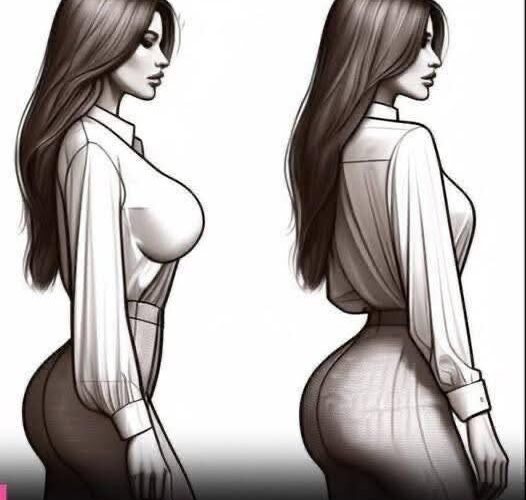
Die Wahrnehmung der Brustgröße ist seit langem von Mythen und Überzeugungen umgeben. Viele Frauen fragen sich, ob die Größe ihrer Oberweite Auswirkungen auf die hormonelle Gesundheit oder andere Aspekte des Wohlbefindens haben kann. In diesem Artikel untersuchen wir diesen Zusammenhang, räumen mit gängigen Missverständnissen auf und geben natürliche Gesundheitstipps für Frauen aller Körpertypen.
Die Biologie hinter der Brustgröße
Die Brustgröße einer Frau wird hauptsächlich durch Genetik und Hormone beeinflusst. Hormone wie Östrogen und Progesteron spielen eine zentrale Rolle bei der Entwicklung des Brustgewebes. Während der Pubertät trägt ein steigender Hormonspiegel zum Brustwachstum bei. Auch andere Faktoren wie Alter, Gewicht und Lebensstil können die Brustgröße beeinflussen.
Es ist wichtig zu beachten, dass kleine Brüste nicht unbedingt auf gesundheitliche Probleme hinweisen. Jeder Körper ist einzigartig, und die Oberweite ist kein verlässlicher Indikator für den allgemeinen Gesundheitszustand. Einige Theorien legen nahe, dass die Brustgröße mit der Hormonproduktion und Aspekten des weiblichen Wohlbefindens korreliert, dies ist jedoch keine Regel.
Mythen und Wahrheiten über Brustgröße und hormonelle Gesundheit
Einer der häufigsten Mythen ist, dass Frauen mit kleinen Brüsten weniger weiblich oder weniger gesund seien. Diese Vorstellung entbehrt jeder wissenschaftlichen Grundlage. Gesundheit und Weiblichkeit werden nicht durch die Brustgröße bestimmt, sondern durch eine Kombination aus geistigem, emotionalem und körperlichem Wohlbefinden. So kann beispielsweise eine Frau mit kleinen Brüsten dank einer ausgewogenen Ernährung und eines aktiven Lebensstils dennoch eine ausgezeichnete hormonelle Gesundheit genießen.
Einige Studien deuten darauf hin, dass Frauen mit größerer Oberweite einem etwas höheren Risiko für bestimmte gesundheitliche Probleme wie Diabetes oder Herzkrankheiten ausgesetzt sind, die oft mit Übergewicht in Zusammenhang stehen. Das bedeutet jedoch nicht, dass alle Frauen mit großen Brüsten ungesund sind. Jeder Körper ist einzigartig, und die Kontrolle des Hormonhaushalts und der allgemeinen Gesundheit ist weitaus wichtiger als die Maße.
Tipps zur Aufrechterhaltung einer optimalen hormonellen Gesundheit
Unabhängig von Ihrer Oberweite ist der Schutz des Hormonhaushalts unerlässlich. Hier sind einige Strategien:
- Ausgewogene Ernährung: Essen Sie eine Vielzahl nährstoffreicher Lebensmittel, darunter Obst, Gemüse, mageres Eiweiß und gesunde Fette. Omega-3-reiche Lebensmittel wie Fisch und Nüsse sind besonders hilfreich für die hormonelle Gesundheit.
- Regelmäßige Bewegung: Körperliche Aktivität hilft, ein gesundes Gewicht zu halten und unterstützt den Hormonhaushalt. Wählen Sie Aktivitäten, die Ihnen Spaß machen – Spazierengehen, Yoga, Schwimmen oder Sport.
- Stressbewältigung: Chronischer Stress bringt den Hormonhaushalt durcheinander. Übungen wie Achtsamkeit, Meditation und Entspannungstechniken können helfen, das Gleichgewicht wiederherzustellen.
- Natürliche Nahrungsergänzungsmittel: Einige Studien deuten darauf hin, dass Nahrungsergänzungsmittel wie Nachtkerzenöl oder Mönchspfeffer den Menstruationszyklus regulieren und den Hormonhaushalt unterstützen können. Konsultieren Sie vor der Einnahme von Nahrungsergänzungsmitteln immer einen Arzt.
Natürliche Heilmittel für die Gesundheit von Frauen
Neben den Lebensgewohnheiten können einige natürliche Heilmittel das Wohlbefinden der Frau unterstützen:
- Salbeitee: Salbeiaufgüsse sind dafür bekannt, dass sie bei der Regulierung weiblicher Hormone helfen, und können das Gleichgewicht unterstützen.
- Maca-Wurzel: Dieses Superfood wird für seine energiesteigernde und hormonstabilisierende Wirkung gelobt und ist in Pulver- oder Kapselform erhältlich.
- Ingwertee: Ingwer ist ein natürliches entzündungshemmendes Mittel, das auch zur Regulierung des Menstruationszyklus und zur Verbesserung der allgemeinen Gesundheit beitragen kann.
Abschluss
Die Brustgröße sollte kein Grund zur Sorge sein, wenn es um die Gesundheit geht. Was wirklich zählt, ist das allgemeine Wohlbefinden, das sowohl das hormonelle als auch das körperliche Gleichgewicht umfasst. Durch richtige Ernährung, regelmäßige Bewegung, Stressbewältigung und natürliche Heilmittel können Frauen ihre Gesundheit unabhängig von ihrer Körperform unterstützen.
Denken Sie immer daran, einen Arzt zu konsultieren, bevor Sie größere Änderungen an Ihrer Ernährung oder Ihrem Lebensstil vornehmen. Sich um sich selbst zu kümmern ist der erste Schritt zu dauerhaftem Wohlbefinden.
Why Do Some Men Keep Their Pinky Fingernails Long?
A Curious Tradition with Deep Cultural and Historical Roots
At first glance, it might seem like an insignificant detail—just one fingernail, usually the pinky, grown longer than the rest. Yet across different cultures and historical periods, this small act has carried surprising meaning. From power and intellect to practicality and even rebellion, the long pinky nail has been far more than a fashion choice—it is a layered symbol of status, culture, and identity.
A Status Symbol in Ancient Civilizations
In ancient China, the long pinky nail was a mark of privilege and refinement. Aristocrats and intellectuals, unburdened by manual labor, could afford to let their nails grow long. A single extended nail—often the pinky—became a subtle yet powerful declaration of wealth and social class.
Some went further, protecting their nails with ornate sheaths of gold or jade. These accessories were not just decoration but emblems of superiority. Even today, in parts of China, particularly among older generations or professions like taxi drivers, the long pinky nail is still worn as a quiet sign of pride or aspiration.
Beyond Class: A Symbol of Intellect
The meaning of the nail extended beyond wealth. In both Chinese and Greek traditions, a long pinky nail was associated with scholarship and intellectual pursuits. Scholars and poets sometimes grew their pinky nail long as a reflection of their devotion to ideas rather than physical work.
Like spectacles or a fountain pen, the nail symbolized thoughtfulness and refinement. It was a silent but expressive statement of one’s inner life.
Practical Uses: Utility Over Symbolism
Outside of symbolism, practicality also explains the tradition. In countries like Turkey and India, a long pinky nail was often used as a handy tool. From peeling fruit to scratching off labels or opening wrappers, the nail served everyday purposes.
In this way, it shifted from cultural marker to practical instrument, valued for its usefulness in daily tasks.
From Counterculture to Controversy
By the 20th century, the long pinky nail took on new and sometimes controversial meanings. In the 1970s and 1980s, particularly in the West, it became associated with subcultures like glam rock or hip-hop. More controversially, it was linked—fairly or unfairly—with recreational drug use, as the nail could be used as a makeshift tool for handling substances.
This association gave the nail a rebellious edge, sometimes overshadowing its historical symbolism. Yet for others, it was embraced simply as a style choice—a personal expression rather than a cultural or functional statement.
A Fluid Tradition: Different Meanings in Different Contexts
Perhaps the most fascinating aspect of the long pinky nail is its fluidity. It can signify nobility, intellect, utility, rebellion, or style—depending entirely on time and place.
This fluidity also invites misunderstandings. One person may wear it as a nod to cultural heritage or as a practical tool, while another may misinterpret it as a symbol of something negative. Understanding its varied roots helps to foster empathy rather than judgment.
The Pinky Nail as a Personal Statement
Ultimately, the long pinky nail is deeply personal. For some, it honors tradition. For others, it’s a practical tool, a marker of rebellion, or simply a stylistic flourish.
What matters is that this small detail tells a big story. Whether it whispers of ancient dynasties, reflects everyday convenience, or speaks through modern subcultures, the long pinky nail remains a striking example of how something so small can carry such rich meaning.
Wives’ breast cancer risk linked to husbands’ unhealthy habits
A husband’s habits have more influence on his wife’s health than people may even imagine. Even minor decisions, like missing workouts or smoking, can silently impose long-term risks, including those relating to the breast.
Although a woman’s own diet, physical activity and daily habits play crucial roles for her health, research suggests that a husband’s lifestyle choices as well can make an impact.

A supportive husband doesn’t just provide emotional support, he can also help make sure his wife stays healthy.
Two everyday habits men have can influence women’s breast health in subtle ways, experts say. Couples who address these behaviors as a team can not only improve their health, but also enhance their bond.
- A Sedentary Lifestyle — How One Partner’s Inactivity Affects the Other
Although it may not always be obvious, a husband’s lack of activity can shape his wife’s daily routines over time. In long-term relationships, couples tend to mirror one another’s behaviors, so if one spends extended periods of time sitting, misses exercise, or has irregular eating habits, the other may fall into the same rhythm over time.
Scientificresearchlinks physical inactivity and body fat to raised risk of breast issues, particularly in women over 40. Being inactive may upset hormone balance, for example, estrogen, and raise the risk of abnormal cell growth in breast tissue. As the couple settles into an inactive routine, it is increasingly hard to be energetic or maintain healthy weight.
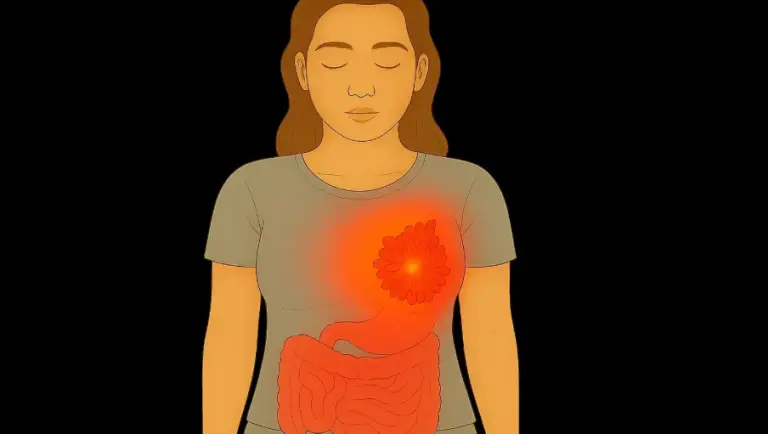
- Smoking — A Hidden Hazard to a Wife’s Health
Smoking is an underrated hazard in the home. Even if a man smokes outdoors or in another room, poisonous particles cling to his clothes, hair, skin, and furniture. This “third-hand smoke” has a long life — several hours after a cigarette has been stubbed out — still poisoning loved ones with cancer-inducing chemicals.
Women, especially those who are premenopausal, are at higher risk of breast problems when they are consistently exposed to second-hand or third-hand cigarette smoke. The World Health Organization estimates that women having smokers in the home are likely to have a 20–30% higher risk compared to their counterparts in smoke-free homes.
The dangers don’t end there with breast health.
Secondary smoke increases the chances of heart disease, lung disease, and reproductive issues. A husband does not even have to smoke in front of his wife. The leftover chemicals he brings into shared spaces can be harmful by themselves. 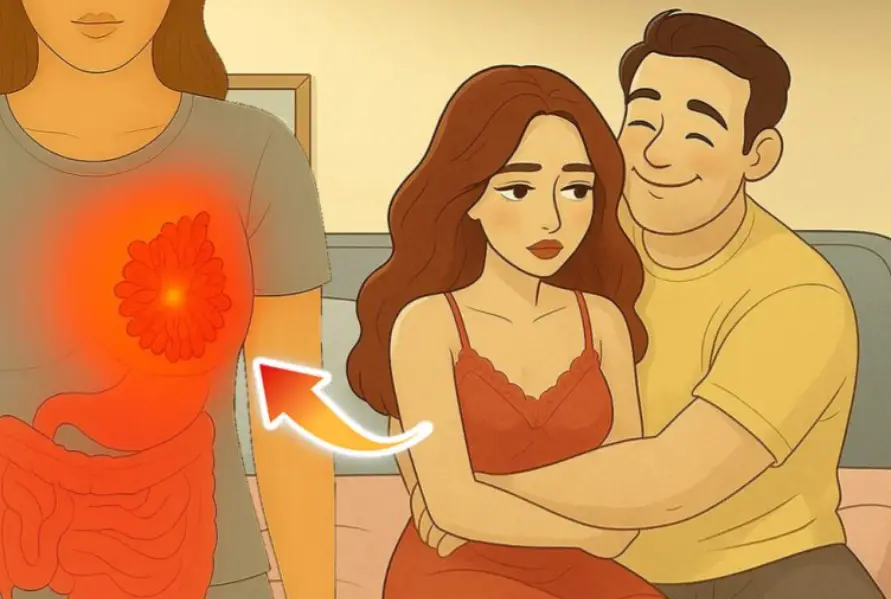
This is confirmed by evidence: astudyin theBritish Journal of Cancerfound that non-smoking women exposed to secondhand smoke had a 24% higher risk of breast cancer, and risk was higher with longer and more intense exposure. Similarly, a Japanese study showed a dose-response association between husbands’ smoking and risk of breast cancer in women.
Remember that small routine changes can help couples remain healthier and develop a healthier relationship.
Why Do Some People Have Smile Lines and Dimples While Others Don’t?
When you look around, you’ll notice that some people have clear smile lines or dimples on their cheeks, while others don’t. These little facial features often spark curiosity: Why do they appear? Do they mean anything about our health or personality? Let’s dive into the science and symbolism behind them.
What Are Smile Lines and Dimples?
Smile lines, also known as nasolabial folds, are the natural creases that run from the sides of the nose to the corners of the mouth. They become more noticeable when we smile or laugh, but in some people, they remain visible even at rest.
Dimples, on the other hand, are small indentations that appear when a person smiles. Unlike wrinkles, dimples aren’t caused by aging — they’re the result of a unique muscle structure beneath the skin.
Why Do Some People Have Them?
- Genetics
The presence of dimples is mostly determined by genetics. If one or both parents have dimples, there’s a good chance their children will inherit them. Dimples occur because of a variation in the facial muscle called the zygomaticus major. In people with dimples, this muscle splits into two bundles, pulling the skin inwards and creating the small indentation. - Age and Skin Elasticity
Smile lines, however, can be influenced by both genetics and lifestyle. As we age, collagen and elastin in the skin decrease, making these folds more prominent. Factors such as sun exposure, smoking, and repeated facial expressions can also make smile lines appear earlier or deeper. - Facial Structure
People with certain bone and muscle structures naturally show deeper smile lines. A fuller cheek area, for example, often makes these lines more noticeable.
Symbolism and Cultural Meanings
Throughout history, dimples and smile lines have been associated with charm and attractiveness. Many cultures view dimples as a sign of beauty, luck, and even good fortune. In some places, children born with dimples are believed to bring happiness to their families.
Smile lines, while sometimes seen as a sign of aging, can also reflect a life filled with joy and laughter. They’re often called “laugh lines” because they’re literally formed by years of smiling.
Do They Mean Anything About Health?
While dimples themselves don’t carry any health implications, smile lines can sometimes reflect lifestyle habits. People with strong smile lines at a young age may simply have expressive faces, but they may also have skin that has been exposed to sun damage or dehydration. Maintaining a healthy diet, staying hydrated, and protecting skin from UV rays can help slow their deepening.
Embracing Your Unique Features
Whether you have dimples, smile lines, both, or neither — these features make you unique. In fact, many people find dimples to be endearing and smile lines to be a badge of a joyful life. Instead of seeing them as flaws, think of them as natural signatures of who you are.
Final Thoughts
Dimples and smile lines are fascinating examples of how our genetics, lifestyle, and emotions leave marks on our faces. They don’t define your health or personality, but they do tell a story — a story of heritage, of laughter, and of individuality.
So next time you see someone with clear smile lines or dimples, remember: behind those little marks are years of expression and a beauty that is uniquely their own.