
Die nichtalkoholische Fettlebererkrankung (NAFLD) – auch metabolische Dysfunktion-assoziierte Steatotische Lebererkrankung (MASLD) genannt – ist die Ansammlung von überschüssigem Fett in der Leber. Sie ist eng mit Übergewicht, Insulinresistenz und Bewegungsmangel verbunden. Viele Betroffene haben keine Symptome, manche berichten jedoch von Müdigkeit, Unwohlsein oder Beschwerden unter den rechten Rippen. Das Risiko steigt bei abdominaler Adipositas, Typ-2-Diabetes, PCOS, Bluthochdruck oder Cholesterin, geringer Aktivität und höherem Alter.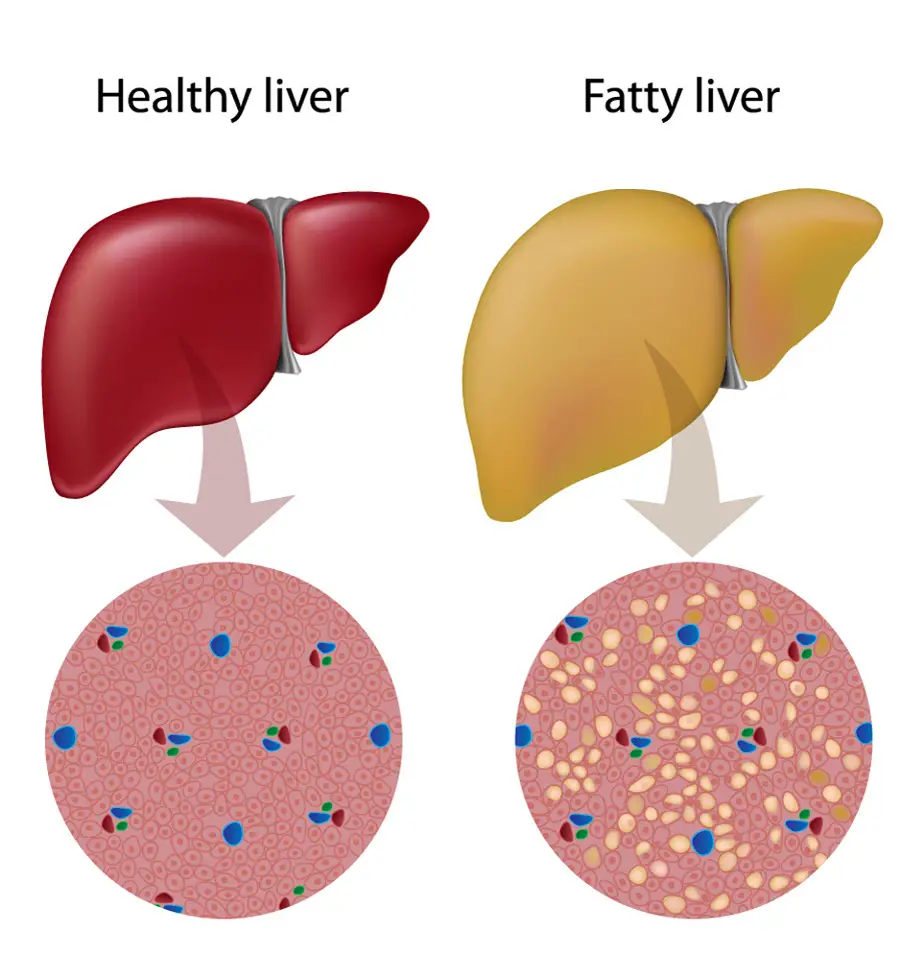
Die Qualität der Ernährung ist entscheidend. Studien deuten darauf hin, dass Obstsorten, die reich an Polyphenolen, Ballaststoffen und antioxidativen Pigmenten sind, dazu beitragen können, Leberfett zu reduzieren und Stoffwechselwerte langfristig zu verbessern. Nachfolgend finden Sie drei Obstsorten mit den besten Belegen – und unkomplizierte Verzehrmöglichkeiten.
1) Blaubeeren – Anthocyan-Kraftpakete

Blaubeeren sind reich an Anthocyanen, starken Antioxidantien, die:
- Helfen Sie, oxidativen Stress und leichte Entzündungen zu begrenzen, die zu NAFLD beitragen
- Unterstützt einen gesünderen Umgang mit Glukose (bessere Insulinsensitivität)
- Kann die Lipidprofile leicht verbessern (z. B. niedrigeres LDL in einigen Studien)
Anwendung
- Streben Sie an den meisten Tagen etwa eine halbe Tasse (≈75 g) frisches oder gefrorenes Essen an (4–5 Mal/Woche ist ein gutes Ziel).
- Mit Spinat und griechischem Joghurt mischen oder über Haferflocken streuen.
- Wählen Sie ganze Beeren statt gesüßter Säfte (so bleiben die Ballaststoffe erhalten und Zuckerspitzen werden vermieden).
- Bio ist optional, kann aber die Pestizidbelastung reduzieren.
2) Äpfel – Ballaststoffe + Polyphenole für einen gesunden Stoffwechsel

Äpfel liefern lösliche Ballaststoffe (Pektin) und Polyphenole (z. B. Quercetin), die:
- Bindet einige Nahrungsfette und Cholesterin im Darm und unterstützt so die Ausscheidung
- Verlangsamte Kohlenhydrataufnahme zur Stabilisierung des Blutzuckerspiegels
- Bietet antioxidativen Schutz für Leberzellen
Anwendung
- Essen Sie täglich einen ganzen Apfel (mit Schale); für viele Menschen sind zwei ausreichend.
- Wählen Sie ballaststoffreichere Sorten wie Granny Smith oder Fuji.
- Einfache Ideen: ein Snack mit Nussbutter; mit Zimt überbacken; in Karotten-Walnuss-Salat gerieben.
- Verzichten Sie auf zu süße Soßen/Kompotte, die Ballaststoffe und Nährstoffe entziehen.
3) Avocados – herzgesunde Fette, die sättigen
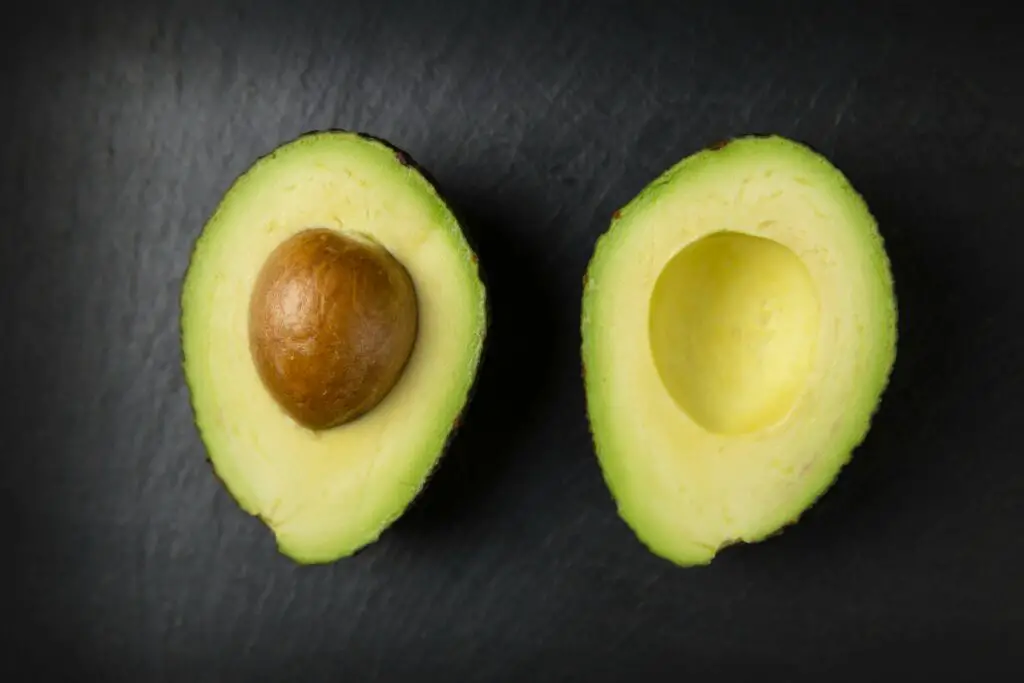
Avocados liefern einfach ungesättigte Fette, Ballaststoffe und Vitamin E, die:
- Unterstützt die Insulinempfindlichkeit und einen stabileren Blutzuckerspiegel
- Hilft, den LDL-Cholesterinspiegel zu senken, wenn es anstelle von raffinierten Kohlenhydraten oder gesättigten Fettsäuren verwendet wird
- Liefern Antioxidantien, die leberbedingte Entzündungen lindern können
Anwendung
- ½ Avocado pro Tag (ca. 120 kcal) ist eine sinnvolle Portion, 3–5 Mal/Woche.
- Belegen Sie Vollkorntoast mit Tomaten, mischen Sie es mit Zitrone in grüne Salate oder pürieren Sie es mit Naturjoghurt für einen schnellen Dip.
- Wählen Sie reife Früchte, die bei leichtem Druck leicht nachgeben.
Einfacher Wochenplan (Beispiel)
- An den meisten Tagen: ½ Tasse Blaubeeren zum Frühstück.
- Täglich: 1 Apfel mit Schale als Snack oder Dessert.
- 3–5 Tage/Woche: ½ Avocado zum Mittagessen im Salat oder auf Toast.
Zusätzliche Tipps für bessere Ergebnisse
- Kombinieren Sie diese Früchte mit einem allgemeinen mediterranen Muster: Gemüse, Hülsenfrüchte, Vollkorn, Nüsse, Samen, Fisch, Olivenöl.
- Priorisieren Sie Gewichtskontrolle, regelmäßige körperliche Aktivität (≥ 150 Minuten/Woche moderates Training) und Schlaf.
- Begrenzen Sie zugesetzten Zucker, zuckerhaltige Getränke, hochverarbeitete Snacks und hohen Alkoholkonsum.
Sicherheitshinweise
- Wenn Sie Diabetes haben, passen Sie die Portionen an und überwachen Sie den Blutzucker (Obst zählt immer noch zu den Kohlenhydraten).
- Wenn Sie lipidsenkende oder Diabetesmedikamente einnehmen, informieren Sie Ihren Arzt über die Änderungen Ihrer Ernährung.
- Obst allein kann eine Fettleber nicht rückgängig machen – denken Sie an Ernährungsgewohnheiten + Bewegung + Gewichtskontrolle über Wochen bis Monate.
Fazit: Der regelmäßige Verzehr von Blaubeeren, Äpfeln und Avocados – im Rahmen einer ausgewogenen, kaloriengerechten Ernährung – kann die Lebergesundheit unterstützen, zu einem stabileren Blutzuckerspiegel und einem gesünderen Cholesterinspiegel beitragen.
Garlic and Clove: Two Treasures for Your Health
.jpg)
What if the secrets to better health were hidden right in your kitchen? Between a simple garlic clove and a small dried bud of clove lies a world of healing potential. These two natural ingredients, often used separately in cooking, may actually offer powerful benefits when appreciated for their medicinal value. Get ready to be surprised by the health treasures you’ve been overlooking!
🧄 Garlic: A Superfood in Your Pantry
Garlic has been cherished for centuries, not just for its flavor but also for its therapeutic properties. Known as a natural antibiotic, garlic is packed with allicin, a compound released when fresh garlic is crushed or chopped.
Key Benefits of Garlic:
- Boosts Immunity: Helps your body fight infections naturally.
- Improves Circulation: Supports healthy blood flow and reduces blood pressure.
- Lowers Cholesterol: Helps balance cholesterol levels for a healthier heart.
- Fights Inflammation: May ease joint pain and chronic inflammation.
From soups to roasted meats, garlic has long been a star in Mediterranean and Asian diets—bringing both taste and wellness to the table.
🌸 Clove: The Tiny Flower with Big Powers
Clove, the dried flower bud of the Syzygium aromaticum tree, is more than just a fragrant spice for desserts and mulled wine. In traditional medicine, cloves have been used as a remedy for centuries thanks to their eugenol content, a natural compound with powerful health effects.
Key Benefits of Clove:
- Relieves Toothache: Clove oil is a well-known natural pain reliever for dental issues.
- Rich in Antioxidants: Helps combat free radicals and slow down cellular aging.
- Supports Digestion: Reduces bloating, gas, and stomach discomfort.
- Anti-Microbial Properties: Fights harmful bacteria and supports oral health.
Despite its small size, clove carries immense healing power, making it a staple in both spice racks and natural remedy kits.
🌿 Garlic and Clove Together: A Hidden Synergy
Individually, garlic and clove are impressive—but together, they can form a health-boosting duo. When combined in teas, natural tonics, or even simple home remedies, they may:
- Strengthen your immune defense during seasonal changes.
- Support cardiovascular wellness by improving blood circulation.
- Enhance digestion and reduce stomach discomfort.
- Provide antimicrobial protection against infections.
This pairing isn’t just about adding flavor—it’s about unlocking an ancient wellness secret right in your kitchen.
🍵 Simple Ways to Use Garlic and Clove
- Immune-Boosting Tea: Steep a crushed garlic clove and a few whole cloves in hot water, strain, and sip with honey.
- Cooking Combination: Add garlic and clove together when seasoning meats, stews, or broths.
- Digestive Tonic: Mix clove powder and garlic extract in warm water for soothing stomach relief.
🌱 Conclusion
Garlic and clove are more than just spices—they’re nature’s hidden treasures. By including them in your diet and natural health routine, you can enjoy a simple yet powerful way to boost your immunity, protect your heart, and support overall wellness.
Next time you step into your kitchen, remember: those little cloves of garlic and the tiny dried clove buds might just be the keys to a healthier, more vibrant life.
9 Warning Signs of Diabetes You Might Be Overlooking
Diabetes is a chronic health condition characterized by elevated blood sugar levels. According to the Cleveland Clinic, it affects around 11% of the American population—approximately 37.3 million people. The early signs of diabetes are often subtle, overlooked, or mistaken for minor health issues. However, early diagnosis and treatment are crucial. Recognizing these early symptoms could help prevent complications and protect long-term health. Below are nine warning signs you should not ignore.
1. Skin Tags

Skin tags are small, harmless growths that can form on various parts of your body. Some are attached firmly to the skin, while others dangle from a small stalk. Medically known as acrochordons, these tags often appear in areas such as the underarms, groin, neck, and even the eyelids. While generally benign, skin tags can also indicate underlying conditions such as type 2 diabetes. If you notice sudden or frequent skin tag development, it’s best to consult a doctor to determine the cause.
2. The Appearance of Small Bumps

People with diabetes may develop high triglyceride levels, a type of fat circulating in the bloodstream. Elevated triglycerides can cause a condition known as eruptive xanthomatosis, which manifests as small bumps on the skin. In lighter skin tones, these bumps may appear yellowish, while in darker skin tones they often look grayish. Commonly found on the thighs, buttocks, knees, and elbows, these bumps are often itchy and tender.
3. Feeling Unusually Drained

While occasional tiredness is normal, especially during busy times, fatigue associated with diabetes is persistent and doesn’t go away even after rest. Both type 1 and type 2 diabetes can cause fatigue for multiple reasons: fluctuating blood sugar levels, medication side effects, or being overweight. Chronic fatigue should not be dismissed and may be a key sign of underlying diabetes.
4. Dark Patches of Skin

Dark, velvety patches of skin—typically found on the neck, armpits, or groin—can indicate a condition called acanthosis nigricans. This discoloration does not wash away and may be one of the earliest signs of prediabetes or diabetes, often linked to insulin resistance. While it is not contagious and can also occur in people without diabetes, it should still be checked by a healthcare professional.
5. Excessive Thirst and Frequent Urination’

Constant thirst paired with frequent urination is one of the most common early symptoms of diabetes. When blood sugar rises, the kidneys work overtime to filter out excess glucose. Once overwhelmed, they release the excess sugar into the urine. This process draws fluids from the body, causing dehydration and triggering persistent thirst.
6. Blurry Vision
Uncontrolled blood sugar can damage blood vessels and nerves, including those connected to the eyes. This may lead to conditions such as diabetic retinopathy, macular edema, glaucoma, and cataracts. Swelling of the eye lens can also cause blurry vision. Doctors often recommend stabilizing blood sugar before getting new eyeglasses, as fluctuating sugar levels can affect vision accuracy.
7. Wounds That Heal Slowly
High blood sugar levels damage blood vessels, reducing circulation and hindering the delivery of oxygen and nutrients to the skin. As a result, cuts, bruises, and other wounds may heal slowly. Additionally, elevated blood sugar weakens the immune system, making it harder for the body to fight infections effectively.
8. Unexpected Weight Loss
Sudden, unexplained weight loss—especially if it occurs rapidly over weeks or months—may indicate diabetes. This happens because the body cannot properly absorb glucose from food. Instead, it begins breaking down fat and muscle for energy, leading to unintended weight loss.
9. Tingling and Numb Skin

High blood sugar can damage small nerves, resulting in diabetic neuropathy. This condition often causes numbness, tingling, burning sensations, or the feeling of socks bunched up under the toes. These symptoms commonly affect the hands, feet, and arms. If you notice these sensations, consult a doctor. A simple blood test can determine whether you have prediabetes or diabetes.
Final Note
Many of these warning signs may appear minor or unrelated, but together they can point to diabetes or prediabetes. If you notice one or more of these symptoms, don’t ignore them. Early diagnosis and treatment can make a significant difference in preventing complications and maintaining your health.
Oropharyngeal Cancer: Not Just Caused by Smoking
For many people, smoking has long been considered the leading cause of throat cancer. In reality, this is not entirely accurate.
Professor Hisham Mehanna, an expert at the Institute of Cancer and Genomic Sciences, University of Birmingham (UK), explained:
“In both the UK and the US, oropharyngeal cancer is now more common than cervical cancer.”
The Main Cause: Oral Sex
According to Professor Mehanna, the most significant risk factor for this disease is not smoking, but rather the number of lifetime sexual partners, especially when it comes to oral sex.
- Individuals with six or more oral-sex partners are 8.5 times more likely to develop oropharyngeal cancer than those who do not engage in oral sex.
- The main reason lies in the transmission of HPV (Human Papillomavirus)—a sexually transmitted virus capable of causing precancerous changes in the throat.
More Research Is Needed
Scientists have delved into the mechanisms behind this link but have also acknowledged that:
- Current knowledge is still incomplete.
- More long-term, in-depth studies are required to better confirm the relationship between HPV, oral sex, and oropharyngeal cancer.
👉 In summary: Smoking remains an important risk factor, but it is no longer considered the number one culprit. Unprotected sexual activity—especially oral sex—has emerged as an increasingly prominent risk for oropharyngeal cancer in modern society.