
Jede Frau sollte wissen, dass Nelken ihre Gesundheit deutlich verbessern können. Dieses Gewürz verleiht Gerichten nicht nur Tiefe und Aroma, sondern gilt auch als wertvoller Verbündeter in der Naturheilkunde. Seit der Antike spielen Nelken aufgrund ihrer antioxidativen, entzündungshemmenden und antimikrobiellen Eigenschaften eine wichtige Rolle in der traditionellen Medizin. Dieser Artikel beleuchtet die vielen Vorteile von Nelken und stellt einfache Hausmittel vor, die Sie leicht selbst zubereiten können.
Gewürznelken werden aus den Blütenknospen des Syzygium aromaticum- Baums gewonnen. Diese kleinen, aromatischen Knospen werden nicht nur in der Küche, sondern auch in traditionellen Heilmethoden geschätzt. Zu ihren wichtigsten Vorteilen zählen Schmerzlinderung, Infektionsprävention und Verdauungsunterstützung. Darüber hinaus wird ihr intensives süß-würziges Aroma häufig in der Aromatherapie eingesetzt, um Entspannung und Wohlbefinden zu fördern.
Gesundheitliche Vorteile von Nelken
Nelken sind nicht nur eine kulinarische Zutat, sondern bieten auch mehrere bemerkenswerte gesundheitliche Vorteile:
- Antimikrobielle Eigenschaften : Gewürznelken enthalten Eugenol, eine Verbindung, die dafür bekannt ist, Bakterien und Pilze zu bekämpfen, und daher zur Vorbeugung von Infektionen nützlich ist.
- Schmerzlinderung : Ihre schmerzstillende Wirkung wird in der Zahnmedizin besonders geschätzt. Viele Zahnärzte empfehlen Nelkenöl zur Linderung von Zahnschmerzen vor der Behandlung.
- Unterstützung der Verdauung : Nelken helfen, Blähungen und Verdauungsstörungen zu reduzieren, indem sie die Produktion von Verdauungsenzymen anregen.
- Antioxidative Kraft : Als reichhaltige Quelle an Antioxidantien helfen Gewürznelken, freie Radikale zu neutralisieren und schützen die Zellen vor Schäden und vorzeitiger Alterung.
Wie man natürliche Heilmittel mit Nelken herstellt
1. Nelkentee
Eine tolle Möglichkeit, Nelken in Ihren Alltag zu integrieren, ist die Zubereitung von Tee:
- 2 Tassen Wasser zum Kochen bringen.
- 4–5 ganze Zehen hinzufügen und 10 Minuten köcheln lassen.
- Die Flüssigkeit abseihen und nach Belieben etwas Honig hinzufügen.
- Trinken Sie es zur Linderung von Magenbeschwerden oder als entspannenden Aufguss vor dem Schlafengehen.
2. Nelkendampfinhalation
Die Dampftherapie hilft, den Körper zu entgiften und die Durchblutung zu verbessern. Mit Nelken können Sie die Wirkung verstärken:
- Bringen Sie einen großen Topf Wasser zum Kochen und geben Sie eine Handvoll Nelken hinzu.
- Sobald es kocht, nehmen Sie den Topf vom Herd, halten Sie Ihr Gesicht in die Nähe des Topfes (halten Sie dabei einen Sicherheitsabstand ein) und bedecken Sie Ihren Kopf mit einem Handtuch, um den Dampf aufzufangen.
- Atmen Sie den Dampf 5–10 Minuten lang ein, um Ihre Haut und Atemwege zu reinigen.
3. Nelkentinktur
Dieses Mittel ist nützlich zur Linderung von Zahn- oder Zahnfleischschmerzen:
- Geben Sie getrocknete Nelken in ein kleines Glasgefäß.
- Füllen Sie das Glas mit 70 % Alkohol, um die Zehen vollständig zu bedecken.
- Lassen Sie es mindestens 2 Wochen an einem dunklen Ort stehen und schütteln Sie es gelegentlich.
- Verwenden Sie einige Tropfen (vor Gebrauch gut schütteln) und tragen Sie sie direkt auf das betroffene Zahnfleisch auf.
Vorsichtsmaßnahmen bei der Verwendung von Nelken
Obwohl Gewürznelken in kulinarischen Mengen im Allgemeinen unbedenklich sind, sind bestimmte Vorsichtsmaßnahmen erforderlich:
- Pregnant or breastfeeding women should consult a doctor before using cloves as a supplement or remedy.
- Some individuals may be allergic to cloves, so it’s best to test with a small amount before widespread use.
Conclusion
Cloves are more than just a kitchen spice — they are a powerful tool in natural healing. By incorporating this spice into your daily life, you not only enjoy its unique flavor but also benefit from its therapeutic properties. Take advantage of clove-based home remedies to boost your overall health and experience the positive changes that come from nature’s simplest gifts.
Grounding with Trees: How Barefoot Earthing and Tree Energy Can Restore Balance

Modern life often pulls us away from nature, leaving many people feeling drained, stressed, and disconnected. One simple yet powerful way to regain inner balance is through grounding with trees—standing barefoot on the earth while physically connecting with a tree. This practice blends the benefits of earthing with the calming presence of trees, creating a natural cycle of renewal for both body and mind.
How to Practice Tree Grounding (Step by Step)
- Find the right tree
Choose a healthy tree in a quiet natural space. Oaks, pines, or other strong, well-rooted trees are ideal. Most importantly, pick one you feel drawn to. - Remove your shoes
Stand barefoot on the soil near the tree’s roots. This direct contact with the earth allows energy exchange to take place. - Place your hands on the tree
Gently rest your palms against the bark. You can also hug the tree or simply touch it with both hands. - Breathe deeply
Inhale slowly, filling your lungs with fresh air. Exhale stress and tension, allowing your body to relax. - Visualize the energy cycle
Imagine your stress and heavy energy flowing down through your feet into the earth. Picture the tree’s roots absorbing and transforming it, then sending back fresh, light energy through the trunk into your hands and heart. - Stay for 15–30 minutes
Give yourself enough time to settle into this connection. With practice, you may notice a deep sense of calm, clarity, and renewal.
Benefits of Grounding with Trees
🌳 For the Body
- Reduces physical tension: Standing barefoot and leaning on a tree relaxes muscles and joints.
- Improves circulation: Direct contact with the earth stimulates reflex zones and enhances blood flow.
- Supports immune balance: Time in forested areas has been shown to boost natural killer cells and strengthen immunity.
- Restores energy: Many people feel recharged and less fatigued after grounding with trees.
- Improves sleep: The calming influence of tree energy and earth contact supports deeper, more restful sleep.
🌳 For the Mind
- Releases stress and anxiety: Trees naturally calm the nervous system and lower cortisol levels.
- Clears mental fog: Quiet time with a tree enhances focus, creativity, and clarity.
- Encourages mindfulness: Touching a tree while barefoot brings awareness into the present moment.
- Supports emotional healing: The cycle of releasing stress and receiving calm energy can feel deeply therapeutic.
- Fosters connection: Being embraced by a living tree nurtures belonging, peace, and inner balance.
Why Trees Matter in Grounding

Trees are living beings rooted in the earth and reaching toward the sky. Their role in grounding is both symbolic and energetic:
- Roots: Anchor deep into the soil, connecting with steady earth energy.
- Trunk: Acts as a channel of flow and stability.
- Branches and leaves: Stretch upward, drawing in sunlight and air to complete the life cycle.
By placing your hands on a tree while standing barefoot, you connect to this living circuit—grounding your body while uplifting your mind.
Final Thoughts
Grounding with trees is more than just a calming ritual—it is a way to reconnect with the natural world and restore balance. Barefoot contact stabilizes your energy, while tree connection helps cleanse and renew it. Practiced regularly, this simple act can:
✔ Reduce stress
✔ Improve sleep
✔ Ease physical tension
✔ Boost energy and immunity
✔ Nurture emotional well-being
The next time you feel drained or overwhelmed, step outside, take off your shoes, and place your hands on a tree. Let the earth and tree remind you of your natural rhythm—a rhythm that heals and restores both body and mind.
Science backs it up: 3 fruits that fight fatty liver, regulate sugar and cholesterol
Non-alcoholic fatty liver disease (NAFLD)—also called metabolic dysfunction–associated steatotic liver disease (MASLD)—is the buildup of excess fat in the liver. It’s closely linked to excess body weight, insulin resistance, and sedentary lifestyle. Many people have no symptoms, though some report fatigue, feeling unwell, or discomfort under the right ribs. Risk increases with abdominal obesity, type 2 diabetes, PCOS, high blood pressure or cholesterol, low activity levels, and older age.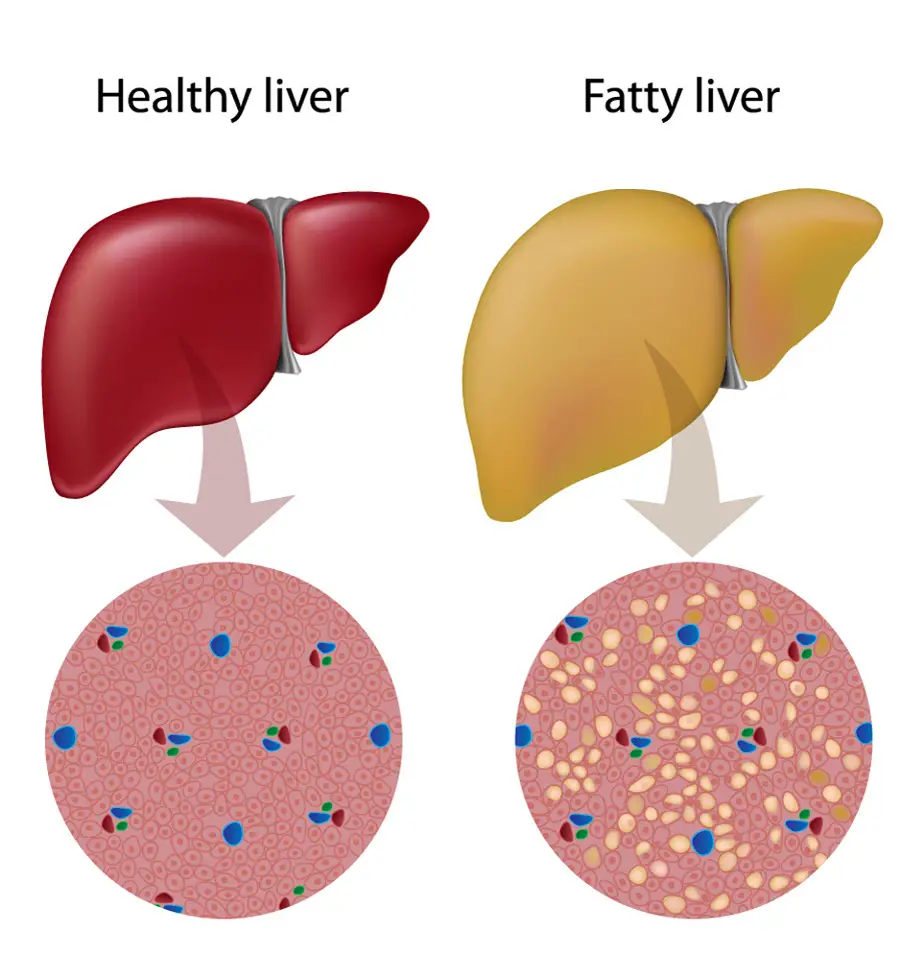
Diet quality matters. Research suggests that fruit patterns rich in polyphenols, fiber, and antioxidant pigments can help reduce liver fat and improve metabolic markers over time. Below are three fruits with the best supportive evidence—plus no-fuss ways to eat them.
1) Blueberries — Anthocyanin Powerhouses
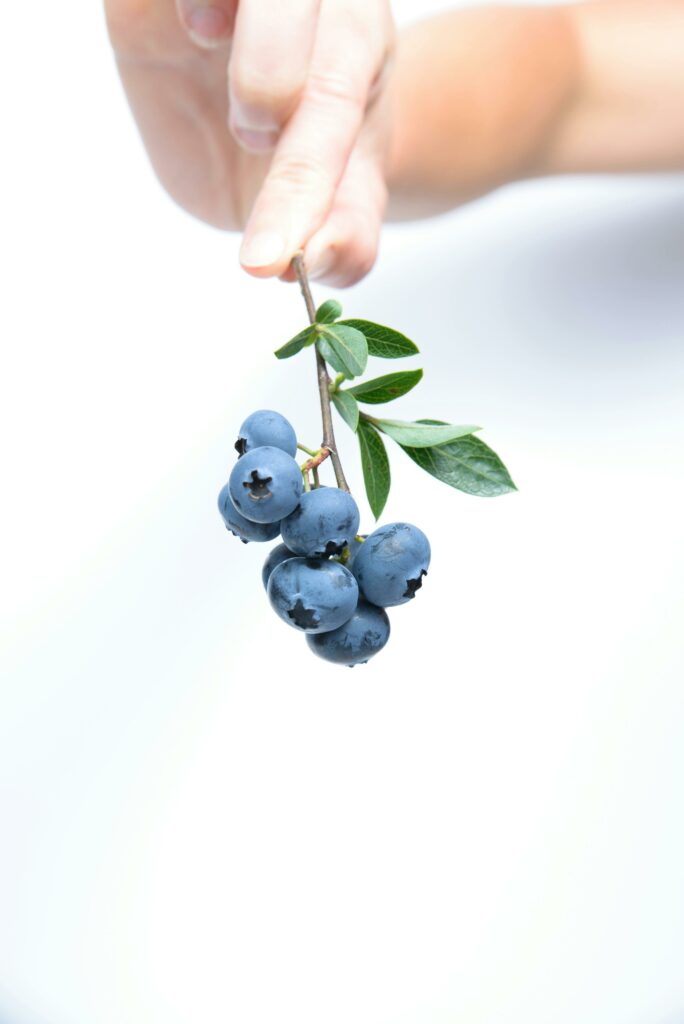
Blueberries are rich in anthocyanins, potent antioxidants that:
- Help limit oxidative stress and low-grade inflammation that contribute to NAFLD
- Support healthier glucose handling (better insulin sensitivity)
- May modestly improve lipid profiles (e.g., lower LDL in some studies)
How to use
- Aim for ~½ cup (≈75 g) fresh or frozen most days (4–5 times/week is a good target).
- Blend with spinach and Greek yogurt, or scatter over oatmeal.
- Choose whole berries over sweetened juices (you keep the fiber and avoid sugar spikes).
- Organic is optional but can reduce pesticide exposure.
2) Apples — Fiber + Polyphenols for Metabolic Health
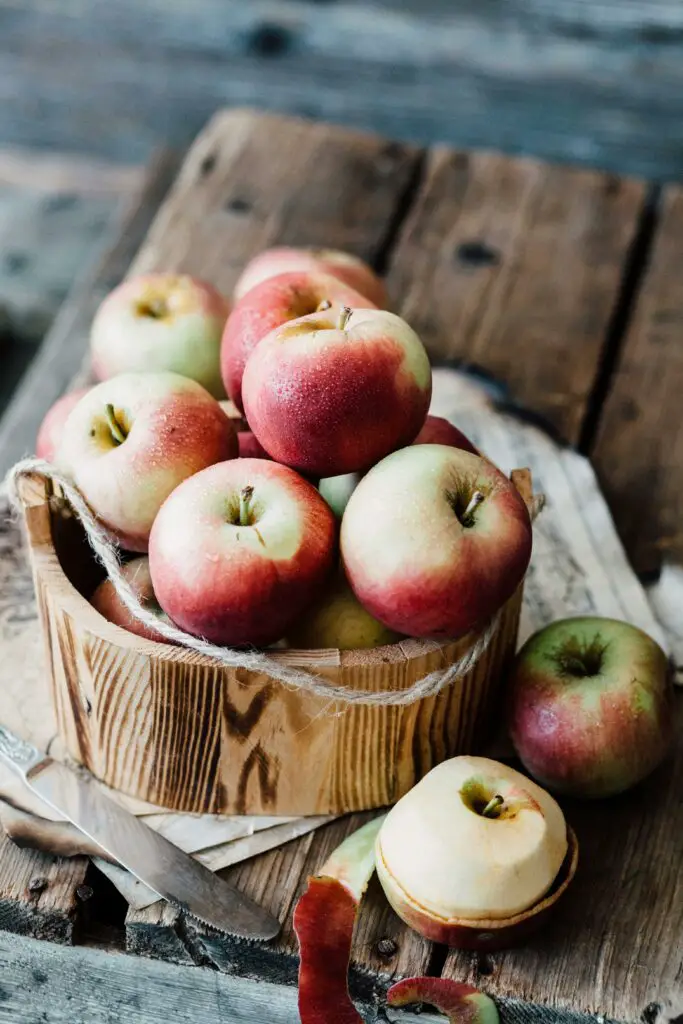
Apples provide soluble fiber (pectin) and polyphenols (e.g., quercetin) that:
- Bind some dietary fats and cholesterol in the gut, aiding excretion
- Slow carbohydrate absorption to steady blood sugar
- Offer antioxidant protection to liver cells
How to use
- Eat one whole apple (skin on) daily; two is fine for many people.
- Pick higher-fiber types like Granny Smith or Fuji.
- Easy ideas: a snack with nut butter; baked with cinnamon; grated into carrot-walnut salad.
- Skip overly sweet sauces/compotes that strip fiber and nutrients.
3) Avocados — Heart-Healthy Fats That Satiate

Avocados deliver monounsaturated fats, fiber, and vitamin E that:
- Support insulin sensitivity and more stable blood sugar
- Help nudge LDL cholesterol down when used in place of refined carbs or saturated fat
- Provide antioxidants that can calm liver-related inflammation
How to use
- ½ avocado per day (about 120 kcal) is a practical portion, 3–5 times/week.
- Layer on whole-grain toast with tomato, toss into green salads with lemon, or puree with plain yogurt for a quick dip.
- Choose ripe fruit that yields slightly to gentle pressure.
Simple Weekly Plan (example)
- Most days: ½ cup blueberries at breakfast.
- Daily: 1 apple with skin as a snack or dessert.
- 3–5 days/week: ½ avocado at lunch in a salad or on toast.
Extra Tips for Better Results
- Pair these fruits with an overall Mediterranean-style pattern: vegetables, legumes, whole grains, nuts, seeds, fish, olive oil.
- Prioritize weight management, regular physical activity (≥150 minutes/week of moderate exercise), and sleep.
- Limit added sugars, sugary drinks, ultra-processed snacks, and heavy alcohol intake.
Safety Notes
- If you have diabetes, adjust portions and monitor glucose (fruit still “counts” toward carbs).
- If you’re on lipid-lowering or diabetes medications, keep your clinician in the loop as your diet changes.
- Fruit alone won’t reverse fatty liver—think diet pattern + movement + weight control over weeks to months.
Bottom line: Consistently eating blueberries, apples, and avocados—within a balanced, calorie-appropriate diet—can support liver health, steadier blood sugar, and healthier cholesterol levels.
Benefits of Euphorbia Hirta
Euphorbia hirta, also known in many regions as asthma weed or milkweed, is a medicinal plant that has been valued for centuries across different cultures due to its remarkable healing properties. Traditionally found in warm and tropical climates, this plant has been widely documented in both folk medicine and modern scientific research. Its therapeutic effects range from treating respiratory issues to supporting skin health and digestive balance.
In this article, we will explore its lesser-known uses, highlight its major health benefits, and provide safe, practical instructions for preparing home remedies using Euphorbia hirta.
Key Health Benefits of Euphorbia Hirta
1. Respiratory Support (Asthma & Cough Relief)
Euphorbia hirta is best known for its effectiveness in easing asthma symptoms, which is why it is often called asthma weed. The plant’s natural compounds help relax the bronchial muscles, making it easier to breathe. It is also used to calm persistent coughs, sore throats, and symptoms of bronchitis.
2. Digestive Health
Traditionally, Euphorbia hirta has been used to treat intestinal infections, stomachaches, and diarrhea. Its natural antibacterial and antiparasitic properties make it effective against harmful pathogens in the gut, helping restore digestive balance.
3. Skin Care
The plant’s latex and extracts are applied topically to heal wounds, rashes, warts, and fungal infections. Its anti-inflammatory and antimicrobial actions promote faster healing and help protect the skin from secondary infections.
4. Immune System Boost
Rich in bioactive compounds, Euphorbia hirta supports the immune system by fighting free radicals and strengthening the body’s natural defense mechanisms. This makes it beneficial in preventing infections and supporting overall wellness.
5. Urinary and Reproductive Health
In traditional medicine, Euphorbia hirta has been used to relieve urinary tract infections and regulate menstrual cycles. Its diuretic effect also helps cleanse the urinary system.
6. Anti-Inflammatory and Pain Relief
The plant contains natural compounds that reduce inflammation and discomfort, making it useful for conditions such as arthritis, muscle pain, and general body aches.
How to Use Euphorbia Hirta Safely
1. Herbal Tea (Infusion)
- Take a handful of fresh or dried Euphorbia hirta leaves.
- Wash thoroughly and boil in 3–4 cups of water for 10–15 minutes.
- Strain and drink warm.
- Recommended for respiratory issues, digestive problems, or general immunity support.
2. Topical Application
- Crush the fresh leaves to extract their juice.
- Apply directly to skin infections, rashes, or wounds.
- Always test on a small patch of skin first to ensure no allergic reaction.
3. Decoction for Cough and Asthma
- Boil the whole plant (leaves, stems, and flowers) in water.
- Trinken Sie es in kleinen Dosen, um Asthmasymptome zu lindern und anhaltenden Husten zu beruhigen.
Sicherheitsvorkehrungen
- Euphorbia hirta sollte in Maßen verwendet werden. Übermäßiger Verzehr kann zu Magenreizungen führen.
- Schwangere oder stillende Frauen sollten vor der Anwendung einen Arzt konsultieren.
- Achten Sie immer auf die korrekte Identifizierung der Pflanze, da einige Euphorbia-Arten giftig sein können.
Abschließende Gedanken
Euphorbia hirta ist eine wirksame, vielseitige Heilpflanze mit Wirkungen von Asthmalinderung über Hautheilung bis hin zur Verdauungsgesundheit. Obwohl sie in der traditionellen Medizin seit Jahrhunderten geschätzt wird, sollte sie stets verantwortungsvoll und wenn möglich unter fachärztlicher Anleitung angewendet werden. Mit einfachen Mitteln wie Tees, Dekokten und äußerlichen Anwendungen können Sie die natürliche Heilkraft dieser bemerkenswerten Pflanze sicher nutzen.