
Viele Menschen ignorieren jahrelang Schmerzen, Schwellungen und ungewöhnliche Veränderungen an ihren Füßen und denken, sie kämen nur von langen Tagen oder engen Schuhen. Doch anhaltende Schmerzen und ungewöhnliche Symptome können in Wirklichkeit Signale Ihres Körpers über tieferliegende Gesundheitsprobleme sein. Ihre Füße sind wie ein Fenster zur Gesundheit Ihres Körpers – sie offenbaren Warnsignale, die Sie vielleicht nie vermuten würden.
Warum Ihre Füße eine Goldgrube für die Gesundheit sind
Ihre Füße sind mehr als nur das Fundament Ihres Körpers – sie spiegeln Ihren allgemeinen Gesundheitszustand wider. Sie sind voller Nerven, Blutgefäße und Knochen und zeigen oft als Erstes Anzeichen von systemischen Problemen wie Diabetes, Herzerkrankungen oder Nervenschäden. Veränderungen in Aussehen, Empfindung oder Funktion können auf andere Probleme hinweisen. Wenn Sie auf diese Hinweise achten, können Sie gesundheitliche Probleme frühzeitig erkennen und Maßnahmen ergreifen.
1. Anhaltende Schwellung (Ödem)
- Bedeutung: Könnte auf Kreislaufprobleme, Herz- oder Nierenprobleme, Blutgerinnsel oder Nebenwirkungen von Medikamenten hinweisen.
- Worauf Sie achten sollten: Füße oder Knöchel bleiben geschwollen, fühlen sich schwer an oder weisen Dellen auf. Wenn dies mit Müdigkeit oder Kurzatmigkeit einhergeht, ist es dringend.
- Was zu tun ist: Legen Sie Ihre Füße hoch, reduzieren Sie die Salzaufnahme und trinken Sie ausreichend. Suchen Sie einen Arzt auf, wenn das Problem anhält.
2. Kribbeln oder Taubheitsgefühl
- Bedeutung: Kann auf eine periphere Neuropathie aufgrund von Diabetes, Vitamin-B12-Mangel, Durchblutungsstörungen oder Nervenproblemen hinweisen.
- Worauf Sie achten sollten: Kribbeln, Brennen oder Taubheitsgefühl, das sich nach oben ausbreitet. Wenn Schwäche oder Gleichgewichtsstörungen hinzukommen, suchen Sie schnell Hilfe.
- Was zu tun ist: Überprüfen Sie Ihren Blutzucker, verbessern Sie Ihre Vitaminzufuhr und suchen Sie einen Arzt auf, um Ihre Nerven untersuchen zu lassen.
3. Kalte Füße oder Verfärbungen
- Was es bedeutet: Schlechte Durchblutung (periphere arterielle Verschlusskrankheit), Raynaud-Syndrom oder Schilddrüsenprobleme.
- Worauf Sie achten sollten: Ständig kalte Füße, bläuliche/blasse Zehen oder langsam heilende Schnitte.
- Was zu tun ist: Füße warm halten, Rauchen vermeiden, Sport treiben. Bei anhaltender Erkrankung einen Gefäßspezialisten konsultieren.
4. Langsam heilende Wunden
- Bedeutung: Tritt häufig bei Diabetes, Durchblutungsstörungen oder Immunproblemen auf. Kann bei Nichtbeachtung zu Infektionen führen.
- Worauf Sie achten sollten: Schnitte, Blasen oder Wunden, die innerhalb einer Woche nicht besser werden. Anzeichen einer Infektion (Rötung, Eiter, Fieber) sind dringend erforderlich.
- Was zu tun ist: Halten Sie Wunden sauber und bedeckt, vermeiden Sie es, barfuß zu gehen und suchen Sie einen Arzt auf.
5. Veränderungen des Haut- oder Nagelbildes
- Was es bedeutet: Trockene, rissige Haut kann auf eine Schilddrüsenunterfunktion hinweisen; gelbe, brüchige Nägel können auf eine Pilzinfektion, Schuppenflechte oder sogar Lungenprobleme hinweisen. Dunkle Streifen können in seltenen Fällen auf ein Melanom hinweisen.
- Worauf Sie achten sollten: Anhaltende Trockenheit, dicke oder brüchige Nägel oder ungewöhnliche Streifen.
- Was zu tun ist: Feuchtigkeitscreme auftragen, atmungsaktive Schuhe tragen und bei verdächtigen Veränderungen einen Dermatologen aufsuchen.
6. Fußschmerzen oder Krämpfe
- Was es bedeutet: Könnte eine Plantarfasziitis, Arthritis, Nervenkompression, Dehydration oder ein Mineralstoffmangel (Magnesium/Kalium) sein.
- Worauf Sie achten sollten: Scharfe/brennende Schmerzen, Steifheit oder häufige Krämpfe. Wenn sich der Schmerz in die Beine ausbreitet, ist das ein Warnzeichen.
- Was zu tun ist: Dehnen Sie sich, tragen Sie stützende Schuhe, trinken Sie viel und suchen Sie einen Arzt auf, wenn die Schmerzen anhalten.
So überwachen Sie Ihre Füße wie ein Profi
Tägliche Kontrollen
- Untersuchen Sie die Stelle auf Schwellungen, Schnitte, Rötungen und Nagelveränderungen.
- Achten Sie auf Empfindungen: Taubheit, Kribbeln, Kälte.
- Verfolgen Sie das Schmerzniveau nach Aktivität oder Ruhe.
Wöchentliche Aktionen
- Feuchtigkeitspflege (Zwischen den Zehen vermeiden).
- Schneiden Sie die Nägel gerade ab.
- Massieren Sie die Füße für eine bessere Durchblutung.
Wann Sie einen Arzt aufsuchen sollten
- Anhaltende Schwellung, Schmerzen oder Taubheitsgefühl.
- Nicht heilende Wunden oder Infektionen.
- Plötzliche Verfärbung oder starke Krämpfe.
Warum Sie Ihre Füße nicht ignorieren können
Ihre Füße sind stille Boten Ihrer Gesundheit. Wenn Sie auf Veränderungen achten, können Sie ernste Erkrankungen frühzeitig erkennen – bevor sie sich verschlimmern. Ignorieren Sie sie, könnten Sie lebensrettende Hinweise verpassen.
⚠️ Haftungsausschluss: Dieser Artikel dient nur zu Informationszwecken. Wenden Sie sich für medizinische Beratung und Behandlung immer an einen Arzt.
13 Reasons You Should Eat Eggs and Sweet Potatoes Every Morning

When it comes to starting the day right, many people rely on coffee and quick snacks. But if you want long-lasting energy, balanced nutrition, and even weight management, one of the simplest solutions is to include eggs and sweet potatoes in your breakfast routine. This powerful combo provides protein, healthy carbs, vitamins, and minerals your body craves in the morning.
Here are 13 science-backed reasons why you should make this duo a part of your daily breakfast.
1. A Perfect Balance of Protein and Carbs
Eggs deliver high-quality protein, while sweet potatoes provide slow-digesting complex carbs. Together, they help stabilize blood sugar levels, giving you steady energy throughout the morning instead of sugar crashes.
2. Keeps You Full for Hours
Protein from eggs and fiber from sweet potatoes promote satiety. This means fewer mid-morning cravings, making it easier to avoid unhealthy snacks.
3. Boosts Muscle Growth and Repair
Eggs are rich in essential amino acids, perfect for rebuilding muscle after workouts. Pairing them with sweet potatoes (a great source of glycogen-restoring carbs) makes this breakfast ideal for athletes and gym-goers.
4. Supports Weight Loss
This combo is nutrient-dense but relatively low in calories. The fiber helps you feel satisfied, while protein boosts metabolism by increasing the thermic effect of food.
5. Packed With Vitamins and Antioxidants
Eggs provide vitamin B12, vitamin D, and choline, while sweet potatoes are rich in vitamin A (beta-carotene), vitamin C, and antioxidants that support immune health and skin glow.
6. Improves Brain Function
Choline from eggs enhances memory and cognitive performance. Meanwhile, sweet potatoes contain complex carbs that provide steady glucose, the brain’s main fuel source.
7. Heart-Friendly Nutrients
Sweet potatoes contain potassium, which helps regulate blood pressure. Eggs (especially yolks) have nutrients like HDL-boosting fats that support heart health when eaten in moderation.
8. Excellent for Eye Health
Beta-carotene in sweet potatoes and lutein + zeaxanthin in eggs are powerful allies for eye protection, reducing the risk of macular degeneration and keeping your vision sharp.
9. Strengthens Immunity
Vitamin A from sweet potatoes plays a crucial role in immune defense. Add in the zinc and selenium from eggs, and you get a breakfast that naturally strengthens your body’s resistance to illness.
10. Great for Skin and Hair
The collagen-boosting vitamin C in sweet potatoes and the biotin in eggs both promote healthy skin, strong nails, and shiny hair.
11. Naturally Gluten-Free and Versatile
Both eggs and sweet potatoes are naturally gluten-free, making them safe for people with sensitivities. Plus, you can prepare them in countless ways: scrambled eggs with roasted sweet potatoes, egg muffins with sweet potato crust, or even a breakfast bowl.
12. Budget-Friendly Superfoods
Eggs and sweet potatoes are inexpensive compared to many “superfoods.” You can enjoy nutrient-rich breakfasts without breaking the bank.
13. Easy to Cook and Meal Prep
Boil a batch of eggs, roast sweet potatoes ahead of time, and you’ll have quick grab-and-go breakfast options all week. No more excuses for skipping a healthy start!
Final Thoughts
Eating eggs and sweet potatoes every morning is more than just a tasty choice—it’s a lifestyle upgrade. With benefits ranging from weight control and muscle growth to better skin and brain power, this breakfast combo deserves a permanent spot on your table.
👉 Start tomorrow with this powerhouse meal and feel the difference in your energy, focus, and health!
Grounding with Trees: How Barefoot Earthing and Tree Energy Can Restore Balance
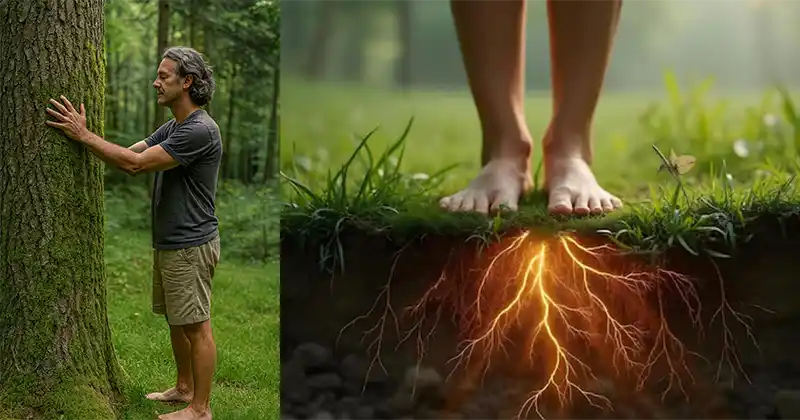
Modern life often pulls us away from nature, leaving many people feeling drained, stressed, and disconnected. One simple yet powerful way to regain inner balance is through grounding with trees—standing barefoot on the earth while physically connecting with a tree. This practice blends the benefits of earthing with the calming presence of trees, creating a natural cycle of renewal for both body and mind.
How to Practice Tree Grounding (Step by Step)
- Find the right tree
Choose a healthy tree in a quiet natural space. Oaks, pines, or other strong, well-rooted trees are ideal. Most importantly, pick one you feel drawn to. - Remove your shoes
Stand barefoot on the soil near the tree’s roots. This direct contact with the earth allows energy exchange to take place. - Place your hands on the tree
Gently rest your palms against the bark. You can also hug the tree or simply touch it with both hands. - Breathe deeply
Inhale slowly, filling your lungs with fresh air. Exhale stress and tension, allowing your body to relax. - Visualize the energy cycle
Imagine your stress and heavy energy flowing down through your feet into the earth. Picture the tree’s roots absorbing and transforming it, then sending back fresh, light energy through the trunk into your hands and heart. - Stay for 15–30 minutes
Give yourself enough time to settle into this connection. With practice, you may notice a deep sense of calm, clarity, and renewal.
Benefits of Grounding with Trees
🌳 For the Body
- Reduces physical tension: Standing barefoot and leaning on a tree relaxes muscles and joints.
- Improves circulation: Direct contact with the earth stimulates reflex zones and enhances blood flow.
- Supports immune balance: Time in forested areas has been shown to boost natural killer cells and strengthen immunity.
- Restores energy: Many people feel recharged and less fatigued after grounding with trees.
- Improves sleep: The calming influence of tree energy and earth contact supports deeper, more restful sleep.
🌳 For the Mind
- Releases stress and anxiety: Trees naturally calm the nervous system and lower cortisol levels.
- Clears mental fog: Quiet time with a tree enhances focus, creativity, and clarity.
- Encourages mindfulness: Touching a tree while barefoot brings awareness into the present moment.
- Supports emotional healing: The cycle of releasing stress and receiving calm energy can feel deeply therapeutic.
- Fosters connection: Being embraced by a living tree nurtures belonging, peace, and inner balance.
Why Trees Matter in Grounding

Trees are living beings rooted in the earth and reaching toward the sky. Their role in grounding is both symbolic and energetic:
- Roots: Anchor deep into the soil, connecting with steady earth energy.
- Trunk: Acts as a channel of flow and stability.
- Branches and leaves: Stretch upward, drawing in sunlight and air to complete the life cycle.
By placing your hands on a tree while standing barefoot, you connect to this living circuit—grounding your body while uplifting your mind.
Final Thoughts
Grounding with trees is more than just a calming ritual—it is a way to reconnect with the natural world and restore balance. Barefoot contact stabilizes your energy, while tree connection helps cleanse and renew it. Practiced regularly, this simple act can:
✔ Reduce stress
✔ Improve sleep
✔ Ease physical tension
✔ Boost energy and immunity
✔ Nurture emotional well-being
The next time you feel drained or overwhelmed, step outside, take off your shoes, and place your hands on a tree. Let the earth and tree remind you of your natural rhythm—a rhythm that heals and restores both body and mind.
Detect Early: Cancer Symptoms You Should Never Ignore
Health is one of the most precious aspects of our lives, and early detection of diseases such as cancer can make the difference between a successful recovery and limited treatment options. Cancer symptoms can be subtle and vary depending on the type, often leading people to underestimate their importance. This article reviews some of the most significant warning signs that may indicate cancer is developing in your body, emphasizing the importance of timely medical consultation.
Be Alert to Unusual Signs
Certain symptoms that may seem harmless can actually indicate serious illnesses like cancer. To help you stay informed, we’ve compiled essential information to help you not only recognize these warning signs but also understand the importance of early detection. Remember, prevention and awareness are your best allies.
Common Cancer Symptoms
1. Unexplained Weight Loss
Unexpected weight loss can be one of the first indicators of an underlying health problem, including cancer. If you are losing weight without changes in diet or physical activity, it’s important to see a doctor. This symptom is often linked to cancers such as pancreatic, stomach, or lung cancer. The reason is that cancer cells may increase the body’s metabolism, causing energy to be burned faster than usual.
2. Skin Changes and Lumps
Changes in skin texture, color, or shape should never be ignored. A mole that alters its appearance or a new lump under the skin can be an early sign of skin cancer. The skin often reflects internal health, so any unusual alteration warrants a medical examination.
3. Constant Fatigue
Extreme fatigue that doesn’t improve with rest can be a symptom of several types of cancer. When the body is fighting disease, it uses large amounts of energy, leading to persistent tiredness. This can also be accompanied by other symptoms such as fever or night sweats, which should not be ignored.
4. Persistent Cough or Difficulty Breathing
A cough that lasts more than three weeks or occurs alongside shortness of breath can be an indicator of lung cancer. This symptom is often overlooked because people attribute it to allergies or the common cold. However, if the cough persists, it’s important to seek medical evaluation.
5. Abnormal Bleeding
Unexpected bleeding should never be ignored. This includes blood in the stool, urine, or vaginal bleeding between periods. Such symptoms can be serious and may be linked to cancers such as colon, cervical, or prostate cancer. Prompt medical attention is crucial.
6. Persistent Pain
Pain that doesn’t go away or worsens over time may also be a sign of cancer. The nature of the pain often depends on the location of the disease, but continuous or recurrent pain should always be checked by a healthcare professional, as it may indicate progression or spread of the condition.
Conclusion
Cancer symptoms vary widely and may appear at different stages of the disease. The key to effective treatment lies in early detection. If you experience any of the symptoms mentioned above, seek professional medical advice for a thorough evaluation. Protect yourself and your loved ones by learning to recognize these warning signs.
Promoting good health goes hand in hand with education and awareness. Share this information with friends and family — prevention begins with knowledge and informed decisions. Your health is your most valuable asset.