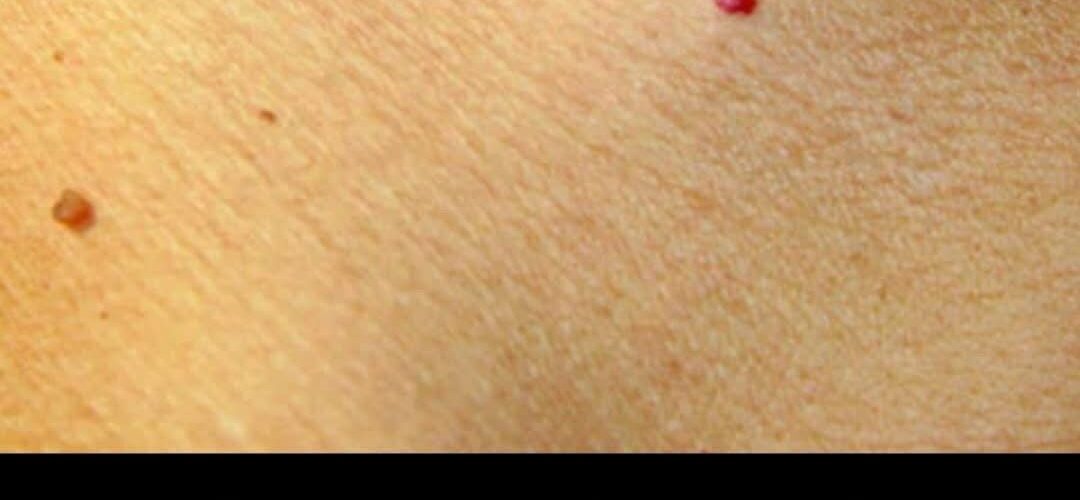
Rote Punkte auf Ihrer Haut? Hier sind 11 mögliche Gründe, die Sie kennen sollten
Haben Sie schon einmal kleine rote Punkte auf Ihrer Haut entdeckt und sich gefragt, was sie bedeuten? Man kann zwar leicht voreilige Schlüsse ziehen, aber nicht jeder rote Fleck ist ein Grund zur Beunruhigung. Diese Flecken können viele verschiedene Ursachen haben – von harmlosen Hautreaktionen bis hin zu ernsteren gesundheitlichen Problemen. Wir sehen uns 11 häufige Gründe für rote Punkte auf Ihrer Haut an, was sie bedeuten können und wann Sie einen Arzt aufsuchen sollten.
1. Kontaktdermatitis
Dieser juckende, rote Ausschlag entsteht, wenn Ihre Haut auf etwas reagiert, das sie berührt – wie Seife, Pflanzen oder Metalle. Symptome können Rötungen, Schwellungen und Schuppenbildung sein. Um erneute Ausbrüche zu verhindern, ist es wichtig, den Reizstoff zu erkennen und zu vermeiden.
2. Kirschangiome
Diese kleinen, leuchtend roten oder violetten Beulen entstehen durch erweiterte Blutgefäße und treten häufig am Oberkörper auf. Sie sind harmlos und treten häufig im Alter auf – insbesondere ab dem 30. Lebensjahr. Sofern sie nicht bluten oder sich plötzlich verändern, besteht in der Regel kein Grund zur Sorge.
3. Badedermatitis
Wenn Sie sich in verunreinigtem Wasser aufgehalten haben und anschließend juckende rote Beulen bemerken, leiden Sie möglicherweise an Badedermatitis , einer durch Parasiten verursachten Hautreaktion. Der Ausschlag verschwindet normalerweise von selbst, aber Antihistaminika oder Steroidcremes können den Juckreiz lindern.
4. Hitzeausschlag (Miliaria)
Auch als „Hitzepickel“ bekannt, tritt diese Erkrankung auf, wenn die Schweißdrüsen verstopft sind. Die Folge? Kleine rote, juckende Beulen – oft an Stellen, die häufig schwitzen, wie Hals, Brust und Achseln. Sie tritt häufiger bei heißem, feuchtem Wetter auf und verschwindet in der Regel von selbst.
5. Arzneimittelreaktionen
Bestimmte Medikamente können allergische Hautreaktionen auslösen, die sich in Form von roten Flecken oder Nesselsucht äußern können. Manche Reaktionen sind mild, andere können jedoch schwerwiegend sein und erfordern sofortige ärztliche Hilfe. Sprechen Sie immer mit Ihrem Arzt, wenn Sie den Verdacht haben, dass ein Medikament einen Ausschlag verursacht.
6. Atopische Dermatitis (Ekzem)
Diese chronische Erkrankung tritt häufig bei Kleinkindern auf, kann aber auch Erwachsene betreffen. Ekzeme verursachen trockene, juckende Stellen, die rot werden oder sich entzünden können. Zur Behandlung von Ekzemen werden Feuchtigkeitscremes, Antihistaminika und topische Kortikosteroide eingesetzt, um die Schübe unter Kontrolle zu halten.
7. Pityriasis rosea
Diese harmlose Hauterkrankung beginnt meist mit einem großen rosa oder roten Fleck, gefolgt von kleineren schuppigen Stellen, die sich über Rücken, Brust oder Bauch ausbreiten können. Die Erkrankung verschwindet in der Regel nach 6–8 Wochen ohne Behandlung, Antihistaminika können den Juckreiz jedoch lindern.
8. Blutflecken (Purpura)
Wenn kleine Blutgefäße unter der Haut platzen, entstehen rote oder violette Punkte, die als Purpura bezeichnet werden . Obwohl eine ausgedehnte Purpura manchmal harmlos ist, kann sie auf eine zugrunde liegende Blut- oder Gerinnungsstörung hinweisen und sollte von einem Arzt untersucht werden.
9. Ringelflechte (Tinea corporis)
Lassen Sie sich nicht vom Namen täuschen – Ringelflechte ist eigentlich eine Pilzinfektion und kein Parasit. Sie erscheint als rote, ringförmige Flecken mit klarer Mitte. Sie verbreitet sich durch Hautkontakt und gemeinsam genutzte Gegenstände, lässt sich aber leicht mit antimykotischen Cremes behandeln.
10. Schuppenflechte
Diese Autoimmunerkrankung beschleunigt den Lebenszyklus der Hautzellen und führt zu roten, schuppigen Plaques, häufig an Ellenbogen, Knien oder der Kopfhaut. Sie kann durch Stress, Infektionen oder kaltes Wetter verstärkt werden. Die Behandlungsmöglichkeiten reichen von Cremes über Lichttherapie bis hin zu Medikamenten.
11. Lichen ruber planus
Diese Erkrankung führt zu flachen, purpurroten Beulen, die jucken und Ihre Handgelenke, Knöchel oder sogar Ihren Mund betreffen können. Die Ursache ist unklar, es kann jedoch mit Immun- oder allergischen Reaktionen zusammenhängen. Verschreibungspflichtige Medikamente können helfen, die Symptome zu lindern.
Abschließende Gedanken
Rote Punkte auf der Haut sind häufig und können verschiedene Ursachen haben – die meisten davon sind behandelbar oder vorübergehend. Achten Sie jedoch auf Symptome wie Fieber, Schwellungen, Schmerzen oder sich ausbreitende Hautausschläge. Wenn sich etwas ungewöhnlich oder anhaltend anfühlt, zögern Sie nicht, einen Arzt aufzusuchen. Ihre Haut ist das größte Organ Ihres Körpers – und manchmal ist sie das erste, das Sie darauf aufmerksam macht, dass etwas nicht stimmt.
Lion With “Bangs” Goes Viral in China — But Zoo Denies Any Haircut
At Guangzhou Zoo in southern China, one resident lion has unexpectedly become an online celebrity. The male white lion, nicknamed A Hang, drew massive attention after visitors shared photos showing his mane shaped into what looked like perfect blunt-cut bangs.
Photos Spark Online Curiosity
The images, first posted by a zoo visitor, quickly spread across Chinese and international social media. Many viewers joked that the animal looked like it had just stepped out of a salon, while others speculated that zookeepers must have trimmed its mane.
“The fringe is too straight to be natural,” some commenters argued. Memes and playful captions soon followed, making A Hang’s new “hairstyle” a trending topic.
Zoo Responds: No Haircuts Here
Guangzhou Zoo, however, has firmly denied that anyone touched the lion’s mane. In statements to local media, staff said there is no grooming program for lions and that keepers would not risk cutting or styling a predator’s hair.
“You can say he styled it himself,” one employee said with humor. The zoo explained that humidity in Guangzhou combined with the lion’s self-grooming habits — licking and rubbing its mane — likely caused the hair to part and fall forward in a way that resembles bangs.
Nature’s Own Hair Stylist
Experts note that a lion’s mane is not static; it can change shape due to weather, humidity, and grooming patterns. In humid climates, animal fur may clump or settle differently. The zoo said A Hang’s mane looked ordinary in the past and could return to its typical style as conditions change.
Some visitors backed this up, saying they had seen the same lion before without bangs, suggesting the look might be temporary.
Viral But Harmless
While the story amused millions, zookeepers emphasized the lion is healthy and thriving. The unusual appearance is cosmetic only and poses no risk to the animal’s well-being.
The episode is also a reminder of how fast a single photo can spark global speculation. What started as a visitor’s funny snapshot turned into a viral headline — and a lesson that sometimes, nature itself gives even the “king of the jungle” an unexpected bad hair day.
Trapped in Darkness: How a Chinese Woman Survived 54 Hours in a Snake-Filled Well
In the misty woods of Quanzhou, Fujian province, an ordinary stroll turned into a battle for survival. On a quiet afternoon, a 48-year-old woman accidentally slipped and tumbled into an abandoned well, instantly swallowed by darkness and stone, with no one close enough to hear her cry for help.
The Fight for Each Hour
Inside the narrow, cold shaft, she clung desperately to a small stone ledge to keep from slipping further into the water. The well was deep and slick, making any attempt to climb out impossible. Mosquitoes swarmed relentlessly, biting her skin. A few water snakes slithered nearby, and one bit her arm, adding to the fear and pain.
During the long hours, exhaustion threatened to pull her under. In moments of despair, she thought of her elderly parents and her daughter who had just started college. The memory of their faces and the hope of seeing them again gave her strength to keep holding on.
The Rescue
When she didn’t return home, her family grew worried and reported her missing. Search teams scoured the area until a faint cry for help finally broke the silence. Rescuers discovered the hidden, overgrown well and carefully prepared ropes and harnesses to reach her. After nearly two and a half days trapped in darkness, she was finally pulled to safety.
Aftermath and Recovery
She was rushed to the hospital, weak but alive. Doctors found broken ribs, a partially collapsed lung, and deep wounds on her hands from clinging to the rough stones for so long. Despite the pain, she was stable and able to speak to her family. She said she survived by thinking of the people she loved and refusing to give up.
A Story of Hope
Her ordeal is a powerful reminder of human resilience. Against hunger, exhaustion, pain, and fear, she found a reason to keep fighting — love for her family and the will to live. Her survival is not just a rescue story but a testament to courage, determination, and the strength of hope when life hangs by a thread.
The High Price of a Status Symbol: How a Teen’s Kidney-for-iPhone Deal Became a Cautionary Tale
In the spring of 2011, a 17-year-old high-school student from rural Anhui, China, set off on a journey that would make him briefly famous and then haunt him for years. His name was Wang Shangkun. Like millions of teenagers, he wanted the newest gadgets—the iPhone 4 and iPad 2. Unlike most, he believed the only way to afford them was to sell a part of himself.
What followed was a black-market operation that exposed the worst mix of online manipulation, medical corruption, and tech-driven status pressure. It also left a young man with life-altering injuries—and a story that keeps resurfacing every time a new phone launches.
A Deal Made Online
Wang’s family struggled financially. On social media and online forums he encountered middlemen touting easy money for a “spare” kidney. The pitch sounded simple: one operation, a discreet payment, and a brand-new life with the latest devices to prove he had “made it.”
He agreed to meet brokers who arranged travel to Hunan province, where an illegal clinic had access to a surgeon, operating room, and forged paperwork. For the organ, Wang was promised about 20,000–22,000 yuan (roughly USD $3,000–$3,500 at the time). The brokers, meanwhile, stood to pocket a far larger sum by reselling the kidney to a private recipient.
To a teenager, the payoff looked irresistible. He returned home with an iPhone and an iPad—prizes that, to his peers, spelled instant cool.
Surgery in the Shadows
The operation took place outside proper hospital oversight. There was no legitimate donor registry, no ethics committee, and no after-care plan. In that underground setting, sanitary standards and post-operative monitoring were catastrophically lax.
Within months, Wang’s health began to collapse. The surgical wound became infected; the strain on his remaining kidney mounted. Without expert follow-up, his body slid toward renal failure. The thrill of two glossy boxes lasted days; the damage from the operation has lasted years.
A Family’s Shock—And a National Reckoning
Wang’s mother discovered the truth when she saw the expensive devices and then the scar. The case drew nationwide attention. Investigators traced the network behind the operation: recruiters, the fixer who rented the operating room, the surgeon, and other accomplices. Several were arrested and later convicted on charges related to illegal organ trading and intentional injury.
The story inflamed public anger not just at the criminals, but at a system that let such a scheme seem plausible to a minor. It fueled debate about inequality, the commercialization of health, and the growing fixation on status symbols that can drown out common sense.
Long After the Headlines
As the years passed, updates painted a grim picture. Wang’s remaining kidney deteriorated. He became dependent on dialysis and spent long stretches bedridden. The devices he sacrificed his health for were obsolete within a year; the consequences of the surgery were not.
Today, his case is invoked in classrooms, health-ethics lectures, and media coverage as a shorthand for the dangers of the organ black market and the pressures young people face online. It also became a catalyst for conversations about legitimate organ donation, greater oversight of private clinics, and the exploitation of financially vulnerable communities.
Why This Happened—and Why It Still Matters
1) The illusion of “easy money.”
Brokers preyed on a teenager’s short-term thinking. A modest cash payout felt enormous compared with his allowance, but it was a fraction of the value they extracted from his organ.
2) Technology as identity.
The iPhone 4 wasn’t merely a phone—it was social capital. In many places, devices have become markers of belonging, success, and self-worth. Combine that with viral hype cycles and it’s easy for a teenager to confuse want with need.
3) Medical gray zones.
The operation exploited gaps in enforcement, from rented facilities and complicit staff to forged documents. It’s a reminder that medical skill without ethics can be devastating.
4) The cost of misinformation.
Online spaces amplified both the offer and the rationalizations: that a person can “spare” a kidney with zero risk; that the surgery is routine; that recovery is quick. Reality is more complicated, especially outside regulated systems.
Lessons for Families, Platforms, and Policymakers
- Talk early—and concretely—about health risks and online scams. Teenagers need real numbers: what dialysis entails, what infection can do, what “lifelong treatment” looks like in time and money.
- Platforms must act faster on organ-trafficking content. Recruitment often begins with innocuous posts in chat groups and classifieds. Proactive monitoring and rapid takedown matter.
- Healthcare oversight can’t stop at the hospital door. Crackdowns need to include rented operating spaces, licensing audits, and whistleblower protections for staff pressured to participate.
- Offer credible alternatives. Public education on lawful organ donation and financial aid for students can reduce the appeal of risky shortcuts.
The Human Bottom Line
Wang Shangkun’s experience is not a fable about vanity; it’s a tragedy about vulnerability. A savvy black-market network spotted a teenager’s desire to belong and turned it into profit. In the space of a single operation, he traded a healthy organ for two devices that would be outdated by the next product keynote.
His story endures because it asks a hard question: What are we teaching young people to value? If the answer is measured by what they carry in their hands rather than how they care for their bodies and futures, we will keep seeing versions of this story.