
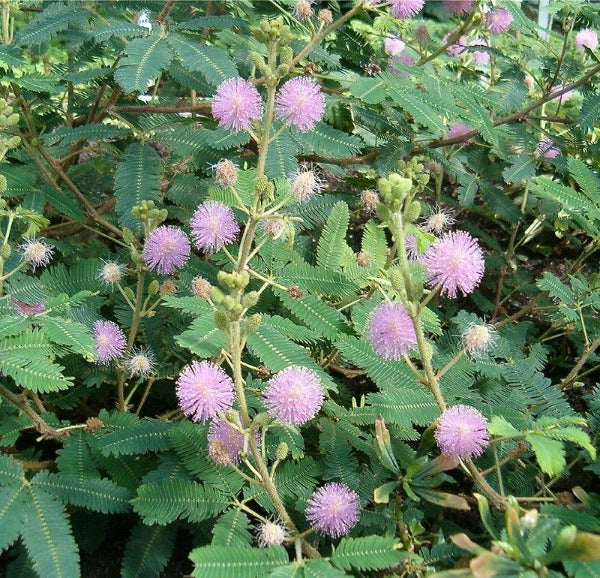
Mimosa pudica stammt ursprünglich aus Mittel- und Südamerika, wird heute aber weltweit angebaut. Es ist ein wahres pflanzliches Multitalent und bietet antimikrobielle, entzündungshemmende, verdauungsfördernde und sogar psychiatrische Vorteile.
Aber wie jedes Heilmittel hat es seine Vor- und Nachteile, die Sie bedenken sollten, wenn Sie daran denken, diese Pflanze in Ihre Wellness-Routine zu integrieren.
Vorteile von Mimosa Pudica
1. Antimikrobielle und antiparasitäre Eigenschaften
Die Blätter der Mimosa pudica enthalten Alkaloide, Flavonoide und Tannine – Verbindungen, die laut Forschung antibakterielle, antimykotische und antivirale Wirkungen haben. Sie sind wertvoll zur Wundreinigung, zur Linderung von Hautinfektionen und sogar zur Bekämpfung von Darmparasiten.
In einer im Journal of Ethnopharmacology veröffentlichten Studie zeigten Extrakte aus Mimosa pudica Wirksamkeit gegen E. coli und S. aureus, Bakterien, die häufig für Infektionen verantwortlich sind.

2. Entzündungshemmende und schmerzlindernde Wirkung
Die Pflanze enthält phenolische Verbindungen, die Entzündungen reduzieren und Gelenkschmerzen, insbesondere Arthritis, lindern können.
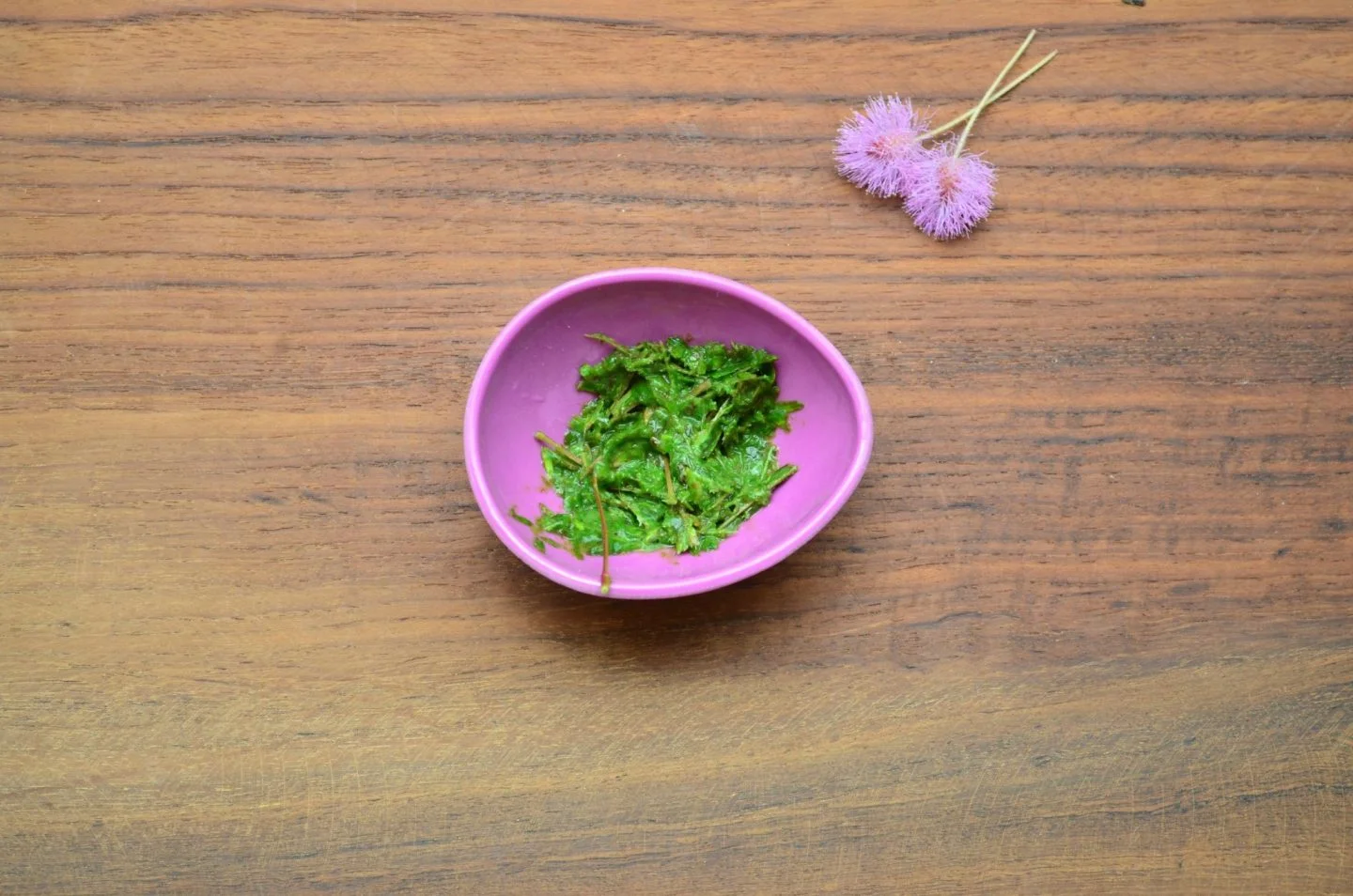
In der traditionellen ayurvedischen Medizin wird Mimosa pudica-Paste seit langem zur Linderung von Muskel- und Gelenkschmerzen eingesetzt. Heute finden viele Menschen Linderung, indem sie die Blattpaste äußerlich auftragen oder als Nahrungsergänzungsmittel einnehmen.
3. Verdauungsunterstützung und Darmgesundheit
Mimosa pudica ist eine ausgezeichnete Quelle für lösliche Ballaststoffe, insbesondere in ihren Samen. Die Ballaststoffe reinigen den Verdauungstrakt, unterstützen den regelmäßigen Stuhlgang und fördern eine gesunde Darmflora.
Darüber hinaus ist Mimosa pudica aufgrund seiner natürlichen Reinigungswirkung eine beliebte Wahl bei natürlichen Behandlungen von Verdauungsproblemen wie dem Reizdarmsyndrom (IBS) und parasitären Infektionen.
4. Wundheilung und Hautgesundheit
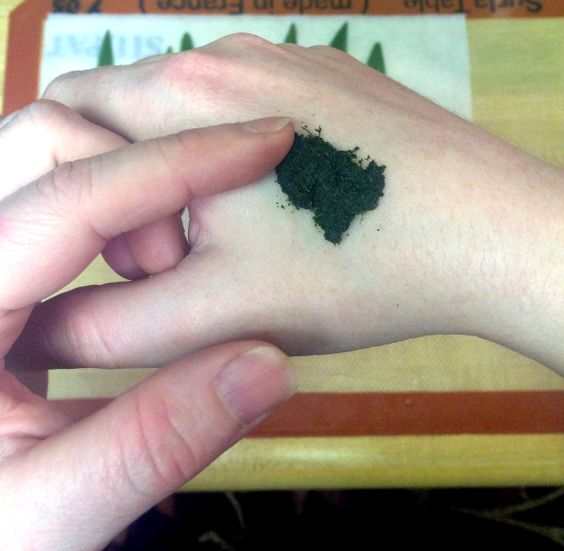
Die Blätter enthalten Tannine und Alkaloide, die Blutungen lindern und die Blutgerinnung fördern, sodass sie bei kleineren Schnitten und Abschürfungen nützlich sind.
Diese Verbindungen bilden eine Schutzbarriere, beschleunigen die Heilung und verringern das Infektionsrisiko.
5. Unterstützt die Gesundheit der Leber und die Entgiftung
Die Antioxidantien dieser Pflanze reduzieren oxidativen Stress und helfen der Leber, den Körper effektiver zu entgiften.
Studien haben gezeigt, dass es die Leberenzyme senken kann, was auf seine Rolle bei der Verringerung von Leberentzündungen hindeutet.
6. Vorteile für die psychische Gesundheit und beruhigende Wirkung
Mimosa pudica hat natürliche beruhigende Eigenschaften, die helfen können, Symptome von Stress, Angst und leichter Depression zu lindern.
Seine Verbindungen wirken auf das Nervensystem, um Stressreaktionen zu reduzieren, was es zu einer nützlichen Pflanze zur Entspannung und Verbesserung der Schlafqualität macht.
Nachteile von Mimosa Pudica
1. Mögliche Verdauungsbeschwerden
Der hohe Ballaststoffgehalt von Mimosa pudica, insbesondere in den Samen, kann manchmal Verdauungsbeschwerden verursachen. Wenn Sie noch keine Erfahrung mit ballaststoffreichen Nahrungsergänzungsmitteln haben, kann die Einnahme einer hohen Dosis Mimosa pudica zu Blähungen, Gasbildung oder leichten Krämpfen führen.
These effects are usually temporary, but it’s advisable to start with a small amount and gradually increase to allow your digestive system to adjust.

2. Risk of Overuse and Potential Toxicity
As with many natural remedies, overuse of Mimosa pudica can strain the liver and digestive system.
Excessive consumption, particularly in concentrated supplement forms, may lead to digestive disturbances or even liver issues in some cases.
3. Limited Research on Long-Term Effects
Despite promising findings, the research on Mimosa pudica’s long-term effects is still limited.
Those planning to use this plant continuously for extended periods should be cautious.
4. Allergic Reactions and Skin Sensitivity
Topical application of Mimosa pudica may cause mild skin reactions if you have sensitive skin or are prone to allergies.
If you’re using Mimosa pudica on your skin, patch-testing on a small area is recommended to ensure it’s well-tolerated before applying more widely.
5. Potential Blood Sugar Effects
Mimosa pudica has been shown to have mild effects on blood sugar levels, helping slow absorption, which can benefit people managing diabetes.
However, these effects can interfere with blood sugar control for those with diabetes or hypoglycemia. If you take blood sugar-lowering medication, monitor levels closely and consult your healthcare provider before adding Mimosa pudica to your routine.

6. Interference with Certain Medications
Mimosa pudica may interact with certain medications, particularly those related to liver function, blood sugar management, and blood pressure.
If you’re on medication, especially for chronic conditions, consult your healthcare provider before using Mimosa pudica.
How To Get the Most Out of Vaseline for Sun Protection | Healthy Care
Vaseline has been a household essential for decades. Known mainly as a moisturizer, it’s also gaining attention as a low-cost skin protector. But can Vaseline actually help protect you from the sun? The answer is yes—when used wisely. Here’s how to get the most out of Vaseline for sun protection without falling for myths.
Does Vaseline Block UV Rays?
Vaseline (petroleum jelly) itself doesn’t contain SPF. That means it won’t stop UV rays like sunscreen does. However, Vaseline acts as a skin barrier, sealing in moisture and preventing dryness caused by sun exposure. When paired with sunscreen, it enhances skin hydration and keeps the protective layer intact for longer.
1. Mix Vaseline with Sunscreen
The best way to maximize Vaseline for sun protection is by combining it with a high-SPF sunscreen. Apply sunscreen first, then a thin layer of Vaseline on top. This helps lock in the sunscreen and prevent it from wearing off too quickly.
2. Use Vaseline on Sensitive Areas
Your lips, under-eyes, and cuticles are extra vulnerable to sun damage. Applying Vaseline to these spots creates a shield, reducing the risk of cracking, peeling, and premature wrinkles. For lips, you can even mix Vaseline with a drop of carrot seed oil or vitamin E oil for added sun defense.
3. Post-Sun Care with Vaseline
After sun exposure, skin often feels tight, dry, and irritated. Applying Vaseline immediately after cleansing helps repair the skin barrier, trap moisture, and speed up recovery. This reduces the chance of long-term sun damage, including dark spots and fine lines.
4. Boost Vaseline with Natural Add-Ins
DIY enthusiasts can enhance Vaseline’s protective power by blending it with natural oils known for mild sun defense:
- Coconut oil – provides SPF 4–5 naturally.
- Carrot seed oil – antioxidant-rich, offers higher natural SPF.
- Turmeric extract – fights inflammation and pigmentation caused by UV rays.
5. Pair with Antioxidant-Rich Skincare
Since Vaseline doesn’t block UV radiation, pair it with teas, serums, or creams rich in antioxidants (like green tea, vitamin C, or aloe vera). This helps neutralize free radicals triggered by sun exposure.
Myths vs. Facts
❌ Myth: Vaseline can replace sunscreen.
✅ Fact: Vaseline enhances but cannot replace SPF. Always use it with proper sunscreen.
❌ Myth: Vaseline makes skin burn faster.
✅ Fact: Vaseline doesn’t intensify UV rays; it simply seals the skin. Burns occur from unprotected sun exposure, not Vaseline itself.
Final Thoughts
Vaseline is not a sunscreen—but when used smartly, it becomes a powerful ally for hydration, repair, and enhanced sun protection. Combine it with SPF, apply it to sensitive areas, and use it post-sun to keep your skin wrinkle-free, glowing, and healthy.
👉 Next time you step into the sun, don’t just carry sunscreen—bring your little jar of Vaseline too.
Green Papaya Latex: 18 Surprising Benefits for Health and Beauty
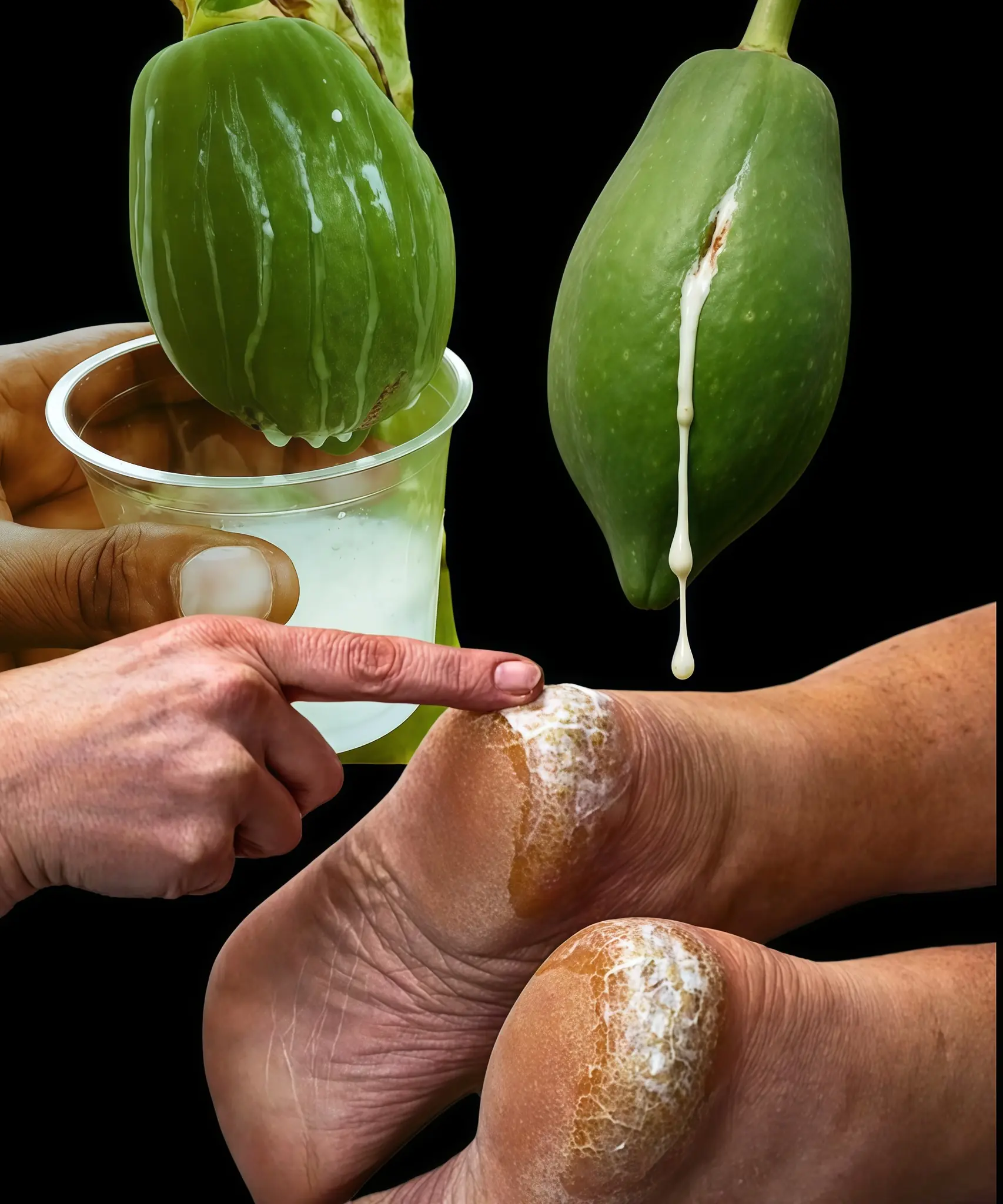
Everyone loves papaya, but few realize that its white latex (sap) holds impressive healing secrets. This sticky liquid, which flows out when cutting unripe papaya, has been used in traditional medicine for centuries thanks to its enzymes (like papain) and active compounds.
Here are 18 amazing benefits that make papaya latex a true natural treasure — plus simple ways to use it.
🌿 Skin & Beauty Benefits
- Heals cracked heels – softens hard, dry skin.
👉 How to use: Apply a small amount of fresh latex directly on cracked heels before bedtime, then cover with socks. - Lightens dark spots – helps even out skin tone.
👉 How to use: Mix a drop of latex with honey or aloe vera gel and apply only on spots (avoid sensitive areas). - Natural exfoliant – removes dead cells with papain enzyme.
👉 How to use: Blend a tiny amount into a homemade scrub with oatmeal or rice flour, apply gently, rinse well. - Anti-fungal – fights foot and nail fungus.
👉 How to use: Dab a diluted drop on affected area daily. - Wart remover – traditionally used to dry out warts.
👉 How to use: Apply carefully on the wart with a cotton swab, cover with a bandage; repeat until it falls off. - Anti-wrinkle – supports skin regeneration and firmness.
👉 How to use: Add a very small drop to a DIY face mask with yogurt or cucumber (patch test first).
💪 Internal Health Benefits
- Improves digestion – helps break down proteins.
👉 How to use: Only in very small, controlled amounts as a supplement or herbal preparation (never raw in large doses). - Relieves intestinal parasites – traditionally used against worms.
👉 How to use: In folk remedies, latex is mixed with honey or warm water; modern use recommends enzyme capsules instead. - Accelerates wound healing – supports tissue regeneration.
👉 How to use: Apply lightly to small cuts or scratches (avoid deep wounds). - Boosts immunity – its enzymes support natural defenses.
👉 How to use: Combined in herbal tonics with other immunity-boosting plants. - Anti-inflammatory – may ease muscle or joint pain.
👉 How to use: Massage diluted latex onto sore joints or muscles. - Supports liver detox – aids cleansing functions.
👉 How to use: Taken in microdoses in traditional remedies (always under guidance).
🦷 Oral Health Benefits
- Relieves toothache – acts as a natural pain reliever.
👉 How to use: Apply diluted latex on a cotton ball and place gently near the aching tooth. - Fights oral bacteria – supports gum and dental health.
👉 How to use: Add a tiny drop to warm water and rinse (never swallow).
🌸 Traditional Uses & Remedies
- Treats calluses – softens thickened skin.
👉 How to use: Apply directly on calluses, cover overnight, file gently next morning. - Removes skin impurities – used in cleansing masks.
👉 How to use: Mix with clay or honey for a detox mask. - Mild wound care – for small cuts and scratches.
👉 How to use: Dab a little on affected area, let dry, then rinse. - General vitality booster – used as a tonic in folk medicine.
👉 How to use: Always under professional guidance, never self-medicate with raw latex.
⚠️ Precautions
- Papaya latex can be irritating for sensitive skin — always do a patch test.
- Avoid during pregnancy (it may cause uterine contractions).
- Do not ingest raw latex in large amounts — it can be toxic.
- For safe internal use, prefer papain supplements sold in health stores.
✅ Final Tip: Papaya latex is powerful — a little goes a long way. Use it wisely and, when in doubt, consult a natural health practitioner before adding it to your routine.
Apply Aloe Vera This Way Before Washing Hair in the Morning for Fast Hair Growth and Dandruff-Free Scalp
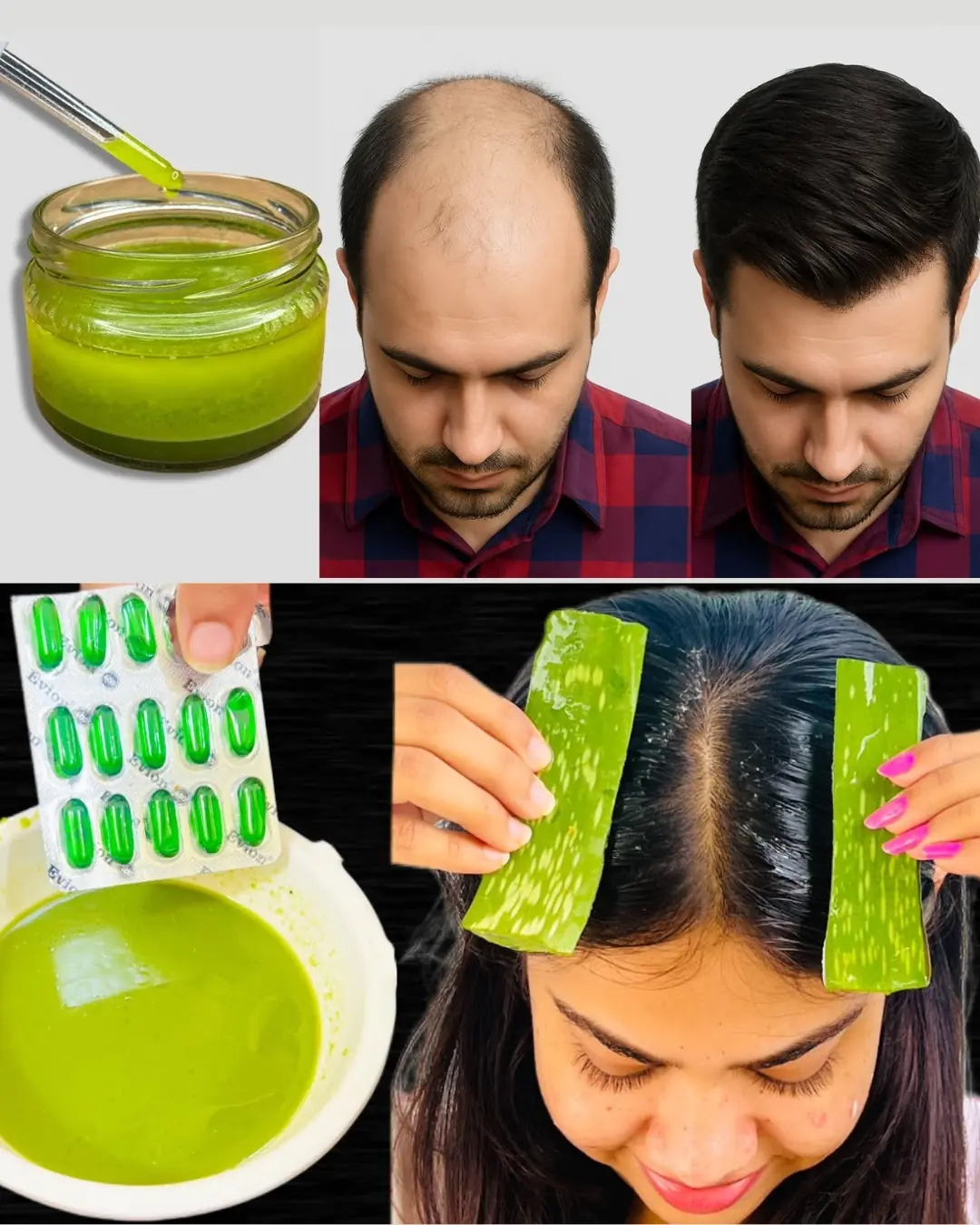
Aloe vera has been used for centuries as a natural remedy for skin and hair problems. Packed with vitamins, minerals, amino acids, and enzymes, this green miracle plant can work wonders for your scalp and hair. If you want longer, thicker, and shinier hair, applying aloe vera before washing your hair in the morning can be a game-changer.
Why Aloe Vera Is a Hair Care Miracle
Aloe vera gel is loaded with:
- Vitamin A, C, and E – Antioxidants that fight free radicals and strengthen hair.
- Vitamin B12 and Folic Acid – Essential for preventing hair loss.
- Proteolytic Enzymes – Repair dead skin cells on the scalp and promote new growth.
- Moisturizing Properties – Hydrate hair strands and prevent breakage.
When applied to the scalp, aloe vera boosts blood circulation, balances oil production, reduces dandruff, and stimulates new hair follicles for faster regrowth.
How to Apply Aloe Vera Before Washing Hair
To get the best results, follow this simple morning ritual:
Ingredients:
- 2 tablespoons fresh aloe vera gel (or store-bought pure gel)
- 1 Vitamin E capsule (optional for extra shine)
- Few drops of coconut or castor oil (optional for deep nourishment)
Method:
- Extract fresh gel from an aloe vera leaf and blend it for a smooth consistency.
- Mix it with the Vitamin E capsule and oil (if using).
- Part your hair and apply the gel directly onto your scalp.
- Massage gently in circular motions for 5 minutes.
- Leave it on for 30–45 minutes before washing your hair with a mild shampoo.
Benefits of Applying Aloe Vera in the Morning
- Boosts Hair Growth – Stimulates dormant hair follicles.
- Reduces Hair Fall – Strengthens roots and minimizes breakage.
- Eliminates Dandruff – Fights scalp dryness and flakiness.
- Makes Hair Shiny and Smooth – Acts as a natural conditioner.
- Repairs Damaged Hair – Heals split ends and restores hair health.
Pro Tips for Maximum Results
- Use aloe vera 2–3 times a week for visible changes.
- Für eine sanftere Pflege waschen Sie Ihr Haar immer mit einem sulfatfreien Shampoo.
- Kombinieren Sie es mit einer gesunden Ernährung, die reich an Proteinen, Biotin und Omega-3-Fettsäuren ist.
- Bleiben Sie konsequent – natürliche Heilmittel brauchen Zeit, bringen aber dauerhafte Ergebnisse.
Abschließende Gedanken
Wenn Sie von langem, seidigem und glänzendem Haar träumen, probieren Sie diese einfache Aloe-Vera-Behandlung vor Ihrer morgendlichen Haarwäsche aus. Bei regelmäßiger Anwendung werden Sie kräftigere Haarwurzeln, weniger Haarausfall und einen natürlichen Glanz feststellen, den keine chemische Spülung erreichen kann. Aloe Vera ist erschwinglich, sicher und hochwirksam – die perfekte natürliche Lösung für Haarwachstum und Schönheit.