
Die Wahrnehmung der Brustgröße ist seit langem von Mythen und Überzeugungen umgeben. Viele Frauen fragen sich, ob die Größe ihrer Oberweite Auswirkungen auf die hormonelle Gesundheit oder andere Aspekte des Wohlbefindens haben kann. In diesem Artikel untersuchen wir diesen Zusammenhang, räumen mit gängigen Missverständnissen auf und geben natürliche Gesundheitstipps für Frauen aller Körpertypen.
Die Biologie hinter der Brustgröße
Die Brustgröße einer Frau wird hauptsächlich durch Genetik und Hormone beeinflusst. Hormone wie Östrogen und Progesteron spielen eine zentrale Rolle bei der Entwicklung des Brustgewebes. Während der Pubertät trägt ein steigender Hormonspiegel zum Brustwachstum bei. Auch andere Faktoren wie Alter, Gewicht und Lebensstil können die Brustgröße beeinflussen.
Es ist wichtig zu beachten, dass kleine Brüste nicht unbedingt auf gesundheitliche Probleme hinweisen. Jeder Körper ist einzigartig, und die Oberweite ist kein verlässlicher Indikator für den allgemeinen Gesundheitszustand. Einige Theorien legen nahe, dass die Brustgröße mit der Hormonproduktion und Aspekten des weiblichen Wohlbefindens korreliert, dies ist jedoch keine Regel.
Mythen und Wahrheiten über Brustgröße und hormonelle Gesundheit
Einer der häufigsten Mythen ist, dass Frauen mit kleinen Brüsten weniger weiblich oder weniger gesund seien. Diese Vorstellung entbehrt jeder wissenschaftlichen Grundlage. Gesundheit und Weiblichkeit werden nicht durch die Brustgröße bestimmt, sondern durch eine Kombination aus geistigem, emotionalem und körperlichem Wohlbefinden. So kann beispielsweise eine Frau mit kleinen Brüsten dank einer ausgewogenen Ernährung und eines aktiven Lebensstils dennoch eine ausgezeichnete hormonelle Gesundheit genießen.
Einige Studien deuten darauf hin, dass Frauen mit größerer Oberweite einem etwas höheren Risiko für bestimmte gesundheitliche Probleme wie Diabetes oder Herzkrankheiten ausgesetzt sind, die oft mit Übergewicht in Zusammenhang stehen. Das bedeutet jedoch nicht, dass alle Frauen mit großen Brüsten ungesund sind. Jeder Körper ist einzigartig, und die Kontrolle des Hormonhaushalts und der allgemeinen Gesundheit ist weitaus wichtiger als die Maße.
Tipps zur Aufrechterhaltung einer optimalen hormonellen Gesundheit
Unabhängig von Ihrer Oberweite ist der Schutz des Hormonhaushalts unerlässlich. Hier sind einige Strategien:
- Ausgewogene Ernährung: Essen Sie eine Vielzahl nährstoffreicher Lebensmittel, darunter Obst, Gemüse, mageres Eiweiß und gesunde Fette. Omega-3-reiche Lebensmittel wie Fisch und Nüsse sind besonders hilfreich für die hormonelle Gesundheit.
- Regelmäßige Bewegung: Körperliche Aktivität hilft, ein gesundes Gewicht zu halten und unterstützt den Hormonhaushalt. Wählen Sie Aktivitäten, die Ihnen Spaß machen – Spazierengehen, Yoga, Schwimmen oder Sport.
- Stressbewältigung: Chronischer Stress bringt den Hormonhaushalt durcheinander. Übungen wie Achtsamkeit, Meditation und Entspannungstechniken können helfen, das Gleichgewicht wiederherzustellen.
- Natürliche Nahrungsergänzungsmittel: Einige Studien deuten darauf hin, dass Nahrungsergänzungsmittel wie Nachtkerzenöl oder Mönchspfeffer den Menstruationszyklus regulieren und den Hormonhaushalt unterstützen können. Konsultieren Sie vor der Einnahme von Nahrungsergänzungsmitteln immer einen Arzt.
Natürliche Heilmittel für die Gesundheit von Frauen
Neben den Lebensgewohnheiten können auch einige natürliche Heilmittel das Wohlbefinden der Frau unterstützen:
- Salbeitee: Salbeiaufgüsse sind dafür bekannt, dass sie bei der Regulierung weiblicher Hormone helfen, und können das Gleichgewicht unterstützen.
- Maca-Wurzel: Dieses Superfood wird für seine energiesteigernde und hormonstabilisierende Wirkung gelobt und ist in Pulver- oder Kapselform erhältlich.
- Ingwertee: Ingwer ist ein natürliches entzündungshemmendes Mittel, das auch zur Regulierung des Menstruationszyklus und zur Verbesserung der allgemeinen Gesundheit beitragen kann.
Abschluss
Die Brustgröße sollte kein Grund zur Sorge sein, wenn es um die Gesundheit geht. Was wirklich zählt, ist das allgemeine Wohlbefinden, das sowohl das hormonelle als auch das körperliche Gleichgewicht umfasst. Durch richtige Ernährung, regelmäßige Bewegung, Stressbewältigung und natürliche Heilmittel können Frauen ihre Gesundheit unabhängig von ihrer Körperform unterstützen.
Denken Sie immer daran, einen Arzt zu konsultieren, bevor Sie größere Änderungen an Ihrer Ernährung oder Ihrem Lebensstil vornehmen. Sich um sich selbst zu kümmern ist der erste Schritt zu dauerhaftem Wohlbefinden.
Most People Don’t Realize What a Mouth Piercing Means … Check 1st comment
Tongue piercings have long intrigued society—not only as bold fashion statements but also as deeply personal and cultural expressions. While today they are often seen as edgy or unconventional, their history reaches far beyond modern trends. From ancient ceremonial practices to present-day acts of self-expression, the reasons behind this form of body modification are as diverse as the people who choose them.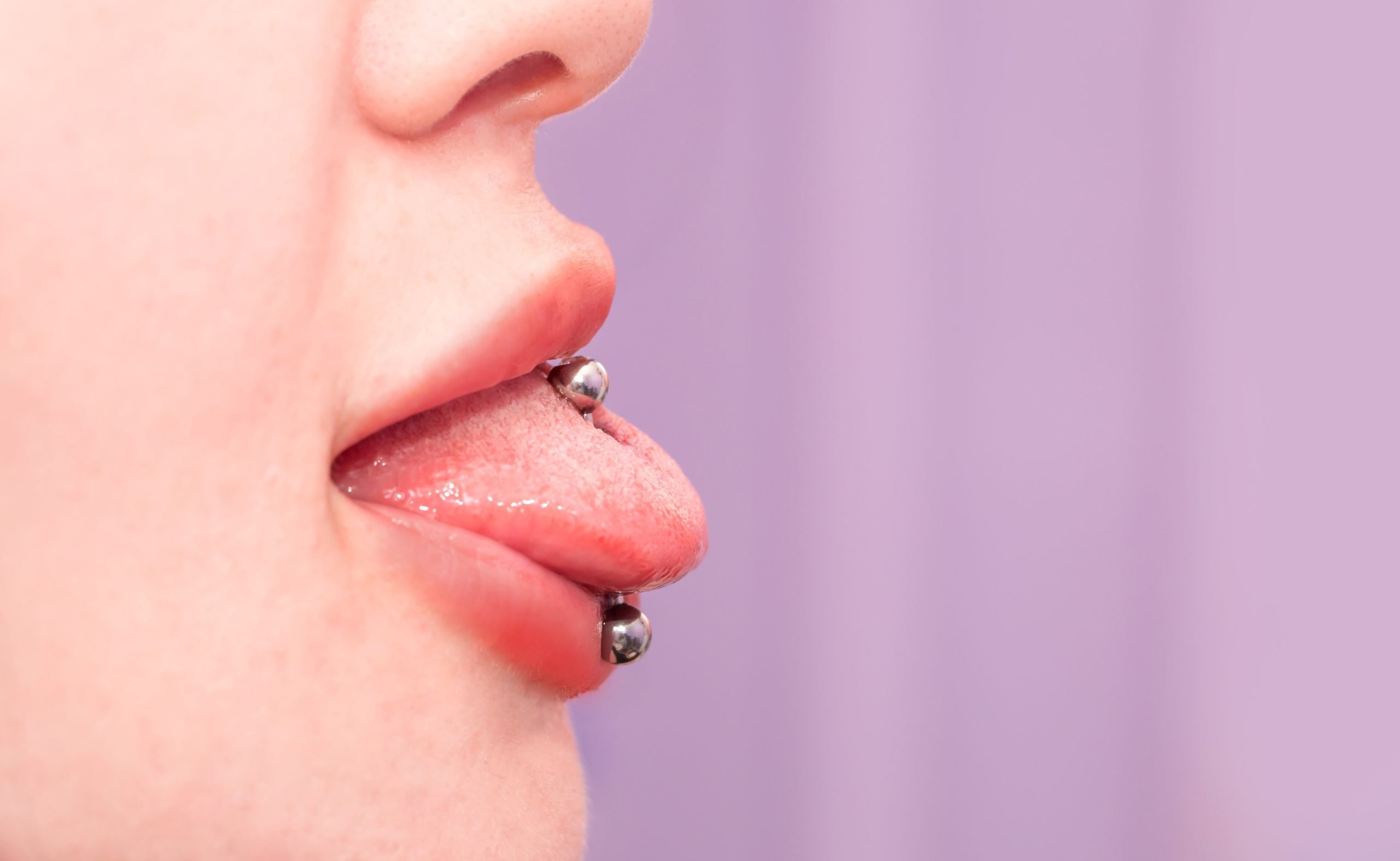
This article explores the history, cultural significance, and personal meanings behind tongue piercings—grounded in reliable sources and free from stereotypes. Whether you’re considering one yourself or simply curious, this guide offers a respectful, fact-based look at what tongue piercings truly represent.
What Is a Tongue Piercing?
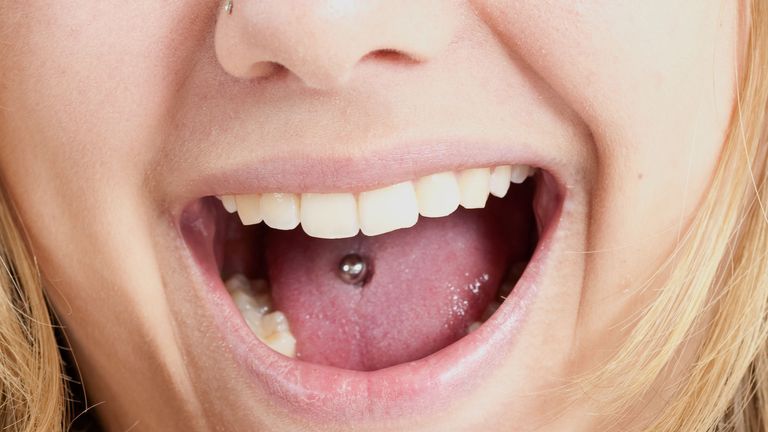
A tongue piercing typically involves placing a barbell-shaped piece of jewelry vertically through the center of the tongue. According to the American Dental Association (ADA), this type of oral piercing has grown in popularity since the late 20th century, especially among younger adults seeking individuality or marking milestones.
However, tongue piercings also require careful hygiene and dental monitoring because of possible risks, including infection, chipped teeth, and gum damage.
Ancient Cultural Roots: Rituals and Symbolism
Long before tongue piercings became associated with fashion or rebellion, they held sacred meaning in several ancient cultures. Historical records show that the Aztecs and Mayans practiced tongue piercing as part of spiritual rituals.
According to The Encyclopedia of Body Adornment by Margo DeMello, these piercings were acts of penance or ways to induce altered states of consciousness during religious ceremonies. Shamans or priests would pierce their tongues to draw blood as an offering to the gods, believing it created a channel of communication with the spiritual world.
For these civilizations, tongue piercings were symbols of devotion, transformation, and connection to higher powers—meanings that are often overlooked in modern interpretations.
A Resurgence in Modern Subcultures
In Western societies, tongue piercings rose in popularity during the late 1980s and 1990s, particularly within punk, goth, and alternative subcultures. Research in The Journal of Contemporary Ethnography notes that body modification served as a symbol of non-conformity and identity formation among youth movements of the time.
Unlike facial piercings, tongue piercings offered a more discreet form of self-expression. They allowed wearers to maintain professional appearances while privately embracing individuality or rebellion. This balance—hidden yet powerful—made them especially appealing.
Misconceptions in Pop Culture

Pop culture has often associated tongue piercings with provocative behavior, but these claims are oversimplified and rarely supported by evidence. Body sociology experts, such as Dr. Victoria Pitts-Taylor, emphasize that such assumptions reflect cultural bias rather than the actual motivations of individuals.
In reality, the decision to get a tongue piercing can come from a wide range of reasons: aesthetics, heritage, self-discovery, or simply curiosity. Reducing it to one stereotype erases the diverse and valid stories behind the choice.
Personal Meaning: A Journey of Self-Expression
For many people, a tongue piercing is more than just an accessory—it represents a personal journey. The process of getting pierced, enduring discomfort, and completing healing can feel like a rite of passage, symbolizing independence, transformation, or even healing.
A 2017 study in the journal Body Image found that individuals who undergo body modification often report improved self-esteem, greater body autonomy, and a sense of empowerment. Tongue piercings, in particular, are empowering because they are subtle—chosen primarily for the wearer, not for outside attention.
This challenges the stereotype that all body modifications are for show. In many cases, they are quiet affirmations of self-worth, courage, and control over one’s body.
Health and Safety Considerations
Despite their meaning, tongue piercings come with medical considerations. The ADA warns of potential risks such as:
- Infection due to high bacteria levels in the mouth
- Damage to teeth or dental work, including chipping or cracking
- Gum recession caused by constant contact with metal jewelry
- Speech or swallowing difficulties during the healing phase
To minimize risks, experts recommend:
- Choosing a licensed, professional piercer
- Using high-quality materials like surgical-grade stainless steel
- Maintaining excellent oral hygiene
- Removing jewelry during contact sports or high-impact activities
Regular dental check-ups are also advised to catch issues early.
Respecting Cultural and Personal Boundaries
Like all forms of body modification, tongue piercings deserve respect. Understanding their origins helps foster cultural appreciation and avoids harmful stereotypes. Whether chosen for heritage, spirituality, rebellion, or aesthetics, these piercings carry personal stories that should be honored without judgment.
Not all interpretations carry equal weight—some are myths, others are rooted in history. By focusing on verified cultural and medical sources, we can better appreciate the real significance of this practice.
Final Thoughts: More Than Meets the Eye
Tongue piercings may seem small, but their meaning can be profound. From sacred rituals in ancient civilizations to modern acts of self-expression, they represent identity, strength, and autonomy.
In a world quick to judge by appearances, it is important to remember that each piercing may carry a unique story. The next time you notice a tongue piercing, consider the layers of history, meaning, and personal growth it might symbolize.
Far from being just a trend, it can embody transformation, healing, and the joy of being unapologetically oneself.
What does the half moon at the base of the nails mean?
The small, pale, crescent-shaped area at the base of your fingernails—called the lunula—often goes unnoticed. Still, many wonder whether changes in the lunula might reflect overall health.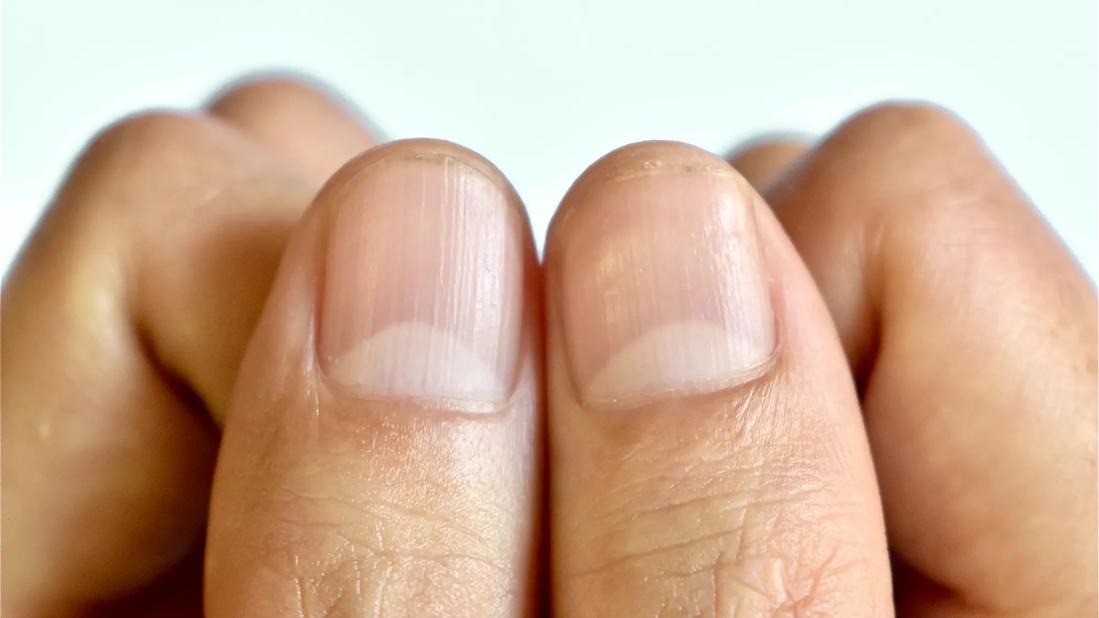
While nail health can sometimes indicate broader wellness, any changes should be interpreted carefully and in context. This guide explains what the lunula is, why it looks different from person to person, and when to seek medical advice about its appearance.
What Is the Lunula?
The term lunula comes from the Latin for “little moon,” referring to its crescent shape. It is the visible portion of the nail matrix—the tissue that produces new nail cells. Positioned just beneath the cuticle, it appears as a pale, whitish arc.
Its lighter color comes from its thick structure, which hides the blood vessels beneath, creating a contrast with the rest of the nail.
Where Is It Most Visible?
The lunula is usually most visible on the thumbs, but it may also appear on the index and middle fingers. It is often less noticeable—or absent—on the ring fingers and pinkies. Visibility can vary due to factors such as:
- Skin tone
- Age
- Nail thickness
- Genetics
- Lighting conditions
According to the American Academy of Dermatology, variations in nail size, color, and shape—including the lunula—are normal and don’t necessarily suggest health problems unless paired with other symptoms.
Is It Normal to Have Small or Invisible Lunulas?

Yes. In many cases, a small or hidden lunula is completely normal. It may be covered by the cuticle, particularly in children, the elderly, or those with smaller nail beds.
Differences in lunula visibility from one finger to another—or between individuals—are common and typically harmless.
When to Pay Attention to Lunula Changes
Although most variations are benign, sudden or widespread changes may be worth noting, especially if other symptoms are present. Some researchers suggest correlations with certain conditions, but these should never be treated as diagnostic without medical evaluation.
1. Disappearing Lunulas
A noticeable reduction across several fingers may be linked with:
- Vitamin B12 or iron deficiency
- Fatigue or chronic stress
- Thyroid dysfunction (e.g., hypothyroidism)
2. Enlarged Lunulas
Larger-than-normal lunulas extending further down the nail plate might be seen in:
- Hyperthyroidism
- Cardiovascular stress
- High metabolic activity
3. Discolored Lunulas
Color changes should always be evaluated, particularly if the lunula appears:
- Blue: possible low oxygen levels or circulation issues
- Red or purple: possible cardiovascular concerns
- Grayish: potential systemic issues or, rarely, heavy metal exposure
These signs matter most when combined with other symptoms such as fatigue, breathing problems, or nail deformities.
What Causes Lunula Changes?
Several factors may alter the lunula’s appearance, including:
- Nutritional deficiencies (biotin, iron, vitamin B12)
- Stress and hormonal changes
- Medical conditions (thyroid, heart, or liver disorders)
- Aging, which slows nail growth
- Injury or trauma to the nail matrix
On their own, lunula changes are rarely a cause for concern.
Supporting Healthy Nails and Lunulas
Strong and healthy nails often reflect overall wellness. According to Harvard Health Publishing, good nail health can be maintained by:
- Eating a balanced diet with protein, iron, zinc, and B vitamins
- Staying hydrated to support nail and skin moisture
- Practicing gentle nail care, avoiding harsh chemicals or rough manicures
- Using protective habits, such as wearing gloves when cleaning or using irritants
When to See a Healthcare Provider
You should consult a professional if you notice:
- Sudden loss or shrinkage of lunulas on several fingers
- Significant discoloration (blue, red, or gray)
- Ridges, indentations, or thickened nail plates
- Other symptoms such as fatigue, cold intolerance, or hair thinning
Early evaluation can rule out or address underlying health issues.
Summary
The lunula—the half-moon shape at the base of your nails—is a normal part of nail anatomy. Its size, shape, and visibility vary widely among individuals and usually don’t indicate illness.
While changes in the lunula may sometimes correlate with health conditions, they should not be relied on alone for diagnosis. The best approach is to observe gradual changes and seek medical advice if shifts occur alongside other concerning symptoms.
The reason dogs often chase people
It’s in a dog’s nature to chase. Whether it’s a bouncing ball, a fluttering leaf, or a passing bicycle, the thrill of pursuit sparks their curiosity and instincts. But if you’ve ever wondered why dogs sometimes chase people, there’s more behind this behavior than simple playfulness.
1. Natural Prey and Chase Instincts
Dogs are descendants of wolves, and while centuries of domestication have softened their hunting drive, many still carry a natural impulse to chase moving objects — including people. Quick or unpredictable movements can trigger this instinct.
2. Protecting Their Territory
Dogs are territorial animals. When a person approaches their home or yard, some dogs perceive it as a potential threat. Barking, growling, or baring teeth are warning signals. If the stranger doesn’t retreat, a chase may follow — not necessarily out of aggression, but from a strong desire to defend their space and keep their family safe.
3. Reacting to the Unknown
New sights, scents, and behaviors can make dogs uneasy. People wear different clothing styles, use unfamiliar gestures, and carry unique scents. Something as simple as sunglasses, a hat, or a deep voice can feel unusual to a dog and trigger defensive barking or chasing.
4. Past Negative Experiences
A dog’s history shapes how it reacts to strangers. If it was frightened, teased, or harmed by a person before, it may be more cautious — even fearful — when encountering new humans. Barking or chasing can be its way of saying, “Stay back; I don’t trust you yet.”
5. Protective Instinct Toward Their Owner
Dogs are famously loyal. When they perceive a stranger as a possible danger to their human, they may bark or chase to “warn off” the newcomer. While this protective instinct is admirable, it can become problematic without proper training.
How to Prevent Aggressive or Fearful Chasing
While chasing can be instinctive, you can help your dog feel safe and react calmly:
- Early socialization — Expose puppies to a variety of people, sounds, and environments so they grow up confident and adaptable.
- Positive reinforcement — Reward your dog with treats and praise when they remain calm around strangers.
- Controlled introductions — When meeting new people, let your dog observe from a distance first and gradually approach.
- Professional training — If your dog shows consistent aggression or fear, seek guidance from a certified trainer or behaviorist.
A Final Thought
Dogs aren’t chasing people to be mean — most of the time, they’re responding to instinct or uncertainty. With patience, training, and positive experiences, your dog can learn to feel safe and friendly around everyone they meet.