Bei Anämie fehlen Ihrem Körper genügend gesunde rote Blutkörperchen, um Ihre Organe und Gewebe ausreichend mit Sauerstoff zu versorgen. Während einige Symptome offensichtlich sind, werden viele leicht übersehen – sie werden mit Alltagsstress oder Erschöpfung verwechselt.
Unbehandelt kann Anämie zu schwerwiegenden Komplikationen führen. Hier sind 12 subtile, aber wichtige Anzeichen, auf die Sie achten sollten:
1. Anhaltende Müdigkeit
Fühlen Sie sich auch nach einer erholsamen Nacht ständig müde? Diese Trägheit könnte auf eine verminderte Sauerstoffzufuhr zu Ihren Muskeln und Ihrem Gehirn zurückzuführen sein, die Sie den ganzen Tag über erschöpft zurücklässt.
2. Blasse oder gelbliche Haut
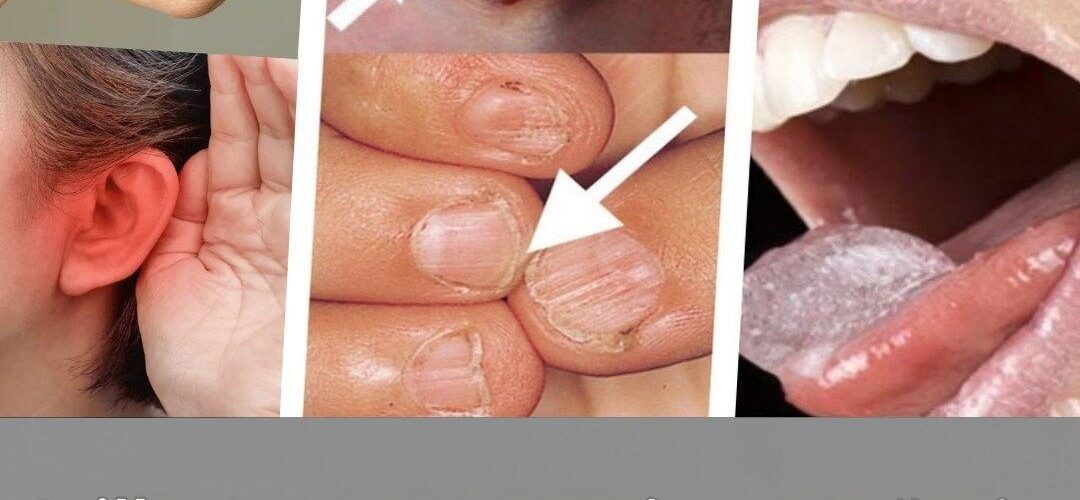
Schauen Sie sich Ihr Gesicht, die Innenseiten der Augenlider oder das Nagelbett an. Wenn diese blass oder leicht gelblich erscheinen, kann dies ein Anzeichen für eine verringerte Anzahl roter Blutkörperchen sein – ein häufiger Hinweis auf Anämie.
3. Kurzatmigkeit
Haben Sie nach leichten Aktivitäten wie Gehen oder Treppensteigen Schwierigkeiten, wieder zu Atem zu kommen? Möglicherweise versucht Ihr Körper, den niedrigen Sauerstoffgehalt durch eine Erhöhung der Atemfrequenz auszugleichen.
4. Schwindel oder Benommenheit
Wenn Sie sich beim Aufstehen oder bei plötzlichen Bewegungen schwindelig fühlen, kann dies auf eine unzureichende Sauerstoffversorgung Ihres Gehirns hinweisen. In schwereren Fällen kann Anämie sogar zu Ohnmachtsanfällen führen.
5. Kalte Hände und Füße
Bei Sauerstoffmangel priorisiert Ihr Körper lebenswichtige Organe. Infolgedessen verringert sich die Durchblutung der Hände und Füße, wodurch diese sich ungewöhnlich kalt anfühlen.
6. Häufige Kopfschmerzen
Wiederkehrende Kopfschmerzen oder Migräne können durch Sauerstoffmangel im Blut ausgelöst werden. Die Blutgefäße im Gehirn können sich als Reaktion darauf erweitern, was Druck und Schmerzen verursacht.
7. Herzklopfen
Wenn Ihr Herz rast oder unregelmäßig schlägt, muss es möglicherweise Überstunden machen, um Sauerstoff zu zirkulieren. Herzklopfen kann ein Warnsignal dafür sein, dass Ihr Herz-Kreislauf-System überlastet ist.
8. Brustschmerzen
Bei schweren oder langwierigen Fällen von Anämie sollten Schmerzen oder Engegefühl in der Brust – insbesondere bei Menschen mit Herzerkrankungen – ernst genommen werden. Dies kann auf eine Überlastung des Herzens hinweisen.
9. Brüchige Nägel oder Haarausfall
Wenn dem Körper Eisen oder Nährstoffe fehlen, werden die Ressourcen von Haaren und Nägeln abgezogen. Dies kann zu dünner werdendem Haar oder brüchigen, brüchigen Nägeln führen.
10. Ungewöhnliches Verlangen (Pica)
Haben Sie Heißhunger auf Eis, Erde, Lehm oder Stärke? Dieser seltsame Drang wird als Pica bezeichnet und kann auf eine Eisenmangelanämie hinweisen.
11. Restless-Legs-Syndrom (RLS)
Anämie, insbesondere Eisenmangel, kann – insbesondere nachts – ein Kribbeln oder Kribbeln in den Beinen verursachen, was zu einem ständigen Bewegungsdrang führt.
12. Appetitlosigkeit
A reduced desire to eat—especially in children—can be an early sign of anemia. Over time, this can affect growth and lead to more nutrient deficiencies.
When to See a Doctor
If you experience several of these symptoms, don’t ignore them. Anemia can be caused by:
- Iron, vitamin B12, or folate deficiency
- Chronic illnesses like kidney disease or cancer
- Heavy menstruation or internal bleeding
- Bone marrow disorders
A simple blood test can confirm if your hemoglobin or iron levels are low.
Treatment and Prevention
Treatment depends on the cause, but the most common type—iron deficiency anemia—is usually managed through:
- Iron-rich foods (red meat, leafy greens, lentils, beans, fortified cereals)
- Iron supplements (as advised by your doctor)
- Vitamin C-rich foods (like oranges, bell peppers, and tomatoes) to improve iron absorption
Other types may require B12 or folate supplements, medications, or even blood transfusions in severe cases.
Final Thoughts
Anemia doesn’t always shout—it often whispers through subtle signs like fatigue, pale skin, and cold extremities. But your body is trying to tell you something.
Listen to those signals. Early diagnosis and treatment can dramatically improve your energy, concentration, and quality of life.
If you found this article helpful, share it with someone who may need it. You just might change a life.
Red, Itchy, and Sweaty Skin are the consequences of having s… See more
Have you been experiencing unexplained sweating, persistent itching, and redness on your skin? While it may seem like a temporary irritation, these symptoms could be indicators of underlying skin conditions—or even a sign of a larger health issue.
In this article, we’ll explore the most common causes of sweating, itching, and redness, how to identify them, and what you can do to find relief. Let’s dive into the facts your skin wants you to know.
Common Causes of Sweating, Itching, and Redness
1. Contact Dermatitis: A Reaction to Your Environment
Contact dermatitis occurs when your skin reacts to something it touches. It’s a common form of eczema caused by either an allergic reaction (allergic contact dermatitis) or direct irritation (irritant contact dermatitis).
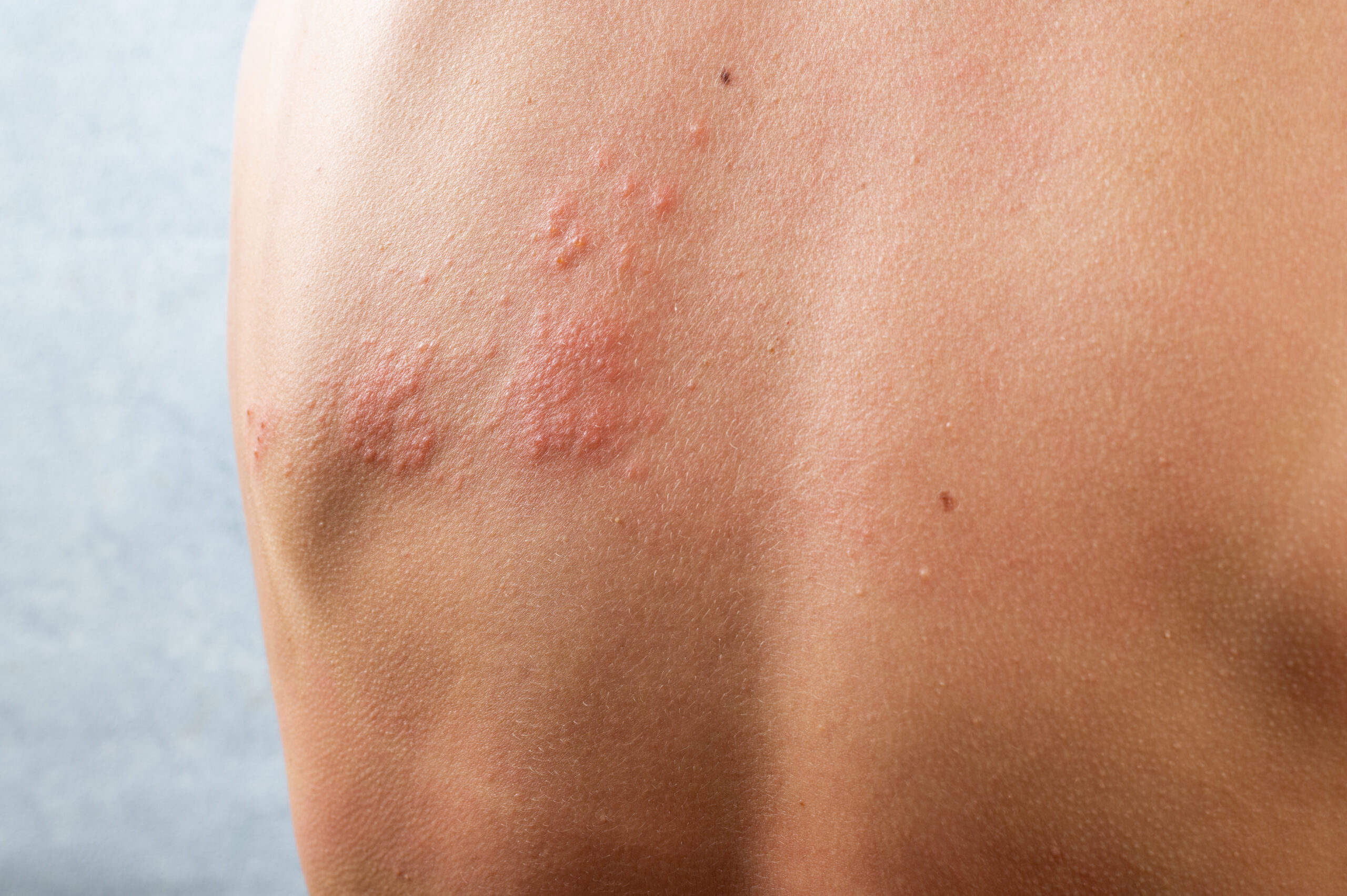
Typical triggers include:
- Soaps and detergents
- Perfumes or cosmetics
- Jewelry (especially nickel)
- Latex or rubber
- Certain fabrics or dyes
Symptoms:
- Red, inflamed skin
- Itching and burning
- Blisters or dry patches
- Often limited to the area of contact
What to do: Avoid the trigger, apply fragrance-free moisturizers, and consider using over-the-counter topical corticosteroids under the guidance of a pharmacist or physician. Severe or recurring cases should be evaluated by a dermatologist.
2. Heat Rash (Miliaria): When Sweat Gets Trapped
Heat rash, or miliaria, develops when sweat ducts become blocked, trapping sweat beneath the skin. This condition is especially common in hot, humid climates and after physical activity.
:quality(85):upscale()/2024/07/17/643/n/1922153/b734bdbd6697d4ae3bfd60.11441998_.jpg)
Common signs include:
- Small red or clear bumps
- A prickling or stinging sensation
- Itchy skin, especially under clothing or in skin folds
- Most often appears on the chest, back, neck, or armpits
What to do: Keep the affected area cool and dry, wear loose clothing, and avoid overheating. The condition usually clears up on its own within a few days.
3. Allergic Reactions: When Your Immune System Overreacts
Allergic skin reactions can occur due to food, insect bites, medications, or environmental allergens like pollen, dust mites, or pet dander.
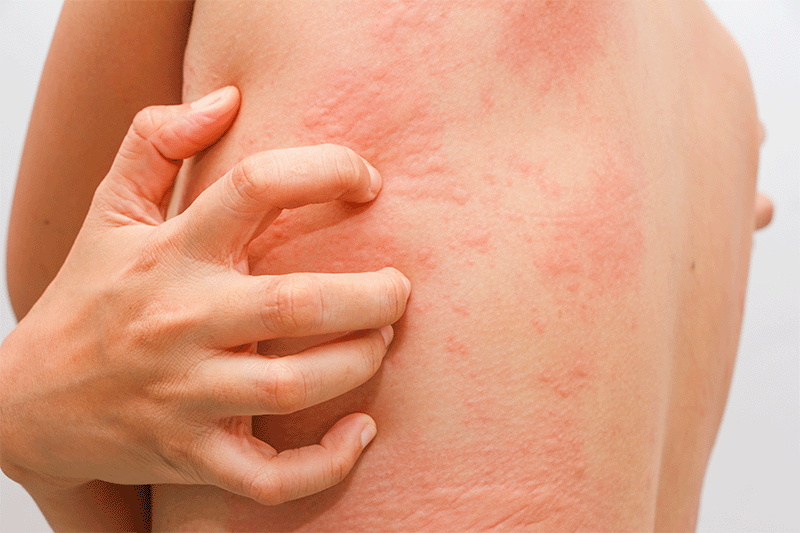
Signs to watch for:
- Hives (raised, itchy welts)
- Red patches or blotchy skin
- Swelling
- In severe cases, difficulty breathing or swallowing (requires emergency care)
What to do: Antihistamines may relieve mild symptoms, but if the reaction involves swelling of the lips, tongue, or airways, seek immediate medical attention. Identifying and avoiding the allergen is key to long-term control.
4. Fungal Infections: When Moisture Breeds Trouble
Fungal infections such as ringworm (tinea), athlete’s foot, and yeast infections thrive in warm, moist environments. These are common in people who sweat heavily or wear tight, non-breathable clothing.
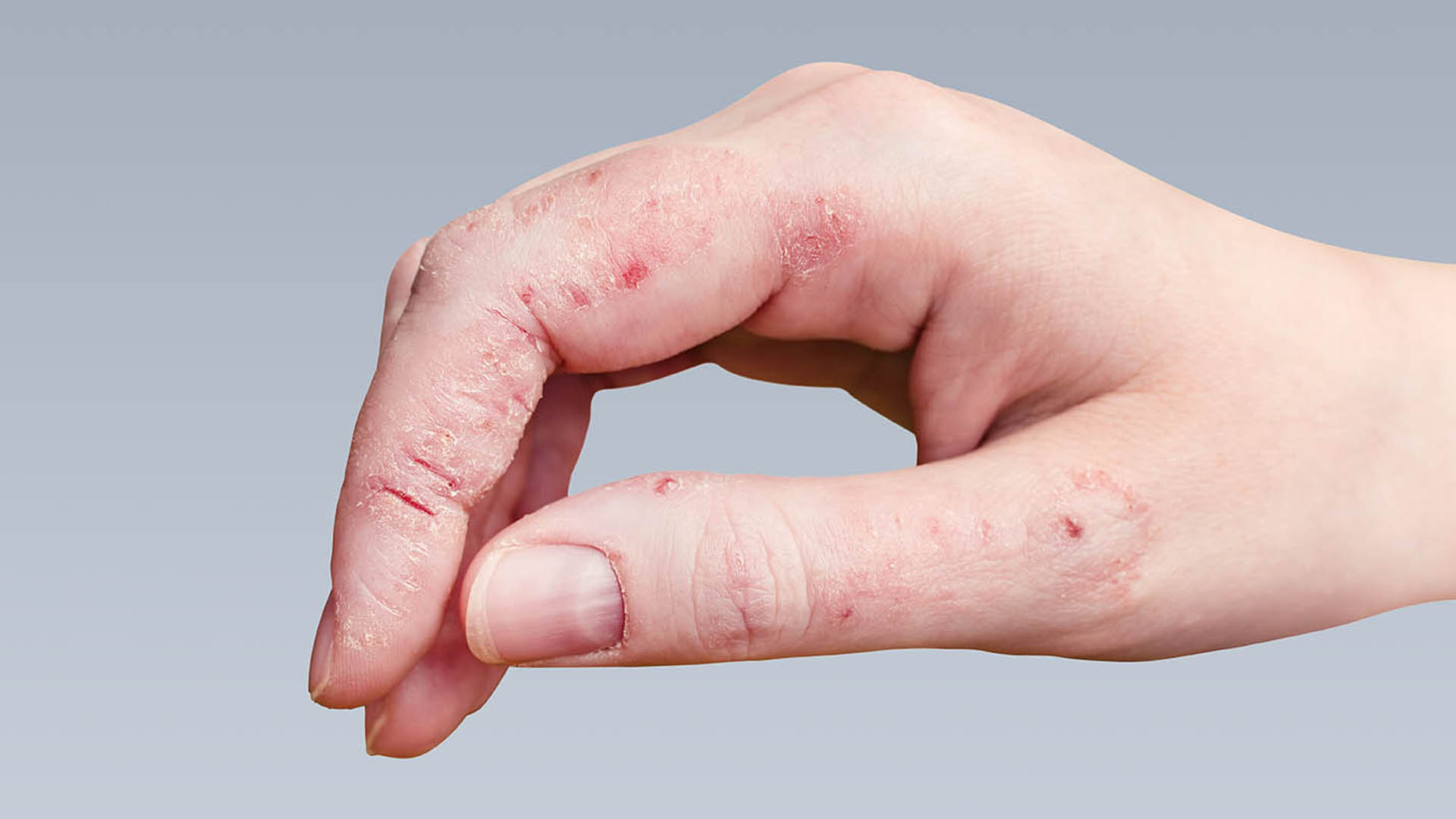
Symptoms may include:
- Itchy, red, circular patches with raised edges
- Peeling or cracked skin
- Burning or stinging sensation
- Often appears on feet, groin, or underarms
What to do: Keep skin dry and clean, use antifungal creams or powders, and avoid sharing personal items. Persistent or severe infections may require prescription treatment.
5. Hyperhidrosis: When Sweating Becomes Excessive
Hyperhidrosis is a condition characterized by excessive sweating beyond what is needed for temperature regulation. It can affect specific areas (such as hands, feet, or armpits) or be more generalized.
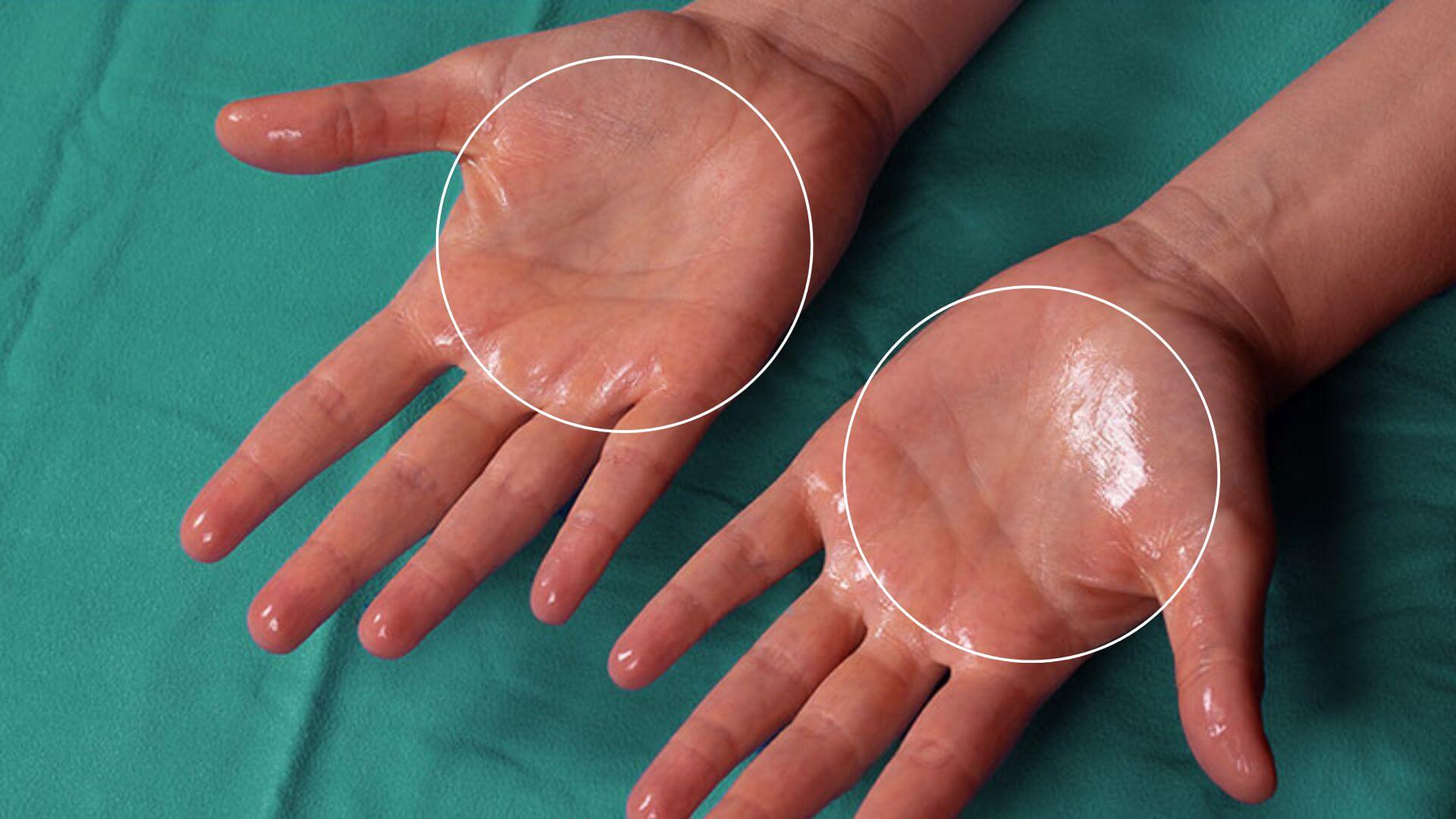
Common symptoms:
- Persistent sweating, even in cool environments
- Skin irritation or breakdown due to constant moisture
- Increased risk of fungal or bacterial skin infections
- May cause emotional or social distress
What to do: Clinical-strength antiperspirants, oral medications, Botox injections, and even surgical options are available depending on severity. A dermatologist can guide you to the best solution.
6. Eczema (Atopic Dermatitis): Chronic Inflammation of the Skin
Eczema is a long-term condition that causes inflamed, itchy, and dry skin. It may flare up periodically and is often associated with asthma or hay fever.

Symptoms include:
- Red, dry, scaly patches
- Itching that can become intense
- Skin thickening or cracking from scratching
- Often affects the elbows, knees, face, or neck
What to do: Moisturize regularly with emollient creams, avoid known triggers (like allergens or stress), and use prescribed topical treatments when needed. Eczema is not contagious but may require long-term management.
7. Psoriasis: When Skin Cells Multiply Too Fast
Psoriasis is an autoimmune skin disease where the immune system speeds up the life cycle of skin cells, causing them to build up rapidly on the surface.
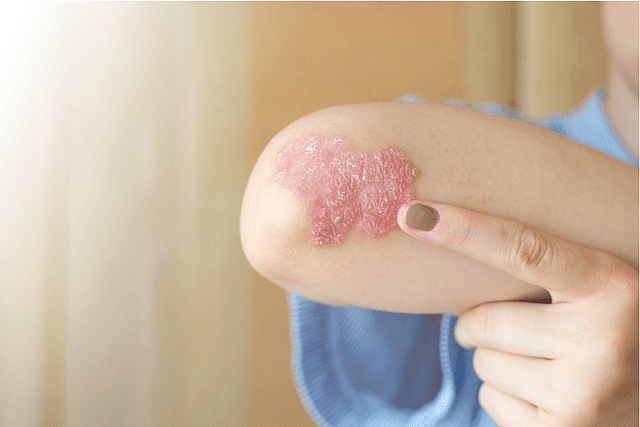
Symptoms to look for:
- Thick, red patches covered with silvery-white scales
- Itching or burning in affected areas
- Commonly appears on the scalp, elbows, knees, and lower back
What to do: Treatments include topical creams, phototherapy, and immune-modulating medications. Psoriasis is not curable but can be controlled with proper care.
When to See a Doctor
While occasional itching and redness can result from minor irritation, recurring or severe symptoms should not be ignored. Seek medical advice if you experience:
- Symptoms lasting more than a week
- Intense or spreading redness
- Open sores or signs of infection (pus, swelling, or fever)
- Disruption of sleep or daily activities due to itching
- Unknown triggers or persistent flare-ups
A dermatologist can help diagnose the underlying issue through skin tests, biopsies, or bloodwork if needed.

Tips for Managing Symptoms at Home
- Stay cool: Use fans or air conditioning and avoid tight clothing.
- Moisturize daily: Choose fragrance-free, hypoallergenic lotions or creams.
- Avoid irritants: Be mindful of soaps, detergents, and perfumes.
- Practice good hygiene: Shower after sweating and wear breathable fabrics.
- Track your symptoms: Keeping a diary of foods, environments, and products may help identify triggers.
Conclusion
Sweating, itching, and redness may seem like minor nuisances, but they can point to larger issues beneath the surface of your skin. From allergic reactions to chronic skin conditions, understanding the potential causes allows you to take control of your health and seek appropriate care.
Always listen to your body—and when in doubt, consult a professional.
The Health Benefits of Sleeping Naked: What Science Actually Says
Sleeping without clothes is not a widely discussed habit, but it is gaining attention due to its potential benefits for health and well-being. So, how much of this is actually supported by science? This article explores what current research and health experts say about the benefits of sleeping nude—from a strictly medical perspective.
1. Improved Sleep Quality Through Temperature Regulation
Maintaining an optimal body temperature is essential for deep sleep. According to the Sleep Foundation, the ideal bedroom temperature for quality sleep is between 60°F and 67°F (15.6°C – 19.4°C). Tight or heavy clothing can interfere with the body’s natural cooling process, especially during hot weather or in poorly ventilated rooms.
Sleeping naked helps the body stay cooler and more easily maintain an optimal temperature. A study published in Brain: A Journal of Neurology found that even a slight drop in core temperature can help the body enter deep sleep more quickly.
2. Supports Natural Melatonin and Cortisol Rhythms
Temperature also affects hormones. Melatonin—the hormone that regulates the sleep–wake cycle—tends to increase in cooler environments. Research from the U.S. National Institutes of Health (NIH) shows that sleeping in a cool environment or without pajamas can naturally enhance melatonin production.
Cooler conditions may also help lower nighttime cortisol levels. Cortisol—often called the “stress hormone”—can disrupt sleep if levels remain high at night. The Endocrine Society has shown that high nighttime temperatures can interfere with healthy cortisol cycles.
3. Benefits for Skin Health and Hygiene
Tight clothing, especially synthetic fabrics, can trap heat and moisture, creating conditions for irritation or infection. The American Academy of Dermatology notes that allowing the skin to “breathe” at night can reduce the risk of rashes, yeast infections, and other skin problems in sensitive areas.
Although not a cure-all, sleeping nude improves airflow and reduces friction, which can support healthier and more comfortable skin.
4. Enhances Intimacy and Connection
Skin-to-skin contact between partners can stimulate the release of oxytocin—the bonding and stress-reducing hormone. Frontiers in Psychology highlights that physical closeness, even through non-sexual touch, fosters emotional connection, trust, and lower stress.
That said, this remains a personal choice. Intimacy depends not only on sleeping nude but also on communication, emotional connection, and mutual comfort.
5. May Improve Blood Circulation
Some medical experts suggest that restrictive clothing—such as tight waistbands, underwear, or socks—may affect circulation when worn all night. According to Harvard Health Publishing, allowing the body to rest without constriction may benefit people who struggle with circulation-related discomfort during sleep.
This does not mean all clothing disrupts circulation, but removing tight garments may ease pressure for some individuals.
6. May Reduce Infection Risks (If Hygiene Is Maintained)
People prone to yeast infections or fungal issues—especially in warm, humid climates—may benefit from sleeping without clothing. Cleveland Clinic notes that hot and moist environments encourage the growth of Candida, the fungus responsible for yeast infections.
However, proper hygiene is essential. Sleeping nude on dirty sheets or in unclean environments can increase the risk of other skin conditions.
7. Psychological and Emotional Comfort
Some individuals feel more relaxed and comfortable when sleeping naked. Although this is subjective, the psychological component of sleep is crucial. The American Psychological Association notes that reducing physical discomfort and promoting a sense of ease before bedtime can significantly improve mental rest and relaxation.
Conclusion: Is Sleeping Naked Right for You?
Sleeping without clothes offers several potential benefits for health and comfort, but the choice depends on personal habits, cultural norms, and lifestyle. Those with certain medical conditions, sensitive skin, or who share a room may prefer loose, breathable sleepwear instead.
The key point is that sleepwear should support comfort, temperature regulation, and hygiene. Whether you choose to sleep nude or in lightweight clothing, the ultimate goal is restorative, high-quality rest.
8 Warning Signs of Oral Cancer
The mouth (oral cavity) is the beginning of the digestive tract, serving as the connection between the inside and outside of the body. It includes the lips, cheeks, teeth, gums, soft and hard palate, tongue, tonsils, and salivary glands.
Oral cancer is a malignant disease that can develop in any part of this cavity. Because its symptoms often resemble those of common mouth infections or inflammation, it is frequently diagnosed only in the later stages.
Stages of Oral Cancer
Oral cancer is divided into four stages based on the tumor’s size and its spread (metastasis):
- Stage 1: The tumor is less than 2 cm in size and has not spread to lymph nodes.
- Stage 2: The tumor measures between 2–4 cm and has not yet spread to lymph nodes.
- Stage 3: The tumor is larger than 4 cm but has not reached lymph nodes, or it can be any size but has spread to one lymph node without reaching other organs.
- Stage 4: The tumor can be of any size, and cancer cells have spread to nearby tissues, lymph nodes, or distant organs.
8 Warning Signs of Oral Cancer
- Persistent pain in the mouth:
Unexplained pain in the oral cavity that worsens over time. If ulcers or lesions appear, they may become increasingly painful. When cancer cells invade nearby nerves, pain can radiate to the ear or throat. - Changes in mucosal color:
In healthy individuals, the oral lining is light pink. In those with oral cancer, it may appear pale or dark due to epithelial cell changes. - Swollen lymph nodes in the neck:
Oral cancer often spreads to the cervical lymph nodes, causing sudden swelling in the neck. - Difficulty moving the mouth:
When the tumor invades the jaw muscles, opening or moving the mouth becomes painful and stiff. - Non-healing mouth ulcers:
Sores resembling canker sores that do not heal after two weeks, accompanied by burning or pain. - Tongue stiffness or numbness:
The tongue loses flexibility, making it hard to eat, speak, or swallow. Some may experience numbness, loss of sensation, or unexplained nosebleeds due to nerve involvement. - Unhealed wounds after tooth extraction:
Swelling, redness, and bleeding easily occur at the site of extraction or other oral lesions. Patients may also notice loose or falling teeth and facial asymmetry. - Mundblutungen:
Dies ist ein ernstes Symptom und weist oft darauf hin, dass die Krankheit fortgeschritten ist. Schon leichter Kontakt kann zu Blutungen führen.
Risikofaktoren für Mundkrebs
- Tabak- und Alkoholkonsum:
Dies sind die beiden Hauptursachen für Kopf- und Halskrebs, einschließlich Mundkrebs. - Virusinfektionen:
Infektionen mit dem Herpes-simplex-Virus oder dem Humanen Papillomavirus (HPV) erhöhen das Krebsrisiko. - Genetische und systemische Faktoren:
Erkrankungen wie Xeroderma pigmentosum, Anämie oder das Fanconi-Syndrom können dazu beitragen. - Präkanzeröse orale Läsionen:
Wie Leukoplakie, Erythroplakie, chronische hyperplastische Candidiasis oder anhaltende traumatische Geschwüre.
Verhütung
So verhindern Sie Mundkrebs:
- Hören Sie mit dem Rauchen auf und schränken Sie Ihren Alkoholkonsum ein, um die Belastung durch Karzinogene zu verringern.
- Essen Sie mehr vitaminreiches Gemüse und Obst, insbesondere Karotten.
- Lassen Sie alle sechs Monate Ihre Zähne und Mundhöhle untersuchen, um Anomalien frühzeitig zu erkennen.