
Früherkennung kann bei Krebs entscheidend sein. Manche Symptome mögen zwar mild oder unauffällig erscheinen, können aber Frühwarnzeichen für eine ernstere Erkrankung sein. Wenn Sie auf subtile Veränderungen in Ihrem Körper achten und schnell darauf reagieren, kann dies zu einer früheren Diagnose und besseren Ergebnissen führen.
Nachfolgend finden Sie fünf wichtige Warnsignale , die auf eine Krebserkrankung hinweisen können. Diese Symptome deuten zwar nicht immer auf Krebs hin, sollten aber nicht ignoriert werden – insbesondere, wenn sie anhalten oder sich mit der Zeit verschlimmern.
1. Unerklärlicher Gewichtsverlust
Wenn Sie ohne Anstrengung abnehmen – insbesondere mehr als 5 Kilogramm (ca. 10 Pfund) – könnte das ein Warnsignal sein. Plötzlicher, unerklärlicher Gewichtsverlust kann mit Krebserkrankungen der Bauchspeicheldrüse, des Magens, der Lunge oder der Speiseröhre zusammenhängen. Krebszellen können die Art und Weise verändern, wie Ihr Körper Nährstoffe und Kalorien verarbeitet, was zu schnellen Gewichtsveränderungen führt.
Worauf Sie achten sollten:
- Sie machen keine Diät und trainieren nicht mehr, verlieren aber trotzdem Gewicht
- Appetitlosigkeit oder schnelles Sättigungsgefühl
2. Anhaltende Müdigkeit
Dies ist nicht die übliche Müdigkeit nach einem anstrengenden Tag – krebsbedingte Müdigkeit lässt durch Ruhe nicht nach. Sie kann ein frühes Anzeichen für Leukämie oder Dickdarm- oder Magenkrebs sein, bei denen innere Blutungen zu einem ständigen Erschöpfungsgefühl beitragen können.
Worauf Sie achten sollten:
- Langanhaltende Erschöpfung trotz Schlaf und Ruhe
- Kurzatmigkeit oder Schwäche bei alltäglichen Aufgaben
3. Ungewöhnliche Schmerzen oder Beschwerden
Anhaltende Schmerzen – ob im Rücken, Bauch, Brustkorb oder in den Knochen – können auf ein tieferes Problem hinweisen. Bestimmte Krebsarten drücken auf Nerven oder Organe und verursachen chronische Schmerzen, die nicht verschwinden.
Worauf Sie achten sollten:
- Anhaltende Kopfschmerzen, Rückenschmerzen oder Bauchbeschwerden
- Schmerzen, die sich mit der Zeit verschlimmern oder keine eindeutige Ursache haben
4. Veränderungen der Haut oder Muttermale
Ihre Haut kann häufig Anzeichen von Krebs, insbesondere Melanomen (Hautkrebs), aufweisen. Andere Veränderungen wie Gelbfärbung, Verdunkelung oder Rötung der Haut können jedoch auf innere Krebserkrankungen hinweisen.
Worauf Sie achten sollten:
- Neue Muttermale oder Veränderungen bestehender Muttermale (Form, Farbe, Größe)
- Haut, die juckt, blutet oder nicht heilt
- Gelbsucht (Gelbfärbung der Augen oder der Haut)
5. Anhaltender Husten oder Heiserkeit
Ein anhaltender Husten – insbesondere wenn er trocken, schmerzhaft oder blutig ist – kann ein frühes Symptom für Lungen-, Rachen- oder Schilddrüsenkrebs sein. Hält die Heiserkeit länger als drei Wochen an, ist ärztliche Hilfe erforderlich.
Worauf Sie achten sollten:
- Chronischer Husten ohne Infektion
- Heiserkeit oder Schwierigkeiten beim Sprechen
- Kurzatmigkeit oder Brustschmerzen
Wann Sie einen Arzt aufsuchen sollten
Es ist wichtig, nicht in Panik zu geraten – viele dieser Symptome können auch durch andere, nicht krebsartige Erkrankungen verursacht werden. Wenn Sie jedoch eines dieser Anzeichen länger als 2-3 Wochen bemerken , wenden Sie sich am besten an einen Arzt. Frühzeitiges Eingreifen kann Ihr Leben retten.
Abschließende Gedanken
Krebs kann im Frühstadium unbemerkt auftreten, doch Ihr Körper gibt oft kleine Hinweise. Achten Sie auf diese Warnsignale und vertrauen Sie Ihrem Instinkt. Früherkennung ist eines der wirksamsten Mittel im Kampf gegen Krebs.
Bleiben Sie informiert. Bleiben Sie aufmerksam. Ihre Gesundheit ist es wert.
10 Signs You Might Have Parasites
The symptoms of parasitic infections often result from the toxins these organisms release into the human bloodstream. Intestinal parasites are among the most noticeable because of the severe and uncomfortable symptoms they cause. Different types of parasites can lead to a wide range of physical effects. Below are some of the most common signs of a parasitic infection:
1. Digestive Issues
Unexplained constipation, diarrhea, bloating, gas, heartburn, or nausea may signal a parasitic infection. Because intestinal parasites typically settle in your gastrointestinal (GI) tract, they trigger immune responses that lead to various symptoms depending on the organism involved.
Many of these digestive problems are often mistaken for Irritable Bowel Syndrome (IBS). Doctors may not routinely test for parasites because such infections are less common, and standard lab tests might not detect them. More sensitive diagnostic tools, such as GI-MAP, can help identify whether your unusual digestive symptoms are linked to unwanted invaders.
2. Fatigue or Chronic Exhaustion
Parasites place a heavy burden on the body, often causing persistent tiredness, mood swings, depression, headaches, memory issues, or general apathy.
Certain intestinal parasites, such as Giardia, can trigger chronic fatigue syndrome by interfering with nutrient absorption — especially iron and vitamin B12 — leading to fatigue and lack of motivation without any clear cause.
3. Skin Problems
Unexplained rashes, hives, eczema, or redness can also point to parasitic activity. If your skin irritation or itchiness doesn’t improve with typical treatments, parasites might be the underlying reason.
Parasites can stimulate the body to produce Immunoglobulin E (IgE) antibodies, which trigger allergic reactions that manifest as persistent or mysterious skin issues.
4. Muscle and Joint Pain
Some parasites can invade muscle and joint tissue, releasing toxins that cause inflammation and discomfort.
For example, Trichinosis — caused by roundworms from undercooked or raw meat — can result in joint and muscle pain. Persistent soreness that doesn’t improve with normal remedies may indicate a parasitic infection.
5. Anemia
Certain parasites feed on red blood cells or cause intestinal bleeding, leading to iron-deficiency anemia. These blood-feeding organisms deplete iron and protein, leaving the body unable to produce enough red blood cells.
This blood loss can result in weakness, dizziness, and low energy, as your body struggles to maintain its normal functions.
6. Never Feeling Full After Meals
If you constantly feel hungry and unsatisfied even after eating, parasites could be to blame. Some, like tapeworms, consume the nutrients from your food, leaving you perpetually hungry despite regular meals.
Others cause bloating and nausea, reducing your appetite but still disturbing your digestive balance.
7. Itching
Parasitic infections can cause itching — especially when parasites burrow under the skin or lay eggs. Pinworms, for example, often cause itching around the anus.
When the immune system detects these invaders, it releases IgE antibodies, which can lead to allergic reactions such as intense or localized itching.
8. Teeth Grinding (Bruxism)
Grinding your teeth during sleep may be linked to parasites. The toxins they release can affect your nervous system, leading to anxiety, restlessness, and nighttime teeth grinding.
If you wake up with a clenched jaw or notice tooth wear, bruxism caused by parasitic stress could be a factor.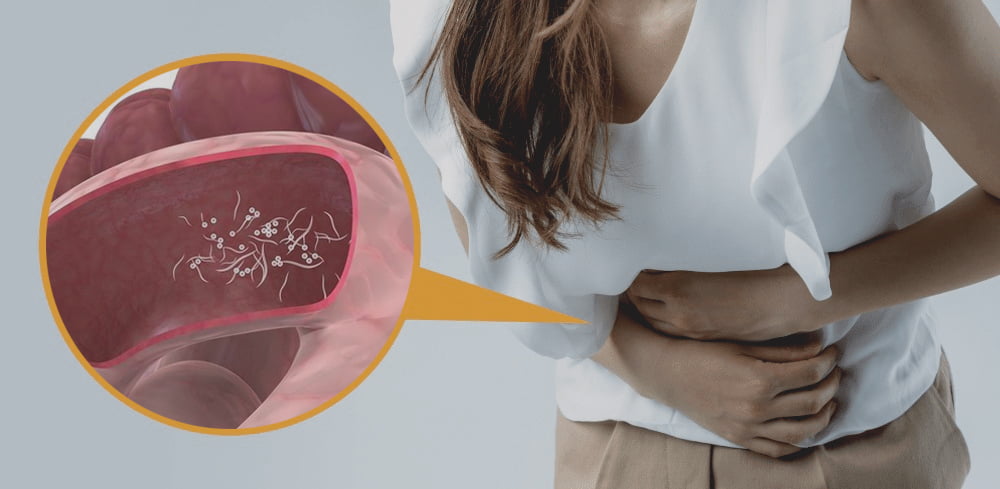
9. Insomnia
Parasites can disrupt your sleep by causing discomfort or because many are more active at night. You may have difficulty falling asleep or wake up frequently without understanding why your sleep pattern has changed.
10. Bloating
Some intestinal parasites, like Giardia, can cause excess gas buildup in the digestive tract, leading to bloating and abdominal distension. Persistent bloating that doesn’t resolve with dietary changes may indicate an infection.
Final Thoughts
The severity and duration of symptoms vary depending on the type of parasite. Complications are more common in older adults and people with weakened immune systems. It’s also possible to carry parasites without showing any symptoms at all.
Healthcare professionals emphasize that individuals respond differently to infections — for instance, some people infected with Ascaris worms may have no noticeable signs. Proper testing and medical consultation are essential for accurate diagnosis and treatment.
If your mouth feels dry at night, here are 8 reasons why
Despite having a full night’s rest, many people still get up feeling sleepy and lacking energy. One possible cause is mouth dryness, a seemingly minor issue that can impact the entire body.
Waking up with your mouth feeling like parched paper isn’t just a matter of discomfort, it can signal that something might be wrong.
This problem usually presents itself in the latter stage of sleep and is due to many interrelated factors, and while it’s not something that should be ignored, many people take little notice when their mouth becomes dry at night.
Being aware of the causes and dealing correctly with it can significantly improve both sleep quality and general health.
1. Digestive Issues
What you eat before you sleep can affect how well your digestive system works. Some foods are particularly a bad choice for nighttime snacks, including greasy, spicy, and salty foods. The reason to avoid them before bed is that they irritate your digestive system and make it harder for the body to process meals while you’re sleeping.
These types of foods use the water of the body and can also increase fat and blood pressure, further exacerbating digestion. As the body continues to process food while you sleep, it will take fluids from other areas, which can lead to a dry mouth in the morning.
2. Liver Problems
The liver is responsible for filtering toxins from your body. When it becomes inflamed or doesn’t work properly, toxins can accumulate in the system. A subtle sign of liver trouble is waking up with a dry mouth during sleep. If it happens often and for no obvious reason, it’s important seek medical advice.
3. Dehydration
One very common reason for dry mouth at night comes down to not drinking enough water throughout the day. Even while you sleep, your body still uses and loses water via respiration, among other basic functions. Low hydration can result in a dry mouth, so drink water consistently throughout the day to avoid this from happening.
4. Oral Diseases
Diseases like gingivitis, periodontitis, and cavities are signs of poor oral hygiene and can cause harmful bacteria to multiply in the mouth. Over the course of the night, these bacteria can accumulate and lead to inflammation and dryness.
This can be prevented with regular brushing, flossing, and visits to the dentist to prevent oral infections from developing.
5. Diabetes
People with diabetes often experience dry mouth, especially at night. High blood sugar levels make your kidneys work harder to eliminate excess sugar through urine. This leads to fluid loss and dehydration. As a result, your mouth may feel unusually dry during sleep.
6. Bile Reflux

Bile reflux can also contribute to dry mouth at night, along with other digestive discomforts. Supporting and maintaining liver health is important for managing this problem.
7. Fever
When you have a fever, your body temperature rises, causing you to lose more fluids than usual. This can lead to a dry mouth and a burning or itchy sensation. Drinking water and reducing the fever through rest or medication can help relieve these symptoms.
8. Hyperthyroidism
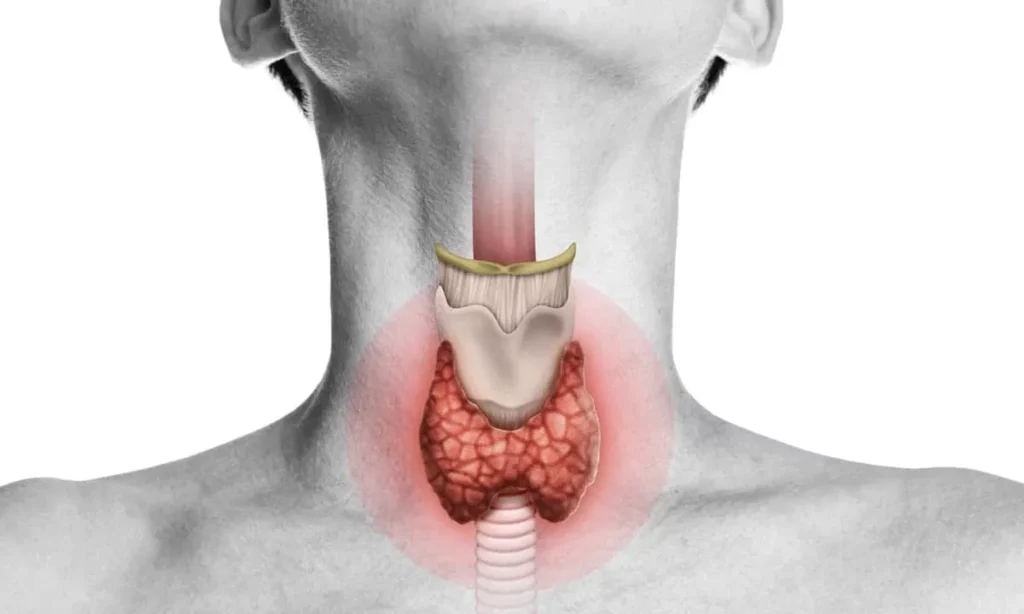
An overactive thyroid speeds up metabolism, which increases the body’s need for water and overstimulates the nervous system. As a result, the mouth may feel extremely dry, even during sleep.
If you find that you often get dry mouth at night, taking a closer look at your diet, hydration, and oral hygiene habits may be helpful.
If the problem doesn’t go away in spite of this, it would be best to consult a doctor to see if there are any underlying medical conditions causing it.
Unveil Colgate’s Surprising Secret for Softer Feet
Picture this: you slip into your favorite slippers after a long day, only to be met with the sting of cracked heels. The rough, dry skin tugs with every step, turning something as simple as walking barefoot into a painful chore. Lotions and creams promise relief, yet the discomfort lingers. But what if a common bathroom essential—Colgate toothpaste—held an unexpected trick for smoother soles? With its cooling mint and gentle fizz, this everyday staple has stirred curiosity among home remedy enthusiasts. But does it really work? Let’s take a closer look.
The Hidden Struggle of Cracked Heels
Cracked feet often start small—tiny lines from cold winters or endless sandal days. Over time, they deepen into fissures that snag socks and spark embarrassment at the pool. Studies suggest over 20% of adults deal with cracked feet every year. The problem isn’t just cosmetic: untreated cracks can cause soreness or even minor infections. You scrub, moisturize, repeat—but the cycle continues. What really drives this condition, and could toothpaste play a role in breaking it?
Why Cracked Feet Persist
- Dry Air: Low humidity strips skin of moisture.
- Pressure & Shoes: Long hours standing or ill-fitting shoes worsen stress on heels.
- Aging & Hormones: Thickened heel skin becomes prone to splitting.
Research even shows a 30% spike in foot cracks during fall’s dry climate. The catch? Regular lotions often don’t penetrate deeply enough to break the cycle. But that’s where a surprising twist—like toothpaste—may lend a hand.
Colgate’s Minty Foot Benefits
1. Quick Cooling Relief
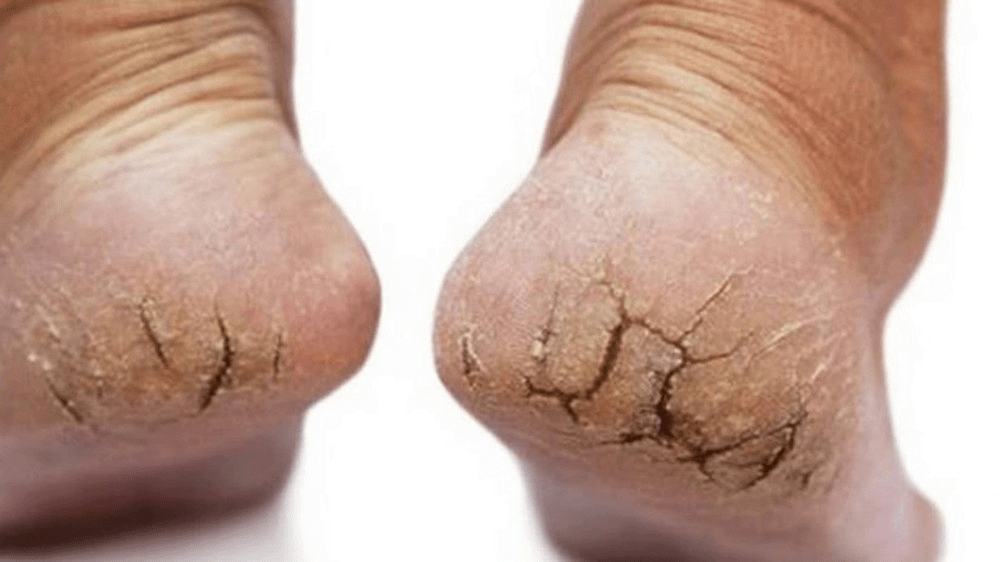
Linda, 52, dreaded walking through the grocery store, each step sending jolts of pain. A dab of Colgate before bed brought a refreshing chill, easing discomfort by morning. The menthol content may provide that icy, soothing effect.
2. Gentle Exfoliation
Tom, 48, hid his heels in boots year-round. Mixing Colgate with lemon juice created a mild scrub that softened rough buildup. Its baking soda helps slough off dead skin, leaving behind smoother soles.
3. Budget-Friendly Care
Foot treatments add up fast—$40 to $50 for scrubs and spa visits. Colgate, under $3, becomes an affordable alternative for simple at-home care. Maria, 55, found her heels softening without straining her budget.
4. Antibacterial Protection
Cracks can invite bacteria. John, 50, noticed flare-ups after long shifts. Colgate contains antibacterial agents that may help protect minor splits, acting as a simple safeguard.
5. Energizing Tingle
Sarah, 47, often ended days with aching feet. A Colgate rub before sleep offered a tingling refresh that left her mornings lighter, almost spa-like.
6. Pantry-Friendly Blends
Lisa, 53, boosted results by mixing Colgate with tomato pulp. The combination added hydration while locking in freshness—an easy, natural upgrade.
7. Confidence in Every Step
Emily, 49, once dreaded beach days. With weekly Colgate sessions, her heels looked smoother, and her confidence soared. Sandals no longer felt off-limits.
How to Try Colgate for Feet (Safely)
| Step | What to Do | Extra Tip |
|---|---|---|
| Soak | Warm water soak, 10 minutes | Add Epsom salt for extra relief |
| Apply | A pea-sized dab on cracks | Massage gently; avoid open wounds |
| Seal & Sleep | Wear cotton socks overnight | Rinse in the morning and moisturize |
✨ Patch-test first to avoid irritation. Toothpaste is a supportive trick, not a medical treatment. For persistent or severe cracks, consult a dermatologist or podiatrist.
Step Into Softer Days Ahead
Why let cracked heels keep you from comfort and confidence? Colgate’s cooling, exfoliating, and antibacterial properties may just give your soles the boost they need. Imagine walking across cool tiles without a wince—or slipping into sandals without hesitation. All it takes is a squeeze from the tube already in your bathroom drawer.
Reminder: This information is for general use only and not a substitute for professional medical advice.