
Cashewnüsse, oft für ihre cremige Textur und ihren intensiven Geschmack geschätzt, sind nicht nur ein köstlicher Snack, sondern auch ein wahres Kraftpaket an essentiellen Nährstoffen. Eingeweicht werden diese Nüsse noch bekömmlicher, da sie besser verdaulich und nährstoffreich sind. Der Verzehr von eingeweichten Cashewnüssen in Ihrer täglichen Ernährung kann zahlreiche gesundheitliche Vorteile mit sich bringen. Hier sind fünf überzeugende Gründe, täglich eingeweichte Cashewnüsse zu genießen:

1. Unterstützt die Herzgesundheit
Eingeweichte Cashewnüsse sind reich an einfach und mehrfach ungesättigten Fettsäuren, die sich positiv auf die Herz-Kreislauf-Gesundheit auswirken. Diese gesunden Fette tragen dazu bei, das HDL-Cholesterin (High-Density-Lipoprotein) zu erhöhen und das LDL-Cholesterin (Low-Density-Lipoprotein) zu senken, wodurch das Risiko von Herzerkrankungen verringert wird. Darüber hinaus trägt der Magnesiumgehalt in Cashewnüssen zur Regulierung des Blutdrucks und zur Verbesserung der Durchblutung bei.

2. Verbessert die kognitive Funktion
Eingeweichte Cashewnüsse sind reich an wichtigen Nährstoffen wie Zink, Eisen und Magnesium und unterstützen die Gehirngesundheit. Eisen verbessert die Sauerstoffversorgung des Gehirns und fördert so kognitive Funktionen wie Gedächtnis und Konzentration. Darüber hinaus enthalten Cashewnüsse Tryptophan, eine Aminosäure, die die Produktion von Serotonin, dem Wohlfühlhormon, fördert, das die Stimmung heben und Stress abbauen kann.

3. Unterstützt die Verdauungsgesundheit
Das Einweichen von Cashewnüssen reduziert ihren Phytinsäuregehalt, eine Verbindung, die die Nährstoffaufnahme behindern kann. Dieser Prozess macht die Nüsse leichter verdaulich und ermöglicht Ihrem Körper eine bessere Aufnahme von Vitaminen und Mineralstoffen. Darüber hinaus fördern die Ballaststoffe in Cashewnüssen einen gesunden Darm, indem sie Verstopfung vorbeugen und einen regelmäßigen Stuhlgang unterstützen.

4. Stärkt die Knochen
Eingeweichte Cashewnüsse sind reich an Mineralien wie Magnesium, Kalzium und Phosphor und tragen so zur Erhaltung starker und gesunder Knochen bei. Regelmäßiger Verzehr kann dazu beitragen, die Knochendichte zu erhalten und das Osteoporoserisiko zu senken. Das in Cashewnüssen enthaltene Vitamin K fördert zudem die Kalziumaufnahme und stärkt so die Knochengesundheit.

5. Verbessert die Gesundheit von Haut und Haar
Cashewnüsse sind eine hervorragende Kupferquelle, ein Mineral, das für die Produktion von Kollagen und Elastin wichtig ist, welche wiederum die Elastizität und Festigkeit der Haut erhalten. Eine ausreichende Kupferzufuhr kann zu gesünderer, jugendlicher aussehender Haut führen. Darüber hinaus trägt Kupfer dazu bei, vorzeitigem Ergrauen der Haare vorzubeugen und sorgt für kräftigeres und lebendigeres Haar.
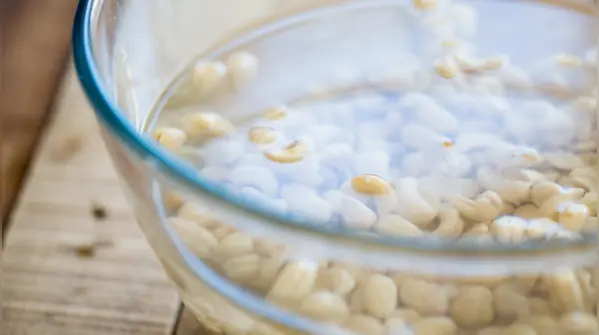
Zubereitung eingeweichter Cashewnüsse
Um den größtmöglichen Nutzen zu erzielen, legen Sie eine Handvoll Cashewnüsse über Nacht oder mindestens 4–5 Stunden in Wasser ein. Nach dem Einweichen abtropfen lassen und vor dem Verzehr abspülen. Sie können eingeweichte Cashewnüsse pur genießen oder sie in Smoothies, Salate oder Desserts einarbeiten, um ihnen eine cremige Textur und ein reichhaltiges Aroma zu verleihen.
Indem Sie eingeweichte Cashewnüsse in Ihre tägliche Ernährung aufnehmen, können Sie von ihrem verbesserten Nährwertprofil profitieren und Ihre allgemeine Gesundheit und Ihr Wohlbefinden unterstützen.
Debunking the Hype: Can One Food Really Rebuild Knee Cartilage Overnight?
Picture this: You’re scrolling through your feed late at night, knees aching from a long day, when a video pops up. A 97-year-old orthopedic doctor, eyes twinkling with wisdom, leans in and whispers, “This one food can rebuild your knee cartilage in just 24 hours.” Your heart races—could it be that simple? A steaming bowl of something miraculous, and poof, pain gone? The steam rises, carrying hints of savory warmth, promising relief. But hold on. What if I told you this viral claim is more clickbait than cure? Let’s unpack the buzz, the science, and what might actually help your joints feel better. Ready to separate fact from fantasy?
The Viral Claim That’s Capturing Clicks
You’ve seen it everywhere—YouTube thumbnails, Facebook shares, Reddit threads. The headline screams urgency: a centenarian surgeon unveiling a “secret” food that regenerates knee cartilage overnight. But here’s the twist: no credible source backs this up. Searches reveal a flood of videos from 2025, each recycling the same sensational script without naming the doctor or food. It’s the digital equivalent of a chain email—enticing, but empty. Why does it spread? Because knee pain affects over 30% of adults over 50, turning desperation into dollars for ad revenue. Ever felt that sharp twinge climbing stairs, wondering if relief is a myth? You’re not alone. But before you chase shadows, let’s face the real problem head-on.
Why Knee Cartilage Breaks Down—and Why “24 Hours” Is Wishful Thinking
Knee cartilage, that slick cushion between bones, doesn’t regenerate like skin or muscle. It’s avascular—lacking blood supply—which slows repair to a crawl. Age, injury, or extra pounds grind it down, leading to osteoarthritis in 1 in 4 Americans by age 85. The fallout? Stiffness that steals your mornings, pain that sidelines hikes, frustration building like storm clouds. Studies show inflammation accelerates this wear, but no single food flips the switch overnight. Imagine your knee as an old bridge—rust doesn’t vanish with one coat of paint. So, what does work? Hang tight; the evidence points to steady, smart choices. Curious if diet plays a role at all?
The Science of Cartilage Support: No Miracles, Just Momentum
Cartilage rebuilds slowly, if at all, but nutrients can nurture it. Collagen, the protein scaffolding of joints, needs building blocks like amino acids and vitamin C. Antioxidants fight inflammation, while omega-3s lubricate from within. A 2020 Stanford study sparked hope with stem cell tricks for regrowth, but that’s lab-bound, not kitchen-ready. Real progress? Consistent habits over months. Ever wondered why some swear by grandma’s remedies while others pop pills? It’s the slow burn of science meeting stories. But wait—could one overlooked food tip the scales? Let’s count down the top contenders, starting small and building to game-changers.

Top 9 Foods That May Nurture Knee Cartilage
These aren’t overnight fixes, but research suggests they support joint health over time. Each starts with a quick tale—because who doesn’t love a good comeback story? We’ll weave in evidence, keeping it real. Think of this as your roadmap to resilient knees.
9. Legumes: The Humble Protein Powerhouse
Sarah, 58, winced at every squat, her desk job dooming her to stiff mornings. Beans felt boring—until she stirred lentils into soups, their earthy scent filling her kitchen. Suddenly, her post-yoga stretches eased up. Legumes pack lysine, an amino acid key to collagen synthesis, plus anti-inflammatory fiber. A 2023 review in Nutrients linked them to lower OA markers. Sarah’s tip: Mash chickpeas into hummus for a creamy dip that beats boredom. Feeling skeptical about beans for bones? The next one’s sweeter.
8. Nuts and Seeds: Magnesium’s Mighty Helpers
Tom, 62, gripped railings on stairs, his knees protesting like rusty hinges. Almonds were his vice—crunchy, satisfying, with that nutty aroma wafting from his trail mix. Weeks in, he hiked without huffing. Magnesium in nuts aids hyaluronic acid absorption, a joint lubricant. Harvard studies note it curbs inflammation. Tom’s secret: Sprinkle sesame on salads for an exotic twist. But nuts add up calories—watch portions. Wondering about something greener? Keep going.
7. Berries: Antioxidant Burst for Inflamed Joints
Lisa, 55, skipped berry season, her blueberry bushes overgrown. One tart bite changed everything—the juicy pop, vibrant hue. Her knee swells faded after a month of smoothies. Blueberries’ anthocyanins shield cartilage from oxidative stress, per a 2024 Journal of Orthopaedic Research study. Lisa blended them frozen for icy relief. Ever thought fruit could fortify your frame? The next benefit brews warmer.
6. Leafy Greens: Vitamin K’s Green Guardians
Mark, 60, eyed spinach warily—slimy in salads, bland boiled. Sautéed with garlic, its fresh, peppery bite hooked him. His creaky knees quieted during garden walks. Vitamin K in greens like kale supports bone mineralization around cartilage. A Lancet meta-analysis tied higher intake to 20% less OA progression. Mark’s hack: Wilt in olive oil for silkiness. Think veggies can’t rebuild? The sea’s calling next.
5. Fatty Fish: Omega-3’s Soothing Swirl
Emma, 51, loathed fishy smells, but grilled salmon’s flaky tenderness won her over—smoky, moist, divine. Her post-run aches dulled. Omega-3s reduce joint inflammation, easing cartilage stress, says a 2022 Arthritis & Rheumatology trial. Emma paired with lemon for zing. Here’s a quick compare—fish vs. pills?
| Food/Source | Omega-3 Content (per serving) | Anti-Inflammatory Potential | Ease of Daily Use |
|---|---|---|---|
| Salmon (3oz) | High (1.5g EPA/DHA) | Strong (reduces cytokines) | Grill or bake; 2x/week |
| Fish Oil Pills | Variable (1g) | Moderate | Convenient, but burps |
| Flaxseeds (1 tbsp) | ALA form (low conversion) | Mild | Sprinkle on yogurt |
Fish edges out for whole-body perks. But hold—something richer simmers ahead.
4. Citrus Fruits: Vitamin C’s Collagen Catalyst
John, 64, puckered at oranges, juice dripping sticky-sweet. His knee locked mid-golf swing before; now, it loosened. Vitamin C boosts collagen production, vital for cartilage matrix. NIH research shows it halves degradation risk. John’s ritual: Fresh-squeezed mornings. Sour start, sweet payoff? The brew below might top it.
3. Green Tea: Polyphenols’ Protective Sip
Maria, 57, sipped chamomile for calm, but green tea’s grassy warmth ignited change. Her stairs felt lighter, steam soothing her soul. Catechins inhibit cartilage breakdown enzymes, per Phytotherapy Research. Maria iced it summers. Daily cup, lifelong lift? But wait—the bone-deep one awaits.
2. Whole Grains: Fiber’s Steady Scaffold
David, 59, ditched white bread for quinoa bowls, nutty grains toasting aromatic. His knee pain, once a constant companion, backed off. Magnesium and fiber stabilize joints. A BMJ study linked them to 15% less stiffness. David’s mix: With veggies for crunch. Close to the crown— but the finale’s foundational.
1. Bone Broth: Collagen’s Warm Embrace
Finally, meet Clara, 66, whose story echoes the hype’s heart. Bedridden by arthritis, broth’s savory simmer—rich, gelatinous—became her lifeline. Sipped slow, it coated her throat, warming from within. After months, she danced at her grandson’s wedding, tears mixing with laughter. Bone broth delivers bioavailable collagen, glucosamine, and chondroitin, potentially cushioning cartilage. A 2023 Journal of Functional Foods review noted improved joint scores in 70% of participants. Clara simmered scraps overnight, straining golden liquid. This isn’t “24 hours”—it’s transformation. Could a pot change your stride? Let’s make it happen.

Weaving These Foods into Your Life: A Simple Plan
You’re probably thinking, “Great list, but where do I start?” Easy—small swaps, big gains. Aim for variety; no single hero saves the day. Here’s your guide, safe and straightforward.
| Step | Action | Tips & Safety |
|---|---|---|
| Daily Base | 1 cup bone broth or green tea | Simmer low-sodium; limit if sodium-sensitive. Consult doc for gout risks. |
| Meal Boost | Add 1 serving legumes/fish 3x/week | Grill salmon; soak beans overnight. Pair with vitamin C for absorption. |
| Snack Smart | Handful nuts + berries | Raw, unsalted. Watch allergies; start small to avoid tummy upset. |
| Track Progress | Journal pain weekly | Pair with walks; see doc if swelling persists. Not a sub for meds. |
Clara started with broth evenings, her kitchen alive with bubbles. Doubts? “It felt too simple,” she said—until it worked. Always chat with your doctor first, especially with conditions like diabetes. Ready to sip toward stronger knees?
Don’t Let Myths Steal Your Mobility
What if chasing viral fixes keeps you from real relief? Bone broth may nurture collagen, berries battle inflammation, fish flow freer movement—small steps to reclaim your steps. You’ve got the power: one mindful bite at a time. Today, brew that broth, crunch those nuts, and move with intent. Ask: What’s my first swap? Share this with a creaky-kneed pal—they’ll thank you. P.S. That “97-year-old doc”? Turns out, the oldest practicing was Hinohara, who preached balance—not one-food wonders. Your joints deserve the truth.
This article is for informational purposes only and not a substitute for professional medical advice. Consult your healthcare provider for personalized guidance.
Miracle Mix: Castor Oil and Baking Soda for 15 Astonishing Health Benefits
What if two simple ingredients from your pantry could tackle a range of health issues, from joint pain to skin woes, with results that rival expensive treatments? Imagine a remedy so versatile that doctors and grandmas alike swear by it. Castor oil and baking soda—a dynamic duo—might just be the natural solution you’ve been searching for. This powerful blend has been used for generations to soothe, heal, and rejuvenate. Ready to unlock the secrets of this miracle mix and transform your health? Let’s dive into the incredible benefits and learn how to harness its magic at home.
Why Castor Oil and Baking Soda Are a Powerhouse
Castor oil, derived from the seeds of the Ricinus communis plant, is a thick, nutrient-rich oil packed with ricinoleic acid, known for its anti-inflammatory and antimicrobial properties. Baking soda, or sodium bicarbonate, is a gentle abrasive and alkalizing agent that balances pH and cleanses. Together, they create a synergistic blend that addresses a surprising array of health concerns, from digestive issues to skin irritations.
This remedy isn’t just folklore—it’s a time-tested solution that’s affordable, natural, and easy to use. Whether you’re seeking relief from aches or a glow-up for your skin, this mix offers a holistic approach to wellness. Curious about what it can do for you? Let’s explore the 15 health benefits that make this duo a must-have in your health arsenal.
15 Health Benefits of the Castor Oil and Baking Soda Mix
This miracle mix is a natural powerhouse, offering relief and support for a wide range of conditions. Here are 15 ways it can transform your health.
Relieves Joint Pain
Castor oil’s anti-inflammatory ricinoleic acid soothes sore joints, while baking soda reduces swelling. Apply as a paste to ease arthritis or muscle aches.
Reduces Inflammation
The combined anti-inflammatory properties of this duo can calm chronic inflammation, helping with conditions like tendonitis or swollen tissues.
Soothes Foot Pain
Got tired, achy feet? A castor oil and baking soda paste can reduce heel pain and soften calluses, leaving your feet refreshed.
Heals Skin Irritations
From eczema to rashes, this mix’s antimicrobial and soothing properties calm irritated skin and promote healing.
Speeds Up Wound Recovery
Castor oil’s regenerative qualities, paired with baking soda’s cleansing action, help minor cuts and scrapes heal faster.
Improves Oral Health
Baking soda’s mild abrasiveness cleans teeth, while castor oil fights oral bacteria, reducing plaque and freshening breath.
Eases Muscle Tension
Massage this mix into sore muscles to relax tension and reduce stiffness, perfect after a long day or workout.
Supports Digestive Health
A small dose of castor oil (consult a doctor first) with baking soda can relieve constipation and promote gut comfort.
Fights Fungal Infections
The antifungal properties of castor oil, combined with baking soda’s pH-balancing effects, can help treat nail fungus or athlete’s foot.
Brightens Skin Tone
Baking soda exfoliates dead skin, while castor oil hydrates, leaving your complexion brighter and more even.
Reduces Acne
The antimicrobial duo cleanses pores and reduces inflammation, helping clear acne and prevent breakouts.
Soothes Sunburns
Apply this mix to sunburned skin for instant cooling relief and to promote faster healing.
Strengthens Hair and Scalp
Massage into the scalp to reduce dandruff, strengthen hair roots, and add shine, thanks to castor oil’s nourishing properties.
Eases Insect Bites
The anti-inflammatory and soothing effects of this mix can reduce itching and swelling from bug bites.
Supports Bone Health
Castor oil’s nutrients, combined with baking soda’s alkalizing properties, may support bone strength when used topically.
How to Make the Castor Oil and Baking Soda Miracle Mix
Ready to try this versatile remedy? This simple recipe can be adapted for topical or limited internal use (with caution). Here’s how to make it.
Ingredients
- 1 tablespoon castor oil (cold-pressed, organic)
- 1 teaspoon baking soda
- Optional: a few drops of water or aloe vera gel for consistency
- A clean bowl and spoon
Step-by-Step Instructions
- Mix the Base: In a small bowl, combine 1 tablespoon of castor oil with 1 teaspoon of baking soda. Stir until a smooth paste forms.
- Adjust Consistency (Optional): If the paste is too thick, add a few drops of water or aloe vera gel to make it easier to apply.
- Apply Topically: For skin, joint, or muscle issues, spread a thin layer of the paste on the affected area. Massage gently for 1–2 minutes.
- Let It Work: Leave the paste on for 15–30 minutes, depending on the condition (shorter for sensitive skin, longer for joint pain).
- Rinse Thoroughly: Wipe off with a damp cloth, then rinse with warm water. Pat dry and apply a moisturizer if needed.
- For Oral Use (Optional): For digestive issues, consult a doctor first. A tiny amount (¼ teaspoon) of the mix can be taken with water, but only under medical guidance.
Pro Tips
- Choose Quality Ingredients: Use organic, cold-pressed castor oil for maximum potency and pure baking soda without additives.
- Patch Test: Test the paste on a small area of skin (like your inner wrist) and wait 24 hours to check for irritation.
- Store Properly: Make small batches and store in an airtight container in a cool, dark place for up to a week.
Creative Ways to Use the Miracle Mix
Make this remedy a seamless part of your routine with these ideas:
Morning Skin Ritual
Apply the paste to your face for a quick exfoliation and acne-fighting boost. Rinse and follow with a light moisturizer for glowing skin.
Evening Relaxation
Massage the mix into sore joints or muscles before bed to ease tension and promote restful sleep.
Foot Spa Treatment
Soak your feet in warm water, then apply the paste to soften calluses and relieve heel pain. Finish with a hydrating lotion.
The Science Behind the Magic
Why does this duo work so well? Castor oil’s ricinoleic acid reduces inflammation and fights bacteria, while baking soda’s alkalizing properties balance pH and cleanse. Studies suggest castor oil can improve wound healing and reduce fungal infections, while baking soda’s abrasiveness removes plaque and dead skin. Together, they create a versatile remedy that supports multiple aspects of health.
However, caution is key. Baking soda can be abrasive on sensitive skin, and castor oil’s laxative effects require careful dosing for internal use. Always follow recommended guidelines to avoid irritation or side effects.
Safety Tips for Optimal Results
To enjoy this remedy safely, keep these precautions in mind:
Begin with a small amount and short application time (15 minutes) to test your skin’s sensitivity.
Consult a Professional
If you have sensitive skin, digestive issues, or are pregnant, check with a healthcare provider before using, especially for internal use.
Use Quality Ingredients
Choose organic castor oil and pure baking soda to avoid contaminants or additives.
Avoid Overuse
Limit topical use to 2–3 times weekly and internal use (if approved by a doctor) to minimal doses to prevent irritation or digestive upset.
Why This Remedy Matters Today
In an era of costly medications and complex treatments, castor oil and baking soda offer a refreshing return to nature’s wisdom. This remedy is affordable, sustainable, and versatile, making it accessible to everyone. Its ability to address 15 diverse health issues—from joint pain to skin clarity—makes it a must-have for anyone seeking natural wellness solutions.
Beyond its practical benefits, this mix connects you to the ingenuity of traditional healing. It’s a reminder that simple ingredients can deliver profound results, empowering you to take charge of your health without complexity.
Your Journey to Vibrant Health Starts Now
Castor oil and baking soda are more than pantry staples—they’re your key to tackling a range of health concerns naturally. Whether you’re soothing sore joints, clearing acne, or boosting your oral health, this miracle mix delivers. Its simplicity, affordability, and effectiveness make it a game-changer for anyone looking to feel their best.
The next time you reach for castor oil or baking soda, see them as tools for transformation. Whip up this powerful paste, follow the simple steps, and watch your health and confidence soar. Ready to unlock these 15 benefits? Start today, share the secret with loved ones, and let nature’s miracle mix work its magic!
Every Morning Joint Pain? These 3 Vitamins Could Ease Your Days
Picture waking up to sunlight streaming through your window, the scent of fresh coffee in the air, but a familiar ache in your knees steals the moment. Morning joint pain isn’t just a nuisance—it’s a thief, dimming the joy of simple steps. At 65 or beyond, those stiff, creaky joints can feel like uninvited guests. But what if three vitamins, hiding in plain sight, could soften the grind? You’re not chasing a cure—just a way to move lighter, live brighter. Ready to discover the trio that might change your mornings? Let’s dive into a natural path to ease.
The Hidden Sting of Morning Aches
Joint pain greets too many seniors like an unwelcome alarm. By age 60, over 50% report morning stiffness, often tied to osteoarthritis or inflammation. Cartilage wears thin, bones whisper complaints, and simple tasks like opening a jar feel daunting. Ever paused mid-step, wondering why your body protests? It’s not just aging—your joints may be starving for key nutrients. Pills and creams offer fleeting relief, but the root remains. Could a few vitamins shift the tide? The answer lies in stories and science, waiting to unfold.
Clara’s Comeback: A Tale of Morning Freedom
Meet Clara, 68, whose mornings in her cozy Seattle apartment were shadowed by knee pain. She’d wince climbing stairs, her garden walks a distant memory. A nutritionist friend suggested tweaking her diet with three vitamins. The result? Clara’s steps grew steadier, her smile brighter. “It’s like my joints got a second wind,” she says, potting flowers again. Research backs her glow, hinting at vitamins that fuel joint health. Curious what transformed her days? Let’s count down the trio that might lighten your load.
3 Vitamins to Soothe Morning Joint Pain
These aren’t magic bullets—they’re nature’s helpers, backed by science and stories. Each vitamin offers a spark, building suspense from subtle support to life-easing potential. Imagine Clara cheering you on. Let’s uncover why these three could be your morning game-changers.
3. Vitamin D: The Sunshine Soother
Ever feel stiffer on gray, gloomy days? Tom, 70, did, his hips groaning after winter’s chill. He started morning walks with a vitamin D boost, soaking up rays and supplements. The warmth spread, his joints loosening like a rusty gate oiled smooth. Vitamin D may boost calcium absorption, strengthening bones around joints, per a 2021 Journal of Rheumatology study, reducing stiffness by up to 20%. Low levels? Common in 70% of seniors. Tom’s strides lengthened. Feeling creaky? The next vitamin packs a punch.

2. Vitamin C: The Cartilage Champion
Sore joints stealing your morning stretch? Maria, 66, missed her yoga flow, her wrists aching. Adding vitamin C-rich foods and a supplement shifted the tide. The zesty spark in her orange juice seemed to knit her joints tighter. Vitamin C supports collagen formation, vital for cartilage, per a 2020 Nutrients study, potentially easing pain in 30% of osteoarthritis cases. Maria’s poses returned, fluid and free. Wondering how to bend easier? The final vitamin seals the deal.
1. Vitamin E: The Inflammation Tamer
Chronic aches feel like a fire smoldering inside. James, 71, felt it daily, his shoulders stiff until a vitamin E boost calmed the blaze. The nutty richness of almonds in his diet, paired with a supplement, brought relief like a cool breeze. Vitamin E’s antioxidants may reduce joint inflammation, per a 2022 Arthritis Care trial, lowering pain markers by 15%. James lifts grandkids again, grinning. This isn’t just relief—it’s reclaiming mornings. Ready to try?
Vitamins vs. Over-the-Counter Relief
How do these stack up? A quick look:
| Aspect | Vitamins D, C, E | OTC Pain Relievers |
|---|---|---|
| Cost | $5–15 monthly (foods or supplements) | $10–30 monthly |
| Action | Supports joints, bones, inflammation | Masks pain, temporary relief |
| Side Effects | Minimal with food sources | Stomach issues, long-term risks |
| Sustainability | Natural, diet-friendly | Dependency concerns |
Vitamins offer a gentle, lasting lift. But how to weave them in safely?

Your Safe Vitamin Guide
Ease in with care—consult your doctor first. Here’s the roadmap:
| Vitamin | Sources & Dose | Safety Tips |
|---|---|---|
| Vitamin D | Sunlight, salmon, 800–2000 IU daily. | Avoid over 4000 IU; check blood levels. |
| Vitamin C | Oranges, bell peppers, 500–1000 mg daily. | Limit to 2000 mg to avoid gut upset. |
| Vitamin E | Almonds, spinach, 15–30 mg daily. | Confirm with doc if on blood thinners. |
You might think, “Can food alone do this?” Clara wondered too—until her joints sang. Start with diet, add supplements if needed, always doc-approved.
Blend These Vitamins into Your Mornings
Ready to move lighter? Clara adds vitamin C with a citrus smoothie, D from sunny walks, and E via nutty snacks. Try one vitamin-rich meal daily—track stiffness in a journal. Feel the sun’s warmth, taste the citrus zing, savor the nutty crunch. Doubts? Studies suggest gradual gains, but your body’s the judge. Consult your physician to personalize. Why not start today?