
Rote-Bete-Saft erregt aufgrund seiner potenziellen Anti-Aging-Wirkung, insbesondere im Hinblick auf die Gehirngesundheit, Aufmerksamkeit. Eine Studie der Wake Forest University ergab, dass der Konsum von Rote-Bete-Saft vor dem Sport die Gehirnkonnektivität und die Sauerstoffversorgung verbessern kann, insbesondere bei älteren Erwachsenen mit Bluthochdruck. Teilnehmer, die vor dem Laufen auf einem Laufband Rote-Bete-Saft tranken, zeigten eine verbesserte motorische Aktivität in bestimmten Gehirnregionen. Dies deutet darauf hin, dass die Kombination von Rote-Bete-Saft und Sport die kognitiven Funktionen stärken kann.
Neben seinen kognitiven Vorteilen bietet Rote-Bete-Saft noch weitere gesundheitliche Vorteile:
1. Senkt den Blutdruck
Der Rote-Bete-Saft ist reich an Nahrungsnitraten und wird im Körper in Stickstoffmonoxid umgewandelt, das die Blutgefäße entspannt und erweitert, was zu einer Senkung des Blutdrucks führt.
2. Verbessert die Trainingsleistung
Die Nitrate im Rote-Bete-Saft verbessern die Durchblutung und Sauerstoffversorgung der Muskeln und steigern so die Ausdauer und das Durchhaltevermögen bei körperlichen Aktivitäten.
3. Unterstützt die Gesundheit der Leber
Rote-Bete-Saft enthält Antioxidantien und Betain, die Entgiftungsprozesse unterstützen und die Leber vor oxidativen Schäden schützen.
4. Bietet entzündungshemmende Vorteile
Die Betalaine im Rote-Bete-Saft weisen entzündungshemmende Eigenschaften auf, tragen zur Verringerung von Entzündungen bei und senken möglicherweise das Risiko chronischer Erkrankungen.
5. Verbessert die kognitive Funktion
Der regelmäßige Verzehr von Rote-Bete-Saft kann die kognitiven Funktionen verbessern, indem er die Durchblutung des Gehirns steigert und so die geistige Klarheit und Konzentration fördert.
Rote-Bete-Saft in Ihre Routine integrieren
Um von diesen Vorteilen zu profitieren, sollten Sie Rote-Bete-Saft in Ihre tägliche Ernährung aufnehmen. Es empfiehlt sich, mit kleinen Mengen zu beginnen, um die Reaktion Ihres Körpers zu testen und die Menge dann schrittweise zu steigern. Beachten Sie, dass Rote-Bete-Saft Beeturie verursachen kann, eine harmlose Erkrankung, bei der sich Urin und Stuhl rosa oder rot verfärben können. Personen mit niedrigem Blutdruck oder einer Neigung zu Nierensteinen sollten vor der Einnahme von Rote-Bete-Saft einen Arzt konsultieren.
Indem Sie Rote-Bete-Saft in Ihre Ernährung aufnehmen, können Sie von seinen zahlreichen gesundheitlichen Vorteilen profitieren und zu einem jugendlicheren und vitaleren Wohlbefinden beitragen.
A Simple 2-Ingredient Drink to Support Your Health
Imagine sipping a refreshing drink that could support your body’s fight against high blood sugar and cholesterol—made with just two ingredients you likely have in your kitchen right now. Sounds too good to be true? Stick with me, because this simple recipe might just become your new go-to for a healthier you.
If you’re over 50, you’ve probably heard the warnings about diabetes and high cholesterol. These conditions sneak up quietly, often with no obvious symptoms until they’ve taken a toll. Diabetes, which affects how your body processes sugar, can lead to fatigue, vision problems, or even heart complications if not managed. High cholesterol, a waxy substance in your blood, can clog arteries, raising the risk of heart attacks or strokes. According to the CDC, over 34 million Americans have diabetes, and nearly 94 million have high cholesterol. These numbers hit hardest for those of us juggling busy lives, stress, or family histories of these conditions. You’re not alone if you’ve ever wondered, “What can I do to stay ahead of this?”
But here’s the thing: managing these risks doesn’t have to feel like a full-time job. In just a few minutes, I’ll share a simple, natural drink that some studies suggest may help support healthy blood sugar and cholesterol levels. Before we get there, let’s build up to it with three key insights you need to know. Each one brings you closer to a practical, everyday solution—and the final piece is the game-changer you won’t want to miss.
First, let’s talk about why these conditions are so tricky. Blood sugar spikes and cholesterol buildup often go unnoticed because they don’t always cause pain or obvious signs right away. You might feel fine today, but over time, these issues can strain your heart, kidneys, and even your energy levels. The good news? Small, consistent habits can make a big difference. Curious about the first habit that could help? It’s not about cutting out all your favorite foods—it’s about adding something smart to your routine. Keep reading, because in just a moment, I’ll share a surprising fact about a common ingredient that’s often overlooked.
Now, let’s dive into the second insight: your kitchen is a goldmine for health-supporting ingredients. Many of us reach for processed snacks or sugary drinks without realizing there are natural alternatives that can help. For example, some studies suggest that certain plant-based compounds can support your body’s ability to manage blood sugar and cholesterol. One ingredient, in particular, has been used for centuries in traditional remedies and is now backed by modern research for its potential benefits. Any guesses what it might be? I’ll give you a hint: it’s tart, versatile, and probably sitting in your pantry right now. We’re getting closer to the recipe, so hang tight!
Here’s the third and final piece before we reveal the drink: timing matters. When you consume certain foods or drinks can impact how your body responds. For instance, sipping something nutrient-packed first thing in the morning or after a meal might help stabilize blood sugar spikes. This is where our two-ingredient drink shines—it’s not just what’s in it, but how easy it is to fit into your day. Ready for the big reveal? This simple recipe combines two powerhouse ingredients that research indicates may help your body process sugar and fat more effectively. Let’s get to it.
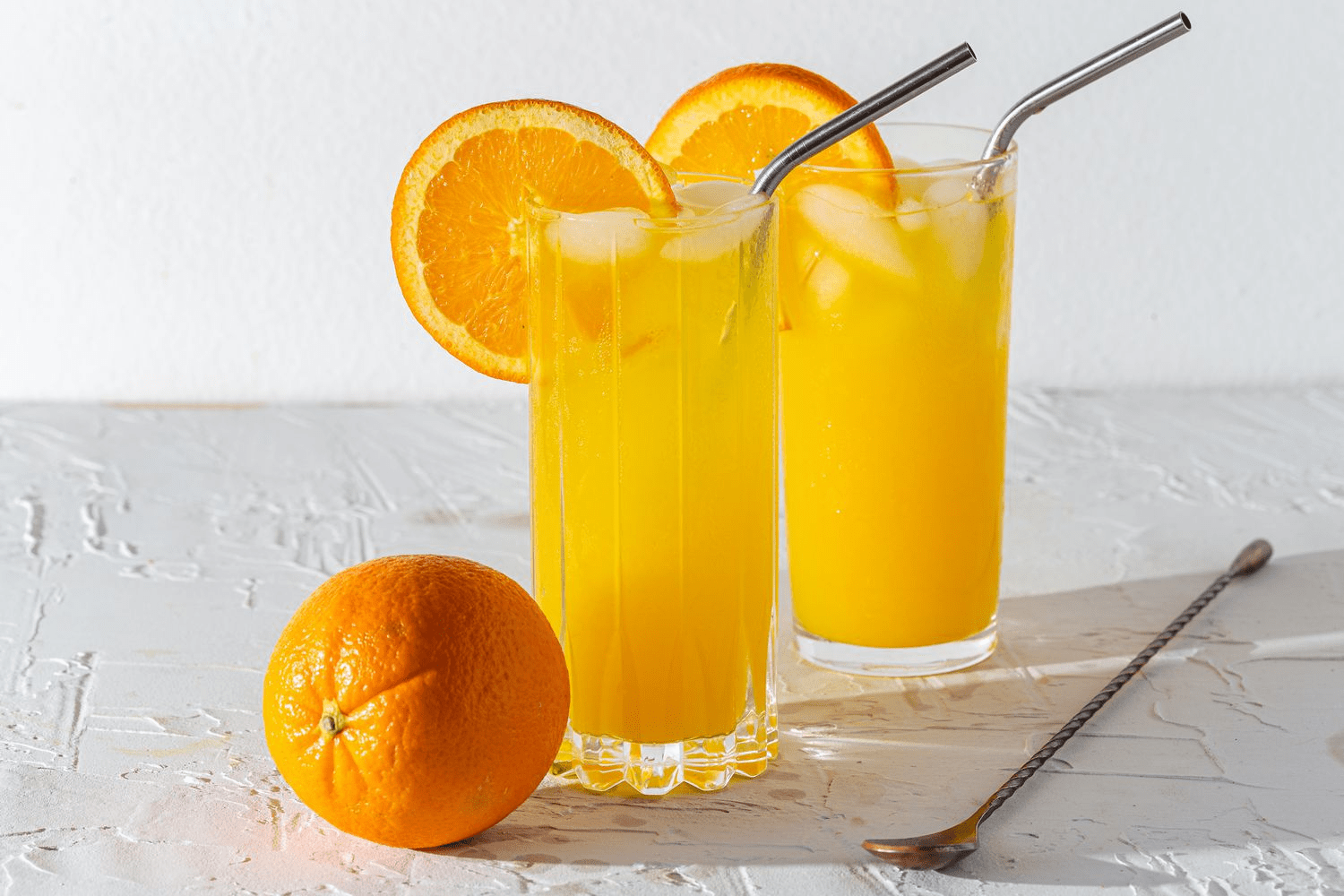
The solution is a refreshing drink made from apple cider vinegar and lemon juice. Apple cider vinegar, a fermented liquid made from crushed apples, contains acetic acid, which some studies suggest may help improve insulin sensitivity and lower blood sugar after meals. Lemon juice, packed with vitamin C and antioxidants, may support heart health by potentially reducing cholesterol levels, according to research. Here’s how to make it: mix one tablespoon of raw, unfiltered apple cider vinegar with one tablespoon of fresh lemon juice in a glass of warm water. Stir well and sip it slowly, ideally in the morning or before a meal. Always dilute the mixture to protect your teeth and stomach, and consult a healthcare professional before adding it to your routine, especially if you’re on medications or have digestive issues. This drink isn’t a cure, but it’s a simple, natural way to support your health when paired with a balanced diet and exercise.
Why does this work? The acetic acid in apple cider vinegar may slow the digestion of carbs, helping to prevent sharp blood sugar spikes. Meanwhile, lemon’s antioxidants, like flavonoids, may help reduce inflammation and support healthy cholesterol levels. Studies, like one published in the Journal of Functional Foods, have shown that vinegar can improve post-meal blood sugar in some people, while citrus compounds have been linked to better heart health in research from the American Journal of Clinical Nutrition. It’s not a magic bullet, but it’s an easy step you can take. For best results, use raw, unfiltered apple cider vinegar (look for the “mother,” a cloudy substance with beneficial bacteria) and fresh lemons over bottled juice. If the taste is too strong, add a touch of honey—just a teaspoon—to make it more palatable, but check with your doctor if you’re watching your sugar intake.
Let’s keep it real: this drink isn’t going to overhaul your health overnight. But small, consistent changes add up. Try sipping this once a day for a week and see how you feel. Pair it with other smart habits, like eating more fiber-rich veggies or taking a brisk walk. Always check with your healthcare provider to ensure this fits your personal health needs, especially if you have conditions like acid reflux or are on medications for diabetes or cholesterol. The beauty of this recipe is its simplicity—you don’t need fancy equipment or exotic ingredients, just a few minutes and a commitment to your health.
Now, here’s a quick tip to make it even easier: prep a week’s worth of lemon juice in advance. Squeeze fresh lemons, store the juice in an airtight container in the fridge, and measure out a tablespoon each day. This saves time and keeps you consistent. If you’re wondering about other ways to boost the drink’s effects, consider adding a pinch of cinnamon, which some studies suggest may also support blood sugar regulation. Just don’t overdo it—stick to a small amount and always consult your doctor before making changes to your diet.
So, what’s the payoff? By adding this drink to your routine, you’re taking a proactive step toward supporting your body’s natural processes. It’s not about perfection—it’s about progress. You might notice more stable energy levels or feel empowered knowing you’re doing something good for yourself. And the best part? It takes less than five minutes to prepare. No complicated recipes, no expensive supplements—just two ingredients working together to help you feel your best.

Ready to give it a try? Start small: mix up this drink tomorrow morning and sip it before breakfast. Pay attention to how your body feels over the next week. Share your experience with a friend or family member, or even jot down a quick note about any changes you notice. Small steps like this can spark big changes over time. Take the first step today and let us know how it goes!
This article is informational only and does not replace professional medical advice — recommend readers consult a qualified healthcare provider for personalized guidance.
10 Foods to Boost Circulation in Your Legs and Feet
Ever wondered why your legs feel heavy or your feet tingle after a long day? Poor blood flow could be the sneaky culprit, and what you eat might hold the key to feeling lighter and more energized. Let’s dive into a simple, food-based way to support better circulation—starting with your next meal.
Poor circulation in your legs and feet is more common than you might think, especially as you age. It can show up as swelling, numbness, or that frustrating “pins and needles” sensation. For some, it’s just discomfort after sitting too long; for others, it’s a daily struggle tied to conditions like diabetes or heart issues. Left unaddressed, sluggish blood flow can make walking harder, slow healing, or even lead to more serious health concerns. People over 50, those with sedentary jobs, or anyone with a family history of vascular issues are often at higher risk.
Why does this happen? Blood vessels can lose flexibility over time, or lifestyle factors like diet and inactivity can slow things down. The good news? You can take small steps to support your body’s circulation naturally, and we’re counting down 10 foods that can help. Stick with us to uncover the top pick—our number one food might surprise you with its science-backed power to get your blood moving.
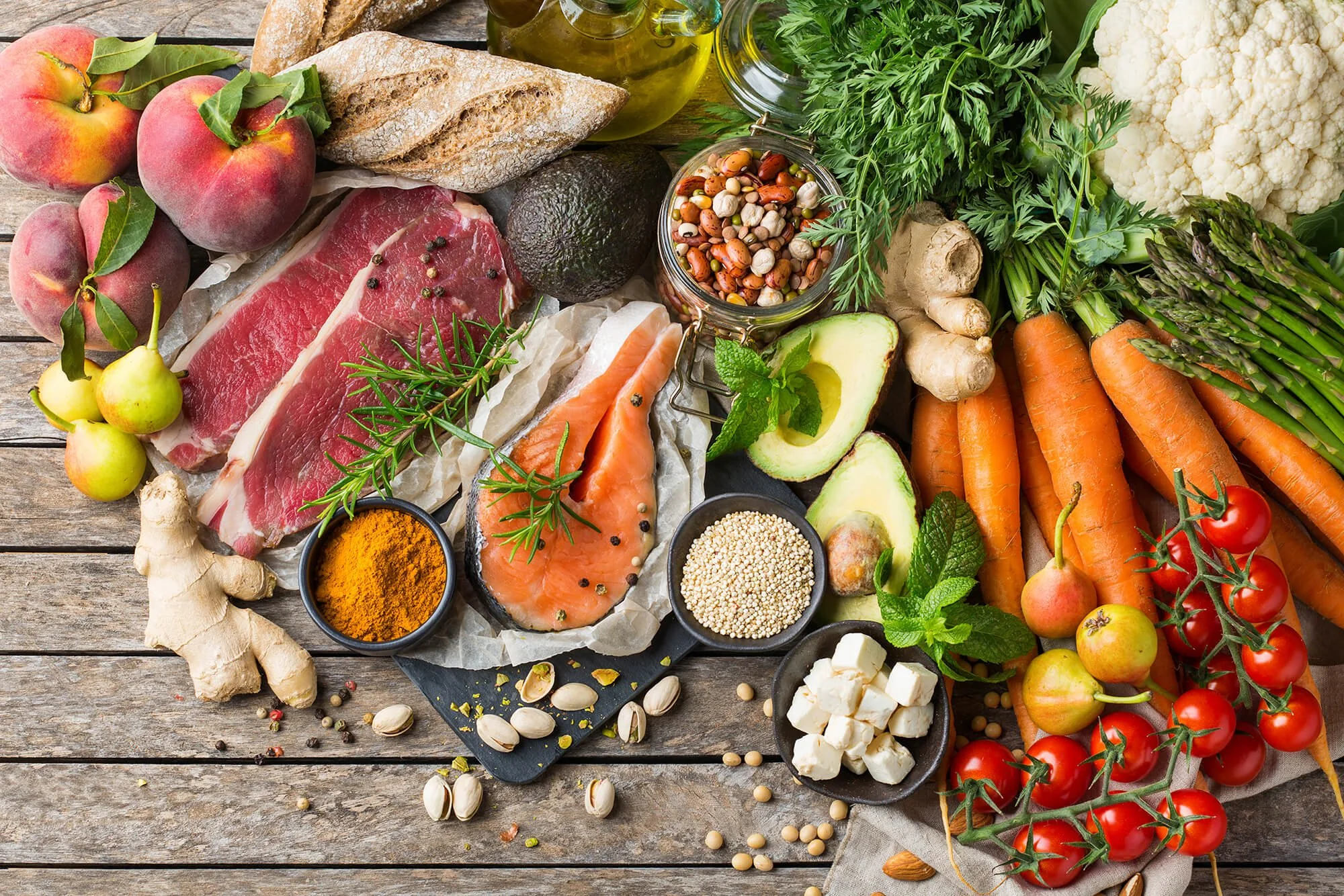
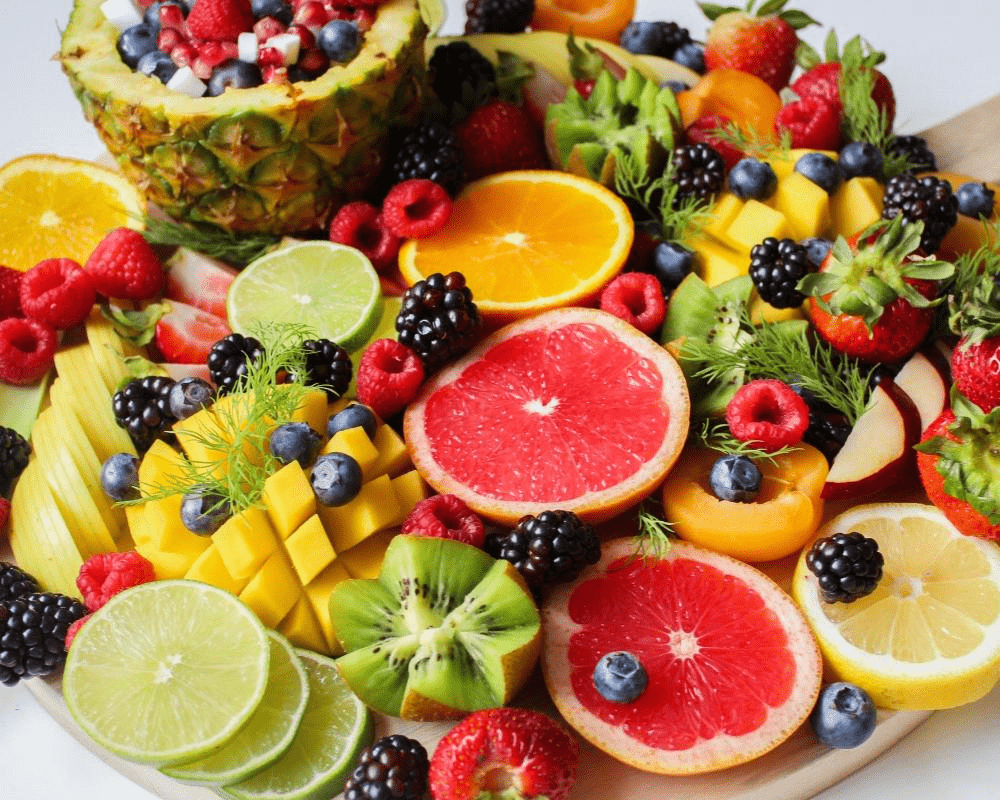
Let’s start the countdown at number 10: Citrus fruits. Oranges, grapefruits, and lemons are packed with vitamin C, an antioxidant that strengthens blood vessel walls. Stronger vessels mean blood flows more easily to your legs and feet. Try squeezing fresh lemon into your water daily—it’s a simple start. Number 9: Fatty fish like salmon or mackerel. These are rich in omega-3 fatty acids, which research suggests may reduce inflammation and improve blood vessel flexibility. Aim for two servings a week, but check with your doctor if you’re on blood thinners. Here’s a mini-hook: one of these foods doubles as a heart-healthy snack you’ll wish you started eating years ago—keep reading to find out which!
At number 8, we have beets. These vibrant roots contain nitrates, natural compounds that may help widen blood vessels for better flow. A 2017 study showed beet juice improved circulation in older adults—try roasting them for a sweet side dish. Number 7: Spinach. This leafy green is loaded with magnesium, which supports healthy blood vessel function. Low magnesium levels are often linked to cramps and poor circulation. Toss a handful into your smoothie for an easy boost. Number 6: Walnuts. These nuts are high in L-arginine, an amino acid that your body uses to produce nitric oxide, a molecule that helps blood vessels relax. A small daily handful could make a difference, but don’t overdo it due to their calorie density.
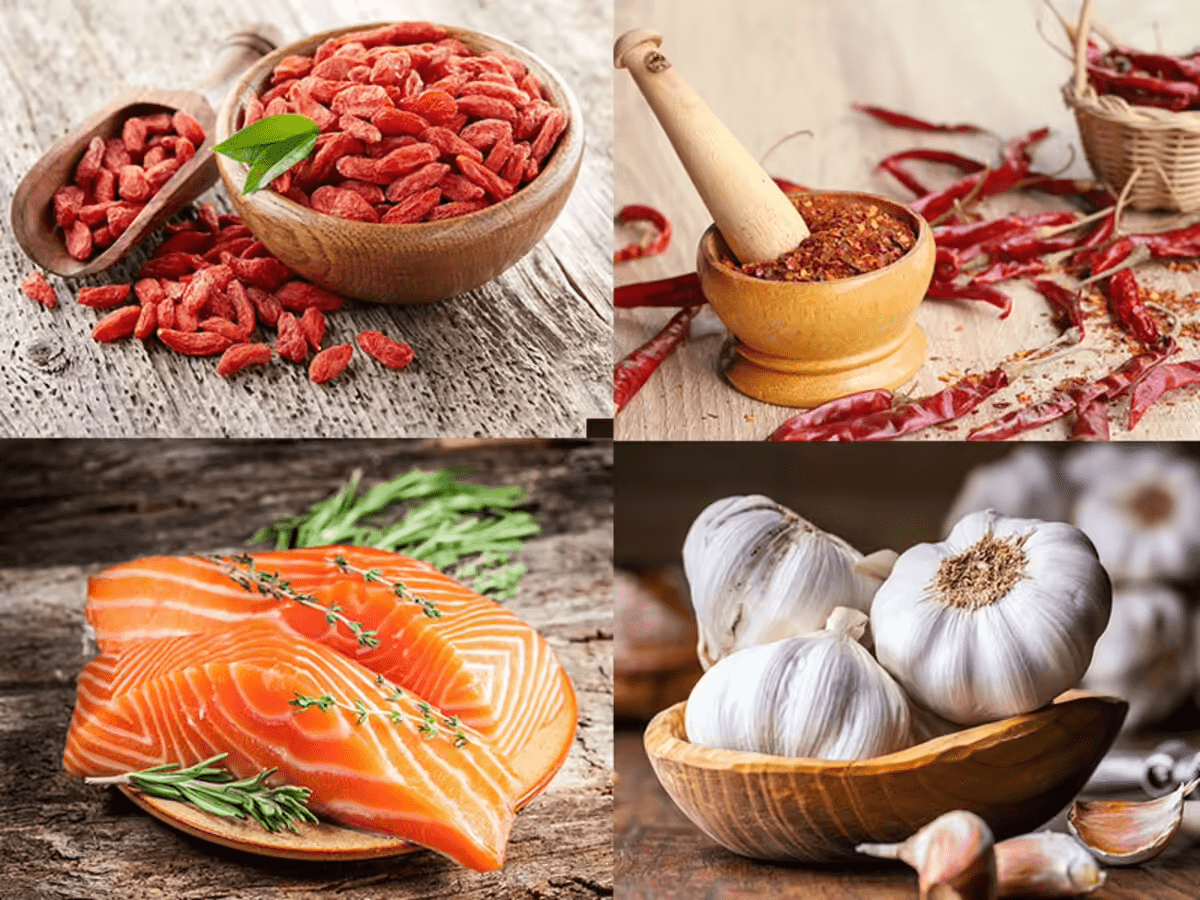
Halfway there! Number 5: Berries. Blueberries and strawberries are rich in anthocyanins, pigments that studies suggest may strengthen blood vessels and reduce stiffness. Fresh or frozen, they’re a tasty way to support your legs. Number 4: Garlic. This pungent bulb contains allicin, a compound that some research indicates may improve blood flow by relaxing vessels. Add minced garlic to soups or stir-fries, but consult a healthcare professional if you’re on medications, as garlic can interact with some drugs. Here’s another mini-hook: the next food is a kitchen staple you probably already have, and it’s a circulation superstar—guess what it is!
Number 3: Ginger. This spicy root may help improve blood flow by reducing inflammation, according to small studies. Grate fresh ginger into tea or stir it into oatmeal for a warming kick. Number 2: Pomegranates. These juicy fruits are packed with polyphenols, antioxidants that research suggests may enhance blood vessel function. A small glass of pomegranate juice could be a refreshing choice, but check with your doctor if you’re on statins or blood pressure meds. And now, the moment you’ve been waiting for—the number one food to boost circulation: Dark chocolate! Yes, you read that right. Cocoa contains flavanols, compounds that studies show may improve blood flow by relaxing arteries. Opt for at least 70% cocoa and enjoy a small square daily—moderation is key.
So, how can you put this list into action? Start small: add one or two of these foods to your meals this week. Maybe toss some spinach into your lunch or snack on walnuts instead of chips. Always consult a healthcare professional before making big dietary changes, especially if you have conditions like diabetes or are on medications. These foods aren’t a cure, but they can support your body’s natural circulation processes when paired with habits like staying active and keeping hydrated.
Ready to feel lighter on your feet? Pick one food from this list—say, a handful of berries or a square of dark chocolate—and try adding it to your routine this week. Share your experience in the comments on our website; we’d love to hear how it goes! Your legs and feet might just thank you.
This article is informational only and does not replace professional medical advice — recommend readers consult a qualified healthcare provider for personalized guidance.
Natural Blends for Restful Sleep You Need to Know
Tossing and turning at night, wishing you could drift off easily? You might already know that a good night’s sleep can leave you feeling refreshed, but what if a simple blend of everyday ingredients could help you unwind? Stay with me as I reveal four natural combinations that might support better rest, with the coziest one saved for the end to wrap up your evening just right.
Sleep struggles are more common than you think, especially as we get older. That restless feeling or waking up groggy can affect your mood and energy, and research suggests about 30% of adults over 50 deal with occasional sleep issues. Stress, muscle tension, or even an overactive mind can keep you from that deep, restful sleep you deserve. It’s an often-overlooked problem that can leave you reaching for caffeine instead of tackling the root cause. If you’re someone who loves a calm night routine, these disruptions might be holding you back more than you realize.
Good news—you don’t need pills or complicated rituals to find some peace before bed. I’m counting down four blends using natural foods and drinks that might ease you into sleep, each with a unique twist. The final one is a warm, soothing mix that could become your go-to for unwinding. Let’s explore what might work for you.
First up, Blend #4: Banana and Cinnamon to Relax Muscles and Promote Melatonin. This simple duo could be your evening starter. Bananas are rich in potassium and magnesium, minerals that some studies suggest may help relax muscles after a long day. Cinnamon adds a warm flavor and contains compounds that research indicates might support melatonin production, the hormone that signals your body it’s time to sleep. To make it, mash half a ripe banana with a pinch of cinnamon, mix with a splash of water, and sip it slowly. Picture yourself sinking into your chair with this creamy treat—doesn’t that sound inviting? There’s more to come; the next blend calms your nerves in a surprising way.
Next, Blend #3: Chamomile Tea and Lemon to Calm Nerves and Support Deeper Sleep. This soothing pair is perfect for winding down. Chamomile tea, a herbal classic, contains apigenin, a compound that some research suggests may promote relaxation by binding to receptors in your brain. Adding lemon brings a burst of vitamin C and a fresh scent that could ease an overactive mind. Brew a cup of chamomile tea, let it steep for 5 minutes, then squeeze in juice from half a lemon. Sip it 30 minutes before bed while you read or meditate. Here’s a mini-hook: many find this combo helps them drift off faster—could it work for you? Keep going; the next one boosts a key sleep chemical.
Moving to Blend #2: Kiwi and Cucumber to Boost Serotonin and Sleep Quality. This green mix might surprise you with its sleep benefits. Kiwis are packed with antioxidants and serotonin precursors, which some studies suggest may improve sleep onset and duration. Cucumbers add hydration and a mild flavor, supporting overall relaxation. Blend one kiwi (peeled) with half a cucumber and a bit of water for a smooth 8-ounce drink. Chill it for a refreshing twist, and enjoy an hour before bedtime. A real-life payoff: some folks report waking up less groggy after trying this for a week. Curious about a warm, nutty option? The final blend is up next.
Finally, the top pick: Almonds and Warm Milk for Magnesium-Rich Relaxation. This cozy combo could be your sleep MVP. Almonds are a natural source of magnesium, a mineral that research indicates may calm the nervous system and relax muscles. Warm milk contains tryptophan, an amino acid that some studies suggest may help produce serotonin and melatonin. Soak 10 almonds overnight, peel them, blend with a cup of warm milk, and sip slowly. Add a mint leaf for extra calm if you like. Imagine curling up with this creamy drink at 10 PM—could it be the key to a restful night? One friend in her 60s swears by this before bed, waking up refreshed.
These blends aren’t cures, but they might support your sleep naturally. Let’s break it down a bit. The banana-cinnamon mix works because magnesium helps ease muscle cramps, a common sleep disruptor, while cinnamon’s aroma may signal your brain to slow down. Chamomile’s apigenin could reduce anxiety, and lemon’s citrusy lift might balance it for deeper rest. Kiwi’s serotonin boost—since serotonin converts to melatonin—may shorten the time it takes to fall asleep, per a small study, and cucumber’s water content keeps you hydrated without overloading your bladder. Almonds’ magnesium might lower cortisol, the stress hormone, while warm milk’s tryptophan could enhance that sleepy feeling. Always consult a healthcare professional before changing your routine, especially if you have allergies or sleep conditions.
Real-world tip: Prep the kiwi-cucumber blend in the morning to save time, storing it in the fridge. For the almond-milk mix, use unsweetened milk if you’re watching sugar—about 1 cup is plenty. The banana blend is best fresh, but you can pre-mash and store for a day. Chamomile tea brews quickly with a tea bag, so keep some handy. Start with one blend nightly; if you’re sensitive to dairy, try almond milk with the nuts instead. Some research suggests consistency over weeks can improve sleep patterns, but results vary.
A quick story: my neighbor, nearing 70, struggled with restless legs until she tried the banana-cinnamon blend twice a week. She noticed less twitching within days. It’s not a fix for everyone, but small changes like these might help. If you have acid reflux, skip the lemon or test it sparingly—chamomile alone might still soothe you.
Ready to give sleep a boost? Try one blend tonight—maybe the warm almond milk at 10:10 PM—and see how you feel by morning. Share your experience in the comments; did it help you rest easier? Small steps could lead to better nights—start now and let us know.
This article is informational only and does not replace professional medical advice — recommend readers consult a qualified healthcare provider for personalized guidance.