
Gekochte Eier erfreuen sich in den letzten Jahrzehnten aufgrund ihres beeindruckenden Nährwerts und ihrer Vielseitigkeit in der Küche wachsender Beliebtheit. Dieser Artikel beleuchtet nicht nur die gesundheitlichen Vorteile von gekochten Eiern, sondern stellt auch einige einfache Rezepte und Zubereitungsmethoden vor, die Sie in Ihre tägliche Ernährung integrieren können. Wenn Sie nach einer gesunden, nährstoffreichen Alternative suchen, lesen Sie weiter!
Nährwertangaben von gekochten Eiern
Im Vergleich zu anderen Kochmethoden ist das Kochen eine der gesündesten Arten der Eierzubereitung. Die Nährstoffe bleiben beim Kochen erhalten und werden so leichter vom Körper aufgenommen. Nachfolgend sind einige der wichtigsten Nährwerte von gekochten Eiern aufgeführt:
- Hoher Proteingehalt: Eier sind eine ausgezeichnete Quelle für vollwertiges Protein, das heißt, sie enthalten alle essentiellen Aminosäuren, die der Körper für eine ordnungsgemäße Funktion benötigt.
- Reich an Vitaminen: Gekochte Eier sind reich an Vitamin B12, D und Riboflavin, die für den Energiestoffwechsel, die Knochengesundheit und das allgemeine Wohlbefinden wichtig sind.
- Essentielle Mineralien: Sie liefern eine gute Dosis Phosphor und Selen, Nährstoffe, die für die Immunfunktion und die Zellgesundheit notwendig sind.
- Gesunde Fette: Eier enthalten zwar Fett, das meiste davon ist jedoch ungesättigt, was zu einer besseren Herz-Kreislauf-Gesundheit beitragen kann.
Gesundheitliche Vorteile von gekochten Eiern
Zusätzlich zu ihrem Nährwert bieten gekochte Eier mehrere gesundheitliche Vorteile:
- Unterstützt die Gewichtsabnahme: Dank ihres hohen Proteingehalts können gekochte Eier das Sättigungsgefühl steigern, den Appetit kontrollieren und die Kalorienaufnahme bei nachfolgenden Mahlzeiten reduzieren.
- Fördert die Augengesundheit: Sie enthalten Antioxidantien wie Lutein und Zeaxanthin, die sich positiv auf die Augengesundheit auswirken und dazu beitragen können, altersbedingte Makuladegeneration zu verhindern.
- Fördert die Gehirnfunktion: Cholin, ein in Eiern enthaltener Nährstoff, ist für die kognitive Funktion und die Gesundheit des Gehirns unerlässlich. Es unterstützt die Bildung von Neurotransmittern, die Stimmung und Gedächtnis regulieren.
Gesunde Rezepte mit gekochten Eiern
Gekochte Eier sind unglaublich vielseitig und lassen sich auf vielfältige Weise genießen. Hier sind zwei einfache und nahrhafte Rezepte, die Sie zu Hause ausprobieren können:
Salat mit gekochten Eiern
Zutaten:
- 4 gekochte Eier
- ½ Tasse Naturjoghurt
- ¼ rote Zwiebel, fein gehackt
- Eine Handvoll frischer Spinat
- Salz und Pfeffer nach Geschmack
Anweisungen:
- Kochen Sie die Eier 10–12 Minuten lang und kühlen Sie sie dann in kaltem Wasser ab.
- Die Eier schälen und halbieren oder vierteln.
- Joghurt, rote Zwiebeln und Spinat in einer Schüssel vermischen.
- Die Eier hinzufügen und vorsichtig verrühren. Mit Salz und Pfeffer abschmecken.
Genießen Sie einen frischen, nährstoffreichen Salat!
Toast mit gekochtem Ei und Avocado
Zutaten:
- 2 gekochte Eier
- 1 reife Avocado
- 2 Scheiben Vollkornbrot
- Salz und Pfeffer nach Geschmack
- Optional: Sesamsamen oder Zitronensaft zum Garnieren
Anweisungen:
- Toasten Sie die Brotscheiben nach Belieben.
- Die Avocado in einer Schüssel zerdrücken und mit Salz und Pfeffer würzen.
- Verteilen Sie die Avocadomischung auf jeder Toastscheibe.
- Schneiden Sie die gekochten Eier in Scheiben und legen Sie sie auf die Avocado.
- Mit Sesamkörnern oder ein paar Tropfen Zitronensaft garnieren.
Dieses Rezept ist nicht nur köstlich, sondern auch sehr nahrhaft – perfekt für ein gesundes Frühstück oder einen Snack.
So kochen Sie das perfekte Ei
Für Anfänger oder diejenigen, die ihre Technik perfektionieren möchten, hier einige einfache Tipps:
- Legen Sie die Eier in einen Topf und bedecken Sie sie mit kaltem Wasser. Achten Sie darauf, dass der Wasserstand mindestens 2,5 cm über den Eiern liegt.
- Erhitzen Sie das Wasser bei mittlerer bis hoher Hitze, bis es zu kochen beginnt. Sobald es kocht, reduzieren Sie die Hitze auf mittlere bis niedrige Stufe.
- Kochen Sie die Eier 10–12 Minuten, je nachdem, wie fest Sie das Eigelb mögen.
- Sobald die Eier fertig sind, geben Sie sie in eine Schüssel mit Eiswasser, um den Kochvorgang zu stoppen.
Abschluss
Gekochte Eier sind ein wunderbares Lebensmittel, das Nährwert und Vielseitigkeit vereint. Sie in Ihre tägliche Ernährung aufzunehmen, kann zahlreiche gesundheitliche Vorteile bieten und gleichzeitig als Hauptzutat in verschiedenen Gerichten dienen. Ob im Salat, auf Toast oder pur – gekochte Eier sind eine ausgezeichnete Wahl für alle, die ihre Gesundheit verbessern und sich ausgewogen ernähren möchten.
7 Innocent Mistakes That Get Your Kidneys in Big Trouble
Picture this: you’re sipping a soda on a hot day, the fizz tickling your throat, feeling refreshed. Or maybe you’re skipping water because coffee’s your lifeline. These habits seem harmless, right? But what if they’re quietly stressing your kidneys, those bean-shaped heroes filtering your blood? Your kidneys work tirelessly, yet everyday choices could be pushing them to the brink. Ready to uncover the mistakes you might be making? Let’s dive into the problem and why it matters more than you think.
The Silent Struggle of Your Kidneys
Your kidneys filter 120-150 quarts of blood daily, removing waste and balancing fluids. But small habits can strain them over time. Chronic kidney disease affects 14% of Americans, often without early symptoms. Fatigue, swelling, or foggy thinking might creep in, unnoticed. Are you unknowingly making things harder for your kidneys? Let’s explore seven common mistakes and how to sidestep them. Stick with me—the first one might surprise you.
Seven Mistakes That Could Harm Your Kidneys
7. Skimping on Water: Dehydration’s Sneaky Toll
Imagine Jane, 46, rushing through her day, forgetting her water bottle. By evening, she’s sluggish, blaming stress. Dehydration forces kidneys to work harder, potentially forming kidney stones. Studies show adequate hydration may reduce stone risk by 30%. A dry mouth or dark urine signals trouble. Sip water steadily—aim for 8 cups daily. Curious about the next mistake? It’s one you might make every morning…

6. Overloading on Sugar: The Sweet Trap
Picture Tom, 50, grabbing a sugary latte and donut for breakfast. That sugar spike feels good, but it stresses kidneys. Research links high sugar intake to increased risk of kidney damage. Sugary drinks, especially, may raise uric acid levels, harming filtration. Try swapping soda for herbal tea. But hold on, the next mistake is even more common…
5. Ignoring Protein Portions: Too Much of a Good Thing
You’re grilling steak, savoring its smoky aroma, thinking protein’s healthy. But overloading—like eating double portions—can strain kidneys. Studies suggest excess protein may increase kidney workload, especially in those with early damage. Balance your plate with veggies and limit protein to palm-sized servings. Wondering what’s next? It’s a habit you might not even notice…
4. Skimping on Sleep: The Overnight Risk
Ever stay up late binge-watching, eyes heavy but mind racing? Poor sleep disrupts kidney function, research shows, potentially raising blood pressure—a kidney killer. Aim for 7-8 hours of restful sleep. Create a calming bedtime routine, maybe with chamomile tea. But wait, the next mistake might be in your medicine cabinet…
3. Overusing Painkillers: The Hidden Danger

Meet Sarah, 55, popping ibuprofen for headaches weekly. Seems harmless, but overuse of NSAIDs may reduce kidney blood flow, studies warn. Long-term use could lead to chronic damage. Use painkillers sparingly and explore alternatives like stretching for tension relief. The next one’s a shocker—it’s in your kitchen…
2. Heavy Salt Intake: The Flavor Overload
You sprinkle salt on fries, loving that savory kick. But too much sodium can raise blood pressure, straining kidneys. Research shows high salt diets may increase kidney disease risk by 20%. Aim for under 2,300 mg daily—check labels on processed foods. Ready for the biggest mistake? It could change everything…
1. Ignoring Warning Signs: The Life-Changing Oversight
John, 52, dismissed his swollen ankles as “just aging.” Later, he learned it was a kidney red flag. Symptoms like puffiness, fatigue, or foamy urine can signal trouble. Studies emphasize early detection improves outcomes. Listen to your body and check in with your doctor regularly. This mistake could be the difference between health and serious trouble.
| Mistake | Impact on Kidneys | Quick Fix |
|---|---|---|
| Low Water Intake | Dehydration, Kidney Stones | Drink 8 cups water daily |
| High Sugar | Increased Uric Acid | Swap soda for herbal tea |
| Excess Protein | Strains Filtration | Limit to palm-sized portions |
| Poor Sleep | Raises Blood Pressure | Aim for 7-8 hours nightly |
| Painkiller Overuse | Reduced Blood Flow | Use sparingly, try alternatives |
| High Salt | Blood Pressure Spikes | Keep under 2,300 mg daily |
| Ignoring Symptoms | Delayed Detection | Monitor signs, see doctor |
How to Protect Your Kidneys Starting Today

You might be thinking, “This sounds overwhelming—where do I begin?” Start small: carry a water bottle, cut one sugary drink daily, or check food labels for sodium. Balance meals with veggies and lean protein. Prioritize sleep and limit painkillers. Always consult your doctor before changing habits, especially if you notice symptoms like swelling or fatigue. Here’s a quick guide to stay safe:
| Action | How to Do It | Safety Note |
|---|---|---|
| Hydrate | Sip 8-10 cups water | Spread throughout day |
| Cut Sugar | Replace one sugary drink | Watch for hidden sugars |
| Balance Protein | Keep portions moderate | Pair with vegetables |
| Sleep Well | Set bedtime routine | Avoid screens before bed |
| Limit Painkillers | Use only as needed | Discuss with doctor |
| Reduce Salt | Check labels, cook fresh | Avoid processed foods |
| Monitor Health | Note symptoms, get checkups | Don’t ignore changes |
Real Stories of Change
Jane, 46, felt drained daily. After boosting water and cutting soda, she noticed clearer thinking and more energy. “I feel lighter, like I’m in control,” she said. Tom, 50, struggled with high blood pressure. Reducing salt and sleeping better eased his symptoms. “I didn’t realize how small changes could feel so big,” he shared. These steps didn’t cure them, but they unlocked better health. Could you feel the same?
Addressing Your Doubts
You might wonder, “Can small changes really help my kidneys?” Research shows consistent hydration and balanced diet choices can support kidney function. Worried about taste? Water with lemon or low-sodium seasonings can keep meals exciting. Think it’s too hard? Start with one swap, like tea for soda. Small steps compound over time. Noticed unusual symptoms? Don’t wait—check with your doctor.
Take Control of Your Kidney Health Now
What if ignoring these mistakes costs you your energy, focus, or health? Simple swaps—more water, less sugar, better sleep—can support your kidneys and transform how you feel. Start with one change today, like drinking an extra glass of water, and consult your doctor to tailor your plan. Don’t miss out on feeling your best. Share this with someone you care about. P.S. Did you know a pinch of cumin can replace salt for flavor?
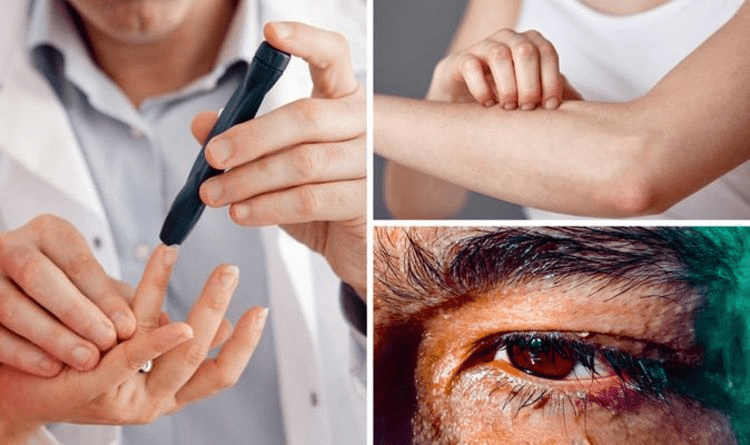
12 Unusual Symptoms of Diabetes You Shouldn’t Ignore
Imagine waking up exhausted, your skin itching, and a strange tingling in your feet. You shrug it off—maybe it’s stress or a bad night’s sleep. But what if these are whispers of something more serious, like diabetes? This condition affects over 37 million Americans, yet its subtler signs often go unnoticed. The faint sweetness on your breath, the nagging fatigue—could these be clues? Let’s unravel 12 unusual symptoms of diabetes that might surprise you. Why do so many miss these red flags?
The Hidden Face of Diabetes
Diabetes doesn’t always announce itself with obvious signs like thirst or frequent urination. Its quieter symptoms can mimic everyday annoyances, leaving 1 in 5 diagnosed adults unaware until complications arise. Ignoring these could lead to serious health issues, but catching them early might change everything. Wondering what to look for? Let’s dive into the first symptom that might catch you off guard.
12. Unexplained Itchy Skin
Picture Sarah, 58, scratching her arms, blaming dry weather. Lotions didn’t help. Her doctor linked it to diabetes—high blood sugar can dry out skin, causing persistent itching. Studies suggest elevated glucose levels disrupt skin hydration. Check for redness or irritation that lingers. Could your skin be signaling something deeper? The next symptom might make you pause.
11. Blurry Vision Spells
Ever notice your vision blurring, like looking through fog? John, 62, thought he needed new glasses. Turns out, high blood sugar can swell the eye’s lens, causing temporary blurriness. A 2018 study noted this in early diabetes cases. If glasses don’t fix it, see a doctor. Curious about other senses? The next symptom involves your nose.
10. Fruity Breath Odor
You catch a sweet, fruity scent on your breath—not from candy. This puzzled Maria, 55, until her diagnosis. It’s a sign of diabetic ketoacidosis, where the body burns fat, producing ketones. Research shows this can occur in type 1 diabetes or advanced type 2. Notice this odor? Act fast. Wondering about physical sensations? The next one tingles.
9. Tingling or Numbness
Imagine your hands or feet buzzing, like they’re falling asleep. Tom, 60, felt this daily. It’s neuropathy, where high blood sugar damages nerves. A 2020 study linked this to early diabetes. If tingling persists, don’t ignore it. Could your body be warning you elsewhere? The next symptom might surprise you.
8. Slow-Healing Wounds
A small cut lingers for weeks, refusing to heal. Lisa, 64, noticed this on her shin. High blood sugar impairs circulation, slowing healing. Research indicates this is common in undiagnosed diabetes. Check cuts or bruises closely. What about your energy levels? The next symptom could explain your fatigue.
7. Constant Fatigue
You’re dragging through the day, coffee barely helping. Emily, 59, felt this slump constantly. High blood sugar can starve cells of energy, causing exhaustion. A 2017 study tied fatigue to poor glucose control. If rest doesn’t help, consider testing. Ever notice odd skin changes? The next symptom is a visual clue.
6. Dark Skin Patches
Velvety, dark patches appear on your neck or armpits. Michael, 61, thought it was dirt. Called acanthosis nigricans, it’s linked to insulin resistance. Studies show it’s a diabetes marker. If you spot this, don’t wait. Could your appetite be a clue? The next symptom might shock you.
5. Unusual Hunger Pangs
You’re ravenous, even after eating. This hit Jane, 63, hard. High blood sugar can prevent glucose from fueling cells, triggering hunger. A 2019 study noted this in type 2 diabetes. Track your hunger patterns. Wondering about your mood? The next symptom ties in.

4. Mood Swings
One minute you’re fine, the next irritable. David, 57, couldn’t explain his mood shifts. Blood sugar fluctuations can affect brain function, causing irritability. Research links this to diabetes mismanagement. Notice sudden mood changes? It’s worth checking. Could your ears hold a clue? The next symptom is unexpected.
3. Hearing Changes
Struggling to hear conversations clearly? Susan, 66, noticed this at family dinners. High blood sugar may damage ear blood vessels, affecting hearing. A 2015 study found hearing loss more common in diabetics. If sounds seem muffled, see a specialist. What about infections? The next symptom is a red flag.
2. Frequent Infections
Yeast infections or UTIs keep coming back. Linda, 60, faced this repeatedly. High blood sugar creates a breeding ground for bacteria. Studies show diabetics are prone to infections. If antibiotics aren’t enough, consider diabetes testing. Ready for the final symptom? It’s a game-changer.
1. Unexplained Weight Loss
Your clothes fit looser, but you haven’t dieted. Mark, 65, lost 10 pounds unexpectedly. In diabetes, the body may burn fat or muscle for energy, causing weight loss. A 2021 study tied this to undiagnosed cases. If this happens, act quickly. How can you respond to these signs?
What to Do Next

You might think, “Are these symptoms serious?” They could be, but don’t panic. Track symptoms like itching or fatigue for a week. Share them with a healthcare provider for proper testing, like A1C or glucose checks. Early action could prevent complications. Below are two tables to guide you.
| Symptom | Possible Cause | What to Monitor |
|---|---|---|
| Itchy Skin | High blood sugar | Persistent irritation |
| Blurry Vision | Lens swelling | Vision changes |
| Fruity Breath | Ketone buildup | Sweet breath odor |
| Symptom | Action to Take | Safety Tips |
|---|---|---|
| Tingling | See a doctor | Note frequency |
| Slow Healing | Monitor wounds | Keep cuts clean |
| Fatigue | Track energy levels | Check for other signs |
Real Stories, Real Impact
Meet Anna, 63, who ignored her itchy skin and fatigue, thinking it was aging. A diabetes diagnosis explained it, and early treatment saved her from complications. Then there’s Robert, 67, whose blurry vision led to a checkup, catching his diabetes early. Their stories show why noticing symptoms matters, but always consult a professional.
Don’t Ignore the Signs
These 12 symptoms—itchy skin, blurry vision, fruity breath, and more—could be your body’s way of waving a red flag. Imagine missing out on early action that could protect your health. Start observing your body today. Share this with someone who might need it. P.S. Did you know diabetes was called “sugar sickness” in ancient times? Listen to your body’s clues.
Remove Foot Calluses Naturally with This Simple Bread Remedy
Foot calluses are thick, rough patches of skin that often form due to pressure, friction, or long hours of standing. They can be uncomfortable and unsightly, especially if left untreated. While most people rush to buy expensive foot creams or visit salons, there’s a simple, inexpensive, and natural solution you can try at home — using bread!Repeat this process for a few nights until the callus softens and begins to peel away naturally.
💚 Key Benefits of This Home Remedy
This simple bread and vinegar method is loved for its simplicity and effectiveness: * **Affordable:** No need to spend on costly foot care products. * **Natural:** Uses ingredients you already have in your kitchen. * **Effective:** Helps soften thick skin and makes callus removal easier. * **Convenient:** Works overnight while you sleep. 💡 Want faster results? You can buy natural apple cider vinegar or organic foot care kits online to enhance the process safely and effectively.
🦶 Extra Foot Care Tips for Softer, Healthier Feet
To maintain smooth, callus-free feet:
• Soak your feet
in warm water with Epsom salt once or twice a week.
• Exfoliate gently
with a pumice stone after using the bread remedy.
• Moisturize daily
using natural oils like coconut or olive oil to prevent dryness.
• Wear comfortable shoes
that reduce pressure and friction on your feet. You can also buy foot pumice stones, moisturizing socks, or callus removal creams online for easy, long-term maintenance.
✅ Benefits, Formula & Safe Usage Tips
Main Benefits:
– Softens hardened calluses naturally – Smooths rough, dry heels – Prevents cracked and painful skin – Affordable and easy to do at home
Quick Formula:
Soak 1 slice of white bread in 2–3 tablespoons of vinegar until soft. Apply on the affected area, secure it, and leave overnight for best results.
How to Use Safely:
Use clean, fresh ingredients and avoid applying to broken or irritated skin. Always wash your feet after treatment and apply moisturizer to keep them smooth.
🌸 Final Thoughts
Foot calluses may be common, but treating them doesn’t have to be complicated or costly. With just bread and vinegar, you can soften rough patches naturally and enjoy smooth, healthy feet again. 👉 For even better care, buy organic apple cider vinegar or professional foot care kits online today and take the first step toward soft, beautiful feet!