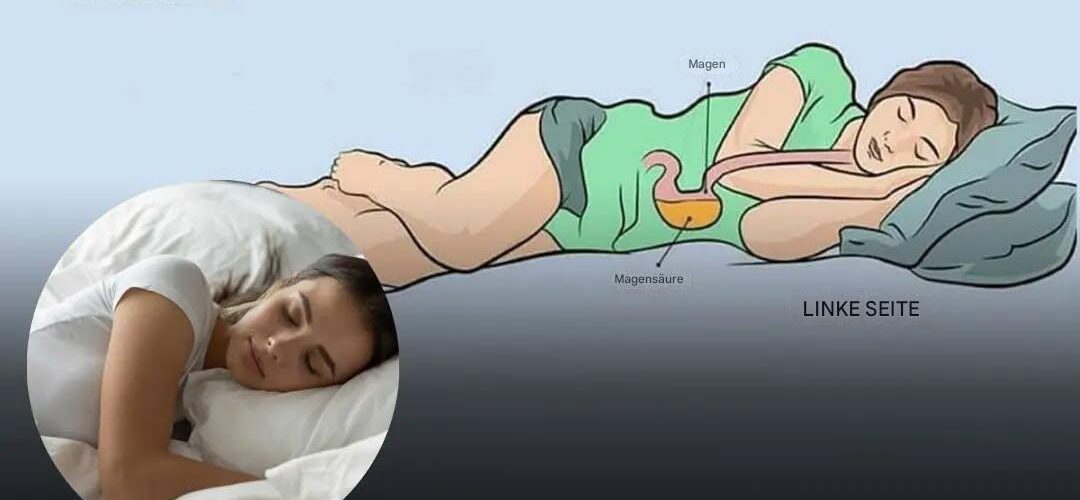
Warum das Schlafen auf der linken Seite besser sein könnte, als Sie denken
Wir alle haben unsere Lieblingsschlafpositionen – aber wussten Sie, dass Ihre Schlafhaltung Ihre Gesundheit stärker beeinflussen kann, als Sie denken? Während die Seitenlage für viele eine beliebte Schlafposition ist, bietet insbesondere die linke Seite überraschende Vorteile. Von einer verbesserten Verdauung bis hin zur Linderung von Rückenschmerzen – Ihre Schlafhaltung könnte genau das Richtige für Ihr Wohlbefinden sein, von dem Sie noch gar nicht wussten, dass Sie es brauchen.
Die überraschenden Vorteile des Schlafens auf der linken Seite
💤 Lindert Rückenschmerzen
Schlafen auf dem Bauch kann unnötigen Druck auf die Wirbelsäule ausüben. Im Gegensatz dazu trägt das Schlafen auf der Seite zur korrekten Ausrichtung der Wirbelsäule bei, insbesondere im unteren Rückenbereich. So können Sie morgendliche Schmerzen und Steifheit lindern.
😴 Reduziert Schnarchen
Schnarchen tritt häufiger auf, wenn Sie auf dem Rücken liegen, da Ihre Zunge und Ihr weicher Gaumen nach hinten rutschen und die Atemwege blockieren können. Das Schlafen auf der Seite, insbesondere auf der linken Seite, hält die Atemwege offen und hilft, das Schnarchen zu reduzieren – ein Vorteil für alle, die an Schlafapnoe leiden.
🍽️ Unterstützt die Verdauung
Da sich der Magen auf der linken Körperseite befindet, kann das Liegen auf dieser Seite die Schwerkraft bei der Verdauung unterstützen. Dies kann Blähungen, Sodbrennen und Verstopfung lindern.
🧠 Unterstützt die Gesundheit des Gehirns
Neuere Forschungsergebnisse deuten darauf hin, dass Schlafen auf der Seite das Gehirn dabei unterstützen kann, Abfallprodukte über das glymphatische System auszuscheiden. Dies könnte möglicherweise das Risiko neurodegenerativer Erkrankungen wie Alzheimer und Parkinson senken. (Weitere Studien sind erforderlich, um dies am Menschen zu bestätigen.)
🤰 Verbessert die Durchblutung während der Schwangerschaft
Bei schwangeren Frauen fördert das Schlafen auf der linken Seite die Durchblutung der Plazenta. Es entlastet außerdem die Leber und die großen Venen und sorgt so für eine gute Durchblutung.
So trainieren Sie sich, auf der Seite zu schlafen
Möchten Sie auf die Seitenlage umsteigen, rollen sich aber immer wieder zurück? Probieren Sie diese Tipps:
- Investieren Sie in das richtige Kissen: Wählen Sie ein festes Kissen, das Ihren Nacken stützt und zu Ihrer Schlüsselbeinstruktur passt.
- Verbessern Sie Ihre Matratze: Eine etwas weichere Matratze polstert Ihre Schultern und Hüften, ohne an Unterstützung zu verlieren.
- Verwenden Sie Stützkissen: Legen Sie eines zwischen Ihre Knie, um Ihre Hüften auszurichten, und ein anderes, um Ihren Oberkörper zu stützen.
- Versuchen Sie es mit Körperkissen: Sie sorgen für eine stabile Haltung und verhindern ein Umdrehen.
- Nähen Sie einen Tennisball auf die Rückseite Ihres Hemdes: Das verhindert, dass Sie sich im Schlaf auf den Rücken rollen.
- Nutzen Sie die Couch vorübergehend: Der enge Raum schränkt Ihre Schlafposition natürlich seitlich ein.
Nachteile des Schlafens auf der Seite (und wie man sie behebt)
Das Schlafen auf der Seite ist nicht für jeden ideal – insbesondere bei falscher Matratzen- oder Kissenbelegung.
- Schulter- und Hüftbeschwerden: Eine harte Matratze kann den Druck auf diese Bereiche erhöhen, während eine zu weiche Matratze Ihre Wirbelsäule aus der Ausrichtung bringen kann.
- Druck im Gesicht: Wenn Sie auf der Seite liegen, kann sich der Druck in den Nebenhöhlen, ein Glaukom oder ein Engegefühl im Kiefer verschlimmern.
Lösung: Passen Sie die Festigkeit Ihres Kissens und Ihrer Matratze an und wechseln Sie regelmäßig die Seite, um den Druck zu verringern.
Andere Schlafpositionen: Vor- und Nachteile
🛌 Rückenschlafen
Vorteile:
- Lindert Schmerzen bei Arthritis, Hüft- und Kniebeschwerden sowie Schleimbeutelentzündung
- Reduziert die Verstopfung der Nebenhöhlen
Tipps:
- Legen Sie ein Kissen unter Ihre Knie, um Ihren Rücken zu stützen
- Arme und Beine leicht spreizen, um den Gelenkdruck zu verringern
- Heben Sie Ihren Kopf, um Sodbrennen und Kopfschmerzen zu lindern
🙃 Schlafen auf dem Bauch
Die meisten Schlafexperten empfehlen, diese Position aufgrund der Belastung der Wirbelsäule zu vermeiden. Wenn Sie jedoch nicht darauf verzichten können:
Tipps:
- Verwenden Sie ein flaches Kissen (oder keines)
- Vermeiden Sie es, die Arme unter den Kopf zu stecken
- Wechseln Sie die Kopfseiten, um Nackenschmerzen vorzubeugen
- Halten Sie beide Beine gerade, um eine Verdrehung der Wirbelsäule zu vermeiden
Abschließende Gedanken
Es gibt keine Einheitslösung, wenn es um den Schlaf geht. Wenn Sie sich wohlfühlen und keine Schmerzen haben, bleiben Sie bei dem, was für Sie funktioniert. Wenn Sie jedoch unter Schlafstörungen, Schmerzen oder Verdauungsproblemen leiden, kann das Schlafen auf der linken Seite eine kleine Veränderung sein, die einen großen Unterschied macht.
Hören Sie auf Ihren Körper. Passen Sie sich bei Bedarf an. Schlafen Sie besser.
Lassen Sie mich wissen, ob Sie dies als Blogbeitrag, Social-Media-Karussell oder Infografik formatiert haben möchten!
12 Unusual Symptoms of Diabetes You Shouldn’t Ignore
Imagine waking up exhausted, your skin itching, and a strange tingling in your feet. You shrug it off—maybe it’s stress or a bad night’s sleep. But what if these are whispers of something more serious, like diabetes? This condition affects over 37 million Americans, yet its subtler signs often go unnoticed. The faint sweetness on your breath, the nagging fatigue—could these be clues? Let’s unravel 12 unusual symptoms of diabetes that might surprise you. Why do so many miss these red flags?
The Hidden Face of Diabetes
Diabetes doesn’t always announce itself with obvious signs like thirst or frequent urination. Its quieter symptoms can mimic everyday annoyances, leaving 1 in 5 diagnosed adults unaware until complications arise. Ignoring these could lead to serious health issues, but catching them early might change everything. Wondering what to look for? Let’s dive into the first symptom that might catch you off guard.
12. Unexplained Itchy Skin
Picture Sarah, 58, scratching her arms, blaming dry weather. Lotions didn’t help. Her doctor linked it to diabetes—high blood sugar can dry out skin, causing persistent itching. Studies suggest elevated glucose levels disrupt skin hydration. Check for redness or irritation that lingers. Could your skin be signaling something deeper? The next symptom might make you pause.
11. Blurry Vision Spells
Ever notice your vision blurring, like looking through fog? John, 62, thought he needed new glasses. Turns out, high blood sugar can swell the eye’s lens, causing temporary blurriness. A 2018 study noted this in early diabetes cases. If glasses don’t fix it, see a doctor. Curious about other senses? The next symptom involves your nose.
10. Fruity Breath Odor
You catch a sweet, fruity scent on your breath—not from candy. This puzzled Maria, 55, until her diagnosis. It’s a sign of diabetic ketoacidosis, where the body burns fat, producing ketones. Research shows this can occur in type 1 diabetes or advanced type 2. Notice this odor? Act fast. Wondering about physical sensations? The next one tingles.
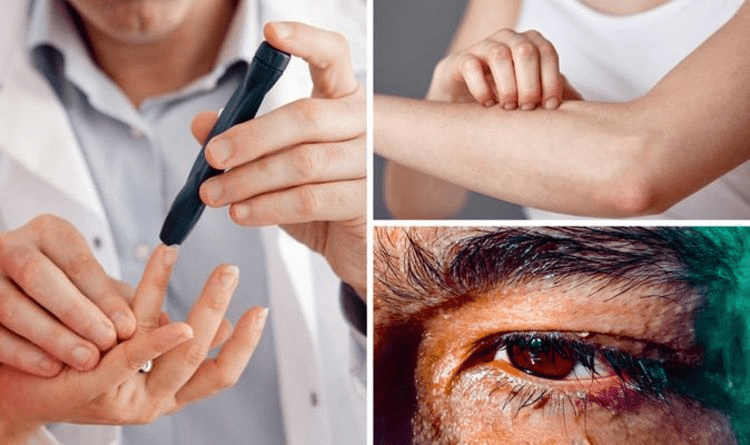
9. Tingling or Numbness
Imagine your hands or feet buzzing, like they’re falling asleep. Tom, 60, felt this daily. It’s neuropathy, where high blood sugar damages nerves. A 2020 study linked this to early diabetes. If tingling persists, don’t ignore it. Could your body be warning you elsewhere? The next symptom might surprise you.
8. Slow-Healing Wounds
A small cut lingers for weeks, refusing to heal. Lisa, 64, noticed this on her shin. High blood sugar impairs circulation, slowing healing. Research indicates this is common in undiagnosed diabetes. Check cuts or bruises closely. What about your energy levels? The next symptom could explain your fatigue.
7. Constant Fatigue
You’re dragging through the day, coffee barely helping. Emily, 59, felt this slump constantly. High blood sugar can starve cells of energy, causing exhaustion. A 2017 study tied fatigue to poor glucose control. If rest doesn’t help, consider testing. Ever notice odd skin changes? The next symptom is a visual clue.
6. Dark Skin Patches
Velvety, dark patches appear on your neck or armpits. Michael, 61, thought it was dirt. Called acanthosis nigricans, it’s linked to insulin resistance. Studies show it’s a diabetes marker. If you spot this, don’t wait. Could your appetite be a clue? The next symptom might shock you.
5. Unusual Hunger Pangs
You’re ravenous, even after eating. This hit Jane, 63, hard. High blood sugar can prevent glucose from fueling cells, triggering hunger. A 2019 study noted this in type 2 diabetes. Track your hunger patterns. Wondering about your mood? The next symptom ties in.
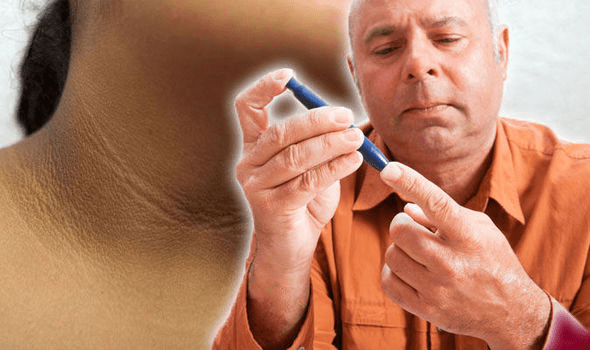
4. Mood Swings
One minute you’re fine, the next irritable. David, 57, couldn’t explain his mood shifts. Blood sugar fluctuations can affect brain function, causing irritability. Research links this to diabetes mismanagement. Notice sudden mood changes? It’s worth checking. Could your ears hold a clue? The next symptom is unexpected.
3. Hearing Changes
Struggling to hear conversations clearly? Susan, 66, noticed this at family dinners. High blood sugar may damage ear blood vessels, affecting hearing. A 2015 study found hearing loss more common in diabetics. If sounds seem muffled, see a specialist. What about infections? The next symptom is a red flag.
2. Frequent Infections
Yeast infections or UTIs keep coming back. Linda, 60, faced this repeatedly. High blood sugar creates a breeding ground for bacteria. Studies show diabetics are prone to infections. If antibiotics aren’t enough, consider diabetes testing. Ready for the final symptom? It’s a game-changer.
1. Unexplained Weight Loss
Your clothes fit looser, but you haven’t dieted. Mark, 65, lost 10 pounds unexpectedly. In diabetes, the body may burn fat or muscle for energy, causing weight loss. A 2021 study tied this to undiagnosed cases. If this happens, act quickly. How can you respond to these signs?
What to Do Next
You might think, “Are these symptoms serious?” They could be, but don’t panic. Track symptoms like itching or fatigue for a week. Share them with a healthcare provider for proper testing, like A1C or glucose checks. Early action could prevent complications. Below are two tables to guide you.
| Symptom | Possible Cause | What to Monitor |
|---|---|---|
| Itchy Skin | High blood sugar | Persistent irritation |
| Blurry Vision | Lens swelling | Vision changes |
| Fruity Breath | Ketone buildup | Sweet breath odor |
| Symptom | Action to Take | Safety Tips |
|---|---|---|
| Tingling | See a doctor | Note frequency |
| Slow Healing | Monitor wounds | Keep cuts clean |
| Fatigue | Track energy levels | Check for other signs |
Real Stories, Real Impact
Meet Anna, 63, who ignored her itchy skin and fatigue, thinking it was aging. A diabetes diagnosis explained it, and early treatment saved her from complications. Then there’s Robert, 67, whose blurry vision led to a checkup, catching his diabetes early. Their stories show why noticing symptoms matters, but always consult a professional.
Don’t Ignore the Signs
These 12 symptoms—itchy skin, blurry vision, fruity breath, and more—could be your body’s way of waving a red flag. Imagine missing out on early action that could protect your health. Start observing your body today. Share this with someone who might need it. P.S. Did you know diabetes was called “sugar sickness” in ancient times? Listen to your body’s clues.
Remove Foot Calluses Naturally with This Simple Bread Remedy
Foot calluses are thick, rough patches of skin that often form due to pressure, friction, or long hours of standing. They can be uncomfortable and unsightly, especially if left untreated. While most people rush to buy expensive foot creams or visit salons, there’s a simple, inexpensive, and natural solution you can try at home — using bread!Repeat this process for a few nights until the callus softens and begins to peel away naturally.
💚 Key Benefits of This Home Remedy
This simple bread and vinegar method is loved for its simplicity and effectiveness: * **Affordable:** No need to spend on costly foot care products. * **Natural:** Uses ingredients you already have in your kitchen. * **Effective:** Helps soften thick skin and makes callus removal easier. * **Convenient:** Works overnight while you sleep. 💡 Want faster results? You can buy natural apple cider vinegar or organic foot care kits online to enhance the process safely and effectively.
🦶 Extra Foot Care Tips for Softer, Healthier Feet
To maintain smooth, callus-free feet:
• Soak your feet
in warm water with Epsom salt once or twice a week.
• Exfoliate gently
with a pumice stone after using the bread remedy.
• Moisturize daily
using natural oils like coconut or olive oil to prevent dryness.
• Wear comfortable shoes
that reduce pressure and friction on your feet. You can also buy foot pumice stones, moisturizing socks, or callus removal creams online for easy, long-term maintenance.
✅ Benefits, Formula & Safe Usage Tips
Main Benefits:
– Softens hardened calluses naturally – Smooths rough, dry heels – Prevents cracked and painful skin – Affordable and easy to do at home
Quick Formula:
Soak 1 slice of white bread in 2–3 tablespoons of vinegar until soft. Apply on the affected area, secure it, and leave overnight for best results.
How to Use Safely:
Use clean, fresh ingredients and avoid applying to broken or irritated skin. Always wash your feet after treatment and apply moisturizer to keep them smooth.
🌸 Final Thoughts
Foot calluses may be common, but treating them doesn’t have to be complicated or costly. With just bread and vinegar, you can soften rough patches naturally and enjoy smooth, healthy feet again. 👉 For even better care, buy organic apple cider vinegar or professional foot care kits online today and take the first step toward soft, beautiful feet!
10 Signs You Might Have Parasites
The symptoms of parasitic infections often result from the toxins these organisms release into the human bloodstream. Intestinal parasites are among the most noticeable because of the severe and uncomfortable symptoms they cause. Different types of parasites can lead to a wide range of physical effects. Below are some of the most common signs of a parasitic infection:
1. Digestive Issues
Unexplained constipation, diarrhea, bloating, gas, heartburn, or nausea may signal a parasitic infection. Because intestinal parasites typically settle in your gastrointestinal (GI) tract, they trigger immune responses that lead to various symptoms depending on the organism involved.
Many of these digestive problems are often mistaken for Irritable Bowel Syndrome (IBS). Doctors may not routinely test for parasites because such infections are less common, and standard lab tests might not detect them. More sensitive diagnostic tools, such as GI-MAP, can help identify whether your unusual digestive symptoms are linked to unwanted invaders.
2. Fatigue or Chronic Exhaustion
Parasites place a heavy burden on the body, often causing persistent tiredness, mood swings, depression, headaches, memory issues, or general apathy.
Certain intestinal parasites, such as Giardia, can trigger chronic fatigue syndrome by interfering with nutrient absorption — especially iron and vitamin B12 — leading to fatigue and lack of motivation without any clear cause.
3. Skin Problems
Unexplained rashes, hives, eczema, or redness can also point to parasitic activity. If your skin irritation or itchiness doesn’t improve with typical treatments, parasites might be the underlying reason.
Parasites can stimulate the body to produce Immunoglobulin E (IgE) antibodies, which trigger allergic reactions that manifest as persistent or mysterious skin issues.
4. Muscle and Joint Pain
Some parasites can invade muscle and joint tissue, releasing toxins that cause inflammation and discomfort.
For example, Trichinosis — caused by roundworms from undercooked or raw meat — can result in joint and muscle pain. Persistent soreness that doesn’t improve with normal remedies may indicate a parasitic infection.
5. Anemia
Certain parasites feed on red blood cells or cause intestinal bleeding, leading to iron-deficiency anemia. These blood-feeding organisms deplete iron and protein, leaving the body unable to produce enough red blood cells.
This blood loss can result in weakness, dizziness, and low energy, as your body struggles to maintain its normal functions.
6. Never Feeling Full After Meals
If you constantly feel hungry and unsatisfied even after eating, parasites could be to blame. Some, like tapeworms, consume the nutrients from your food, leaving you perpetually hungry despite regular meals.
Others cause bloating and nausea, reducing your appetite but still disturbing your digestive balance.
7. Itching
Parasitic infections can cause itching — especially when parasites burrow under the skin or lay eggs. Pinworms, for example, often cause itching around the anus.
When the immune system detects these invaders, it releases IgE antibodies, which can lead to allergic reactions such as intense or localized itching.
8. Teeth Grinding (Bruxism)
Grinding your teeth during sleep may be linked to parasites. The toxins they release can affect your nervous system, leading to anxiety, restlessness, and nighttime teeth grinding.
If you wake up with a clenched jaw or notice tooth wear, bruxism caused by parasitic stress could be a factor.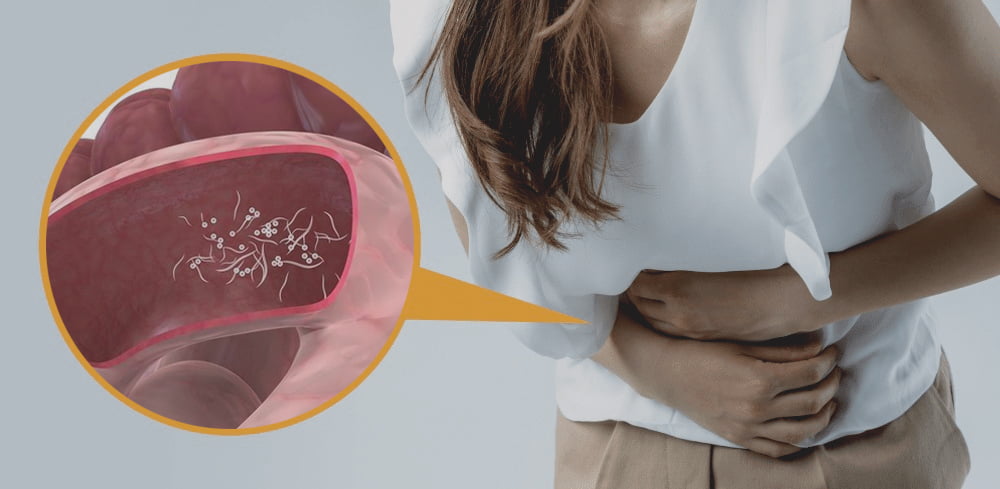
9. Insomnia
Parasites can disrupt your sleep by causing discomfort or because many are more active at night. You may have difficulty falling asleep or wake up frequently without understanding why your sleep pattern has changed.
10. Bloating
Some intestinal parasites, like Giardia, can cause excess gas buildup in the digestive tract, leading to bloating and abdominal distension. Persistent bloating that doesn’t resolve with dietary changes may indicate an infection.
Final Thoughts
The severity and duration of symptoms vary depending on the type of parasite. Complications are more common in older adults and people with weakened immune systems. It’s also possible to carry parasites without showing any symptoms at all.
Healthcare professionals emphasize that individuals respond differently to infections — for instance, some people infected with Ascaris worms may have no noticeable signs. Proper testing and medical consultation are essential for accurate diagnosis and treatment.