
🌿 Was wäre, wenn eine der einfachsten und wirkungsvollsten Gesundheitspraktiken bereits in Ihrem Gewürzregal stünde? Vergessen Sie komplizierte Nahrungsergänzungsmittel und überteuerte Wellness-Trends. Manchmal können die kleinsten Dinge – wie eine einzige getrocknete Blütenknospe – enorme gesundheitliche Vorteile bringen. Gewürznelken, so klein sie auch sind, werden seit Jahrhunderten in verschiedenen Kulturen wegen ihres Geschmacks und ihrer medizinischen Kraft geschätzt. Aber das Kauen von nur ein oder zwei Gewürznelken pro Tag könnte Ihr Wohlbefinden still und leise revolutionieren. Gewürznelken sind vollgepackt mit wirkungsvollen Verbindungen, insbesondere Eugenol, und bieten eine breite Palette wissenschaftlich belegter Vorteile – von der Verbesserung der Verdauung und Mundgesundheit bis hin zur Bekämpfung von Entzündungen und dem Schutz Ihrer Leber. Lassen Sie uns genauer untersuchen, wie diese kleine Angewohnheit Ihren Körper unterstützen kann – und wie Sie sie sicher und effektiv anwenden. 🦷 1. Natürliche Linderung von Zahnschmerzen und für die Mundgesundheit
Gewürznelken werden seit langem in der Zahnpflege verwendet und das aus gutem Grund. Sie enthalten Eugenol, ein natürliches Anästhetikum und eine antibakterielle Verbindung, die Schmerzen lindert und schädliche Bakterien abtötet. Durch das Kauen einer Gewürznelke kann Eugenol in das Zahnfleisch eindringen, Entzündungen reduzieren, Beschwerden lindern und Ihren Atem auf natürliche Weise erfrischen. Es ist eine schnelle und effektive Methode, empfindliche Zähne zu beruhigen – keine synthetischen Gele erforderlich. 🍽️ 2. Bessere Verdauung, weniger Blähungen Gewürznelken regen die Sekretion von Verdauungsenzymen an und helfen Ihrem Körper, Nahrung effizienter zu verdauen. Ihre karminativen Eigenschaften helfen, Blähungen, Gase und Übelkeit zu lindern. Regelmäßiges Kauen kann Darmreizungen lindern, die Darmflora ausgleichen und insgesamt einen gesünderen Verdauungsprozess unterstützen – besonders nützlich nach schweren oder fettigen Mahlzeiten. 🛡️ 3. Unterstützung und Entgiftung der Leber Ihre Leber ist das wichtigste Entgiftungsorgan Ihres Körpers und Gewürznelken helfen, sie in Topform zu halten. Gewürznelken sind reich an Antioxidantien – insbesondere Eugenol –, schützen die Leber vor oxidativen Schäden und können sogar Entzündungen im Lebergewebe reduzieren. Wenn Sie Nelken in Ihren Tagesablauf integrieren, unterstützen Sie die natürliche Leberfunktion, fördern eine reibungslosere Entgiftung und einen gesunden Stoffwechsel. 📉 4. Natürlicher Blutzuckerhaushalt Nelken können helfen, den Blutzuckerspiegel zu regulieren, indem sie die Insulinempfindlichkeit erhöhen und den Glukosetransport in die Zellen verbessern. Das macht sie zu einer hervorragenden Ergänzung für Menschen mit Prädiabetes oder Typ-2-Diabetes. Obwohl sie keine medizinische Behandlung ersetzen, kann das tägliche Kauen einer Zehe eine ausgeglichenere glykämische Reaktion unterstützen. 🧬 5. Potenzielle krebsbekämpfende Eigenschaften Nelken enthalten einen Cocktail aus krebshemmenden Verbindungen, darunter Flavonoide und Tannine. Diese Verbindungen können helfen, das Wachstum abnormaler Zellen zu hemmen und die Apoptose oder den programmierten Zelltod von Krebs zu fördern. Obwohl die Forschung noch nicht abgeschlossen ist, deuten erste Studien darauf hin, dass Nelken in Verbindung mit einer gesunden Ernährung und Lebensweise eine unterstützende Rolle bei der Krebsprävention spielen können. 🛡️ 6. Stärken Sie Ihr Immunsystem auf natürliche Weise. Mit ihren antimikrobiellen, antimykotischen und antiviralen Verbindungen wirken Gewürznelken wie ein kleiner Immunbooster. Durch tägliches Kauen gelangen die wohltuenden Öle schnell in den Blutkreislauf und helfen Ihrem Körper, sich gegen saisonale Keime und Umweltstressoren zu verteidigen. Besonders während der Erkältungs- und Grippesaison kann diese einfache Angewohnheit eine natürliche Verbesserung der Abwehrkräfte sein. 🌬️ 7. Linderung von Atemwegsbeschwerden und Lungengesundheit
Die Verbindungen in Nelkenöl können helfen, die Atemwege zu öffnen, Entzündungen zu reduzieren und Schleim zu lösen. Bei Personen mit Verstopfung, Allergien oder saisonalen Atemproblemen kann das Kauen von Gewürznelken die Symptome lindern und die allgemeine Lungenfunktion unterstützen. Es ist eine sanfte Möglichkeit, Ihre Atemwege zu unterstützen – ohne die Nebenwirkungen von Medikamenten. ❤️ 8. Unterstützung der Herzgesundheit Gewürznelken helfen, oxidativen Stress und Entzündungen zu reduzieren – zwei Hauptursachen für Herz-Kreislauf-Erkrankungen. Studien legen nahe, dass die regelmäßige Anwendung helfen kann, das LDL-Cholesterin („schlechtes“ Cholesterin) zu senken und die Durchblutung zu verbessern. Eine bessere Durchblutung bedeutet, dass mehr Sauerstoff und Nährstoffe Ihr Gewebe erreichen, was mit der Zeit das Risiko von Herzerkrankungen senken kann. 🧪 9. Schützt vor Magengeschwüren Nelken fördern die Produktion von Magenschleim, der als Schutzbarriere in Ihrem Magen fungiert. Dies kann helfen, der Entwicklung von Geschwüren vorzubeugen, die durch Magensäure, Medikamente oder Infektionen wie H. pylori verursacht werden. Wenn Sie zu Reflux, Gastritis oder Verdauungsstörungen neigen, kann dieses tägliche Ritual spürbare Linderung bringen. 🦠 10. Schutz gegen Parasiten Nelken sind für ihre Fähigkeit bekannt, schädliche Mikroorganismen abzutöten – einschließlich Darmparasiten. Sie können den Lebenszyklus einiger Parasiten unterbrechen und helfen, ihre Vermehrung zu verhindern, was Nelken zu einer natürlichen Option zur Unterstützung der Darmgesundheit in Hochrisikoumgebungen macht. 🧘 11. Weniger Stress und Angst Die Verbindungen in Nelken interagieren mit Neurotransmittern wie Serotonin und Dopamin – jenen, die Stimmung, Entspannung und emotionales Gleichgewicht beeinflussen.
Das Kauen von Nelken kann das Nervensystem beruhigen, Stress reduzieren und sogar die Konzentration oder den Schlaf verbessern. Betrachten Sie es als eine Mikrodosis Achtsamkeit aus der Natur. 🌱 So kauen Sie Nelken für maximale Wirkung ✔️ Verwenden Sie ganze Nelken. Gemahlene Nelken verlieren schnell ihre Wirksamkeit. Ganze Nelken behalten ihre Öle und ihren medizinischen Wert länger. ✔️ Kauen Sie langsam. Lassen Sie die ätherischen Öle in Ihrem Mund freisetzen, bevor Sie sie schlucken. Je länger sie verbleiben, desto mehr Vorteile werden über Ihr Mundgewebe aufgenommen. ✔️ Beschränken Sie sich auf 1–2 Nelken pro Tag. Dies ist die optimale Dosis für die meisten Erwachsenen. Sie reicht aus, um eine Wirkung zu erzielen, ohne Ihre Geschmacksknospen oder Ihr Verdauungssystem zu überfordern. ✔️ Kauen Sie morgens oder nach den Mahlzeiten. Es fördert die Verdauung, erfrischt den Atem und unterstützt die Mundgesundheit den ganzen Tag über. 🛒 Die besten Gewürznelken auswählen Achten Sie auf: ✅ Ganze, pralle Gewürznelken mit einem starken, süß-würzigen Aroma
✅ Sorten aus biologischem Anbau oder aus ethischer Gewinnung, um Verunreinigungen zu vermeiden
✅ Gewürznelken aus Madagaskar, Sansibar oder Indonesien – Regionen, die für ihren hohen Ölgehalt und ihre Wirksamkeit bekannt sind Vermeiden Sie stumpfe, trockene Gewürznelken mit verblasster Farbe oder ohne Duft – sie haben ihre beste Zeit wahrscheinlich schon hinter sich. ⚠️ Wann Sie Gewürznelken meiden sollten
So wirksam sie auch sind, Gewürznelken sind nicht für jeden geeignet. Vermeiden Sie das Kauen, wenn Sie: ❌ schwanger sind oder stillen
❌ Blutverdünner einnehmen oder an Blutgerinnungsstörungen leiden
❌ innerhalb der nächsten zwei Wochen operiert werden
❌ eine bekannte Allergie gegen Gewürznelken oder Eugenol haben
❌ die Gewürznelken Kindern unter 5 Jahren anbieten – sie könnten zu intensiv sein oder ein Erstickungsrisiko darstellen Konsultieren Sie wie immer einen Arzt, bevor Sie eine neue medizinische Praxis beginnen, wenn Sie Vorerkrankungen haben. 📆 Ein kleines tägliches Ritual mit großer Wirkung . In nur wenigen Sekunden am Tag können Sie sich über einen natürlichen Gesundheitsschub mit echter Wirkung freuen. Das Kauen von Gewürznelken wird nicht alles über Nacht beheben, aber mit der Zeit kann es zu einer tragenden Säule Ihrer täglichen Wellnessroutine werden. Ob Sie Ihre Verdauung verbessern, Ihr Immunsystem unterstützen, Ihr Herz schützen oder sich einfach in Ihrem Körper wohler fühlen möchten, diese kleine Angewohnheit könnte die stille Verbesserung sein, nach der Sie gesucht haben. 🌟 Beginnen Sie morgen früh . Nehmen Sie sich eine Gewürznelke. Kauen Sie langsam. Lassen Sie die Öle ihre Arbeit tun. Keine Pillen. Kein Pulver. Keine teuren Produkte. Nur eine kraftvolle Knospe und ein Moment achtsamer Selbstfürsorge. Manchmal sind die einfachsten Veränderungen die, die bleiben – und die, die den ganzen Unterschied ausmachen.
Fast Rice Water Trick for a Brighter Smile
Ever wished for a quick, natural way to make your smile sparkle? Rice water, the starchy liquid left after soaking rice, is a trending home remedy that might just surprise you. What if something as simple as rinsing with rice water could lift stains and brighten your teeth? Let’s explore this easy trick that’s got everyone talking—without the hype.
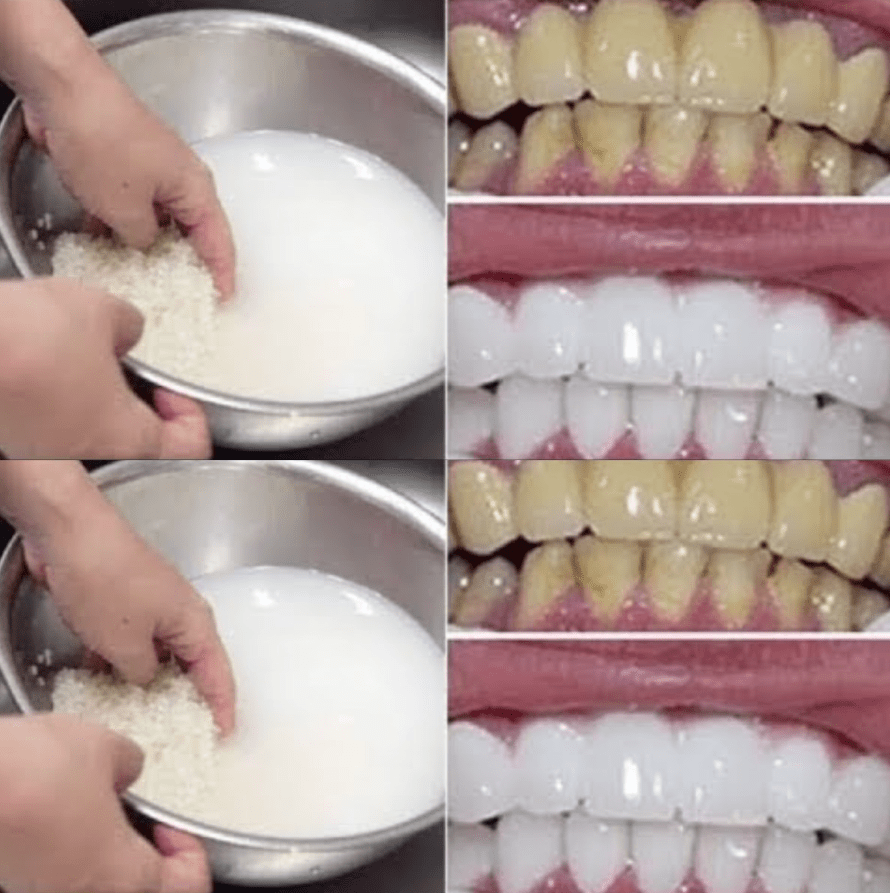
Yellowing teeth are a common issue—over 80% of Americans notice stains as they age, often from coffee, tea, or everyday wear. Harsh whitening treatments can damage enamel or cause sensitivity, leaving many searching for gentler options. Rice water, rich in mild abrasives and antioxidants, may offer a natural way to polish your smile. Whether you’re over 50, love your daily latte, or just want a quick fix, overlooking this remedy could mean missing a simple boost for your confidence.
We’re counting down 5 reasons rice water might brighten your teeth fast, with a surprising twist at the end that could make it your go-to trick. Stick around to find out.
Number 5: Gently removes surface stains. Rice water contains starch particles that act as mild abrasives, which may help scrub away coffee or tea stains without harming enamel, according to anecdotal reports.
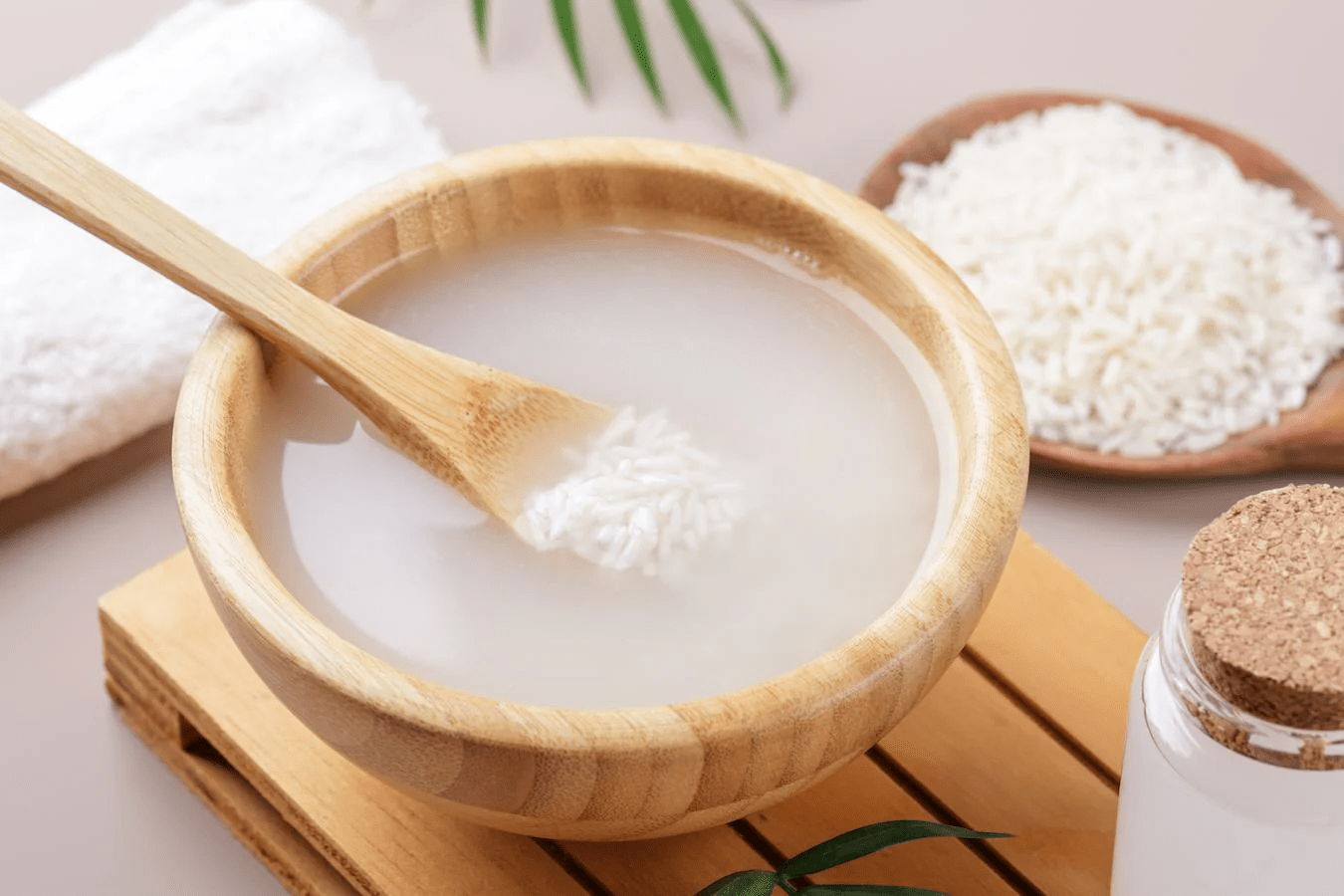
Number 4: Reduces plaque buildup. The natural compounds in rice water may help loosen plaque, a sticky film of bacteria that dulls teeth, making your smile look cleaner.
Number 3: Soothes gums. Rice water’s anti-inflammatory properties, noted in some traditional practices, may calm irritated gums, creating a healthier environment for brighter teeth.
Mini-hook: Did you know rice water might freshen your breath? Keep reading for a surprising perk!
Number 2: Supports oral hygiene. The antioxidants in rice water, like ferulic acid, may fight bacteria that cause bad breath, giving your mouth a fresher feel, per limited studies.
And the most surprising reason, Number 1: Boosts confidence fast. A quick rice water rinse may give your teeth a subtle shine in just a few uses, potentially making you feel bolder about flashing your smile. This unexpected perk could be a game-changer for your daily vibe.
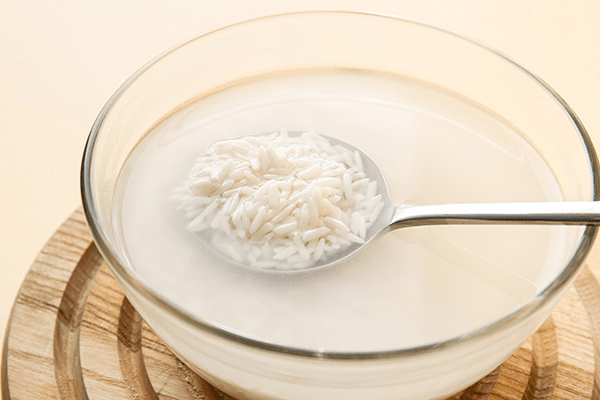
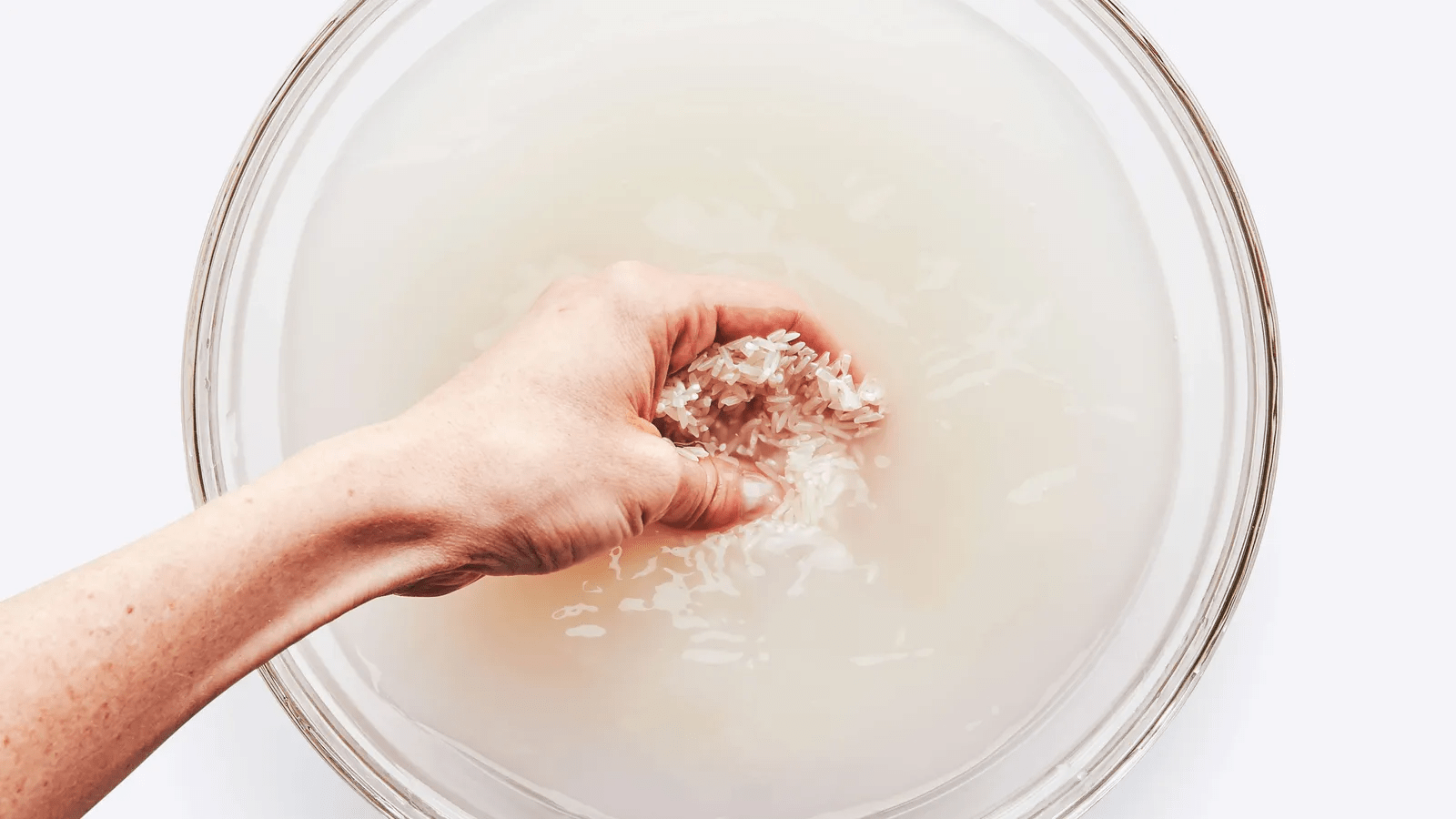
Ready to try it? To make rice water, rinse ½ cup of white rice to remove dirt, then soak it in 1 cup of water for 30 minutes. Stir, strain the cloudy liquid, and use it as a mouth rinse. Swish 2–3 tablespoons in your mouth for 1–2 minutes, once or twice daily, then spit it out. Brush your teeth afterward to clear any starch residue. Use fresh rice water daily for best results, and stick to this routine for a week to see if you notice a difference. Always consult a healthcare professional or dentist before trying new oral remedies, especially if you have sensitive teeth or gum issues, as overuse could irritate. Pro tip: Add a drop of peppermint essential oil for a refreshing twist, but dilute it properly to avoid irritation.
Take a small step this week: try a rice water rinse tomorrow morning and see if your smile feels brighter. Share your results in the comments—we’d love to hear how it works for you! Your teeth might just thank you for this simple, natural trick.
This article is informational only and does not replace professional medical advice — recommend readers consult a qualified healthcare provider for personalized guidance.
13 Warning Signs Your Kidneys Are Failing – Don’t Ignore These Symptoms
Imagine waking up one morning and feeling more exhausted than the night before. You chalk it up to stress, maybe age, or just not enough coffee. But what if that deep fatigue was a silent signal from your kidneys? For many, the first hints of kidney trouble are easy to dismiss. The truth is, your kidneys work quietly in the background—until they don’t. And when they fail, the consequences can be devastating. What if you could catch the early signs before it’s too late? Today, we’ll uncover 13 warning signs that often fly under the radar. Stay with me, because what you learn could make all the difference.
Kidney failure doesn’t happen overnight. It’s a slow, creeping process that disguises itself as everyday discomforts. Some signs mimic dehydration, aging, or even seasonal allergies. That’s why most people miss them until the damage is advanced. But here’s the hopeful part: recognizing these signals early gives you a fighting chance. What’s more, a few of these signs might already be showing up in your daily routine—without you realizing it.
So let’s dive in. With each sign, you’ll see why it matters, how it feels, and what it could mean for your health. Don’t rush—because the symptom you overlook might be the one that saves your life.
13. Persistent Fatigue and Low Energy
When Susan, 54, found herself needing naps every afternoon, she blamed her busy schedule. But tests revealed her kidneys weren’t filtering waste properly, leaving toxins in her blood. That toxic buildup can make you feel sluggish, drained, and foggy.
If you constantly feel tired even after rest, your kidneys might not be producing enough erythropoietin—a hormone that helps your body create red blood cells. Less oxygen reaches your muscles and brain, leaving you exhausted.
Have you noticed you’re no longer energized by a good night’s sleep? That’s worth paying attention to.
But fatigue is only the beginning—sometimes the next clue is written on your skin.
12. Swelling in Ankles, Feet, or Hands
Picture slipping on your favorite shoes and realizing they suddenly feel tight. John, 61, thought he had gained weight, but it was fluid retention from kidney dysfunction. Kidneys regulate sodium and fluids, and when they falter, water builds up in tissues.
The swelling often starts around the ankles and feet but can spread to the hands and face. Some describe it as a puffy, stretched sensation that doesn’t go away.
Could your “simple bloating” actually be your body waving a red flag?
And swelling isn’t the only outward change—sometimes it shows up in the most unexpected place: your bathroom.
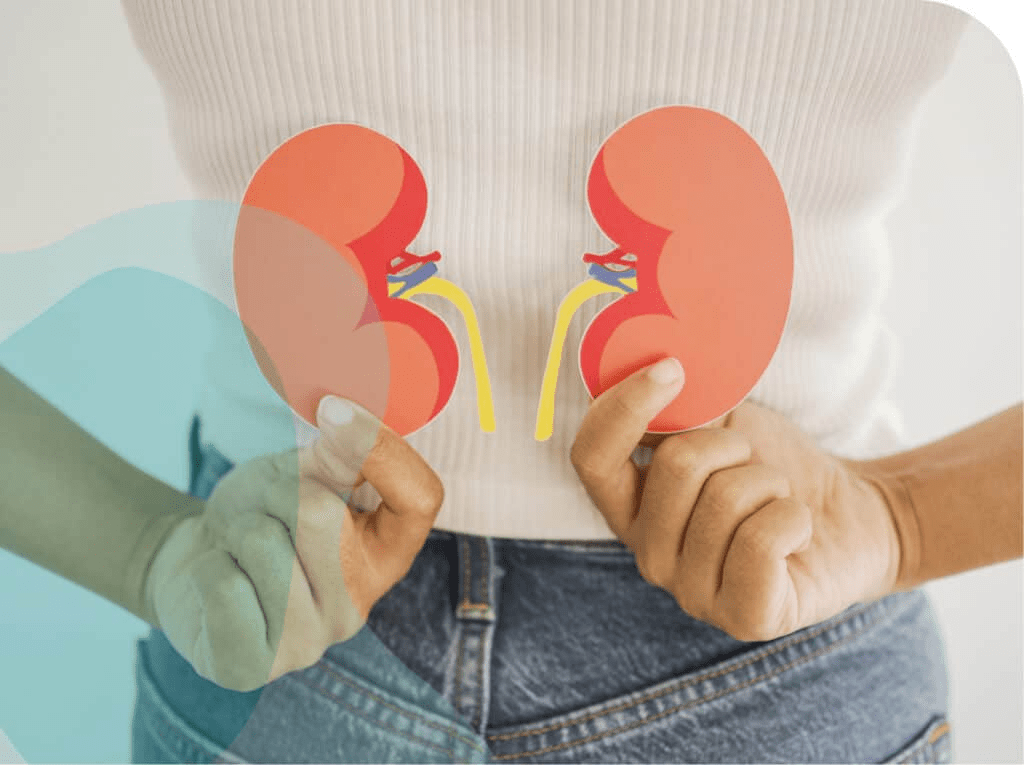
11. Changes in Urination Patterns
Frequent nighttime trips to the bathroom, foamy urine, or even a sudden decrease in output—these can all be subtle warnings. Kidneys filter blood and create urine, so when they’re in trouble, your bathroom habits change.
Foamy or bubbly urine can signal excess protein, while dark or bloody urine may suggest damage. Ignoring these changes might feel convenient, but it could cost you dearly.
Think about it: how often do you actually pay attention to your urine? Yet it’s one of the clearest mirrors of kidney health.
Still, there’s another sign that can creep up—one you feel deep in your muscles.
10. Muscle Cramps and Restless Legs
Have you ever been jolted awake by a sudden calf cramp? People with failing kidneys often experience frequent cramps or restless legs, especially at night. That’s because damaged kidneys can’t keep calcium and phosphorus in balance.
These cramps may start as occasional annoyances but become nightly disruptions. The ache lingers, leaving you groggy and irritated the next day.
Could your midnight cramps be more than just dehydration? The answer might surprise you.
And just when you think it couldn’t get stranger, the warning may appear on your skin.
9. Itchy, Dry Skin
Linda, 67, kept scratching her arms until they bled. She assumed it was a new detergent. But her doctor explained that toxins were building in her bloodstream. Failing kidneys can’t remove waste, and that imbalance dries and irritates the skin.
This itchiness isn’t relieved by lotion. It feels deep, constant, and unrelenting. Sometimes, it even wakes people from sleep.
If your skin feels like sandpaper no matter what you try, could it be an inside problem rather than an outside one?
But skin isn’t the only canvas of clues—your breath may be whispering warnings too.
8. Metallic Taste or Ammonia Breath
Imagine sipping your morning coffee and tasting metal instead of warmth. When kidneys fail, waste called urea builds in your blood and breaks down into ammonia. This can leave a foul breath odor or strange taste in your mouth.
Many describe food suddenly tasting “off,” leading to weight loss because eating becomes unpleasant. If meals no longer bring joy, it might be more than just a picky palate.

So what happens when your body starts rejecting food? The signs grow even harder to ignore.
7. Loss of Appetite and Nausea
When your body can’t clear toxins, digestion takes a hit. That queasy, unsettled stomach may not be from spoiled food—it could be kidney overload. Some people report nausea, vomiting, or a complete disinterest in eating.
This is one of the more dangerous symptoms, as it leads to malnutrition and weakness.
But here’s the twist: while your stomach struggles, your mind might also send subtle distress signals.
6. Trouble Concentrating and Brain Fog
Ever walked into a room and forgotten why? While that happens to everyone, chronic brain fog may be tied to kidney failure. With fewer red blood cells carrying oxygen, your brain doesn’t get the fuel it needs.
You may feel dizzy, confused, or unable to focus on simple tasks. For some, it feels like trying to think through a heavy cloud.
But mental haze isn’t the only hidden cost—sometimes it shows up in your heart.
5. Shortness of Breath
Kidney failure often brings breathlessness, either from anemia or fluid buildup in the lungs. People describe it as trying to breathe through a straw or feeling like their chest is weighed down.
Imagine climbing a single flight of stairs and feeling like you’ve run a marathon. That’s the daily reality for many with advanced kidney disease.
But what about signs you can see every morning in the mirror?
4. Puffy Eyes
If you wake with swollen eyelids that linger all day, it might be more than poor sleep. Leaking protein from kidneys often shows up as puffiness around the eyes.
These swollen eyes are usually painless but persistent, a quiet signal that something deeper is wrong.
Could your “allergies” actually be kidney damage in disguise?
And then there’s one of the most overlooked signals of all—your blood pressure.
3. High Blood Pressure
Kidneys help control blood pressure by balancing fluids and hormones. When they fail, blood pressure often spikes. For some, it becomes resistant to medications.
High blood pressure then worsens kidney damage, creating a vicious cycle. Many people discover their kidney issues only after repeated blood pressure problems.
But high blood pressure isn’t the end—it often comes hand in hand with another striking signal.
2. Constant Cold Sensation
Do you shiver when everyone else feels comfortable? Kidney-related anemia can make you feel cold even in warm rooms. Some describe icy hands and feet that never seem to warm up.
This chill goes beyond simple temperature preference—it’s your body crying out for help.
And finally, the warning that can change everything if ignored.
1. Chest Pain and Irregular Heartbeat
The most life-threatening sign is when failing kidneys affect your heart. Imbalances in potassium and calcium can trigger arrhythmias or chest pain.
This isn’t just discomfort—it can lead to sudden cardiac arrest. Many patients never realize the connection until it’s too late.
But knowledge is power. By catching these signs early, you may protect not only your kidneys but your life.
Quick Comparison: Signs and Possible Links
| Warning Sign | Possible Kidney Link |
|---|---|
| Fatigue | Anemia, toxin buildup |
| Swelling | Fluid retention, sodium imbalance |
| Urine changes | Protein leakage, filtration issues |
| Itchy skin | Waste accumulation |
| Puffy eyes | Protein loss |
| Chest pain | Electrolyte imbalance, heart strain |
What Can You Do Next?
If any of these symptoms feel familiar, don’t panic. They don’t guarantee kidney failure, but they do deserve attention. Here are safe first steps:
- Track symptoms and frequency.
- Stay hydrated unless restricted by a provider.
- Schedule a checkup for urine and blood tests.
- Monitor blood pressure regularly.
But remember, the most important step is seeking professional guidance. Only a qualified healthcare provider can confirm whether your kidneys are at risk.
Safety Guide: Monitoring and Care
| Step | Why It Matters |
|---|---|
| Regular checkups | Detect problems early |
| Balanced diet | Supports kidney function |
| Managing blood pressure | Reduces added strain |
| Avoiding excess salt | Helps control fluid retention |
Final Thoughts
Your kidneys may be small, but their role is enormous. They silently filter, balance, and protect—until they start failing. Fatigue, swelling, changes in urine, and even itchy skin may all be whispers of trouble. The question is: will you listen?
By staying alert to these 13 signs, you give yourself the gift of time—time to act, time to adapt, and time to seek help. Don’t wait until silence turns to crisis.
So ask yourself: do any of these warnings sound familiar? If yes, now is the time to act. Share this knowledge with someone you love—they may need it more than you know.
P.S. Did you know that your kidneys filter about 50 gallons of blood every single day? Just imagine the strain they carry. All the more reason to protect them starting today.
This article is for informational purposes only and is not a substitute for professional medical advice. Please consult your healthcare provider for personalized guidance.
Morning Drink to Revive Your Kidneys Fast
Imagine starting your day with a refreshing drink, its tangy zest waking your senses while quietly supporting your kidneys. These vital organs filter toxins tirelessly, but they often need a boost. Could a simple morning sip—bursting with natural ingredients—help them recover? Picture feeling lighter, more energized, as your body thanks you. What if the secret lies in a blend of lemon, ginger, and cucumber? Let’s explore how this morning ritual can support kidney health and keep you vibrant. Ready to discover the power in your glass?
The Quiet Toll on Your Kidneys
Your kidneys process about 50 gallons of blood daily, but modern life—stress, processed foods, dehydration—can wear them down. Ever felt sluggish or noticed puffy ankles? These could signal your kidneys need help. Research shows hydration and antioxidants may ease their burden. Ignoring this might lead to fatigue or worse. Could a morning drink be the answer? Let’s dive into why this blend works wonders.
Why Kidneys Crave Morning Support
Waking up dehydrated taxes your kidneys, slowing their detox process. Poor diet adds strain, leaving you bloated or tired. A 2020 study found that natural compounds can support kidney function. You deserve to feel refreshed, not weighed down. A lemon-ginger-cucumber drink might be the key. But what makes this trio so effective? Let’s uncover their benefits, starting with a zesty spark.
7 Benefits of Your Morning Kidney Drink
7. Lemon’s Detox Kick

Meet Ellen, 58, who felt foggy each morning. Sipping lemon water brought clarity. Lemons’ citric acid may help flush toxins, per a 2019 study, supporting kidney filtration. Squeeze half a lemon into warm water. Its tangy burst wakes you up. Could this be your kidneys’ morning boost? There’s more to this drink.
6. Ginger’s Anti-Inflammatory Spark
Ever rub your lower back, feeling achy? Ginger’s gingerol may reduce inflammation, easing kidney stress, per a 2021 journal. Ellen grates a teaspoon into her drink, loving its spicy warmth. Add it fresh for maximum effect. Think that’s all? The next ingredient’s a hydration hero.
5. Cucumber’s Hydrating Power
Picture Mark, 53, battling leg swelling. Adding cucumber slices to his morning drink cooled his system. Cucumbers, 95% water, hydrate kidneys, aiding toxin removal, per a 2020 study. Slice three thin rounds into your glass. Feel the crisp refreshment. Curious about the next benefit? It’s a game-changer.
4. Lemon’s pH Balance Support
You might think, “Acidic lemon for kidneys?” Its alkaline effect may balance body pH, supporting kidney function, per a 2022 study. Ellen noticed less bloating after weeks of sipping. Mix lemon juice with warm water. Could this tweak your morning routine? The next one’s even better.
3. Ginger’s Circulation Boost

Heavy legs slowing you down? Ginger may improve blood flow, helping kidneys filter waste, per a 2018 study. Mark adds a ginger slice, feeling energized. Its zesty kick sparks his day. Ready for more? The next benefit’s a hidden gem.
2. Cucumber’s Mineral Magic
Cucumbers offer potassium, which may help kidneys regulate fluids, per a 2021 study. Mark’s swelling eased after consistent sips. Toss in a few slices for a subtle, fresh taste. Think this drink’s done surprising you? The final benefit could transform your mornings.
1. Total Kidney Revitalization
Here’s the life-changer: this lemon-ginger-cucumber blend hydrates, reduces inflammation, and supports detox. Imagine sipping a cool, tangy glass, feeling your body lighten. A 2023 study linked these ingredients to better kidney health. Drink daily for lasting effects. This could be your kidneys’ new best friend. But how do you make it safely?
| Ingredient | Key Nutrient | Potential Benefit | Serving Size |
|---|---|---|---|
| Lemon | Citric Acid | May aid toxin flush | Juice of 1/2 lemon |
| Ginger | Gingerol | May reduce inflammation | 1 tsp grated |
| Cucumber | Water, Potassium | May hydrate, balance fluids | 3 thin slices |
How to Make Your Morning Drink Safely

Wondering, “Is this safe for me?” This drink is gentle for most, but start small to test tolerance. Consult your doctor if you have kidney issues or take medications. Here’s your guide:
| Ingredient | How to Use | Safety Tips |
|---|---|---|
| Lemon | Squeeze 1/2 into 8 oz warm water | Avoid if sensitive to citrus |
| Ginger | Grate 1 tsp, steep in water | Limit if on blood thinners |
| Cucumber | Slice 3 thin rounds, add to drink | Rinse well to remove pesticides |
Ellen started with small sips, feeling lighter in days. Mark’s swelling eased after a week. Always check with a healthcare provider before changes. Ready to make this a habit? Let’s wrap it up.
Start Your Kidney Revival Today
What if you could feel lighter and more vibrant every morning? This lemon-ginger-cucumber drink offers hydration, inflammation relief, and detox support. Don’t miss out like Ellen and Mark did before their transformation. Try it tomorrow—consult your doctor first. Why wait to revive your kidneys? Share this with a friend who needs a boost. Your body deserves this morning ritual.
P.S. Did you know cucumber’s cool crunch can also soothe stress? Sip and relax!
This article is for informational purposes only and does not replace professional medical advice. Consult your healthcare provider for personalized guidance.