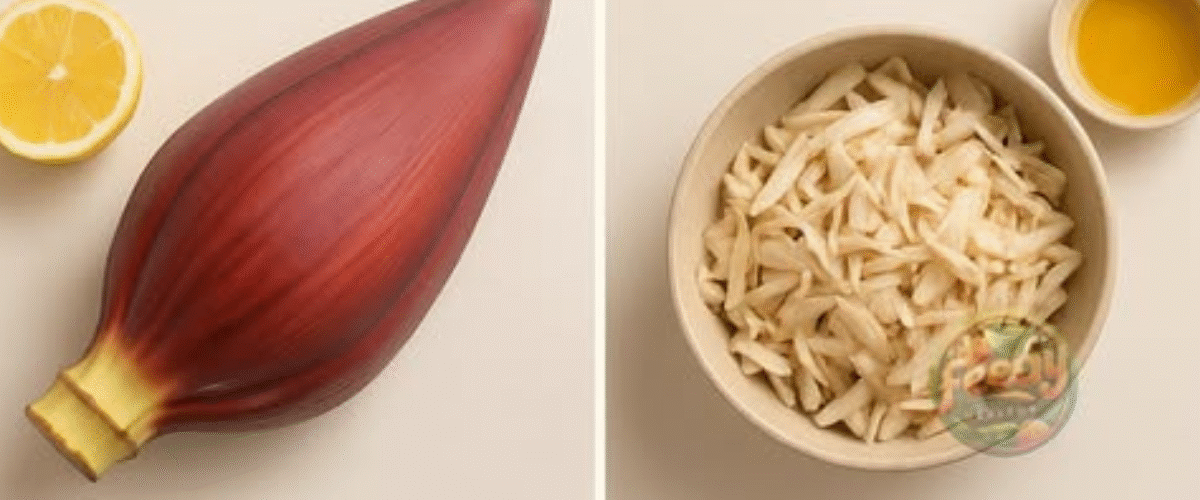
Die Bananenblüte – auch Bananenherz genannt – ist eine tropfenförmige, tiefviolette Blüte am Ende eines Bananenstauden. Sie wird häufig in der süd- und südostasiatischen Küche verwendet und ist nicht nur wegen ihrer kulinarischen Vielseitigkeit geschätzt, sondern auch reich an gesundheitsfördernden Nährstoffen.
Lasst uns erkunden, was Bananenblüten sind, welche potenziellen gesundheitlichen Vorteile sie bieten und wie man sie zu Hause mit leckeren, nahrhaften Rezepten zubereiten kann.
Was ist eine Bananenblüte?
Die Bananenblüte ist die essbare Blüte der Bananenpflanze, insbesondere der Art Musa acuminata . Im Inneren der violetten äußeren Hüllblätter befindet sich ein heller, zarter Kern mit winzigen Blüten – die Teile, die üblicherweise zum Kochen verwendet werden. Mit ihrem leicht bitteren Geschmack und ihrer fleischähnlichen Konsistenz nach dem Kochen eignet sich die Bananenblüte hervorragend für eine Vielzahl von Gerichten, darunter Salate, Wokgerichte und Currys.
Bananenblüten sind zwar nicht so süß wie reife Bananen, werden aber als Gemüse verwendet und sind aufgrund ihrer faserigen, flockigen Konsistenz, die an Fisch erinnert, besonders in der veganen Ernährung beliebt. Man findet sie frisch in asiatischen Supermärkten oder in Dosen in Feinkostläden.
Nährwertprofil
Bananenblüten sind kalorienarm und reich an Ballaststoffen und eignen sich daher hervorragend für alle, die ihre Gesundheit auf natürliche Weise unterstützen möchten. Pro 100 Gramm enthalten Bananenblüten:
- Kalorien : ~51 kcal
- Ballaststoffe : ~5,7 g
- Protein : ~1,6 g
- Vitamine : A, C und E – wichtig für Haut, Immunsystem und Sehvermögen
- Mineralstoffe : Reich an Kalium, Kalzium, Eisen, Magnesium und Phosphor
- Antioxidantien : Flavonoide, Tannine und phenolische Verbindungen
Dieses nährstoffreiche Profil kann bei minimaler Kalorienbelastung die Verdauung, das Immunsystem und die Herz-Kreislauf-Gesundheit fördern.
Gesundheitliche Vorteile der Bananenblüte
Obwohl weitere Studien am Menschen erforderlich sind, deuten bestehende Forschungsergebnisse und traditionelle Anwendungen auf mehrere mögliche Vorteile hin:
1. Unterstützt die Verdauungsfunktion
Bananenblüten sind reich an Ballaststoffen und fördern so eine gesunde Verdauung und einen regelmäßigen Stuhlgang. Sie können außerdem zu einer ausgeglichenen Darmflora beitragen.
2. Fördert die Herzgesundheit
Dank ihres hohen Kaliumgehalts kann die Bananenblüte zur Regulierung des Blutdrucks beitragen. Antioxidantien wie Saponine und Quercetin können zudem den Cholesterinspiegel positiv beeinflussen und Entzündungen reduzieren.
3. Hilft bei der Blutzuckerkontrolle
Die Ballaststoffe in Bananenblüten können die Kohlenhydratabsorption verlangsamen und so zur Blutzuckerregulierung beitragen. Vorläufige Studien deuten darauf hin, dass Extrakte die Glukoseaufnahme verbessern können.
4. Unterstützt die Frauengesundheit
In der traditionellen Medizin werden Bananenblüten zur Linderung von Menstruationsbeschwerden eingesetzt. Nährstoffe wie Magnesium und Vitamin B6 können zur Stimmungsregulierung und zur Reduzierung von Blähungen beitragen.
5. Provides Antioxidant Protection
Banana blossoms contain plant compounds that may help reduce oxidative stress and protect cells from damage. This may lower the risk of chronic conditions like heart disease and cancer.
How to Prepare Banana Blossom
Banana blossoms require a few steps to prep, but the process is straightforward:
- Choose Wisely: Select a firm blossom with tightly packed purple bracts and no signs of decay.
- Peel and Clean: Remove the dark bracts until you reach the lighter heart and tender florets.
- Prevent Browning: Soak in water with lemon juice or vinegar to slow oxidation.
- Remove Tough Parts: Pluck out the fibrous stamen from each floret before cooking.
- Chop or Slice: Use sliced blossom in salads or diced in stir-fries and stews.
Store fresh banana blossom in the fridge wrapped in paper or cloth for up to a week. Canned versions are ready to use but often need rinsing.
Tasty and Healthy Recipes
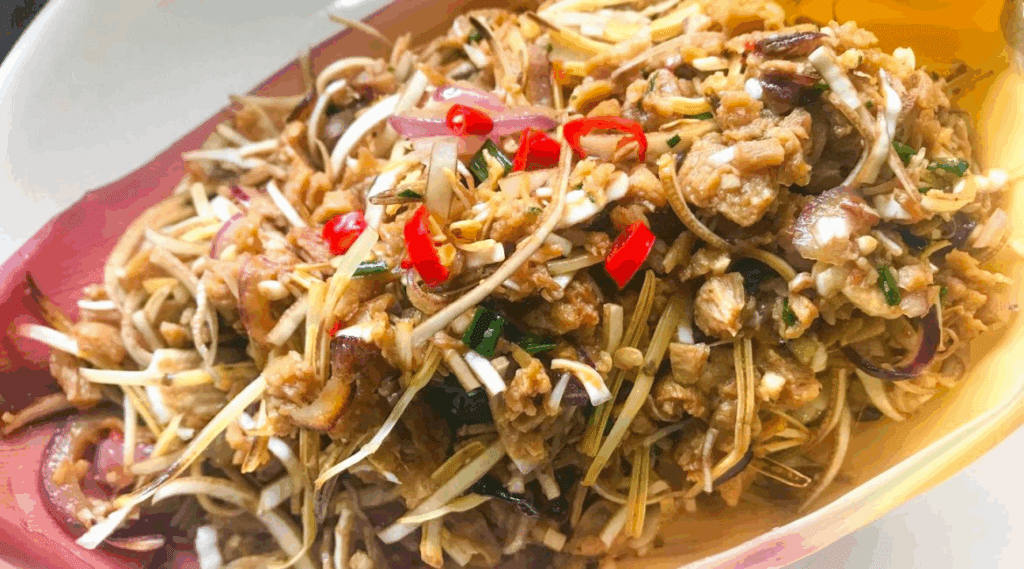
Banana Blossom Stir-Fry
A quick and flavorful dish ideal for a nutritious weeknight meal.
Ingredients:
- 1 banana blossom, chopped
- 1 onion, sliced
- 2 garlic cloves, minced
- 1 green chili (optional)
- 1 tsp mustard seeds
- 1 tsp turmeric
- 2 tbsp grated coconut
- 1 tbsp olive oil
- Salt to taste
Instructions:
- Heat oil, add mustard seeds until they pop.
- Add onion, garlic, and chili. Sauté until fragrant.
- Add banana blossom and turmeric, cook until tender.
- Finish with coconut and salt. Serve with rice or grains.
Banana Blossom Salad
Light and fresh, this salad is great as a starter or side dish.
Ingredients:
- 1 banana blossom, thinly sliced
- 1 carrot, grated
- 1 tomato, chopped
- 1 tbsp chopped cilantro
- 2 tbsp lemon juice
- 1 tsp olive oil
- Salt and pepper
Instructions:
- Blanch banana blossom for 2 minutes, then drain.
- Mix with carrot, tomato, and cilantro.
- Dress with lemon juice and olive oil. Serve chilled.
Vegan Banana Blossom “Fish” Tacos
A satisfying plant-based alternative to traditional tacos.
Ingredients:
- 1 can banana blossom, rinsed
- 1 tsp smoked paprika
- 1 tsp garlic powder
- 1 cup breadcrumbs
- 8 small tortillas
- 1 cup shredded cabbage
- 1 avocado, sliced
- 2 tbsp lime juice
- 2 tbsp olive oil
Instructions:
- Coat banana blossoms in spices and breadcrumbs.
- Fry until golden on both sides.
- Assemble tacos with cabbage, banana blossom, avocado, and lime.
Tips for Getting Started
- Ease In: If new to the taste, mix it with strong spices or sauces to balance bitterness.
- Use as a Substitute: Ideal in vegan dishes replacing fish or meat.
- Explore Textures: Try it raw for crunch or cooked for softness.
- Balance Your Meal: Pair with protein-rich foods like beans or tofu.
- Where to Find: Fresh in Asian markets, canned in specialty or organic stores.
Final Thoughts
Bananenblüten sind mehr als nur eine exotische Zutat – sie sind eine nahrhafte, vielseitige und geschmackvolle Bereicherung für Ihre Küche. Ob Sie pflanzliche Alternativen entdecken oder einfach nur neugierig auf neue Zutaten sind, Bananenblüten bieten gesundheitliche Vorteile und kulinarische Vielseitigkeit. Probieren Sie sie aus und entdecken Sie, wie diese einzigartige Blüte Ihre Gerichte und Ihr Wohlbefinden bereichern kann.
Hinweis: Dieser Artikel dient ausschließlich Bildungszwecken. Bitte konsultieren Sie Ihren Arzt oder Ihre Ärztin für eine individuelle Gesundheitsberatung.
8 Foods That Fight Tumors — Eat Them Regularly
One of the most effective ways to prevent cancer is to maintain a healthy, balanced diet. Below are eight foods known for their anti-cancer properties that you should add to your family’s daily meals.
1. Sweet Potatoes — Destroy Cancer Cells
Sweet potatoes are known to have a remarkable ability to inhibit cancer cells. Cooked sweet potatoes can suppress up to 98.7% of cancer cell activity, while raw ones reach about 94.4%.
Purple sweet potatoes, in particular, show the strongest effect. Scientists found that extracts from roasted purple sweet potatoes effectively inhibited the growth of cancer cells. Tests on mice with tumors showed similarly positive results.
Purple sweet potatoes are considered highly effective in preventing stage 1 and stage 2 cancers without any side effects. Researchers recommend eating a medium-sized purple sweet potato at lunch or dinner—or even a large one daily—to enhance health and fight cancer.
2. Eggplant — A Natural Cancer Remedy
Ancient Chinese medicine texts mention that eggplant roots harvested in autumn can help treat tumors. Modern studies confirm that eggplant contains compounds with anti-cancer effects, especially for stomach cancer.
It contains glycoalkaloids such as solanine and cucurbitacin, which have been proven to inhibit cancer cell growth. Eggplant also provides nutrients comparable to tomatoes but has three times more protein and calcium.
3. Broccoli — Powerful Detoxifier
All cruciferous vegetables (such as cabbage, kale, and mustard greens) contain anti-cancer compounds, but broccoli is particularly rich in sulforaphane—a substance that boosts the body’s detoxification enzymes and eliminates carcinogens.
Prevents: Breast, liver, lung, prostate, stomach, and bladder cancers.
How to use: Broccoli can be eaten in salads, soups, or even on pizza—it’s versatile and easy to prepare.
4. Radish — Neutralizes Cancer-Causing Nitrosamines
A Vietnamese proverb says, “Eat radish in winter and ginger in summer, and you won’t need the pharmacy.” Radish is considered a natural protector of health.
It contains compounds that neutralize nitrosamines—chemicals that promote cancer—and stimulate the immune system to destroy cancerous cells. The spicy mustard oil in radish enhances bowel movement and helps flush toxins from the body.
Radish also contains 8–10 times more vitamin C than apples or pears, along with carotene, which helps prevent mutations and cancer growth.
5. Tomatoes — Rich in Lycopene
Tomatoes are packed with lycopene, a powerful antioxidant responsible for their red color. Studies show lycopene can inhibit the growth of endometrial cancer cells, which cause thousands of deaths each year.
Prevents: Uterine, lung, prostate, and stomach cancers.
How to use: Tomatoes are most effective when cooked, as heating enhances lycopene absorption.
6. Pumpkin — Inhibits Carcinogens
Pumpkin is not only a food but also a traditional remedy in many cultures. It helps prevent obesity, diabetes, and high cholesterol, all of which are risk factors for cancer.
Rich in vitamin A, vitamin C, calcium, fiber, and tryptophan, pumpkin helps strengthen the immune system and suppress cancer-causing compounds.
7. Pomegranate — Fights Prostate Cancer
Research shows that compounds such as phenylpropanoids, hydrobenzoic acids, flavonoids, and fatty acids in pomegranate juice can weaken prostate cancer cells and reduce tumor metastasis.
8. Turmeric — Inhibits Cancer Growth and Metastasis
Used for thousands of years in India, turmeric is renowned for its medicinal power. Its active compound, curcumin, has strong anti-inflammatory and antioxidant properties.
Curcumin can lower cholesterol, improve liver function, protect against Alzheimer’s, reduce inflammation, and combat depression.
Recent studies also show that curcumin inhibits tumor formation and metastasis by neutralizing free radicals and blocking inflammatory signals.
Clinical research demonstrates that curcumin can inhibit the proliferation of cancer cells associated with breast, uterine, ovarian, kidney, bladder, colon, liver, pancreatic, lung, and lymphoma cancers.
How to use: Add turmeric to soups, stews, or herbal teas for daily protection.
In short:
Incorporating these eight foods—sweet potatoes, eggplant, broccoli, radish, tomatoes, pumpkin, pomegranate, and turmeric—into your regular meals can naturally boost your immunity and help your body resist cancer.
The Surprising Effects of Avocado on Your Heart and Brain
The avocado, also known as palta in many parts of the world, has become a star food in the diets of millions thanks to its countless health benefits. Recently, doctors and nutritionists have revealed that regular consumption of this delicious fruit can have surprising effects, especially on cardiovascular and cognitive health. But what makes the avocado so special? 
A Heart-Healthy Superfood
Unlike many other fruits, avocados are rich in healthy fats—particularly monounsaturated fatty acids. These fats are essential for maintaining a healthy heart, as they help lower LDL (bad) cholesterol and increase HDL (good) cholesterol. This balance supports better heart health and reduces the risk of cardiovascular diseases.
In addition to its heart-protective properties, avocado is packed with essential vitamins and minerals that contribute to overall wellness. It contains key nutrients such as vitamins A, C, E, K, and several from the B group, as well as minerals like potassium and magnesium. These nutrients not only strengthen the immune system but are also crucial for the proper functioning of the nervous system and for maintaining healthy skin.
Avocado and Blood Pressure
The potassium content in avocado is particularly noteworthy because it helps regulate blood pressure. Adequate potassium intake is also linked to reduced fluid retention and improved blood circulation. This makes avocado a powerful ally not only for the heart but also for maintaining stable energy levels throughout the day.
Benefits of Avocado for the Brain
Avocado doesn’t just work wonders for your heart—it’s also great for your brain. Thanks to its healthy fats, this fruit helps enhance cognitive function and may even contribute to the prevention of neurodegenerative disorders. Omega-3 fatty acids, though present in smaller amounts in avocado, play a crucial role in forming brain cell membranes.
Moreover, avocado is rich in antioxidants like lutein and vitamin E, which protect brain cells from oxidative damage. This is especially important as we age since a decline in these antioxidants can contribute to conditions like Alzheimer’s disease. By including avocado in your daily diet, you’re not only nourishing your body but also boosting your mental health.
How to Include Avocado in Your Diet
Adding avocado to your meals is both simple and delicious. There are countless recipes that highlight its versatility and flavor. From a classic guacamole—perfect as a snack dip—to healthy avocado toast for breakfast, the options are endless. Here’s an easy and quick recipe:
Avocado Toast
Ingredients:
- 1 ripe avocado
- 2 slices of whole-grain bread
- Lemon juice to taste
- Salt and pepper to taste
- Optional: tomato slices or a poached egg
Instructions:
- Toast the bread slices until golden brown.
- Mash the avocado and mix it with lemon juice, salt, and pepper.
- Spread the avocado mixture over the toast.
- Add tomato slices or a poached egg for a more complete breakfast.
Final Thoughts
In summary, avocado is much more than just a fruit—it’s a true superfood that can significantly support your heart and brain health. With its rich combination of healthy fats, vitamins, and minerals, it’s an excellent addition to any diet. So next time you have an avocado in your hands, remember that you’re enjoying a food that’s not only delicious but also packed with powerful health benefits.
5 early warning signs of cervical cancer
Cervical cancer is the fourth most common cancer among women worldwide, according to the World Health Organization. It affects hundreds of thousands of women each year, particularly in low- and middle-income countries where access to screening and vaccination remains limited. In 2022 alone, approximately 662,000 new cases were diagnosed globally, and around 349,000 women lost their lives to the disease. 
Cervical cancer begins when abnormal cells grow in the lining of the cervix. Most cases are linked to long-term infections caused by high-risk strains of the human papillomavirus (HPV), a common virus transmitted through intimate contact. If the infection does not clear naturally, it can gradually cause healthy cervical cells to become precancerous or cancerous over several years.
Because cervical cancer often develops slowly and shows few early symptoms, regular screening and prompt treatment are crucial for prevention and early detection.
1. Abnormal Vaginal Bleeding
Unusual bleeding may occur between menstrual periods, after intercourse, or following menopause. This can happen when weakened blood vessels in the cervix break easily due to cancerous changes. Although such bleeding can be caused by other conditions, persistent or worsening symptoms should be evaluated by a healthcare professional.
2. Unusual Vaginal Discharge
Some discharge is normal, but changes in color, texture, or odor may signal an issue. Watch for watery, pink, or brown discharge with a strong or foul smell, or a noticeable increase in volume. Any significant changes should be discussed with a gynecologist.
3. Persistent Pelvic Pain or Discomfort
Pelvic pain unrelated to ovulation or menstruation could be an early warning sign. If you experience persistent pressure or sharp pain in the lower abdomen, lower back, or hips, it’s important to consult your doctor for evaluation.
4. Pain During Intercourse
Pain or discomfort during sex can occur when cancer affects the cervix or surrounding tissues. While there are many possible causes, recurring pain during intercourse should never be ignored and warrants medical attention.
5. Unexplained Weight Loss and Fatigue
Sudden weight loss and ongoing fatigue can occur with various conditions, including cervical cancer. These symptoms indicate that your body may be using energy to fight an underlying illness and should be checked by a healthcare provider.
Prevention and Early Detection
Prevention remains the most effective approach to reducing cervical cancer risk. Regular Pap smears and HPV testing help detect precancerous changes early. The HPV vaccine—recommended for preteens aged 11 to 12—provides strong protection against the most dangerous HPV strains. Maintaining a healthy lifestyle, avoiding smoking, practicing safe sex, and keeping up with medical checkups also play a major role in prevention.
Disclaimer: This article is for informational purposes only and should not replace professional medical advice. Always consult a healthcare provider if you notice unusual symptoms or changes in your body.