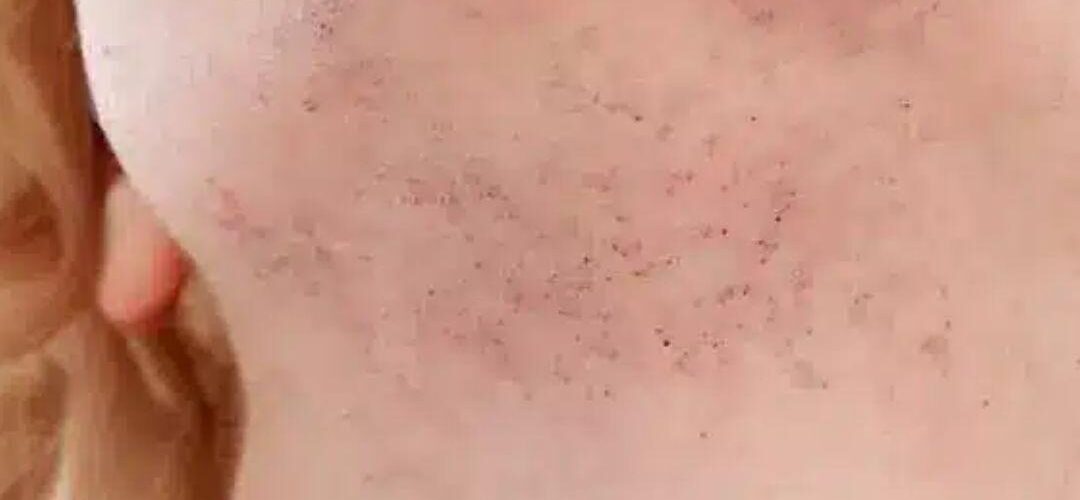
Kinnhaare bei Frauen sind häufiger, als viele denken. Diese Gesichtshaare können in Textur und Farbe stark variieren – von fein und fast unsichtbar bis hin zu groben, dunklen und auffälligeren Härchen. Während manche Frauen nur vereinzelt einzelne Härchen bemerken, kann der Haarwuchs bei anderen stärker oder flächendeckender sein. Die Kenntnis der Ursachen und der Behandlungsmöglichkeiten ist entscheidend, um dieses Problem effektiv und selbstbewusst anzugehen.
Was verursacht Kinnbart bei Frauen?
Das Wachstum von Gesichtshaaren wird von verschiedenen Faktoren beeinflusst – am häufigsten von hormonellen Veränderungen, der Genetik und bestimmten Erkrankungen. Es ist wichtig zu wissen, dass Kinnhaare oft ein normaler Bestandteil des Alterungsprozesses sind und nicht unbedingt ein Anzeichen für ein ernsthaftes Gesundheitsproblem darstellen.
Tatsächlich erleben viele Frauen in verschiedenen Lebensphasen, insbesondere während hormoneller Veränderungen, gelegentlichen oder allmählichen Gesichtshaarwuchs. Indem sie die Ursache kennen, können Frauen fundierte Entscheidungen darüber treffen, wie sie das Problem angehen möchten – ob medizinisch, kosmetisch oder gar nicht.
Die Wissenschaft hinter dem Haarwachstum am Kinn
Wie alle Körperhaare durchläuft auch das Kinnhaar einen natürlichen Wachstumszyklus, der drei Hauptphasen umfasst:
- Anagen (Wachstumsphase): wenn das Haar aktiv aus dem Haarfollikel wächst
- Katagen (Übergangsphase): eine kurze Periode, in der sich das Wachstum verlangsamt
- Telogenphase (Ruhephase): Wenn die Haare schließlich ausfallen
Ein wichtiger Faktor für das Wachstum von Gesichtshaaren ist der Einfluss von Androgenen – einer Hormongruppe, die typischerweise als „männlich“ gilt, aber auch in geringeren Mengen bei Frauen vorkommt. Erhöhte Androgenspiegel oder eine gesteigerte Empfindlichkeit gegenüber diesen Hormonen können zu stärkerem oder häufigerem Haarwuchs im Gesicht und am Körper führen.
Auch die Genetik spielt eine wichtige Rolle für die Dichte, Verteilung und Beschaffenheit der Gesichtsbehaarung. Das bedeutet, dass manche Frauen unabhängig vom Hormonspiegel von Natur aus einen stärkeren Kinnhaarwuchs haben.
Hormonelle Faktoren, die das Kinnhaar beeinflussen
1. Polyzystisches Ovarialsyndrom (PCOS)
Eine der häufigsten Ursachen für übermäßigen Gesichtshaarwuchs bei Frauen ist das polyzystische Ovarialsyndrom (PCOS). Es handelt sich um eine Hormonstörung, die zu einem erhöhten Androgenspiegel führt. Zudem kann sie unregelmäßige Menstruation, Akne und Gewichtszunahme verursachen.
2. Menopause
Mit dem Eintritt in die Wechseljahre sinkt der Östrogenspiegel bei Frauen. Dieses hormonelle Ungleichgewicht kann zu einem relativen Anstieg der Androgene führen, was wiederum neues oder verstärktes Gesichtshaarwachstum zur Folge haben kann.
3. Medikamente
Bestimmte Medikamente – wie anabole Steroide, einige Antibabypillen, Hormonersatztherapie oder Medikamente zur Behandlung von Endometriose – können den Hormonspiegel beeinflussen und Veränderungen im Gesichtshaarwuchs auslösen.
Genetische und ethnische Einflüsse
If your mother, aunt, or grandmother had chin whiskers, there’s a good chance you may develop them too. Heredity is a strong predictor of facial hair growth. Additionally, ethnic background plays a role. Women of Middle Eastern, Mediterranean, and South Asian descent, for example, often have a genetic predisposition to more noticeable facial hair.
These patterns are typically completely natural and not tied to any medical problem, though the degree of hair growth can vary widely even within the same family or community.
Medical Conditions Linked to Excess Facial Hair
Sudden or excessive growth of facial hair may occasionally signal an underlying medical issue. In addition to PCOS, possible causes include:
- Adrenal gland disorders (e.g., congenital adrenal hyperplasia)
- Cushing’s syndrome (excess cortisol production)
- Hormone-secreting tumors (especially on the ovaries or adrenal glands)
- Hypothyroidism (underactive thyroid can affect hormone balance)
If facial hair growth is accompanied by symptoms like sudden weight gain, acne, irregular periods, deepening of the voice, or thinning scalp hair, it’s essential to consult a healthcare professional for further evaluation.
Top 10 Ways Chin Whiskers Can Impact Well-being
- Feelings of self-consciousness or embarrassment
- Anxiety or stress about physical appearance
- Time and money spent on hair removal
- Skin irritation or ingrown hairs from frequent grooming
- Avoidance of social or intimate situations
- Negative body image and reduced self-esteem
- Obsessive behaviors like constant checking or plucking
- Strain on romantic relationships or self-confidence
- Fear of a hidden health problem
- Increased risk of developing anxiety or depression
The Emotional and Psychological Toll
For many women, chin whiskers are more than a cosmetic issue—they can deeply affect mental and emotional well-being. The pressure to meet unrealistic beauty standards, often reinforced by social media and pop culture, can lead to shame and isolation.
Women may feel like they need to hide this issue, even from close friends or partners. In reality, seeking support from healthcare professionals, therapists, or peer communities can help normalize the experience and reduce the emotional burden.
Cultural and Social Perspectives
In many societies, smooth, hairless skin is idealized as the beauty standard. Facial hair on women is often considered undesirable or taboo, leading to social stigma. This can influence how women perceive themselves and how comfortable they feel in public or intimate settings.
However, times are changing. A growing body positivity movement is challenging conventional beauty norms, encouraging women to embrace their natural bodies—including facial hair. Social media has also helped build communities where women share their experiences and advocate for self-acceptance.
Hair Removal Options: What Really Works?
Women have a variety of hair removal methods to choose from, depending on personal preference, budget, and skin sensitivity.
Temporary Methods:
- Plucking/Tweezing: Best for removing a few individual hairs.
- Waxing/Threading: Removes hair from the root, results last longer.
- Shaving: Quick and easy but may cause irritation.
- Depilatory Creams: Chemical-based creams that dissolve hair at the surface.
Long-Term or Permanent Solutions:
- Laser Hair Removal: Uses light to target melanin in hair follicles; requires multiple sessions.
- Electrolysis: A needle destroys each hair follicle with an electrical current; FDA-approved for permanent removal.
- Prescription Creams (e.g., Eflornithine): Slows down the rate of facial hair regrowth with regular use.
Tip: Always consult with a dermatologist or licensed technician to determine the safest and most effective option for your skin type.
When to See a Doctor
It’s advisable to seek medical attention if:
- You notice a sudden or significant increase in facial hair
- Hair growth is accompanied by hormonal symptoms (acne, deep voice, weight changes, missed periods)
- You suspect an underlying medical condition like PCOS or thyroid issues
A healthcare provider can order hormone tests, conduct imaging studies (such as ultrasound or CT scans), and develop a personalized treatment plan if needed.
Lifestyle Changes and Natural Remedies
Some women find relief and reduced facial hair growth through natural approaches and holistic care:
- Maintain a Healthy Weight: Especially beneficial for managing PCOS
- Eat a Balanced Diet: Prioritize whole foods, lean protein, and green leafy vegetables
- Drink Spearmint Tea: Some studies suggest it may help lower androgen levels naturally
- Reduce Stress: Chronic stress can disrupt hormonal balance—try yoga, mindfulness, or deep breathing techniques
- Exercise Regularly: Helps regulate insulin and hormone levels
While these remedies may not remove hair entirely, they support hormonal harmony and may reduce the frequency or severity of unwanted hair growth over time.
Conclusion: Embrace Your Choice
Chin whiskers are a common and natural experience for many women—and they are nothing to be ashamed of. Whether you choose to remove them, treat the underlying cause, manage them with natural methods, or embrace them completely, the most important thing is that you make a choice that aligns with your values and comfort.
By understanding the root causes, exploring a range of treatments, and prioritizing self-compassion, you can feel more empowered and at ease. Remember: you’re not alone, and you deserve to feel confident in your own skin—facial hair or not.