
Schmerzen sind oft ein Warnsignal des Körpers, dass etwas nicht stimmt. Hier sind sechs spezifische Schmerzarten, die auf Krebs im Frühstadium hindeuten können – und die man nicht ignorieren sollte.
1. Anhaltende Kopfschmerzen – Möglicher Hinweis auf Hirntumor
Während gelegentliche Kopfschmerzen aufgrund von Nasennebenhöhlenentzündungen oder viralem Fieber meist harmlos sind, können wiederkehrende und zunehmend stärkere Kopfschmerzen ein Anzeichen für Hirntumor sein. Diese Kopfschmerzen treten häufig im invasiven Stadium des Tumorwachstums auf und können von Übelkeit, Erbrechen, Schwindel, Empfindungsstörungen, Sehstörungen, Sprachstörungen oder Schwäche in den Gliedmaßen begleitet sein.
2. Knochenschmerzen – Könnten auf Knochenkrebs oder multiples Myelom hinweisen
Knochenkrebs tritt immer häufiger auf und beginnt oft mit tiefen, anhaltenden Schmerzen, die sich nachts bei entspannten Muskeln verschlimmern. Dieser Krebs kann im Knochen entstehen oder sich von einem anderen Körperteil dorthin ausbreiten. Die Knochen werden geschwächt und bruchgefährdeter.
Chronische Knochenschmerzen können auch ein Anzeichen für ein multiples Myelom sein, eine Krebserkrankung, die Plasmazellen des Immunsystems befällt.
3. Brust- oder Schulterschmerzen – Können ein Anzeichen für Lungenkrebs sein
Neben typischen Symptomen wie anhaltendem Husten, Atemnot, Müdigkeit, Gewichtsverlust oder Bluthusten können auch Schmerzen in Brust und Schultern ein Warnzeichen für Lungenkrebs sein. Mit zunehmendem Tumorwachstum kann dieser in umliegende Organe einwachsen, Blutgefäße komprimieren oder lokales Gewebe reizen, was zu Schmerzen führt, die in Hals, Arme oder zwischen die Schulterblätter ausstrahlen.
4. Beckenschmerzen – im Zusammenhang mit gynäkologischen oder Harnwegskrebserkrankungen
Im Becken befinden sich die Fortpflanzungs- und Harnorgane wie Gebärmutter, Eierstöcke und Blase. Anhaltende Unterleibskrämpfe, Blähungen oder Beschwerden – insbesondere bei Frauen – können Anzeichen für Eierstockkrebs sein, der oft erst in fortgeschrittenen Stadien Schmerzen verursacht, wenn der Tumor bereits deutlich gewachsen ist.
5. Chronische Rückenschmerzen – Möglicher Hinweis auf Bauchspeicheldrüsenkrebs
Bauchspeicheldrüsenkrebs wird oft als „stiller Killer“ bezeichnet, da er in seinen frühen Stadien nur wenige Symptome verursacht. Die Bauchspeicheldrüse liegt tief im Bauchraum hinter dem Magen, wodurch Tumore in diesem Bereich schwer zu erkennen sind. Anhaltende Rückenschmerzen können auftreten, wenn ein wachsender Tumor Druck auf umliegende Organe ausübt oder wenn Magensäure das benachbarte Gewebe angreift. Leider kann der Krebs bereits weit fortgeschritten sein, wenn diese Schmerzen bemerkt werden.
6. Bauchschmerzen und Blähungen – können auf Darmkrebs hindeuten.
Darmkrebs tritt immer häufiger auf und steht oft im Zusammenhang mit Lebensstil oder genetischer Veranlagung. Zu den Symptomen gehören Bauchschmerzen, Appetitlosigkeit, Müdigkeit, Gewichtsverlust und Blut im Stuhl. Wenn Tumore den Darm blockieren, können Blähungen, Krämpfe und Veränderungen des Stuhlgangs auftreten. Weitere Warnzeichen können dünner Stuhl, starker Harndrang oder häufiges Wasserlassen sein.
Fazit:
Wenn Sie oder jemand in Ihrem Umfeld anhaltende oder zunehmend stärkere Schmerzen dieser Art verspürt, ist es unerlässlich, ärztliche Hilfe in Anspruch zu nehmen. Die Früherkennung spielt eine entscheidende Rolle für den Behandlungserfolg bei Krebs.
If Your Kidneys Are in Danger, Your Body Will Send You These 8 Signals — Don’t Ignore Them
Your kidneys are quiet workers. Every day, they filter your blood, remove toxins, balance fluids, and regulate essential hormones. But when something goes wrong, they don’t always scream for help — they whisper. And if you know how to listen, you can catch the warning signs before it’s too late.
📌 8 Early Signs Your Kidneys May Be in Trouble
1. Persistent Fatigue
When your kidneys can’t filter waste properly, toxins build up in your blood — leaving you feeling drained, foggy, and low on energy.
2. Swelling in Ankles, Feet, or Hands
Fluid retention is a classic sign of impaired kidney function. If your shoes feel tighter or your rings don’t fit, take note.
3. Changes in Urination
Pay attention to frequency, color, and foaminess. Dark, cloudy, or bloody urine — or needing to go more often at night — can all be red flags.
4. Puffiness Around the Eyes
This could be a sign that your kidneys are leaking protein into your urine — a subtle but serious warning.
5. Dry, Itchy Skin
When kidneys can’t maintain the right balance of minerals and nutrients, your skin may become dry, flaky, or irritated.
6. Muscle Cramps
Electrolyte imbalances caused by poor kidney function can lead to painful cramps, especially in the legs.
7. Shortness of Breath
Fluid buildup in the lungs or anemia (common in kidney disease) can make it harder to breathe — even at rest.
8. Metallic Taste in the Mouth or Bad Breath
A buildup of waste in the blood (uremia) can affect your taste buds and cause persistent bad breath.
🌿 What You Can Do to Protect Your Kidneys
✅ Stay hydrated — but don’t overdo it
✅ Limit salt, processed foods, and sugary drinks
✅ Avoid overuse of painkillers like ibuprofen
✅ Monitor your blood pressure and blood sugar
✅ Eat kidney-friendly foods: berries, leafy greens, garlic, apples
✅ Include natural herbs like nettle, dandelion root, and parsley
✅ Don’t ignore early symptoms — prevention is always easier than treatment
Have you ever experienced any of these signs? Did you connect them to your kidneys?
Your awareness today could prevent serious health issues tomorrow. Take care of your kidneys — they quietly take care of you every day.
7 Innocent Mistakes That Get Your Kidneys in Big Trouble
Picture this: you’re sipping a soda on a hot day, the fizz tickling your throat, feeling refreshed. Or maybe you’re skipping water because coffee’s your lifeline. These habits seem harmless, right? But what if they’re quietly stressing your kidneys, those bean-shaped heroes filtering your blood? Your kidneys work tirelessly, yet everyday choices could be pushing them to the brink. Ready to uncover the mistakes you might be making? Let’s dive into the problem and why it matters more than you think.
The Silent Struggle of Your Kidneys
Your kidneys filter 120-150 quarts of blood daily, removing waste and balancing fluids. But small habits can strain them over time. Chronic kidney disease affects 14% of Americans, often without early symptoms. Fatigue, swelling, or foggy thinking might creep in, unnoticed. Are you unknowingly making things harder for your kidneys? Let’s explore seven common mistakes and how to sidestep them. Stick with me—the first one might surprise you.
Seven Mistakes That Could Harm Your Kidneys
7. Skimping on Water: Dehydration’s Sneaky Toll
Imagine Jane, 46, rushing through her day, forgetting her water bottle. By evening, she’s sluggish, blaming stress. Dehydration forces kidneys to work harder, potentially forming kidney stones. Studies show adequate hydration may reduce stone risk by 30%. A dry mouth or dark urine signals trouble. Sip water steadily—aim for 8 cups daily. Curious about the next mistake? It’s one you might make every morning…
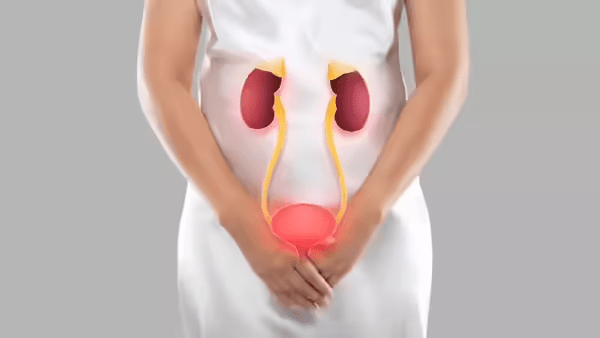
6. Overloading on Sugar: The Sweet Trap
Picture Tom, 50, grabbing a sugary latte and donut for breakfast. That sugar spike feels good, but it stresses kidneys. Research links high sugar intake to increased risk of kidney damage. Sugary drinks, especially, may raise uric acid levels, harming filtration. Try swapping soda for herbal tea. But hold on, the next mistake is even more common…
5. Ignoring Protein Portions: Too Much of a Good Thing
You’re grilling steak, savoring its smoky aroma, thinking protein’s healthy. But overloading—like eating double portions—can strain kidneys. Studies suggest excess protein may increase kidney workload, especially in those with early damage. Balance your plate with veggies and limit protein to palm-sized servings. Wondering what’s next? It’s a habit you might not even notice…
4. Skimping on Sleep: The Overnight Risk
Ever stay up late binge-watching, eyes heavy but mind racing? Poor sleep disrupts kidney function, research shows, potentially raising blood pressure—a kidney killer. Aim for 7-8 hours of restful sleep. Create a calming bedtime routine, maybe with chamomile tea. But wait, the next mistake might be in your medicine cabinet…
3. Overusing Painkillers: The Hidden Danger

Meet Sarah, 55, popping ibuprofen for headaches weekly. Seems harmless, but overuse of NSAIDs may reduce kidney blood flow, studies warn. Long-term use could lead to chronic damage. Use painkillers sparingly and explore alternatives like stretching for tension relief. The next one’s a shocker—it’s in your kitchen…
2. Heavy Salt Intake: The Flavor Overload
You sprinkle salt on fries, loving that savory kick. But too much sodium can raise blood pressure, straining kidneys. Research shows high salt diets may increase kidney disease risk by 20%. Aim for under 2,300 mg daily—check labels on processed foods. Ready for the biggest mistake? It could change everything…
1. Ignoring Warning Signs: The Life-Changing Oversight
John, 52, dismissed his swollen ankles as “just aging.” Later, he learned it was a kidney red flag. Symptoms like puffiness, fatigue, or foamy urine can signal trouble. Studies emphasize early detection improves outcomes. Listen to your body and check in with your doctor regularly. This mistake could be the difference between health and serious trouble.
| Mistake | Impact on Kidneys | Quick Fix |
|---|---|---|
| Low Water Intake | Dehydration, Kidney Stones | Drink 8 cups water daily |
| High Sugar | Increased Uric Acid | Swap soda for herbal tea |
| Excess Protein | Strains Filtration | Limit to palm-sized portions |
| Poor Sleep | Raises Blood Pressure | Aim for 7-8 hours nightly |
| Painkiller Overuse | Reduced Blood Flow | Use sparingly, try alternatives |
| High Salt | Blood Pressure Spikes | Keep under 2,300 mg daily |
| Ignoring Symptoms | Delayed Detection | Monitor signs, see doctor |
How to Protect Your Kidneys Starting Today

You might be thinking, “This sounds overwhelming—where do I begin?” Start small: carry a water bottle, cut one sugary drink daily, or check food labels for sodium. Balance meals with veggies and lean protein. Prioritize sleep and limit painkillers. Always consult your doctor before changing habits, especially if you notice symptoms like swelling or fatigue. Here’s a quick guide to stay safe:
| Action | How to Do It | Safety Note |
|---|---|---|
| Hydrate | Sip 8-10 cups water | Spread throughout day |
| Cut Sugar | Replace one sugary drink | Watch for hidden sugars |
| Balance Protein | Keep portions moderate | Pair with vegetables |
| Sleep Well | Set bedtime routine | Avoid screens before bed |
| Limit Painkillers | Use only as needed | Discuss with doctor |
| Reduce Salt | Check labels, cook fresh | Avoid processed foods |
| Monitor Health | Note symptoms, get checkups | Don’t ignore changes |
Real Stories of Change
Jane, 46, felt drained daily. After boosting water and cutting soda, she noticed clearer thinking and more energy. “I feel lighter, like I’m in control,” she said. Tom, 50, struggled with high blood pressure. Reducing salt and sleeping better eased his symptoms. “I didn’t realize how small changes could feel so big,” he shared. These steps didn’t cure them, but they unlocked better health. Could you feel the same?
Addressing Your Doubts
You might wonder, “Can small changes really help my kidneys?” Research shows consistent hydration and balanced diet choices can support kidney function. Worried about taste? Water with lemon or low-sodium seasonings can keep meals exciting. Think it’s too hard? Start with one swap, like tea for soda. Small steps compound over time. Noticed unusual symptoms? Don’t wait—check with your doctor.
Take Control of Your Kidney Health Now
What if ignoring these mistakes costs you your energy, focus, or health? Simple swaps—more water, less sugar, better sleep—can support your kidneys and transform how you feel. Start with one change today, like drinking an extra glass of water, and consult your doctor to tailor your plan. Don’t miss out on feeling your best. Share this with someone you care about. P.S. Did you know a pinch of cumin can replace salt for flavor?
Natural Remedy for Cataracts and Eye Inflammation: Restore Your Vision Naturally
 Updated: October–November 2025
If you’re searching for a gentle, natural way to protect your vision and relieve eye discomfort, this simple yet effective natural remedy for cataracts and eye inflammation may be what you need. While medical evaluation by an ophthalmologist is always essential, nature offers ingredients that can hydrate, reduce inflammation, and support long-term eye health—without invasive treatments.
This remedy combines three powerful elements: castor oil, carrot juice, and turmeric—each known for their exceptional benefits in vision care and ocular protection.
🌿 Benefits of This Natural Cataract Remedy
🪶 Castor Oil: Deep Hydration & Gentle Regeneration
Cold-pressed, hexane-free castor oil is the cornerstone of this natural eye treatment. When used correctly, it can:
- Provide deep lubrication for dry or irritated eyes.
- Reduce mild corneal inflammation naturally.
- Support the repair of delicate eye tissues.
- Slow down the progression of early-stage cataracts.
⚠️ Important: Always use sterile, pharmaceutical-grade castor oil—never cosmetic or industrial types.
🥕 Carrot Juice: Essential Nutrients for Vision
Rich in beta-carotene, the precursor of Vitamin A, carrot juice plays a crucial role in maintaining healthy eyesight. Its key benefits include:
Supporting retinal cell regeneration.
✨ Turmeric in Warm Water: Natural Anti-Inflammatory Power
Turmeric, with its active compound curcumin, is one of the most potent anti-inflammatory agents in nature. Though it’s not applied directly to the eyes, consuming it helps reduce inflammation from the inside out.
- Decreases systemic and ocular inflammation.
- Lowers pressure behind the eyes.
- Improves circulation and oxygen delivery to eye tissues.
Mixing a teaspoon of turmeric into warm water or golden milk can help nourish your body and your eyes simultaneously.
💧 How to Apply the Remedy
🌙 Castor Oil at Night (External Use)
How to use:
- Wash your hands thoroughly.
- Apply one drop of sterile castor oil into each eye before bedtime.
- Close your eyes gently and let the oil work overnight.
By morning, you’ll notice your eyes feel more hydrated, soothed, and refreshed.
🥤 Morning Vision-Boosting Drink (Internal Use)
Ingredients:
- 1 medium carrot
- Juice of ½ lemon
- ½ cup of water
Preparation:
- Blend all ingredients until smooth.
- Drink on an empty stomach every morning.
This simple juice helps detoxify the body, enhance blood circulation, and nourish the eyes naturally.
⚠️ Recommendations and Warnings
This natural cataract remedy does not replace surgery or medical treatment but may:
- Reduce dryness, irritation, and mild inflammation.
- Slow the progression of early cataract development.
- Improve overall eye comfort and hydration.
Always consult an eye care specialist before starting any new treatment, especially if you have diagnosed cataracts or advanced ocular conditions.
🌺 Why Choose a Natural Approach?
Many people turn to natural remedies to support vision health safely and holistically. This blend of castor oil, carrot juice, and turmeric offers:
- Accessibility and affordability—using everyday natural ingredients.
- No harsh chemicals or artificial additives.
- Synergistic healing effects—hydration, nourishment, and anti-inflammatory action working together.
By embracing nature’s wisdom, you support your body’s innate healing ability while protecting one of your most precious senses—your sight.
🌞 Takeaway
Combining ancient wisdom and modern understanding, this simple natural remedy can help you maintain brighter, more comfortable eyes.
Use it consistently, stay hydrated, and nourish your body with colorful, antioxidant-rich foods to protect your vision for years to come.
👁️ See the world clearly—naturally.