Einführung
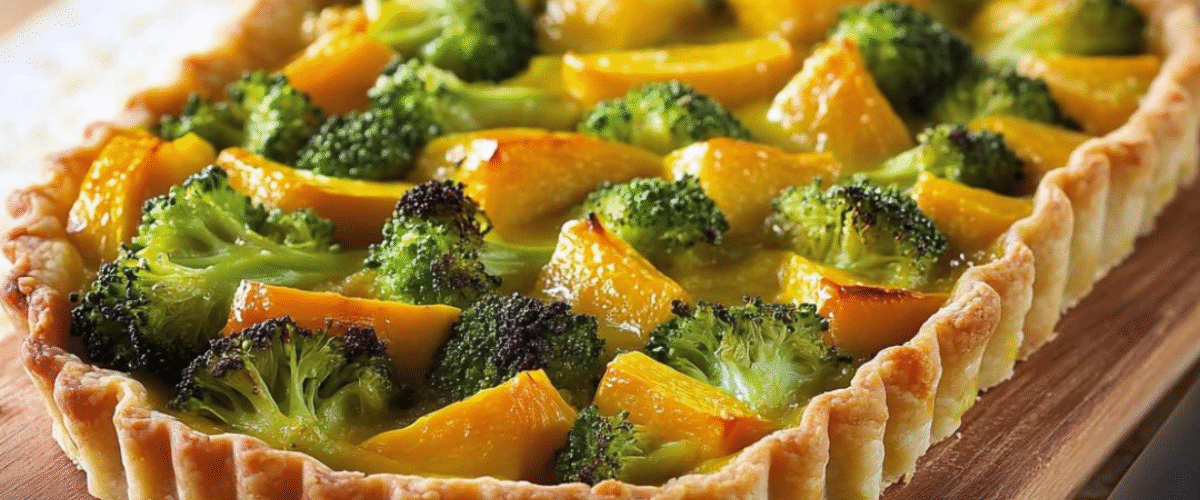
Erleben Sie den rustikalen Charme italienischer Landküche mit diesem umwerfenden herzhaften Romanesco-Blumenkohl-Kartoffel-Kuchen. Dieses elegante Gericht verwandelt einfache Zutaten in ein atemberaubendes Gericht, das sich perfekt für alles eignet, vom gemütlichen Familienessen bis hin zur gehobenen Unterhaltung. Die geometrischen, fraktalen Muster des Romanesco-Blumenkohls sind nicht nur optisch interessant, sondern verleihen ihm auch einen zarten, nussigen Geschmack, der wunderbar zu cremigen Kartoffeln und reichhaltigem Fontina-Käse harmoniert. Umhüllt von einem hausgemachten Olivenöl-Teig, der goldbraun gebacken wird, repräsentiert dieser herzhafte Kuchen das Beste der mediterranen Küche – einfache Zutaten, respektvoll verarbeitet, ergeben etwas wirklich Unvergessliches. Ob warm aus dem Ofen oder bei Zimmertemperatur für ein Picknick oder Buffet serviert, dieses vielseitige Gericht bietet Behaglichkeit und Eleganz gleichermaßen.
Zutaten
Für das Olivenölgebäck:
- 1½ Tassen (190 g) Allzweckmehl
- 5½ Esslöffel (80 ml) natives Olivenöl extra
- 3½ Esslöffel (50 ml) kaltes Wasser
- ½ Teelöffel Salz
Für die Füllung:
- 4 Tassen (600 g) gefrorener Romanesco-Blumenkohl
- 250 g Kartoffeln (vorzugsweise Yukon Gold oder ähnliche festkochende Sorten)
- 100 g Fontina-Käse
- 1 Schalotte
- 2 Esslöffel natives Olivenöl extra
- Salz nach Geschmack
- Frisch gemahlener schwarzer Pfeffer nach Geschmack
Schritt-für-Schritt-Anleitung
Zubereitung des Olivenölgebäcks:
- Geben Sie das Mehl in eine große Rührschüssel und vermischen Sie alles gut mit einer Prise Salz.
- Machen Sie in der Mitte des Mehls eine Vertiefung und gießen Sie das native Olivenöl extra hinein.
- Arbeiten Sie das Öl mit den Fingerspitzen oder einer Gabel nach und nach in das Mehl ein, bis die Mischung groben Brotkrumen ähnelt.
- Geben Sie langsam das kalte Wasser hinzu, etwa esslöffelweise, und rühren Sie nach jeder Zugabe um, bis der Teig gerade eben zusammenhält. Möglicherweise benötigen Sie nicht das gesamte Wasser – hören Sie auf, Wasser hinzuzufügen, sobald der Teig eine zusammenhängende, nicht klebrige Kugel bildet.
- Den Teig auf einer leicht bemehlten Arbeitsfläche 2–3 Minuten lang vorsichtig kneten, bis er glatt und gleichmäßig ist. Den Teig nicht zu lange kneten, sonst wird er zäh.
- Formen Sie den Teig zu einer Scheibe, wickeln Sie ihn fest in Frischhaltefolie ein und stellen Sie ihn mindestens 30 Minuten (oder bis zu 24 Stunden) in den Kühlschrank, damit sich das Gluten entspannen kann.
Zubereitung der Füllung:
- Die Kartoffeln schälen und in etwa 3 mm dicke Scheiben schneiden. In eine Schüssel mit kaltem Wasser legen, damit sie nicht braun werden, wenn sie nicht sofort verwendet werden.
- Die Schalotte schälen und in feine Ringe oder Halbmonde schneiden.
- Wenn Sie gefrorenen Romanesco-Blumenkohl verwenden, lassen Sie ihn während der Zubereitung der anderen Zutaten etwas auftauen. Wenn er große Stücke hat, schneiden Sie ihn in mundgerechte Röschen.
- Reiben Sie den Fontina-Käse mit der groben Reibe einer Vierkantreibe und legen Sie ihn beiseite.
Zubereitung der Füllung:
- Erhitzen Sie 2 Esslöffel natives Olivenöl extra in einer großen Pfanne bei mittlerer bis niedriger Hitze.
- Add the sliced shallot and cook gently for about 5 minutes until softened and translucent but not browned, stirring occasionally.
- Drain the potato slices and pat them dry with paper towels. Add them to the skillet with the shallots.
- Cook the potatoes for approximately 5 minutes, stirring occasionally to ensure even cooking. They should start to soften but not brown significantly.
- Add the Romanesco cauliflower florets to the skillet, stirring carefully to combine with the potatoes and shallots.
- Season the mixture with salt and freshly ground black pepper to taste.
- Increase the heat to medium-high and cook for an additional 5 minutes, stirring occasionally. The vegetables should be partially cooked but still retain some firmness.
- Remove the skillet from the heat and allow the filling to cool to room temperature before assembling the pie.
Assembling and Baking the Pie:
- Preheat your oven to 375°F (190°C). If you have a baking stone or steel, place it in the oven now to heat up.
- Remove the pastry dough from the refrigerator and let it sit at room temperature for 5-10 minutes to make it easier to roll.
- On a lightly floured surface, roll out the dough to approximately ⅛ inch (3mm) thickness, creating a rectangle slightly larger than your baking dish.
- Lightly grease a rectangular tart pan (13.5 x 4 inches or approximately 34 x 10 cm) with olive oil.
- Carefully transfer the rolled dough to the tart pan, gently pressing it into the corners and up the sides. Trim any excess dough from the edges, leaving a small overhang to account for shrinkage.
- Prick the bottom of the pastry several times with a fork to prevent bubbling during baking.
- Sprinkle approximately ⅔ of the grated Fontina cheese evenly across the bottom of the pastry shell.
- Arrange the cooled vegetable filling over the cheese layer, distributing it evenly throughout the tart.
- Top the filling with the remaining ⅓ of grated Fontina cheese, ensuring even coverage.
- Place the tart pan on a baking sheet (for easier handling) and transfer to the preheated oven.
- Bake for approximately 30 minutes until the pastry is golden and the filling is bubbling.
- Increase the oven temperature to 445°F (230°C) and switch to broil/grill mode.
- Return the pie to the oven and broil for an additional 3-5 minutes, watching carefully until the top is golden brown and slightly caramelized.
- Remove from the oven and allow to cool for at least 10-15 minutes before serving.
Timing Information
- Preparation Time: 30 minutes
- Chilling Time for Pastry: 30 minutes
- Cooking Filling: 15 minutes
- Baking Time: 35 minutes
- Cooling Time: 15 minutes
- Total Time: 2 hours 5 minutes
Nutritional Information
Per serving (based on 6 servings):
- Calories: 380
- Total Fat: 24g
- Saturated Fat: 6g
- Cholesterol: 25mg
- Sodium: 350mg
- Total Carbohydrates: 32g
- Dietary Fiber: 3g
- Sugars: 2g
- Protein: 10g
Cooking Tips and Tricks
- Perfect Pastry: The key to a tender olive oil pastry is minimal handling. Mix just until the ingredients come together and avoid overworking the dough.
- Pastry Texture: If the dough feels too dry when mixing, add a few more drops of cold water. If it’s too sticky, dust with a small amount of flour.
- Preventing Soggy Bottom: Sprinkling cheese on the base of the pastry creates a barrier that helps prevent the filling’s moisture from making the crust soggy.
- Potato Selection: Waxy potato varieties like Yukon Gold or red potatoes hold their shape better in this recipe than starchy varieties like Russets.
- Fontina Substitute: If Fontina is unavailable, Gruyère, provolone, or a mild Gouda can work well as alternatives, each bringing its own unique flavor profile.
- Filling Consistency: The vegetable filling should be relatively dry before adding to the pastry. If there’s excess moisture after cooking, drain it off to prevent a soggy crust.
- Even Cooking: For even browning, rotate the pie halfway through the baking time, especially if your oven has hot spots.
- Checking Doneness: The pastry should be golden brown on the edges and bottom. You can lift one edge slightly with a spatula to check that the bottom is cooked.
Variations and Substitutions
Vegetable Options:
- Fresh Romanesco: If using fresh Romanesco cauliflower instead of frozen, blanch it in boiling salted water for 2 minutes, then shock in ice water before adding to the skillet.
- Regular Cauliflower: Standard white cauliflower makes an excellent substitute if Romanesco is unavailable.
- Broccoli Alternative: Broccoli can be substituted for a similar texture but a stronger flavor profile.
- Additional Vegetables: Add sautéed mushrooms, leeks, or sweet red peppers for additional layers of flavor.
Cheese Variations:
- Cheese Blend: Create a more complex flavor by using a combination of cheeses—try mixing Fontina with Parmesan or pecorino for a sharper note.
- Blue Cheese Accent: Add a small amount (1-2 oz) of crumbled blue cheese to the filling for a tangy, sophisticated twist.
- Vegan Option: Use a plant-based cheese alternative and ensure your pastry is made with olive oil for a completely vegan version.
Pastry Alternatives:
- Herb-Infused Dough: Add 1 tablespoon of chopped fresh herbs (rosemary, thyme, or sage) to the pastry dough for additional flavor.
- Whole Wheat Option: Substitute up to half of the all-purpose flour with whole wheat flour for a nuttier flavor and added nutrition.
- Time-Saving Alternative: Use high-quality store-bought pastry dough in a pinch, though the olive oil pastry does add a distinctive Mediterranean character.
Flavor Enhancements:
- Herb Addition: Mix fresh herbs such as thyme, rosemary, or sage into the filling.
- Garlic Lover’s Version: Add 2 minced garlic cloves when sautéing the shallots.
- Spice It Up: Add a pinch of nutmeg or smoked paprika to the filling for a warming depth of flavor.
- Egg Liaison: For a richer, more custard-like filling, mix 1 egg with 2 tablespoons of cream and pour over the vegetables before adding the final layer of cheese.
Common FAQs
Q: Can I prepare this pie in advance?
A: Yes, this pie is excellent for make-ahead preparation. You can prepare the pastry dough up to 2 days in advance and keep it refrigerated. The vegetable filling can also be prepared a day ahead and stored in the refrigerator. Assemble and bake the pie the day you plan to serve it. Alternatively, you can bake the entire pie ahead of time and reheat it in a 350°F (175°C) oven for 15-20 minutes before serving.
Q: I can’t find Romanesco cauliflower. What’s the best substitute?
A: Regular white cauliflower is the closest substitute in terms of texture and mild flavor. Broccoli is another good option, though it has a stronger flavor profile. You could also use a combination of both regular cauliflower and broccoli to approximate the slightly nutty flavor of Romanesco.
Q: Why did my olive oil pastry turn out tough?
A: Tough pastry usually results from overworking the dough, which develops too much gluten. Handle the dough as minimally as possible, mixing just until combined and kneading very gently. Also, make sure you’re using the correct amount of liquid—too little water can make the dough dry and tough.
Q: Can I freeze this savory pie?
A: Yes, you can freeze the pie either before or after baking. To freeze before baking, assemble the pie completely, wrap it tightly in plastic wrap followed by aluminum foil, and freeze for up to 1 month. Bake directly from frozen, adding about 15-20 minutes to the baking time. To freeze after baking, cool the pie completely, wrap securely, and freeze for up to 2 months. Thaw in the refrigerator overnight and reheat in a 350°F (175°C) oven until warmed through.
Q: The recipe calls for a specific rectangular mold size. Can I use a different shaped pan?
A: Absolutely! This recipe adapts well to different pan shapes and sizes. A 9-inch (23 cm) round tart pan works beautifully, as does an 8×8 inch (20×20 cm) square pan. Just ensure your pastry is rolled out to the appropriate size and thickness. Cooking times may vary slightly based on the pan used—deeper dishes may require slightly longer baking times.
Storage and Make-Ahead Tips
- Pastry Dough: The olive oil pastry can be made up to 3 days ahead and stored well-wrapped in the refrigerator. Allow it to sit at room temperature for 15-20 minutes before rolling to prevent cracking.
- Zubereitung der Füllung : Die Gemüsefüllung kann bis zu 24 Stunden im Voraus zubereitet und in einem luftdichten Behälter im Kühlschrank aufbewahrt werden. Vor dem Zusammensetzen der Torte auf Zimmertemperatur bringen.
- Zusammengesetzter, ungebackener Kuchen : Der vollständig zusammengesetzte, ungebackene Kuchen kann vor dem Backen bis zu 24 Stunden im Kühlschrank aufbewahrt werden. Locker mit Frischhaltefolie abdecken, damit der Teig nicht austrocknet.
- Aufbewahrung : Nach dem Backen und Abkühlen kann der Kuchen bis zu 3 Tage im Kühlschrank aufbewahrt werden. Mit Alufolie oder Frischhaltefolie abdecken, damit er nicht austrocknet.
- Anleitung zum Aufwärmen : Für eine optimale Konsistenz erwärmen Sie die Scheiben 10–15 Minuten lang in einem auf 175 °C (350 °F) vorgeheizten Ofen und nicht in der Mikrowelle, da diese den Teig aufweichen kann.
- Servieren bei Zimmertemperatur : Dieser Kuchen schmeckt hervorragend bei Zimmertemperatur und eignet sich daher perfekt für Picknicks oder Buffets. Lassen Sie den gekühlten Kuchen vor dem Servieren mindestens 30 Minuten bei Zimmertemperatur stehen.
- Einfrieranleitung : Zum Einfrieren einzelne Portionen fest in Frischhaltefolie und anschließend in Alufolie einwickeln. Mit Datum beschriften und bis zu 2 Monate einfrieren. Vor dem Aufwärmen über Nacht im Kühlschrank auftauen lassen.
- Auffrischen von Kuchen vom Vortag : Um die Textur eines Kuchens vom Vortag aufzufrischen, träufeln Sie vor dem Aufwärmen im Ofen ein paar Tropfen Wasser darauf. Dadurch entsteht Dampf, der den Teig wiederbelebt.
Dieser herzhafte Romanesco-Blumenkohl-Kartoffel-Kuchen bietet die perfekte Balance aus rustikalem Charme und eleganter Präsentation. Der zarte Olivenölteig umhüllt eine Füllung, die die einzigartige Schönheit und den Geschmack des Romanesco-Blumenkohls perfekt zur Geltung bringt, abgerundet durch cremige Kartoffeln und reichhaltigen, schmelzenden Fontina-Käse. Ob als Highlight eines vegetarischen Menüs, raffinierte Beilage oder Herzstück eines Brunchs – dieser vielseitige Kuchen überzeugt mit Geschmack und Optik. Dank der flexiblen Zubereitung ist er ebenso praktisch wie köstlich – perfekt für vielbeschäftigte Gastgeber, die ohne Stress in der Küche beeindrucken möchten. Genießen Sie diese mediterran inspirierte Kreation als Geschmackserlebnis italienischer Landküche in Ihren eigenen vier Wänden.