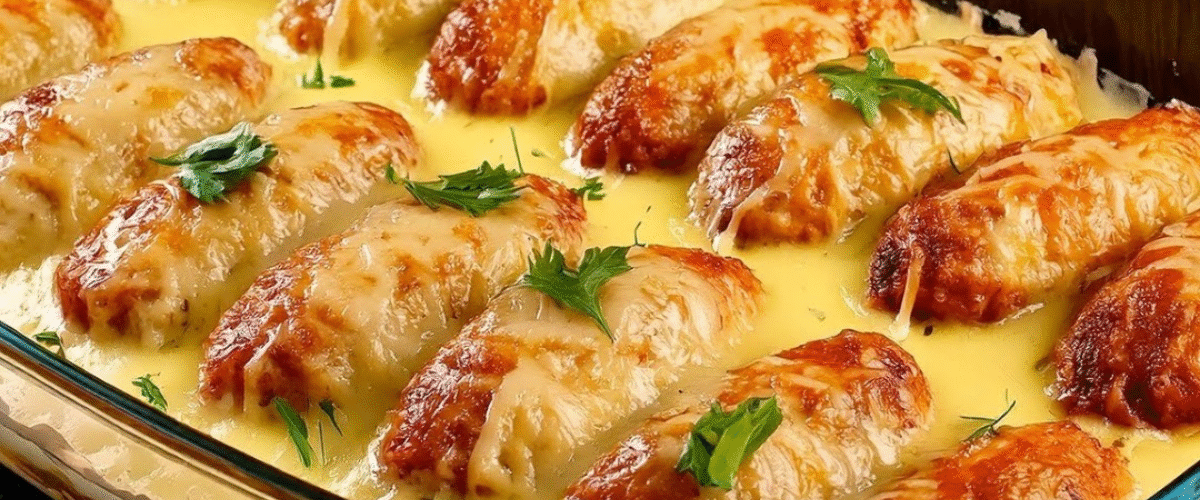
Dieses traditionelle Rezept für gefüllte Kohlrouladen kombiniert zarte Kohlblätter mit einer herzhaften Fleisch-Gemüse-Mischung, gebacken in einer reichhaltigen, würzigen Sauce. Dieses wohltuende Gericht begeistert seit Generationen Familien mit seinem unglaublichen Geschmack und ist daher ein perfekter Mittelpunkt für Familienessen und besondere Anlässe. Die Kombination aus gewürztem Hackfleisch, Gemüse und geschmolzenem Käse ergibt ein unvergessliches Essen, von dem jeder nach einem Nachschlag verlangt.
Zutaten
Für die Kohlrouladen
- 1 großer Kohlkopf (ca. 1,5 kg)
- 500 g Hackfleisch (Rind, Schwein oder gemischt)
- 2 große Eier
- 1 Esslöffel Allzweckmehl
- 1 große Zwiebel, fein gewürfelt
- 1 große Karotte, fein gewürfelt
- 2-3 Zehen frischer Knoblauch, gehackt
- 2 Esslöffel frische Petersilie, gehackt
- 1 Teelöffel Salz
- ½ Teelöffel frisch gemahlener schwarzer Pfeffer
- 1 Teelöffel getrocknetes Knoblauchpulver
- 1 Teelöffel süßes Paprikapulver
- 2 Esslöffel Pflanzenöl
- 2 Esslöffel Butter
Für die Gemüsebasis
- 2-3 mittelgroße Kartoffeln (ca. 400 g), in Scheiben geschnitten
- 1 große Tomate, in Scheiben geschnitten
- 1 Paprika, in Streifen geschnitten
- 2-3 Champignons, in Scheiben geschnitten
- 1 rote Zwiebel, in Scheiben geschnitten
- 60 g (2 oz) Mais aus der Dose, abgetropft
- 100 g (3,5 oz) Käse (Gouda oder Mozzarella), gerieben
- 3 Esslöffel Pflanzenöl
- 2 Esslöffel Olivenöl
- Salz und Pfeffer nach Geschmack
- 1 Teelöffel getrocknetes Knoblauchpulver
Zum Garnieren und Servieren
- Frischer Dill, gehackt
- Frische Petersilie, gehackt
- Gemischtes Blattgemüse für Salat
Schritt-für-Schritt-Anleitung
Den Kohl vorbereiten
Schritt 1: Einen großen Topf mit Salzwasser zum Kochen bringen. Den Strunk vorsichtig vom Kohlkopf lösen und den gesamten Kohlkopf in das kochende Wasser geben. 8–10 Minuten kochen lassen, bis die äußeren Blätter weich und biegsam sind.
Schritt 2: Mit einer Zange die weichen Außenblätter vorsichtig einzeln abziehen, sobald sie weich werden. Für dieses Rezept für gefüllte Kohlrouladen benötigen Sie etwa 12–15 große Blätter. Die Blätter zum Abkühlen und Abtropfen beiseite legen.
Schritt 3: Sobald die Blätter kühl genug sind, um sie anzufassen, schneiden Sie mit einem scharfen Messer die dicke Mittelrippe von jedem Blatt ab, damit sie sich leichter rollen lassen, ohne zu brechen.
Zubereitung der Füllung
Schritt 4: 2 Esslöffel Pflanzenöl in einer großen Pfanne bei mittlerer Hitze erhitzen. Die gewürfelte Zwiebel und die Karotte hinzufügen und 5–6 Minuten braten, bis das Gemüse weich und die Zwiebel glasig wird.
Schritt 5: Den gehackten frischen Knoblauch in die Pfanne geben und eine weitere Minute braten, bis er duftet. Vom Herd nehmen und die Gemüsemischung etwas abkühlen lassen.
Schritt 6: In einer großen Rührschüssel Hackfleisch, Eier, Mehl, gekochte Gemüsemischung, gehackte Petersilie, Salz, Pfeffer, getrocknetes Knoblauchpulver und Paprika vermengen. Mit den Händen gründlich vermengen, bis alle Zutaten gut vermischt sind.
Step 7: Let the meat mixture rest for 10 minutes to allow the flavors to meld and the flour to hydrate, which helps bind the filling together during cooking.
Assembling the Cabbage Rolls
Step 8: Place approximately 2-3 tablespoons of the meat filling near the stem end of each cabbage leaf. Fold the sides of the leaf over the filling, then roll tightly from the stem end toward the tip, creating neat, compact rolls.
Step 9: Preheat your oven to 180°C (350°F/Gas Mark 4). Grease a large baking dish with butter to prevent sticking.
Preparing the Vegetable Base
Step 10: Arrange the sliced potatoes in an even layer at the bottom of the prepared baking dish. Season with salt, pepper, and dried garlic powder, then drizzle with 2 tablespoons of vegetable oil.
Step 11: Layer the sliced tomatoes, bell pepper strips, mushrooms, and red onion over the potatoes. Add the drained corn and season the vegetables with salt and pepper.
Step 12: Carefully place the stuffed cabbage rolls seam-side down on top of the vegetable mixture, arranging them in a single layer without overcrowding.
Baking and Final Assembly
Step 13: Drizzle the olive oil over the cabbage rolls and cover the baking dish tightly with aluminum foil. Bake for 20 minutes in the preheated oven.
Step 14: Remove the foil and sprinkle the grated cheese evenly over the cabbage rolls and vegetables. Return to the oven and bake uncovered for an additional 25 minutes until the cheese is golden brown and bubbly.
Step 15: Remove from the oven and let rest for 5 minutes before serving. Garnish with fresh dill and parsley for a beautiful presentation and enhanced flavor.
Nutritional Information and Timing
Nutritional Profile (Per Serving – Serves 6)
- Calories: 485 per serving
- Protein: 28g
- Carbohydrates: 32g
- Fat: 26g
- Fiber: 6g
- Calcium: 195mg
- Iron: 4.2mg
- Vitamin A: 3850 IU (from carrots)
- Vitamin C: 95mg (from cabbage and peppers)
- Potassium: 875mg
Timing Information
- Prep Time: 45 minutes
- Cooking Time: 45 minutes
- Resting Time: 15 minutes (including filling rest and final cooling)
- Total Time: 1 hour 45 minutes
- Serves: 6 people generously
This nutritious stuffed cabbage rolls recipe provides an excellent balance of protein, vegetables, and essential nutrients, making it a complete meal that satisfies both taste and nutritional requirements.
Recipe Variations and Substitutions
Meat Alternatives
While traditional ground beef or pork creates the classic flavor profile, you can experiment with ground turkey, chicken, or lamb for different taste experiences. For a lighter version, use lean ground turkey mixed with finely chopped mushrooms to maintain moisture while reducing fat content.
Vegetarian Options
Create delicious vegetarian stuffed cabbage rolls by substituting the meat with a mixture of cooked rice, chopped mushrooms, lentils, and nuts. Add extra herbs and spices to enhance the flavor profile, and consider including crumbled tofu or tempeh for additional protein.
Grain Additions
Enhance the filling’s texture and nutritional value by adding cooked rice, quinoa, or bulgur wheat to the meat mixture. These grains help absorb moisture during cooking and create a more substantial, satisfying filling.
Cheese Variations
While Gouda and mozzarella provide excellent melting properties, you can experiment with other cheeses such as sharp cheddar, Swiss, or even crumbled feta for Mediterranean flavors. Each cheese variety will contribute its unique taste profile to the final dish.
Sauce Enhancements
Transform this recipe by adding a tomato-based sauce over the cabbage rolls before baking. Combine crushed tomatoes with herbs, garlic, and a splash of wine for a more traditional Eastern European presentation.
Seasonal Vegetable Adaptations
Customize the vegetable base according to seasonal availability. Summer variations might include zucchini and eggplant, while winter versions could feature root vegetables like parsnips and turnips alongside the potatoes.
Frequently Asked Questions
How do I prevent my cabbage leaves from tearing when rolling?
The key to perfect cabbage rolls lies in proper leaf preparation. Ensure the cabbage is cooked just until tender but not mushy, and always trim the thick central rib carefully. If leaves do tear, overlap two smaller leaves or patch tears with pieces from damaged leaves. Working with slightly warm leaves also makes them more pliable and less likely to crack.
Can I prepare stuffed cabbage rolls in advance?
These cabbage rolls are excellent for meal prep and can be assembled up to 24 hours before baking. Arrange the rolls in the baking dish with vegetables, cover tightly with plastic wrap, and refrigerate. When ready to cook, remove from refrigerator 30 minutes before baking and add an extra 10-15 minutes to the cooking time.
What’s the best way to store and reheat leftover cabbage rolls?
Store leftover stuffed cabbage rolls in the refrigerator for up to 4 days in an airtight container. For reheating, place in a covered baking dish with a splash of water or broth and warm in a 160°C (325°F) oven for 15-20 minutes until heated through. Individual portions can be microwaved, though oven reheating maintains better texture.
How can I make this recipe dairy-free while keeping the rich flavor?
Ersetzen Sie die Butter durch Olivenöl und den Käse durch Hefeflocken oder milchfreie Käsealternativen. Sie können auch eine reichhaltige, milchfreie Sauce aus Gemüsebrühe, Tomatenmark und Kräutern zubereiten und diese vor dem Backen über die Kohlrouladen gießen. Das verleiht ihnen Feuchtigkeit und Geschmack ohne Milchprodukte.
Warum fallen meine Kohlrouladen beim Kochen auseinander?
Kohlrouladen zerfallen oft aufgrund von Überfüllung, unzureichender Bindung der Fleischmischung oder zu langem Garen der Kohlblätter. Verwenden Sie nur 2–3 Esslöffel Füllung pro Blatt, achten Sie darauf, dass Ei und Mehl gut mit dem Fleisch vermischt sind, und legen Sie die Rouladen mit der Naht nach unten in die Auflaufform. Die Ruhezeit der Fleischmischung ist entscheidend für die richtige Bindung.
Dieses unglaubliche Rezept für gefüllte Kohlrouladen vereint Wohlfühlessen und nahrhafte Zutaten perfekt. Der zarte Kohl, um gewürztes Fleisch und Gemüse gewickelt, mit geschmolzenem Käse überbacken und von geröstetem Gemüse umgeben, ergibt eine vollwertige Mahlzeit, die Familien am Esstisch zusammenbringt. Ob Sie für einen besonderen Anlass kochen oder Ihre Familie einfach mit etwas Außergewöhnlichem verwöhnen möchten – dieses Rezept liefert Ergebnisse in Restaurantqualität mit der Wärme und Liebe der Hausmannskost.