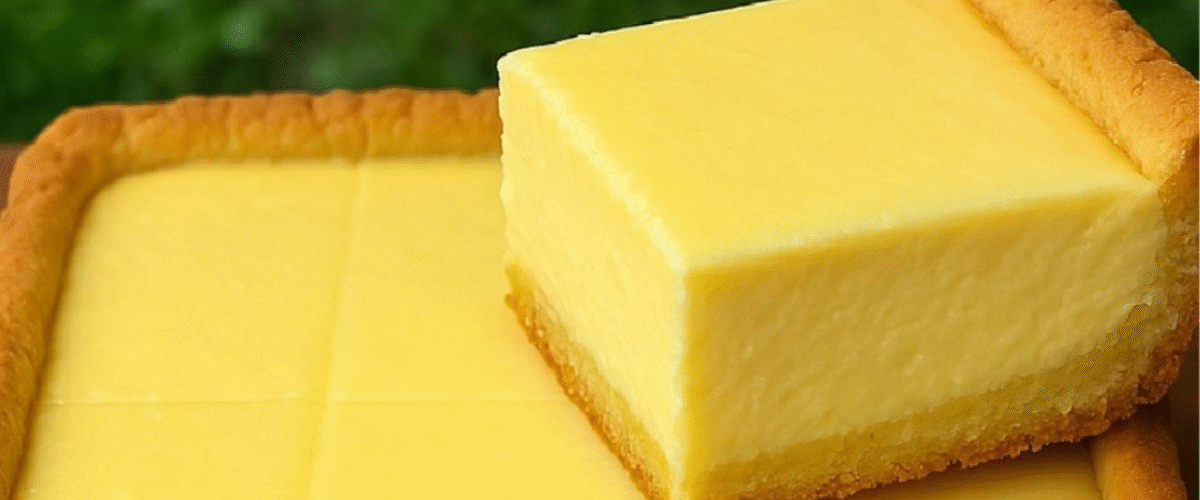
Dieser exquisite italienische Cremekuchen kombiniert einen zarten, buttrigen Teigboden mit einer reichhaltigen, samtigen Creme zu einem unwiderstehlichen Dessert, das seit Generationen italienische Tische schmückt. Bekannt für seine feine Balance aus Texturen und Aromen, bietet dieser traditionelle Kuchen den perfekten Abschluss jeder Mahlzeit oder dient als eleganter Nachmittagsgenuss zum Kaffee.
Zutaten
Für die Konditorcreme:
- 480 ml (2 Tassen) Vollmilch
- 4 große Eigelb
- 100 g (½ Tasse) Kristallzucker
- 30 g (¼ Tasse) Maisstärke
- 5 ml (1 Teelöffel) Vanilleextrakt
- Schale von 1 frischen Zitrone (optional, aber empfohlen)
Für den Kuchenteig:
- 250 g (2 Tassen) Allzweckmehl
- 100 g (½ Tasse) Kristallzucker
- 115 g (½ Tasse) kalte ungesalzene Butter, gewürfelt
- 1 großes Ei
- 5 g (1 Teelöffel) Backpulver
- Prise Salz
Für den Belag:
- 30 g (¼ Tasse) Pinienkerne oder gesplitterte Mandeln
- Puderzucker zum Bestäuben
Schritt-für-Schritt-Anleitung
Zubereitung der Konditorencreme
Erhitzen Sie zunächst die Vollmilch in einem mittelgroßen Topf bei mittlerer Hitze, bis sie dampft, aber nicht kocht. Sobald die Milch fertig ist, bilden sich am Rand kleine Bläschen. Verquirlen Sie in einer separaten Rührschüssel Eigelb und Kristallzucker, bis die Mischung hellgelb und cremig ist. Das dauert normalerweise etwa 2–3 Minuten kräftig rühren.
Die Maisstärke zur Eiermischung geben und glatt rühren, bis keine Klumpen mehr vorhanden sind. Dieser Schritt ist entscheidend für eine samtig-zarte Konditorcreme. Sobald die Milch erhitzt ist, muss die Eiermischung temperiert werden, indem die heiße Milch unter ständigem Rühren langsam in die Schüssel gegossen wird. Dieser schrittweise Vorgang verhindert, dass die Eier gerinnen.
Die gesamte Mischung zurück in den Topf geben und bei schwacher Hitze erhitzen. Mit einem Schneebesen oder Holzlöffel etwa 5–7 Minuten lang ständig rühren, bis die Creme eine puddingartige Konsistenz erreicht hat. Die Creme sollte am Löffelrücken haften bleiben, wenn sie fertig ist. Vom Herd nehmen und sofort Vanilleextrakt und Zitronenschale (falls verwendet) unterrühren.
Um zu verhindern, dass sich oben eine Haut bildet, drücken Sie Frischhaltefolie direkt auf die Oberfläche der Konditorencreme und stellen Sie diese mindestens 2 Stunden lang oder bis sie vollständig abgekühlt ist in den Kühlschrank.
Zubereitung des Mürbeteigs
Mehl, Zucker, Backpulver und Salz in einer großen Rührschüssel vermengen. Die kalte, gewürfelte Butter zur Mehlmischung geben und mit den Fingerspitzen oder einem Teigschneider einarbeiten, bis die Masse groben Brotkrümeln ähnelt und noch erbsengroße Butterstücke übrig sind. Diese Technik erzeugt die blättrige Textur, die das Gebäck so köstlich macht.
In der Mitte der Mischung eine Mulde formen und das verquirlte Ei hineingeben. Mit einer Gabel oder den Händen das Ei nach und nach in die Mehlmischung einarbeiten, bis ein weicher Teig entsteht. Der Teig sollte fest werden, ohne zu kleben oder zu trocken zu sein.
Divide the dough into two portions, making one slightly larger than the other. The larger portion will form the base and sides of the pastry, while the smaller portion will create the top layer. Wrap both portions in plastic wrap and refrigerate for at least 30 minutes. This chilling period allows the gluten to relax and makes the dough easier to roll out.
Assembling the Italian Cream Pastry
Preheat your oven to 175°C (350°F) and prepare a rectangular baking pan by greasing it with butter or lining it with parchment paper. Remove the larger portion of dough from the refrigerator and roll it out on a lightly floured surface to fit your baking pan with some overhang for the sides.
Carefully transfer the rolled dough to your prepared pan, pressing it gently into the corners and up the sides. The pastry should be about 3-4mm thick. Trim any excess dough, leaving about 1cm overhang around the edges.
Remove the chilled pastry cream from the refrigerator and give it a gentle stir to smooth it out. Pour the pastry cream into the prepared pastry shell, spreading it evenly with a spatula. The cream should fill the shell almost to the top of the pastry sides.
Roll out the remaining smaller portion of dough to create the top layer. Carefully place this over the pastry cream, pressing the edges together to seal the pastry completely. Use a fork to crimp the edges decoratively and to ensure a good seal.
Final Touches and Baking
Using a fork, gently prick the top of the pastry in several places to allow steam to escape during baking. This prevents the top from puffing up too much and potentially cracking. Sprinkle the pine nuts or sliced almonds evenly over the surface, pressing them lightly into the dough so they adhere during baking.
Place the assembled pastry in the preheated oven and bake for 35-40 minutes, or until the top is golden brown and the pastry appears slightly puffed. The edges should be well-browned, and the surface should spring back lightly when touched.
Remove from the oven and allow the pastry to cool completely in the pan. This cooling period is essential as it allows the pastry cream to set properly and makes cutting much easier. Once cooled, refrigerate the pastry for at least one hour before serving.
Just before serving, dust the top generously with powdered sugar using a fine-mesh sieve for an elegant presentation.
Nutritional Information and Timing
Preparation Time: 45 minutes (plus 3 hours chilling time) Baking Time: 35-40 minutes Total Time: Approximately 4.5 hours Serves: 8-10 people
Nutritional Information per serving (based on 10 servings):
- Calories: 285
- Protein: 6g
- Carbohydrates: 38g
- Fat: 12g
- Saturated Fat: 7g
- Cholesterol: 95mg
- Sodium: 85mg
- Fiber: 1g
- Sugar: 22g
Recipe Variations and Substitutions
This versatile Italian cream pastry can be adapted in numerous ways to suit different tastes and dietary requirements. For a chocolate variation, add 2 tablespoons of unsweetened cocoa powder to the pastry cream along with the cornstarch, and reduce the cornstarch to 2 tablespoons. This creates a rich chocolate version that’s equally delicious.
For those preferring citrus flavors, increase the lemon zest to two lemons and add a tablespoon of fresh lemon juice to the pastry cream. Orange zest and juice work equally well for an orange-flavored variation.
If you’re looking to reduce calories, you can substitute half of the whole milk with low-fat milk, though this will result in a slightly less rich pastry cream. For a dairy-free version, use full-fat coconut milk or oat milk, keeping in mind that the flavor will be different but still delicious.
The pine nuts can be replaced with sliced almonds, chopped hazelnuts, or even left out entirely for a simpler presentation. Some bakers prefer to brush the top with beaten egg before adding nuts for extra browning and shine.
For a more indulgent version, you can add a thin layer of jam or Nutella between the pastry cream and the top crust, creating additional layers of flavor and texture.
Frequently Asked Questions
Can I make this pastry ahead of time? Yes, this Italian cream pastry actually improves when made a day ahead. The flavors meld together beautifully, and the pastry cream sets perfectly. Store it covered in the refrigerator for up to 3 days. Add the powdered sugar dusting just before serving to maintain its appearance.
Why is my pastry cream lumpy? Lumpy pastry cream typically results from either adding the hot milk too quickly to the eggs or not whisking constantly while cooking. If your cream does become lumpy, strain it through a fine-mesh sieve while it’s still warm, then continue with the recipe. Prevention is key: always temper the eggs slowly and whisk continuously.
Can I freeze this pastry cake? While you can freeze the assembled cake for up to one month, the texture of the pastry cream may change slightly upon thawing. For best results, freeze individual portions wrapped tightly in plastic wrap and aluminum foil. Thaw overnight in the refrigerator before serving.
What’s the best way to get clean cuts when serving? The secret to clean cuts is using a sharp knife dipped in warm water and wiped clean between each cut. Make sure the pastry is well-chilled before cutting, as this helps the cream hold its shape. A gentle sawing motion works better than pressing down hard.
Kann ich gekauften Teig verwenden, anstatt ihn selbst zu backen? Selbstgemachter Teig schmeckt am besten und hat die beste Konsistenz. Im Notfall kannst du aber auch gekauften Mürbeteig verwenden. Du benötigst insgesamt etwa 500 g Teig. Rolle ihn aus und verarbeite ihn wie angegeben. Der Geschmack wird allerdings weniger authentisch sein als bei der traditionellen selbstgemachten Variante.
Dieser klassische italienische Cremekuchen verkörpert die italienische Backtradition. Er kombiniert einfache Zutaten mit bewährten Techniken und kreiert so etwas ganz Besonderes. Ob bei einem Familientreffen oder als gemütlicher Nachmittagssnack – dieses Dessert verleiht jedem Anlass einen Hauch italienischer Eleganz.