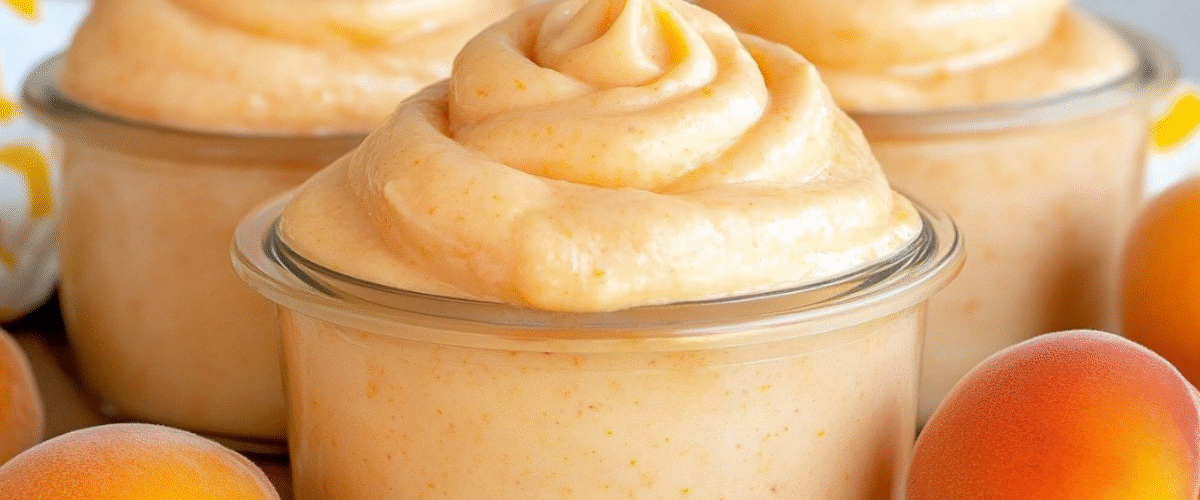
Dieses revolutionäre Aprikosenmousse-Rezept kreiert ein unglaublich leichtes und erfrischendes Dessert aus frischen Aprikosen, Zucker, Eiweiß und Zitronensaft. Ohne Gelatine oder Sahne setzt diese natürlich gesunde Mousse auf die cremige Textur reifer Aprikosen und die Magie pasteurisierten Eiweißes. So entsteht ein seidiges, wolkenartiges Dessert, das perfekt für jeden Anlass ist.
Warum diese Aprikosenmousse ohne Gelatine perfekt ist
Traditionelle Mousses basieren oft auf Gelatine und Sahne für Struktur und Fülle. Dieses innovative Rezept beweist jedoch, dass die Natur alles bietet, was man für ein perfektes Dessert braucht. Aprikosen haben ein natürlich cremiges Fruchtfleisch und eine ausgewogene Süße, die eine ideale Grundlage für Mousse bilden. Das pasteurisierte Eiweiß sorgt für die leichte, luftige Textur, während Zitronensaft für Frische sorgt und die Mischung stabilisiert. So entsteht ein Dessert, das sowohl köstlich als auch überraschend gesund ist.
Zutaten
Für die Grundmousse:
- 165 g (5,8 oz) frische Aprikosen, entsteint (ca. 280 g/10 oz mit Kernen)
- 50 g (¼ Tasse) Puderzucker (oder Vanillezucker)
- 1 großes Eiweiß, pasteurisiert
- 3 Esslöffel frischer Zitronensaft
Zum Pasteurisieren von Eiweiß:
- Wasser zum Heizen
- 1 großes Ei
Optionale Geschmacksverstärkung:
- 1 Esslöffel ungesalzene Butter
- 1 Zweig frischer Thymian
- 1 Esslöffel Grand Marnier oder Amaretto (für Portionen für Erwachsene)
Zum Servieren:
- Frische Aprikosenscheiben
- Hausgemachte Schlagsahne
- Shortbread-Kekse oder Löffelbiskuits
- Frische Minzblätter
Schritt-für-Schritt-Anleitung
Zubereitung der Aprikosen
Schritt 1: Aprikosen reinigen. Für optimale Sauberkeit die Aprikosen gründlich waschen. Für optimale Sauberkeit die Aprikosen in zwei Schritten waschen. Zuerst in einer Mischung aus Wasser und weißem Essig waschen, dann abspülen und erneut in Wasser mit einer Prise Natron waschen. Dadurch werden alle Pestizidrückstände entfernt und die Früchte werden perfekt sauber. Gründlich mit klarem Wasser abspülen und trockentupfen.
Schritt 2: Die Früchte vorbereiten: Entfernen Sie den Kern jeder Aprikose und schneiden Sie das Fruchtfleisch in kleine, gleichmäßige Stücke. Die Aprikosen sollten reif, aber noch fest sein und die perfekte Balance zwischen Süße und Konsistenz aufweisen. Reife Aprikosen haben eine natürliche Cremigkeit, die die Grundlage dieser Mousse bildet.
Schritt 3: Optionale Geschmacksverstärkung : Für ein intensiveres Geschmacksprofil Butter in einer Pfanne bei mittlerer Hitze erhitzen und die Aprikosenstücke mit einem Zweig frischem Thymian hinzufügen. 3–4 Minuten leicht anbraten, bis die Aprikosen weich werden und ihren natürlichen Saft abgeben. Dieser Karamellisierungsprozess intensiviert den Aprikosengeschmack deutlich. Vor dem Weiterverarbeiten vollständig abkühlen lassen.
Pasteurisieren des Eiweißes
Step 4: Heat Water Bath Heat water in a small saucepan to precisely 55-60°C (131-140°F). Use a kitchen thermometer to ensure accuracy, as temperatures above 60°C will begin to cook the egg while temperatures below 55°C won’t effectively pasteurize.
Step 5: Pasteurize the Egg Place the whole egg in the heated water and maintain the temperature for exactly 5 minutes. This process eliminates any risk of salmonella contamination while keeping the egg white in its raw state for optimal whipping properties.
Step 6: Cool and Separate Remove the egg from the water bath and allow it to cool to room temperature. Carefully separate the egg white from the yolk, ensuring no yolk contamination which could prevent proper whipping.
Creating the Mousse
Step 7: Initial Blending Place the prepared apricot pieces and caster sugar in a high-speed blender. The sugar will help break down the fruit and create the smooth base needed for the mousse texture.
Step 8: Add Egg White Add the pasteurized egg white to the apricot and sugar mixture. Begin blending continuously for exactly 2 minutes. This initial blending incorporates air and begins the emulsification process that creates the mousse’s signature texture.
Step 9: Scrape and Rest Stop the blender and scrape down the sides using a rubber spatula to ensure all apricot pieces are being incorporated evenly. This also gives the blender motor a brief rest. Blend again for another 2 minutes until the mixture becomes smooth and creamy.
Step 10: Gradual Lemon Addition Add the first tablespoon of lemon juice and blend for 30 seconds. The lemon juice should be added gradually to prevent the mixture from breaking and to allow proper incorporation. Add the second tablespoon of lemon juice and blend for another 30 seconds.
Step 11: Final Integration Add the final tablespoon of lemon juice and blend for 30 seconds more. The gradual addition of acid helps stabilize the egg whites while brightening the overall flavor. The finished mousse should have a beautiful orange-pink color and silky texture.
Nutritional Information and Timing
Preparation Time: 20 minutes (including pasteurization) Chilling Time: 1 hour minimum Total Time: 1 hour 20 minutes Serves: 4-6 people Calories per serving: Approximately 85 calories
Nutritional Benefits: Each serving provides vitamin A and C from apricots, natural fiber, potassium, and antioxidants. This dessert is naturally low in calories, fat-free, and provides natural fruit sugars rather than processed sweeteners.
Recipe Variations and Substitutions
Fruit Alternatives: Replace apricots with peaches, nectarines, mangoes, or any soft stone fruit for different flavor profiles while maintaining the same technique.
Sugar Variations: Use coconut sugar, maple syrup, or honey for natural sweetening alternatives. Vanilla sugar adds an extra dimension of flavor that complements the fruit beautifully.
Vegan Version: Replace the egg white with aquafaba (chickpea liquid) whipped to soft peaks for a completely plant-based alternative.
Adult Version: Add a tablespoon of liqueur such as Grand Marnier, Amaretto, or apricot brandy for sophisticated dinner party presentations.
Spiced Version: Add a pinch of cinnamon, cardamom, or ginger during blending for warming spice notes that complement the fruit.
Serving and Presentation Ideas
This versatile mousse can be presented in numerous elegant ways. Serve in individual glass cups for classic presentation, or create layered desserts with fresh fruit compotes between mousse layers. For a yogurt-style presentation, pipe whipped cream in decorative swirls. The mousse also works beautifully as a filling for pastry shells or as a component in more complex desserts.
Storage and Make-Ahead Tips
The mousse can be prepared up to 24 hours in advance and stored covered in the refrigerator. For optimal texture, chill for at least 1 hour before serving. For a semi-frozen treat, place in the freezer for 20-30 minutes before serving for an ice cream-like consistency.
Professional Tips for Perfect Results
The key to achieving professional-quality mousse lies in using perfectly ripe apricots and maintaining proper temperatures throughout the process. The gradual addition of lemon juice is crucial for preventing the mixture from breaking, while proper pasteurization ensures food safety without compromising texture.
Frequently Asked Questions
Can I use canned or frozen apricots instead of fresh? Fresh apricots provide the best flavor and texture, but you can use thawed frozen apricots if fresh aren’t available. Drain any excess liquid before using. Canned apricots work but may result in a sweeter mousse, so reduce the added sugar accordingly.
Is pasteurizing the egg white really necessary? While the risk of salmonella is relatively low, pasteurization is strongly recommended for food safety, especially when serving to children, elderly, or immunocompromised individuals. Alternatively, you can purchase pasteurized egg whites from most grocery stores.
Why does my mousse separate or become watery? Separation usually occurs when the lemon juice is added too quickly or when the apricots release too much liquid. Ensure gradual acid addition and use well-drained fruit. If using the optional sautéing method, ensure apricots are completely cooled before blending.
Kann ich diese Mousse auch ohne Hochgeschwindigkeitsmixer zubereiten? Ein Hochgeschwindigkeitsmixer liefert zwar die cremigsten Ergebnisse, Sie können aber auch eine Küchenmaschine oder einen Stabmixer verwenden. Für die seidige Konsistenz müssen Sie die Mischung eventuell durch ein feinmaschiges Sieb passieren.
Wie lange ist diese Mousse im Kühlschrank haltbar? Aufgrund des frischen Fruchtanteils und des Eiweißes sollte die Mousse innerhalb von 24–48 Stunden verzehrt werden. Bewahren Sie sie stets abgedeckt auf und achten Sie vor dem Servieren auf unangenehme Gerüche oder Veränderungen der Konsistenz.
Dieses innovative Aprikosenmousse-Rezept beweist, dass die elegantesten Desserts oft aus einfachsten Zutaten entstehen. Durch die natürliche Cremigkeit reifer Aprikosen und die luftige Wirkung von Eiweiß kreieren Sie ein Dessert, das sowohl raffiniert als auch überraschend gesund ist. Ob als leichter Abschluss einer schweren Mahlzeit oder als erfrischender Nachmittagssnack – diese Mousse ohne Gelatine und Sahne bietet puren Fruchtgeschmack in ihrer köstlichsten Form.