
Dr. James Hiram Bedford war ein vielseitig begabter Mann – Professor an der University of California und Veteran des Ersten Weltkriegs, der ein erfülltes Leben führte und die Welt bereiste. Doch vor allem wird er als der erste Mensch in Erinnerung bleiben, dessen Körper kryonisch konserviert wurde. Dabei handelt es sich um die Konservierung eines menschlichen Körpers (oder Gehirns) nach dem Tod bei extrem niedrigen Temperaturen.
Bei Bedford, einem recht wohlhabenden Mann, wurde 1967 Nierenkrebs diagnostiziert, der in die Lunge metastasierte. Damals war die Medizin noch nicht so weit fortgeschritten wie heute.
Zum Zeitpunkt seiner Diagnose war Bedford mit dem Konzept der Kryonikkonservierung vertraut.
Er hat darüber in dem Buch „The Prospect of Immortality“ von Dr. Robert Ettinger gelesen.
Dr. Ettiger ist Gründer des Kryonik-Instituts und gilt als Vater der Experimente zum Einfrieren von Körpern. Sein Institut bietet die Möglichkeit, Körper nach dem Tod einzufrieren, mit dem Ziel, sie später wiederzubeleben, wenn die Medizintechnik so weit fortgeschritten ist, dass die Todesursache geheilt werden kann.
Nachdem Bedfrod von diesem Vorgang gelesen hatte, bat er darum, seinen Körper nach seinem Tod einzufrieren.
Am Nachmittag des 12. Januar 1967 wurde ihm zum Schutz seiner inneren Organe Dimethylsulfoxid injiziert, nachdem ihm das gesamte Blut aus dem Körper abgelassen worden war.
Als nächstes legten sie Bedford in einen Tank mit flüssigem Stickstoff bei minus 196 Grad Celsius.
Vierundzwanzig Jahre später öffnete Alcor, eine Organisation, die kryonische Konservierung durchführt, Bedfords Körper und überprüfte seinen kryogenen Zustand.
Es wurde festgestellt, dass der Körper gut erhalten war. Nase und Mund rochen nach Blut, und sein Gesicht wirkte jünger als seine 73 Jahre. Hautpartien an Brust und Hals waren verfärbt, und seine Hornhaut war kreideweiß wie Eis.
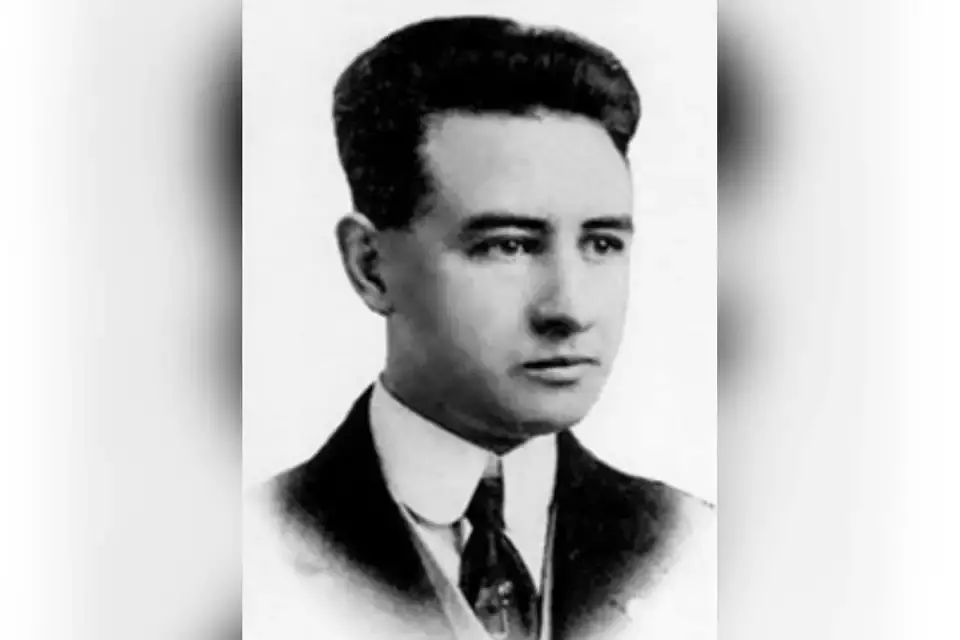
Dann wickelten Techniker Bedford in einen neuen Schlafsack und tauchten seinen Körper zum Warten in flüssigen Stickstoff.
Heute, über 50 Jahre nach der versprochenen Zeit, Bredford aufzuwecken, ist er immer noch nur eine „Mumie“.
Laut Robert Nelson, einem der drei Wissenschaftler, die die Kryonikkonservierung durchführten, waren Bredfords letzte Worte: „Ich möchte, dass Sie verstehen, dass ich dies nicht in dem Glauben getan habe, wiederbelebt zu werden. Ich habe dies in der Hoffnung getan, dass meine Nachkommen eines Tages von dieser wunderbaren wissenschaftlichen Lösung profitieren werden.“
Brazil Deploys AI “Tree-Hugging” Devices to Combat Illegal Logging in the Amazon
Amazon Rainforest, Brazil — In the heart of the Amazon, a new line of defense is emerging against illegal logging. Beyond satellites and patrols, Brazil is now turning to artificial intelligence and smart sensors—sometimes called “tree-hugging AI boxes” or smart tags—to protect its forests in real time.
From Satellites to Sensors: A New Era of Protection
For decades, monitoring deforestation has relied heavily on satellite images. While powerful, satellites reveal destruction only after it has occurred—when clearings and scars on the land are already visible. By contrast, the new tree-mounted devices act as early warning systems.
Roughly the size of a small speaker, the AI boxes are strapped directly onto tree trunks. Equipped with vibration sensors, GPS modules, and microphones, they can detect suspicious movements and noises—such as chainsaws, axes, or tractors—often within seconds. Once triggered, the devices send real-time alerts with GPS coordinates to rangers or environmental authorities, allowing for rapid response.
AI That Knows the Sound of a Chainsaw
The innovation lies in the algorithms. These devices are trained on a library of sounds specific to the rainforest. They learn to differentiate between natural noises—wind, rainfall, or animal calls—and those linked to deforestation.
“Traditional tools showed us deforestation after the damage. With these boxes, we know it as it happens,” said one researcher involved in the pilot program near Manaus.
Affordable, Scalable, and Effective
Each sensor, nicknamed “Curupira” after a mythical Amazonian forest protector, costs around €200–300 to produce. In pilot tests, a single device can monitor an area with up to 1 km range, making them relatively cost-effective compared to the scale of destruction they can help prevent.
Global attention has also highlighted these devices as part of a broader toolkit. Other approaches include smart GPS tree tags that detect when a trunk tilts or falls, automatically signaling that a tree may have been illegally cut.
Global Significance of Brazil’s Efforts
Brazil has pledged to curb deforestation dramatically in coming years, recognizing the Amazon’s role as a critical carbon sink and biodiversity hotspot. According to environmental groups, illegal logging remains one of the toughest threats to address, as it often occurs deep in remote forests, far from ranger outposts.
The hope is that real-time monitoring will not only deter loggers but also provide actionable data to strengthen law enforcement. The devices complement satellite systems, offering a layered strategy: one to detect, the other to confirm and track long-term changes.
The Future of Smart Conservation
Environmentalists view Brazil’s tree-hugging AI boxes as a glimpse into the future of conservation—where technology and ecology merge. With climate change intensifying droughts, wildfires, and habitat loss, rapid innovations like these could be adapted for other vulnerable ecosystems worldwide.
As one Brazilian conservationist put it: “Protecting the Amazon is not just Brazil’s responsibility—it’s humanity’s. These technologies remind us that creativity and science can give nature a fighting chance.”
Nature Meets Innovation: Canada’s Wildlife Overpasses Saving Lives
Canada is proving that thoughtful design can bridge the gap between human progress and nature’s needs. Across the country, a network of wildlife overpasses—often referred to as “green bridges”—is helping animals safely cross busy highways, reducing deadly collisions and restoring vital migration routes.
A Solution to a Growing Problem
Highways have long posed a major challenge for wildlife. Roads fragment habitats, disrupt migration patterns, and put both animals and motorists at risk of accidents. In Banff National Park, for example, the Trans-Canada Highway cuts through one of North America’s richest ecosystems. In the past, this stretch of road recorded hundreds of vehicle-wildlife collisions annually, often involving deer, elk, moose, and even bears.
To address the issue, Parks Canada began constructing wildlife crossings in the 1990s. Today, Banff boasts seven vegetated overpasses and 42 underpasses—the most extensive system of its kind anywhere in the world.
How the Green Bridges Work
Unlike ordinary bridges, these overpasses are carefully landscaped with soil, grasses, and shrubs to mimic the surrounding forest. High fencing along the highway guides animals to the crossings, encouraging them to use the structures rather than attempt dangerous road crossings.
The results have been remarkable:
- Wildlife-vehicle collisions have dropped by over 80 percent overall, and by more than 96 percent for deer and elk.
- The crossings are used by a wide variety of species, including deer, moose, elk, wolves, lynx, coyotes, cougars, and both black and grizzly bears.
- Even species initially hesitant—such as grizzly bears—have gradually adapted, proving that thoughtful design can change behavior.
Global Inspiration
Canada’s success has sparked international attention. From the United States to Europe and Asia, countries are now developing their own wildlife crossings inspired by the Banff model. In the Netherlands, ecoducts allow red deer and wild boar to move freely across highways. In India, similar structures are helping tigers and elephants navigate fragmented landscapes.
By reconnecting habitats, these projects not only protect animals but also ensure genetic diversity and long-term ecosystem health.
More Than Just Animal Safety
The benefits extend beyond conservation. Fewer collisions mean safer roads for drivers and lower costs for healthcare, vehicle repair, and insurance. While a single wildlife overpass can cost between $2–4 million, experts note that the investment quickly pays off when measured against the financial and human toll of road accidents.
A Path Forward
Canada’s wildlife crossings stand as a powerful reminder of what’s possible when human infrastructure is designed with ecology in mind. By weaving natural landscapes into modern engineering, the country has demonstrated that coexistence is not only possible—it is practical and life-saving.
As climate change and urban expansion continue to pressure wildlife populations, innovative solutions like these will become even more essential. And as Canada’s green bridges show, when we give nature a path, it finds its way.
A Heartwarming Moment: Toddler Meets His Garbage Truck Heroes
In a world where children often idolize superheroes, athletes, or television characters, one young boy has captured hearts worldwide with his admiration for an unexpected set of heroes — his local garbage men.
A viral photo making rounds on social media shows a two-year-old boy clutching his beloved toy garbage truck while meeting the real-life sanitation workers he had spent weeks waiting to see. Overwhelmed with excitement and emotion, the child burst into tears of joy when the long-anticipated meeting finally happened.
A Child’s Innocent Admiration
For weeks, the toddler eagerly watched from his window as the garbage truck rumbled down his street. Fascinated by the routine, the sounds, and the bright green vehicle, he developed a strong admiration for the workers who came every week to collect the trash.
His parents later revealed that their son often talked about the garbage truck as though it were the highlight of his day. Inspired by his excitement, they encouraged his curiosity and eventually planned to introduce him to the men behind the vehicle.
The Day of the Meeting
On the day of the encounter, the boy clutched his small toy version of the truck tightly in his hands. When the sanitation crew arrived, they greeted him warmly, crouching down to his level for photos.
Instead of smiling, the little boy’s eyes welled up with tears. These were not tears of fear, but rather of pure, overwhelming joy. After weeks of anticipation, he was finally able to show his real-life heroes the toy that symbolized his admiration.
The Garbage Men’s Response
The sanitation workers, touched by the boy’s emotions, smiled proudly as they posed beside him. For them, it was just another day of work — but this moment reminded them of the unseen impact their jobs can have on members of the community.
Sanitation work is often overlooked, yet it plays an essential role in maintaining public health, hygiene, and the environment. This small boy’s admiration reminded many people of the dignity and importance of such everyday heroes.
A Viral Sensation
The photo quickly spread across social media platforms, resonating with thousands of people. Viewers commented on the purity of the child’s admiration and the humility of the garbage collectors, with many praising the touching reminder that heroes can come from all walks of life.
It has also sparked conversations about teaching children to appreciate everyday workers — from garbage collectors and bus drivers to nurses and delivery personnel — who all contribute to the smooth running of society.
More Than Just a Cute Moment
While the image is heartwarming, it also highlights a larger truth: children see the world differently. They are not swayed by fame, wealth, or titles. Instead, they admire consistency, hard work, and kindness.
For this little boy, the weekly appearance of a garbage truck represented excitement, reliability, and heroism. For the garbage men, the boy’s admiration offered a profound reminder of the impact of their work — far beyond what they might have imagined.
Conclusion
This touching story of a toddler and his garbage truck heroes has become a beautiful example of how admiration and gratitude can transform ordinary moments into extraordinary ones. It reminds us that heroes don’t always wear capes. Sometimes, they wear reflective vests and drive the big green trucks that keep our communities clean.