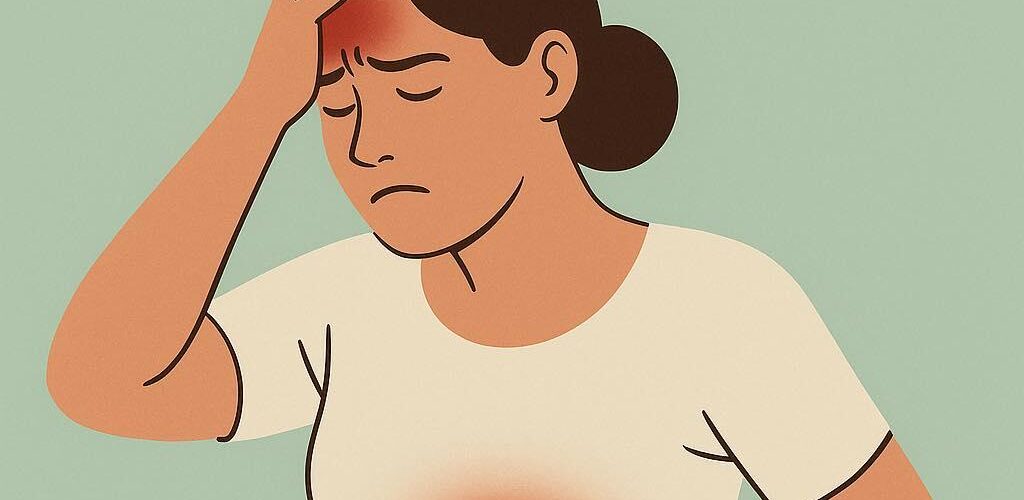
Früherkennung kann bei Krebs entscheidend sein. Manche Symptome mögen zwar mild oder unauffällig erscheinen, können aber Frühwarnzeichen für eine ernstere Erkrankung sein. Wenn Sie auf subtile Veränderungen in Ihrem Körper achten und schnell darauf reagieren, kann dies zu einer früheren Diagnose und besseren Ergebnissen führen.
Nachfolgend finden Sie fünf wichtige Warnsignale , die auf eine Krebserkrankung hinweisen können. Diese Symptome deuten zwar nicht immer auf Krebs hin, sollten aber nicht ignoriert werden – insbesondere, wenn sie anhalten oder sich mit der Zeit verschlimmern.
1. Unerklärlicher Gewichtsverlust
Wenn Sie ohne Anstrengung abnehmen – insbesondere mehr als 5 Kilogramm (ca. 10 Pfund) – könnte das ein Warnsignal sein. Plötzlicher, unerklärlicher Gewichtsverlust kann mit Krebserkrankungen der Bauchspeicheldrüse, des Magens, der Lunge oder der Speiseröhre zusammenhängen. Krebszellen können die Art und Weise verändern, wie Ihr Körper Nährstoffe und Kalorien verarbeitet, was zu schnellen Gewichtsveränderungen führt.
Worauf Sie achten sollten:
- Sie machen keine Diät und trainieren nicht mehr, verlieren aber trotzdem Gewicht
- Appetitlosigkeit oder schnelles Sättigungsgefühl
2. Anhaltende Müdigkeit
Dies ist nicht die übliche Müdigkeit nach einem anstrengenden Tag – krebsbedingte Müdigkeit lässt durch Ruhe nicht nach. Sie kann ein frühes Anzeichen für Leukämie oder Dickdarm- oder Magenkrebs sein, bei denen innere Blutungen zu einem ständigen Erschöpfungsgefühl beitragen können.
Worauf Sie achten sollten:
- Langanhaltende Erschöpfung trotz Schlaf und Ruhe
- Kurzatmigkeit oder Schwäche bei alltäglichen Aufgaben
3. Ungewöhnliche Schmerzen oder Beschwerden
Anhaltende Schmerzen – ob im Rücken, Bauch, Brustkorb oder in den Knochen – können auf ein tieferes Problem hinweisen. Bestimmte Krebsarten drücken auf Nerven oder Organe und verursachen chronische Schmerzen, die nicht verschwinden.
Worauf Sie achten sollten:
- Anhaltende Kopfschmerzen, Rückenschmerzen oder Bauchbeschwerden
- Schmerzen, die sich mit der Zeit verschlimmern oder keine eindeutige Ursache haben
4. Veränderungen der Haut oder Muttermale
Ihre Haut kann häufig Anzeichen von Krebs, insbesondere Melanomen (Hautkrebs), aufweisen. Andere Veränderungen wie Gelbfärbung, Verdunkelung oder Rötung der Haut können jedoch auf innere Krebserkrankungen hinweisen.
Worauf Sie achten sollten:
- Neue Muttermale oder Veränderungen bestehender Muttermale (Form, Farbe, Größe)
- Haut, die juckt, blutet oder nicht heilt
- Gelbsucht (Gelbfärbung der Augen oder der Haut)
5. Anhaltender Husten oder Heiserkeit
Ein anhaltender Husten – insbesondere wenn er trocken, schmerzhaft oder blutig ist – kann ein frühes Symptom für Lungen-, Rachen- oder Schilddrüsenkrebs sein. Hält die Heiserkeit länger als drei Wochen an, ist ärztliche Hilfe erforderlich.
Worauf Sie achten sollten:
- Chronischer Husten ohne Infektion
- Heiserkeit oder Schwierigkeiten beim Sprechen
- Kurzatmigkeit oder Brustschmerzen
Wann Sie einen Arzt aufsuchen sollten
Es ist wichtig, nicht in Panik zu geraten – viele dieser Symptome können auch durch andere, nicht krebsartige Erkrankungen verursacht werden. Wenn Sie jedoch eines dieser Anzeichen länger als 2-3 Wochen bemerken , wenden Sie sich am besten an einen Arzt. Frühzeitiges Eingreifen kann Ihr Leben retten.
Abschließende Gedanken
Krebs kann im Frühstadium unbemerkt auftreten, doch Ihr Körper gibt oft kleine Hinweise. Achten Sie auf diese Warnsignale und vertrauen Sie Ihrem Instinkt. Früherkennung ist eines der wirksamsten Mittel im Kampf gegen Krebs.
Bleiben Sie informiert. Bleiben Sie aufmerksam. Ihre Gesundheit ist es wert.
Why Seniors Should Avoid Early Morning Baths
For many people, daily bathing brings a sense of refreshment and good health. However, for those over 70, the timing of a bath can make a big difference.
Morning Baths and Liver Health
As we age, blood circulation slows down. Taking a hot bath immediately after waking causes blood to rush to the skin, reducing blood flow to internal organs. Experts warn that this can “put extra strain on the liver,” especially in individuals with fatty liver, hepatitis, or cirrhosis.
Risks to Watch Out For
- Worsening Fatty Liver: Hot baths may cause blood pressure fluctuations that aggravate metabolic problems.
- Hepatitis Reactivation: Sudden temperature changes can stress the immune system.
- Cirrhosis Complications: Increases the risk of reduced detoxification and swelling.
- Gallbladder Strain & Dehydration: Early-morning dehydration plus heat may hinder bile flow and toxin elimination.
A Safer Approach
Doctors recommend:
- Waiting at least one hour after waking before bathing.
- Using lukewarm water instead of very hot water.
- Drinking enough water before bathing.
- Limiting bath time to 10–15 minutes.
👉 These small adjustments can help protect your liver and keep your mornings safe.
Beets and Kidney Health: A Natural Tip for Later Years
According to the National Kidney Foundation, nearly 1 in 7 adults in the United States—about 37 million people—are living with chronic kidney disease, many without even realizing it. For seniors, kidney health plays a vital role in maintaining energy, blood pressure balance, and overall longevity. While medications and lifestyle adjustments are standard approaches, nature also offers powerful allies—one of which is the humble beet.
Bright red and earthy, beets have been part of traditional diets for centuries. Modern research suggests that beet juice may support kidney function by improving blood flow, reducing oxidative stress, and providing key nutrients. Although not a miracle cure, a daily glass of beet juice is a simple and natural way to nourish the body, especially in later years.
The Nutritional Power of Beets
Key Nutrients
- Nitrates – Converted into nitric oxide, which enhances blood flow.
- Betalains – Antioxidants that protect against oxidative stress.
- Folate – Supports cell repair and growth.
- Potassium – Helps regulate fluid balance and nerve function.
- Vitamin C – Strengthens immunity and tissue health.
Why This Matters for Seniors
With age, circulation, detoxification, and antioxidant defenses often weaken. Beets provide a natural boost, helping to bridge these gaps and promote overall vitality.
How Beet Juice Supports Kidney Health
- Improves Blood Flow – Nitric oxide helps relax blood vessels, ensuring better circulation to the kidneys.
- Reduces Oxidative Stress – Betalains protect delicate kidney tissues from oxidative damage.
- Supports Blood Pressure Balance – Natural nitrates may lower blood pressure, easing strain on the kidneys.
- Encourages Detox Pathways – Fiber and phytonutrients in beets support the body’s natural cleansing processes.
Real-Life Story: A 72-year-old retired teacher reported feeling more energetic and seeing improved lab results for both blood pressure and kidney function after drinking beet juice regularly for several months. 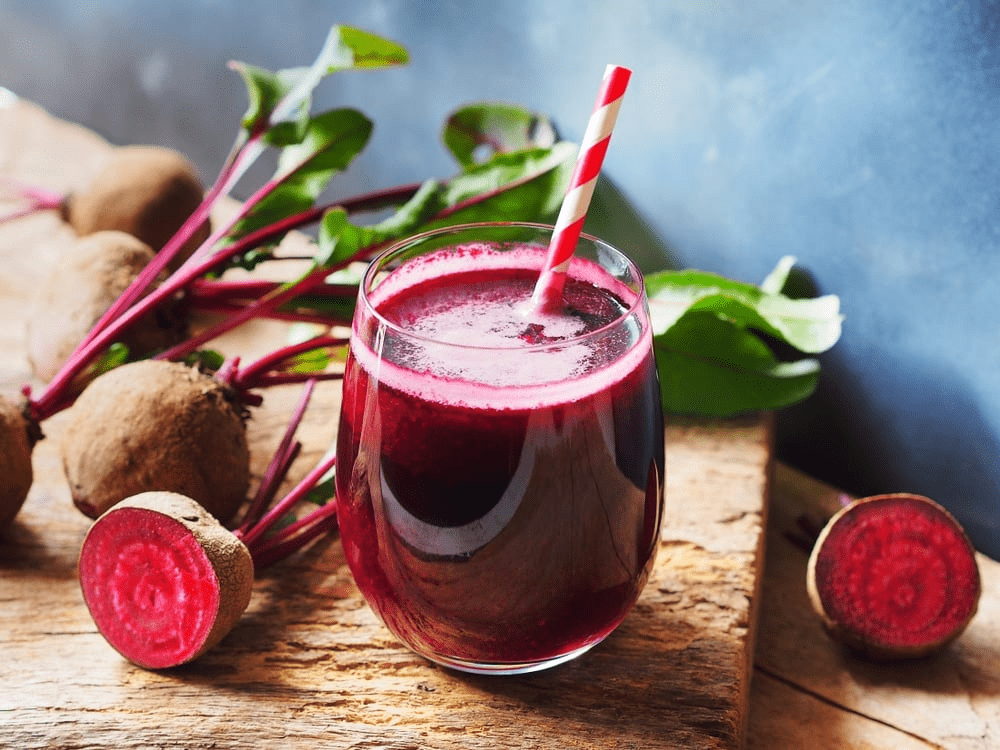
| Method | Preparation | Benefits |
|---|---|---|
| Fresh Juice | Blend raw beets with water, strain if needed | Maximum nutrients, vibrant flavor |
| Beet-Carrot Mix | Blend beets, carrots, and ginger | Aids digestion and circulation |
| Beet Smoothie | Mix with apple, lemon, and spinach | Balanced taste, extra vitamins |
| Cooked Beet Drink | Simmer beets, strain, and chill | Gentler flavor, easier on digestion |
Tip: Start with half a glass (about 4 oz). Larger amounts may cause stomach discomfort in sensitive individuals.
Other Benefits Beyond Kidney Health 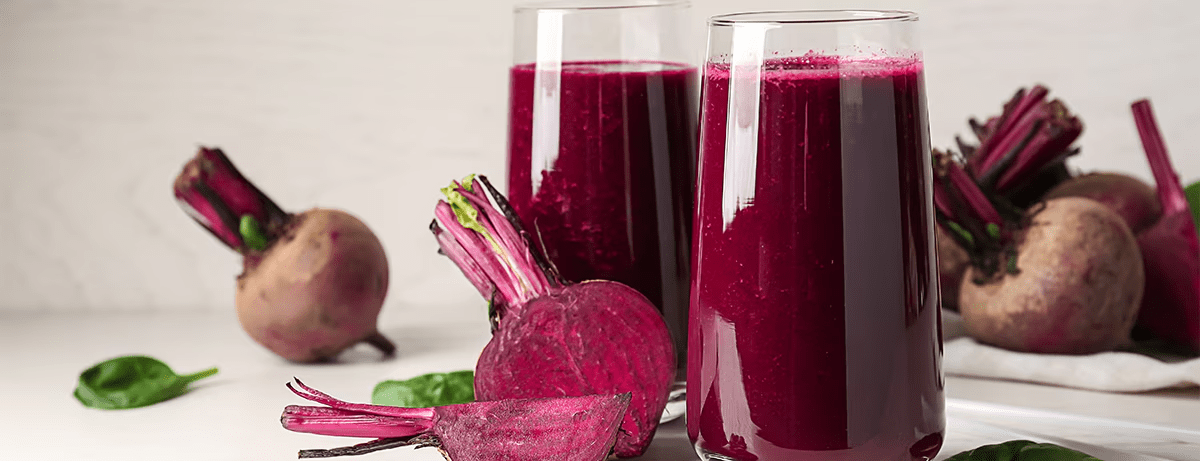
- Boosts Energy & Stamina – Nitric oxide enhances oxygen delivery to muscles.
- Supports Brain Health – Better circulation can improve memory and focus.
- Promotes Healthy Skin – Antioxidants combat free radicals that age the skin.
- Encourages Digestive Health – Beet fiber supports gut health and regularity.
Safety and Precautions
- Color changes: Red or pink urine/stool is common and harmless.
- Oxalates: High in oxalates, which may trigger kidney stones in some individuals.
- Blood pressure meds: Beets can lower blood pressure—monitor levels if on medication.
👉 Always check with your doctor before making dietary changes, especially if you have existing kidney or heart conditions.
Building a Beet Juice Routine
- Start small: 2–4 ounces daily.
- Pair wisely: Combine with other fruits/veggies for balance.
- Be consistent: Long-term use provides the most benefits.
- Listen to your body: Adjust intake based on how you feel.
Sample Senior Routine:
- Morning: Half a glass of beet-carrot juice with ginger.
- Afternoon: Hydrate with water or herbal tea.
- Evening: Add roasted beets as a side dish.
Conclusion
No single drink can reverse kidney damage—but beet juice is a powerful, natural addition to a senior’s diet. Packed with nitrates, antioxidants, and essential vitamins, it can support kidney health, improve circulation, and boost overall vitality.
Frequently Asked Questions
How often should seniors drink beet juice?
A few times per week is safe—start small and increase gradually.
Can beet juice replace medical treatment?
No. It should only be used as supportive nutrition, not a substitute for treatment.
Is raw or cooked beet juice better?
Both are beneficial—raw preserves maximum nutrients, while cooked is gentler on digestion.
Can beet juice prevent dialysis?
No evidence supports this, but it may help support general kidney wellness.
Disclaimer: This article is for educational purposes only and is not a substitute for professional medical advice. Always consult a healthcare provider before making dietary or lifestyle changes.
When Nighttime Leg Cramps Become a Concern
Waking up in the middle of the night with a stabbing pain in your calf is more common than you might think. Nighttime leg cramps—sudden, involuntary muscle contractions, often in the calves or feet—affect millions of people. While they’re often dismissed as harmless or attributed to aging or dehydration, sometimes these cramps can signal something deeper.
The Occasional Cramp: Usually Harmless
Most nighttime cramps are benign and may be triggered by:
- Overuse of muscles during the day
- Dehydration
- Prolonged standing or sitting
- Sleeping with feet in awkward positions
- Electrolyte imbalances (low magnesium, potassium, or calcium)
- Pregnancy
They often resolve with gentle stretching and may not return for weeks.
When to Be Concerned
Nighttime leg cramps become a medical concern when:
- They occur frequently – More than three nights a week could signal poor circulation or nerve issues.
- Pain is severe or long-lasting – Cramps that linger or leave muscles sore for hours may suggest circulatory or neurological problems.
- Sleep is disrupted – Chronic interruptions can cause fatigue, irritability, or even depression.
- Other symptoms appear – Such as muscle weakness, swelling, numbness, tingling, dark urine, or unexplained fatigue. These may be linked to conditions like peripheral artery disease, kidney dysfunction, neuropathy, or electrolyte imbalances.
- They follow new medications – Diuretics, statins, beta blockers, and certain asthma drugs can trigger cramps.
- You have underlying health issues – Older adults, or those with diabetes, vascular disease, or thyroid problems, may be more at risk.
Common Causes of Nighttime Leg Cramps
- Dehydration – Low fluid levels affect circulation and nerve signaling.
- Electrolyte imbalance – Deficiency in magnesium, potassium, or calcium disrupts muscle function.
- Poor circulation – Reduced blood flow leads to cramping.
- Nerve compression – Spinal stenosis or similar conditions can interfere with signals.
- Inactivity – Sitting or lying in one position too long.
- Overexertion – Vigorous exercise without proper recovery.
How to Prevent Nighttime Leg Cramps
- Stretch before bed – Gentle calf, hamstring, and ankle stretches keep muscles relaxed.
- Stay hydrated – Aim for 6–8 glasses of water daily, plus electrolyte-rich foods like bananas, spinach, or avocados.
- Replenish electrolytes – Magnesium (pumpkin seeds, almonds), potassium (sweet potatoes, oranges), calcium (dairy, tofu), and sodium in moderation.
- Move throughout the day – Walk, stretch, or change positions regularly. Low-impact exercise supports circulation.
- Wear supportive shoes – Avoid high heels and flat, unsupportive shoes. Use cushioned soles or orthotics if needed.
- Adjust your sleep position – Keep feet neutral or flexed; avoid pointing toes downward. Try a pillow under your knees or feet.
- Use warmth and massage – Warm baths, heating pads, or gentle leg massages before bed can ease tight muscles.
- Limit alcohol and caffeine – Both can dehydrate and disturb sleep. Swap evening drinks for herbal tea.
- Check medications – Talk to your doctor if cramps started after beginning a new prescription.
- Consider magnesium supplements – Safe in moderate doses (200–400 mg daily), especially for older adults or pregnant women. Always consult your doctor first.
Preparing Your Muscles for Rest
Preventing nighttime leg cramps means preparing your body for sleep—hydrated, stretched, and relaxed. Just as you brush your teeth before bed, making stretching and hydration a nightly ritual can help ensure you wake up pain-free.