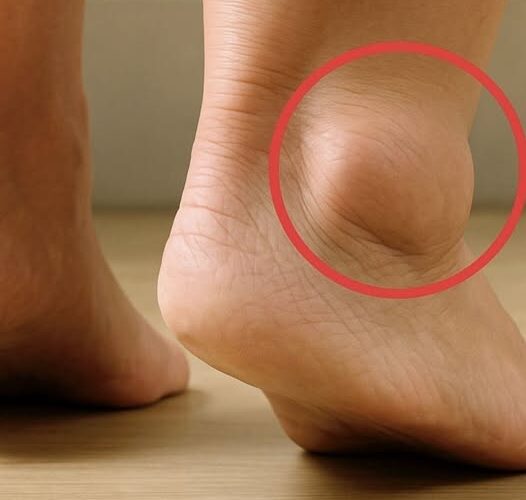
Was ist eine Beinschwellung?
Bei Beinschwellungen – auch periphere Ödeme genannt – handelt es sich um eine Flüssigkeitsansammlung im Gewebe der unteren Gliedmaßen, die Schwellungen, Spannungsgefühle oder Beschwerden verursacht. In manchen Fällen kann die Schwellung harmlos sein, chronische oder plötzliche Schwellungen können jedoch auf ein zugrunde liegendes Gesundheitsproblem hinweisen, das ärztlicher Behandlung bedarf.
Häufige Symptome einer Beinschwellung 
Zu den auffälligsten Anzeichen gehören:
- Geschwollene oder vergrößerte Beine, Knöchel oder Füße
- Haut, die glänzend oder gespannt erscheint
- Abdrücke auf der Haut nach dem Ausziehen von Socken oder Schuhen
- Schwierigkeiten beim Gehen oder beim Passen in normales Schuhwerk
- Ein Gefühl von Schwere oder Müdigkeit in den unteren Gliedmaßen
Die Schwellung kann ein oder beide Beine betreffen und verschlimmert sich häufig nach längerem Sitzen, Stehen oder Inaktivität.
Was verursacht Beinschwellungen? 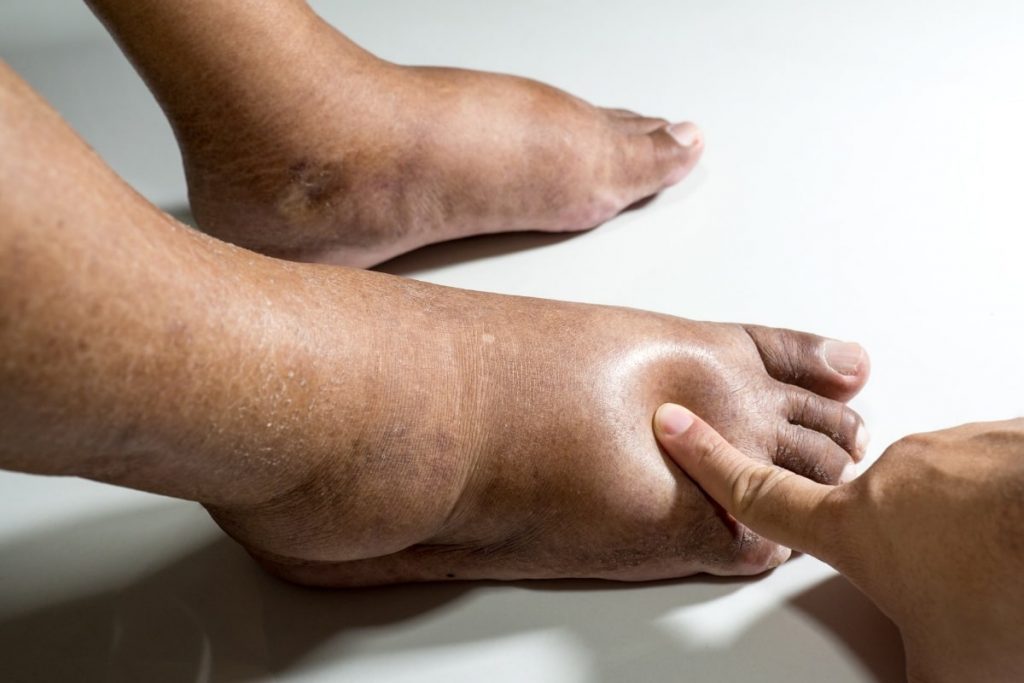
- Längeres Sitzen oder Stehen:
Wenn Sie zu lange in einer Position bleiben, kann es zu Flüssigkeitsansammlungen in den Beinen kommen, insbesondere bei Menschen mit schlechter Durchblutung. - Herzerkrankungen:
Eine Herzinsuffizienz kann zu Flüssigkeitsansammlungen führen. Schwellungen in Verbindung mit Kurzatmigkeit oder Müdigkeit können auf Herz-Kreislauf-Probleme hinweisen. - Nierenerkrankungen
Wenn die Nieren überschüssige Flüssigkeit und Abfallprodukte nicht richtig entfernen können, kann es zu Schwellungen in den Beinen kommen. - Chronische Veneninsuffizienz:
Wenn die Venen das Blut nicht mehr effizient zum Herzen zurücktransportieren können, kann es zu Blutansammlungen in den Beinen kommen, die zu Schwellungen führen. - Lymphödem:
Blockaden oder Schäden im Lymphsystem – häufig nach Operationen oder Krebsbehandlungen – können zu einseitigen Schwellungen führen. - Blutgerinnsel (tiefe Venenthrombose)
Eine tiefe Venenthrombose verursacht in der Regel eine plötzliche Schwellung in einem Bein, verbunden mit Schmerzen, Rötung oder Wärmegefühl. Dies ist ein medizinischer Notfall. - Medikamente
wie Steroide, Kalziumkanalblocker, Antidepressiva und NSAR können Beinschwellungen verursachen. - Ernährungs- und Lebensstilfaktoren
- Natriumreiche Ernährung → Wassereinlagerungen
- Dehydration → Flüssigkeitsungleichgewicht
- Bewegungsmangel → schlechte Durchblutung
Wann Sie einen Arzt aufsuchen sollten 
Sie sollten einen Arzt aufsuchen, wenn:
- Die Schwellung tritt plötzlich auf und ist schmerzhaft
- Sie haben Schmerzen in der Brust oder Kurzatmigkeit
- Das Bein ist rot, warm oder empfindlich
- Die Schwellung bessert sich nicht durch Ruhe oder Hochlagerung.
Diese können auf ernste Probleme wie Herzversagen, Nierenerkrankungen oder Blutgerinnsel hinweisen.
Diagnose und medizinische Untersuchung /assets/images/provider/photos/2722120.jpg)
Ärzte können Folgendes empfehlen:
- Blutuntersuchungen zur Nieren- und Leberfunktion
- Ultraschall zur Überprüfung auf Blutgerinnsel
- EKG oder Echokardiogramm für die Herzgesundheit
- Urinanalyse bei Nierenproblemen
Wirksame Behandlungen für Beinschwellungen
Hausmittel:
- Beine mehrmals täglich 30 Minuten lang über Herzhöhe lagern
- Reduzieren Sie die Natriumaufnahme
- Trinken Sie mehr Wasser, um überschüssiges Salz auszuspülen
- Tragen Sie Kompressionsstrümpfe, um die Durchblutung zu verbessern
- Bleiben Sie körperlich aktiv
Medizinische Behandlungen:
- Diuretika (Wassertabletten) zur Beseitigung überschüssiger Flüssigkeit
- Physiotherapie für Mobilität und Lymphdrainage
- Behandlung von Grunderkrankungen wie Herz- oder Nierenerkrankungen
- Bewegen Sie sich häufig während des Fluges oder bei der Schreibtischarbeit
- Vermeiden Sie es, die Beine über längere Zeit übereinander zu kreuzen
- Halten Sie ein gesundes Gewicht
- Treiben Sie regelmäßig Sport
- Überwachen Sie die Salzaufnahme
Abschließende Gedanken
Beinschwellungen mögen harmlos erscheinen, können aber ein Warnsignal für ernstere gesundheitliche Probleme sein. Frühzeitige Maßnahmen wie Lebensstiländerungen, Hausmittel oder medizinische Behandlung können Komplikationen vorbeugen. Bei anhaltenden Schwellungen sollte ein Arzt aufgesucht werden, um eine korrekte Diagnose und Behandlung zu gewährleisten.
7 Things Not to Do Before Taking a Shower to Prevent Stroke – Plus 2 Common Mistakes
Taking a shower is a refreshing way to start or end the day. However, certain habits before showering may put unnecessary stress on your body and even increase the risk of serious health problems such as stroke. Many people make these mistakes without realizing the consequences.
Here are seven things you should avoid before showering and two common mistakes people often make.
7 Things to Avoid Before Showering
1. Eating a Heavy Meal
After eating, your body directs blood flow to the digestive system. Showering immediately forces the body to divide resources between digestion and adjusting to hot water, which may lead to sudden blood pressure changes and even stroke. Wait at least 30 minutes after eating before showering.
2. Showering Immediately After Exercise
Exercise raises heart rate and blood pressure. Jumping into a hot shower right away adds extra stress to your cardiovascular system. Always cool down, hydrate, and let your body return to normal before bathing.
3. Taking a Hot Shower When You Feel Dizzy
Dizziness or lightheadedness often signals unstable blood pressure. Hot water dilates blood vessels and can worsen dizziness, increasing the risk of fainting or stroke. Rest, hydrate, and wait until you feel better before showering.
4. Showering on an Empty Stomach
When fasting or skipping meals, your body is already low on energy. Showering in this state may cause weakness, dizziness, or fainting. Eat a light snack or meal before bathing to keep your blood sugar stable.
5. Showering While Stressed
High stress levels raise blood pressure. A hot shower in this condition can make it worse. Take a few minutes to relax, breathe deeply, or calm down first to protect your cardiovascular health.
6. Drinking Alcohol Before Showering
Alcohol impairs coordination and dilates blood vessels. Combined with hot water, this increases the risk of fainting, falling, or stroke. Avoid alcohol before bathing to stay safe.
7. Using Extremely Hot Water
Water that’s too hot shocks the body, especially for people with hypertension. It increases blood flow to the skin, straining the heart and blood vessels. Opt for lukewarm or warm water instead.
2 Common Mistakes Many People Make
1. Showering Immediately After Waking Up
Upon waking, blood pressure is naturally lower and your body needs time to adjust. Jumping straight into the shower can trigger sudden blood pressure changes, leading to dizziness or fainting. Drink some water and do light stretching before bathing.
2. Using Excessive Water Pressure
Many believe strong water pressure massages the body, but too much pressure can stress the heart and vascular system. Use moderate pressure to avoid unnecessary strain.
Conclusion
Showering is an essential daily routine, but ignoring certain health precautions can put you at risk. By avoiding these seven habits and being mindful of the two common mistakes, you can enjoy a safer and healthier showering experience. Always listen to your body, and if you ever feel discomfort or have health concerns, consult a doctor before making shower habits part of your routine.
Everything You Need to Know About Eating Eggs Daily — Science-Backed Benefits & What to Watch For

For decades, eggs were unfairly criticized as a danger to heart health due to their cholesterol content.
But science has shifted: eggs are now recognized as one of the most nutrient-dense foods available — a natural superfood filled with high-quality protein, brain-boosting choline, and eye-protecting antioxidants.
So, is it safe to eat eggs every day?
Yes. For most people, eating one (or even two) eggs a day is not only safe — it’s highly beneficial.
This guide breaks down the key benefits, the rare risks, and the best ways to enjoy eggs as part of a healthy diet.
🥚 What’s Inside an Egg? A Nutritional Powerhouse
One large egg (about 50 g) provides:
- 70 calories – nutrient-dense and low in calories
- 6 g of complete protein – contains all 9 essential amino acids
- 5 g of healthy fats – including heart-friendly omega-3s in pasture-raised eggs
- Choline – supports brain health, liver function, and pregnancy
- Lutein & Zeaxanthin – antioxidants that protect vision
- Vitamin D – rare in foods, boosts bones and immunity
- B12, Selenium, Riboflavin – critical for energy and metabolism
📊 Fun fact: Eggs are so nutritionally complete, they’re often called “nature’s multivitamin.”
✅ 7 Proven Benefits of Eating Eggs Daily
- Boosts Brain Health
- High in choline, essential for memory, mood, and fetal brain development.
- Helps prevent fatty liver and supports detoxification.
- Protects Your Eyes
- Rich in lutein and zeaxanthin, reducing risk of macular degeneration and cataracts.
- Egg fats help your body absorb these antioxidants more effectively than from plants alone.
- Supports Weight Management
- Keeps you full longer due to protein and fat.
- Studies show egg breakfasts promote weight loss more than carb-heavy meals.
- Improves Heart Health
- Contrary to old myths, eggs generally do not increase heart disease risk.
- They raise HDL (“good”) cholesterol and make LDL particles less harmful.
- Note: People with type 2 diabetes should eat eggs in moderation.
- Promotes Hair, Skin, and Nail Health
- Nutrients like biotin and sulfur amino acids support stronger hair and clearer skin.
- Affordable, Versatile, and Easy to Cook
- Quick meals, adaptable to any cuisine, perfect for meal prep.
- Eco-Friendly (When Sourced Responsibly)
- Pasture-raised eggs have a smaller environmental impact and higher nutrient quality.
⚠️ Who Should Be Careful?
- Cholesterol-sensitive individuals (15–25% of people): May see higher cholesterol levels.
- People with type 2 diabetes: Very high intake could increase risk.
- Egg allergies: Common in children; avoid completely if allergic.
- Raw/undercooked eggs: Risk of Salmonella; always cook unless pasteurized.
🍳 Healthy & Delicious Ways to Eat Eggs
- Boiled as snacks or in salads
- Scrambled with vegetables
- Omelets with greens and cheese
- Poached on avocado toast
- Hard-boiled for meal prep
- Added to grain bowls or fried rice
💡 Tip: Pair eggs with vitamin C-rich foods (like bell peppers or citrus) to boost iron absorption.
🥣 Final Verdict: Yes, You Can Eat Eggs Every Day
For most people, 1–2 eggs daily is safe and highly nutritious.
Eggs are:
- Rich in essential nutrients
- Supportive of brain, eye, and heart health
- Easy, affordable, and delicious
👉 The bottom line: Eggs are not the problem — they’re part of the solution.
Simple food. Powerful nutrition. One egg at a time.
Engineered Gut Bacteria Show Promise in Preventing Kidney Stones
Scientists have taken a major step forward in tackling one of the world’s most painful and persistent health problems: kidney stones. Recent studies suggest that genetically engineered gut bacteria could help reduce the risk of stone formation by breaking down oxalate, a key compound involved in the development of these mineral deposits.
A New Microbial Approach
The research centers on Phocaeicola vulgatus, a naturally occurring gut bacterium that has been genetically modified to metabolize oxalate — a substance found in many foods that can crystallize inside the kidneys. In high concentrations, oxalate contributes to the formation of calcium oxalate stones, the most common type of kidney stone.
To make the therapy controllable, scientists also engineered the bacteria to rely on porphyran, a carbohydrate derived from seaweed. By adding or removing porphyran from a patient’s diet, doctors could in theory regulate the presence of these bacteria in the gut.
Early Results From Trials
In laboratory and animal studies, the modified bacteria significantly reduced oxalate levels in urine. Early-stage human trials have shown encouraging signs: participants who consumed the engineered bacteria, alongside porphyran, demonstrated reduced oxalate excretion without major safety concerns.
However, the results were mixed. In some patients with hyperoxaluria — a condition where oxalate levels are abnormally high — the bacteria did not perform as effectively. Researchers also found that in a few cases, the microbes adapted in ways that allowed them to survive even without porphyran, raising long-term safety and control questions.
Not a Cure—Yet
While social media posts have claimed that these bacteria can “dissolve kidney stones inside the body,” scientists caution that this is misleading. The therapy has not been shown to break down existing stones. Instead, its main potential lies in prevention and risk reduction, by lowering the levels of oxalate before stones form.
For patients who already have large, painful stones, traditional treatments such as surgery, lithotripsy, or medication remain the standard of care.
A Step Toward the Future
Despite the limitations, experts believe the research marks an important milestone in microbiome-based therapies. If proven safe and effective through larger clinical trials, engineered bacteria could one day become part of preventive care for people prone to recurrent kidney stones.
Dr. Joe Hollins, a veterinarian who has worked with long-lived animals like Jonathan the tortoise, once remarked on the importance of diet and environment in longevity. Similarly, this bacterial innovation underscores how rebalancing our inner ecosystems could reshape human health.
The Bigger Picture
Kidney stones affect an estimated 1 in 10 people worldwide during their lifetime, with recurrence rates as high as 50%. A treatment that reduces the risk of stone formation without invasive procedures could significantly improve quality of life for millions.
For now, the message is one of cautious optimism. Scientists are closer than ever to turning the gut microbiome into a tool against kidney stones, but more evidence is needed before the therapy becomes a clinical reality.